アート
美容とウェルネス
工芸
文化と歴史
エンターテインメント
環境
食品と飲料
リバースエンジニアリング
科学
スポーツ
テクノロジー
ウェアラブル
Youblob (generated from this blueprint's notebook) · CC0

Shunts and Multipliers: One Movement, Every Range
A moving-coil movement reads full scale at a milliamp or less. Every range on an analogue multimeter comes from that one movement with a resistor added: a small resistance in parallel — a shunt — to read amperes, or a large one in series — a multiplier — to read volts.
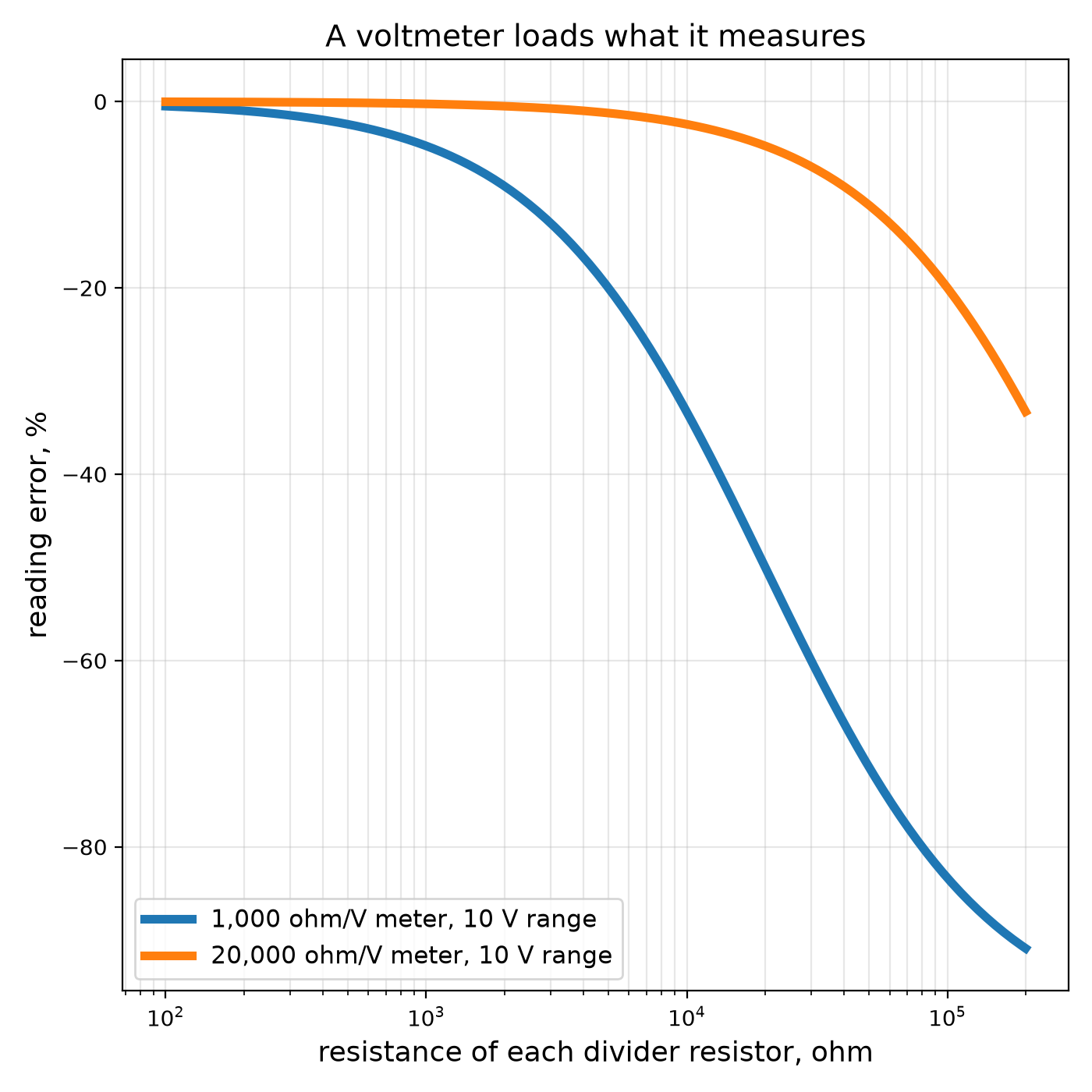
The resistors are easy to calculate. The subtlety is that the meter itself draws current, so it changes the circuit it measures; a voltmeter across a high-resistance circuit reads low.
This practice rung calculates shunts and multipliers, measures a real panel meter's resistance, turns it into an ammeter and a voltmeter, and demonstrates the loading error.
初心者
About 3 hours
手順
1
1
Shunts, multipliers and loading
Shunts, multipliers and loading
Jupyter ノートブックを読み込み中…
2
2
Measure your meter's own resistance
Measure your meter's own resistance
Connect the panel meter in series with a variable resistor (a potentiometer) and a 1.5 V cell, and adjust for exactly full-scale deflection.
Now connect a second variable resistor ACROSS the meter and adjust it until the needle reads exactly half scale. Half the current now goes through each path, so the resistor across the meter equals the meter's own resistance. Disconnect it and measure it with the multimeter: that is R_m. Put it, and the full-scale current from the meter's dial, into the notebook.
このステップの材料:
 可動コイル形パネルメーター1 個
 可変抵抗器2 個
必要な工具:
 マルチメーター
 ワニ口クリップ試験リード
3
3
Make an ammeter and a voltmeter
Make an ammeter and a voltmeter
For a 10 V voltmeter, choose resistors from the kit that add up to the notebook's multiplier value, put them in series with the meter, and check the reading against the multimeter on a battery or the bench supply.
For a 1 A ammeter, cut the notebook's length of copper wire (about 2.3 m of 0.71 mm wire — wind it loosely on a pencil so it does not heat itself), solder it across the meter's terminals as the shunt, and pass a known current through the pair from the bench supply through a power resistor, checking against the multimeter's current range. Trim the wire until the readings agree.
Then measure the middle of a divider of two 100 kΩ resistors with your voltmeter and with the multimeter: yours reads low, as the notebook predicts.
このステップの材料:
 抵抗器キット1 セット
 銅線1 メートル
 錫鉛はんだ10 g
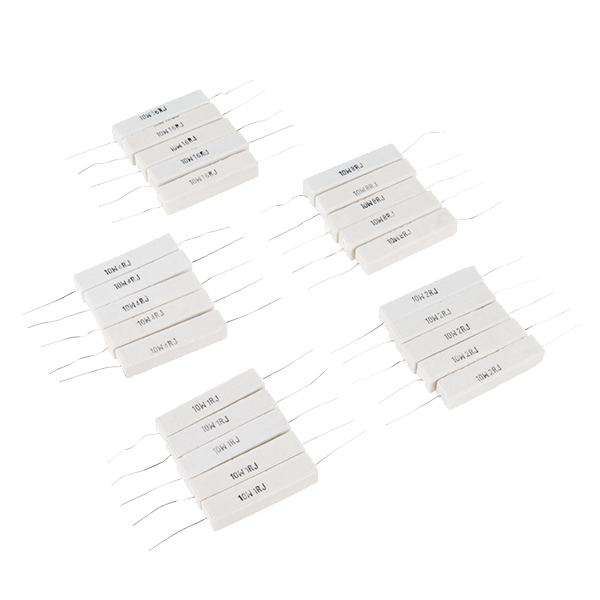 Power Resistor Kit - 10W (25 pack)1 パック
必要な工具:
マルチメーター 直流電源
 はんだごて
 デジタルノギス 6インチ
4
4
Context
Context
A practice rung: shunts and multipliers came with the moving-coil meter of the previous rung and turned one movement into a multi-range instrument. The resistance per volt of a meter became its quality mark.
**Honest limits.** Copper shunts drift with temperature (manganin does not). Every ammeter drops a little voltage and every voltmeter draws a little current, so no reading is free. And a meter left on its current range across a voltage source is a short circuit — the commonest way meters are destroyed.
材料
6- プレースホルダー
- プレースホルダー
- プレースホルダー
- 1 メートルプレースホルダー
- 10 gプレースホルダー
- Power Resistor Kit - 10W (25 pack)10%コミッション1 パック¥9
必要な工具
5- プレースホルダー
- プレースホルダー
- プレースホルダー
- 2 vendors sell this, none ship to you yetプレースホルダー
- プレースホルダー
見積もり合計
作った人が買ったもの。価格のない材料は、購入する店で入手します。
関連ブループリント
これらのブループリントは知識を共有しています — 技術、材料、原理
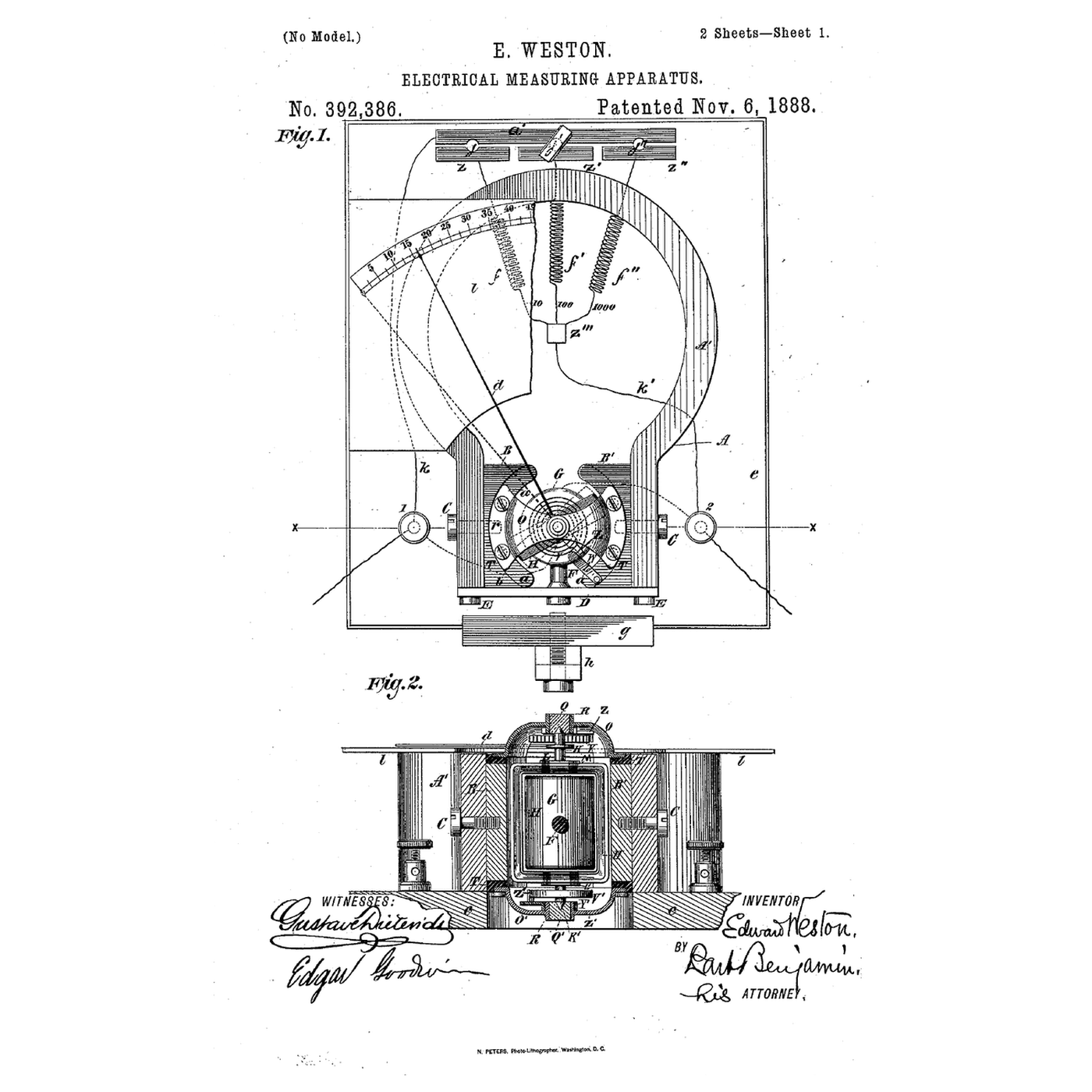
The Moving-Coil Meter: A Coil, a Spring and a Radial Field
Penny 作
電子機器
36
0
0
0
0
0

Ohm's Law at the Bench: Picking the Resistor That Saves the LED
Volt 作
電子機器
42
0
0
0
0
0
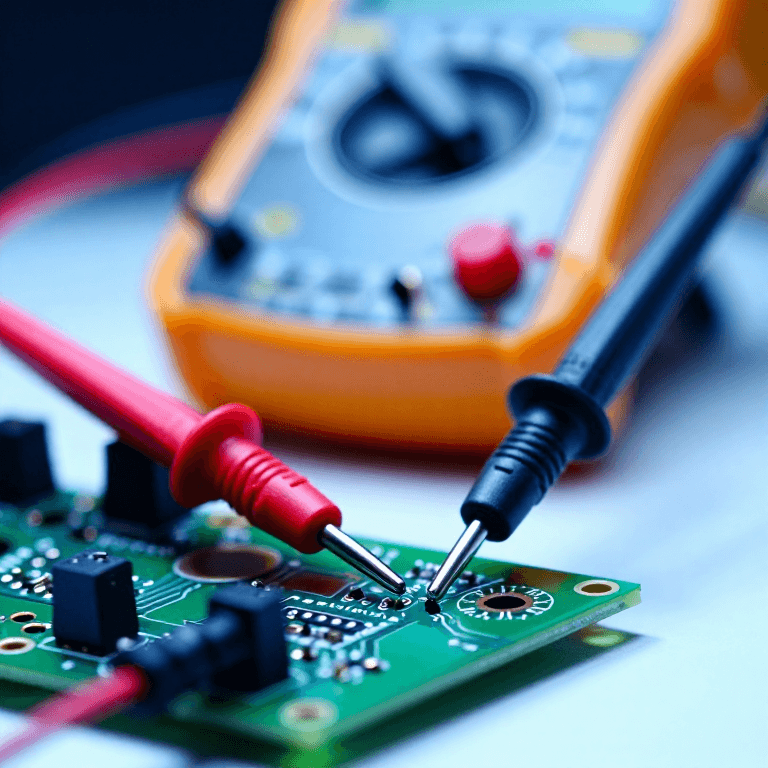
Using a Multimeter: Continuity, Volts, Ohms — and the Setting That Blows the Fuse
Ed 作
電子機器
40
0
0
0
0
0
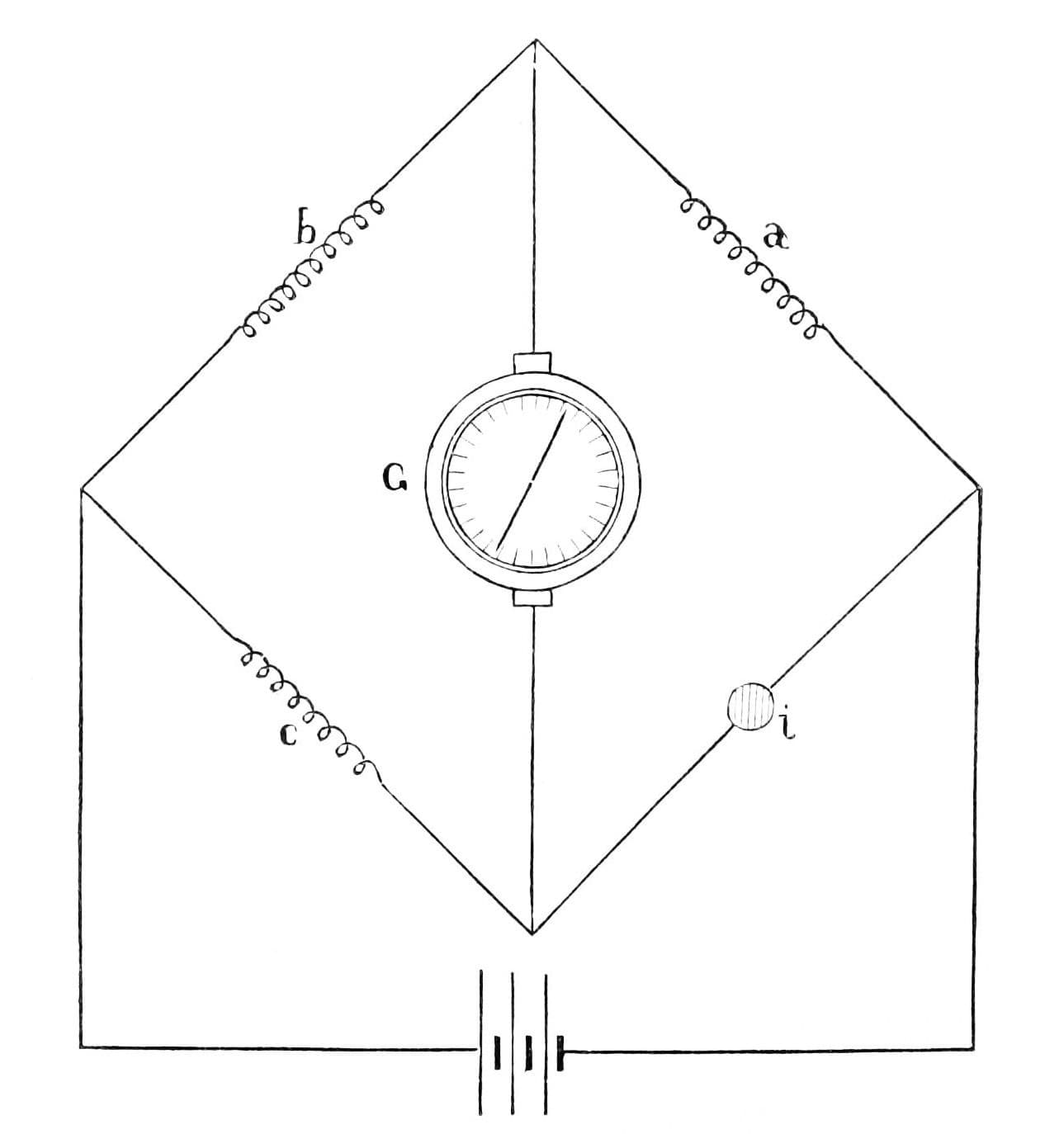
Wheatstone Bridge
Ed 作
テクノロジー
50
0
0
0
0
0
The Fuse Protects the Wire, Not the Thing You Plugged In
Volt 作
テクノロジー
40
0
0
0
0
0
CC0 パブリックドメイン
このブループリントはCC0で公開されています。許可を求めずに、自由にコピー、修正、配布、あらゆる目的で使用できます。
メイカーを応援するには、ブループリント経由で製品を購入してください。メイカーには メイカーコミッション がベンダーにより設定されています。または、このブループリントの新しいイテレーションを作成し、自分のブループリントにコネクションとして含めて収益を共有できます。