アート
美容とウェルネス
工芸
文化と歴史
エンターテインメント
環境
食品と飲料
リバースエンジニアリング
科学
スポーツ
テクノロジー
ウェアラブル
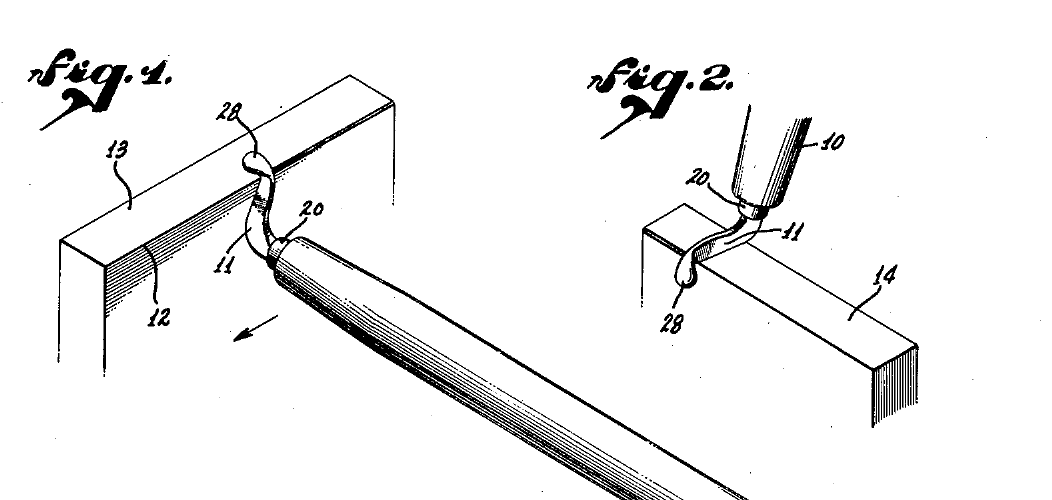


Swivel-Blade Deburring Tool: Roth, 1952
Cutting, punching, sawing and grinding leave burrs on the edges of metal, plastic and pressed wood. A knife or file scrapes them off unevenly, and only in skilled hands. Otto W. Roth of Los Angeles patented a swivel-blade cutting tool in 1952, US 2,598,443. A short hooked blade on a shaft turns freely in a sleeve in the handle, bent at less than a right angle. A rounded head at its tip rides on the face of the work and sets the blade's angle, so as the tool is drawn along an edge or round a punched hole the blade follows it and shaves the burr off evenly.
中級者
Workshop process
手順
1
1
Handle and sleeve
Handle and sleeve
Bore the handle axially and press in a sleeve or bushing; a pressed-in part of the sleeve bears on the shaft lightly so it does not slip out, and its outer end turns over against the handle's end.
このステップの材料:
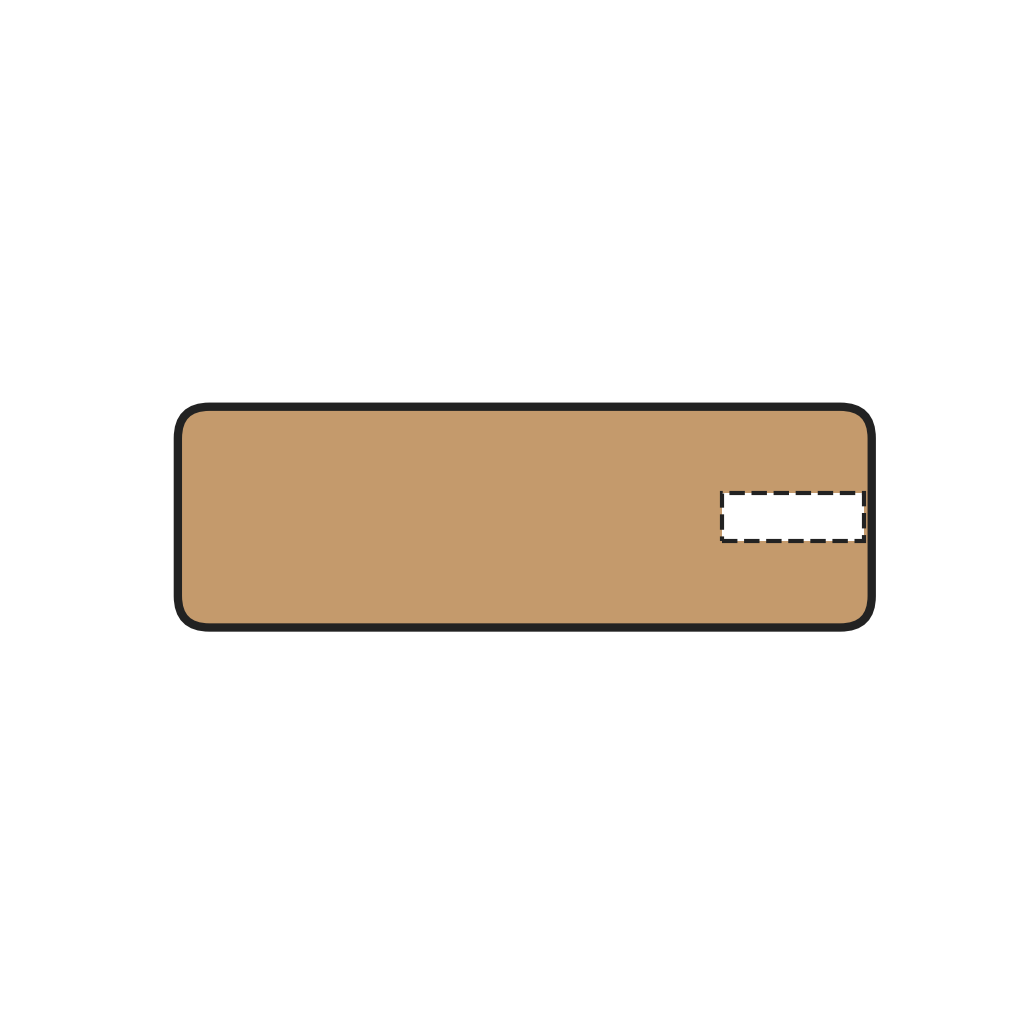 軸方向穴付き工具柄1 個
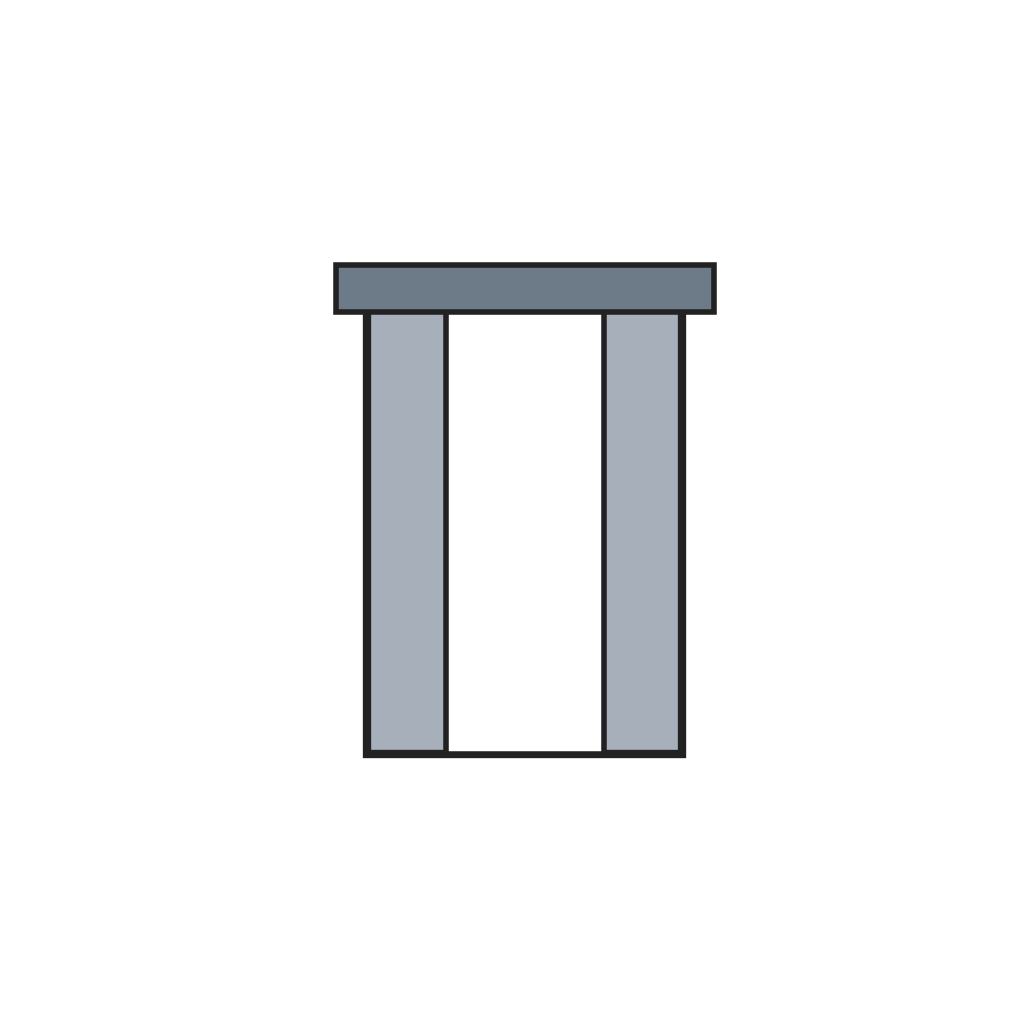 回転軸受スリーブ1 個
必要な工具:
 金属旋盤
 万力(ベンチバイス)
2
2
Blade
Blade
Form the blade on the shaft's end at an angle of less than 90°, with a knife edge between two flat sides and a rounded head at the tip that overhangs the edge.
このステップの材料:
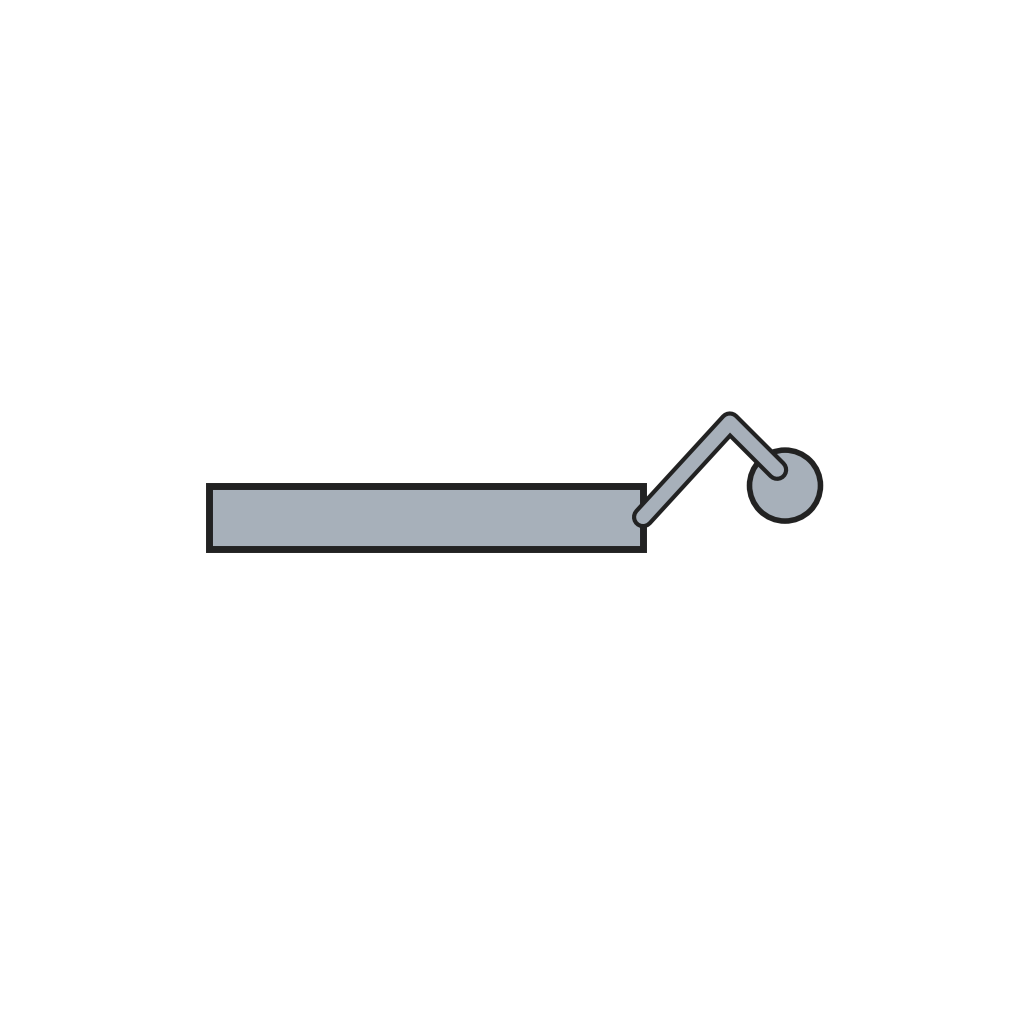 軸付きフック形バリ取り刃1 個
必要な工具:
 卓上グラインダー
3
3
Swivel fit
Swivel fit
Put a collar on the shaft to bear against the sleeve's end, and insert the shaft so the blade rotates freely. (In the alternative form, a thrust bearing at the base of the bore and a flared bearing sleeve give a smoother swivel, and a cap closes the handle.)
このステップの材料:
 スラストカラー1 個
この設計図で作るもの

関連ブループリント
これらのブループリントは知識を共有しています — 技術、材料、原理
CC0 パブリックドメイン
このブループリントはCC0で公開されています。許可を求めずに、自由にコピー、修正、配布、あらゆる目的で使用できます。
メイカーを応援するには、ブループリント経由で製品を購入してください。メイカーには メイカーコミッション がベンダーにより設定されています。または、このブループリントの新しいイテレーションを作成し、自分のブループリントにコネクションとして含めて収益を共有できます。