アート
美容とウェルネス
工芸
文化と歴史
エンターテインメント
環境
食品と飲料
リバースエンジニアリング
科学
スポーツ
テクノロジー
ウェアラブル

The Lightning Rod: Give the Strike a Path That Survives It
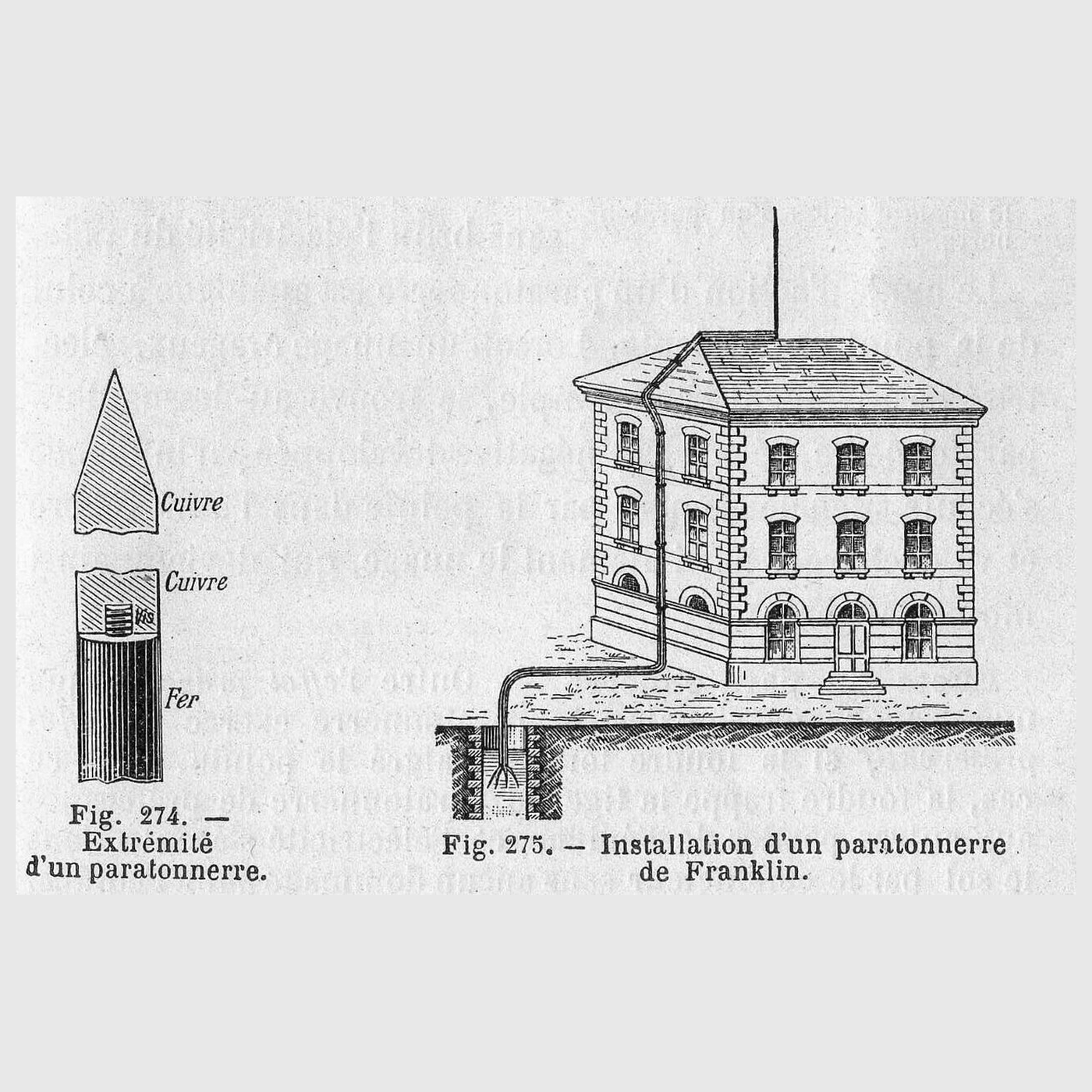
Benjamin Franklin proposed in 1750 that a pointed iron rod on a building, connected by a wire to the ground, would protect it from lightning; by 1752 rods were being put up. He took out no patent on it, or on any of his inventions.
A rod does not stop lightning. It gives the strike a place to land that is not the roof, and a path to earth thick enough to carry tens of thousands of amperes without melting. The sharp point — which Franklin showed would quietly draw charge off a conductor — matters much less than the thickness of the wire and the quality of the earth.
This rung works out both, and repeats Franklin's point-discharge experiment on a charged Leyden jar.
初心者
About 2 hours
手順
1
1
The power of points, and the size of the conductor
The power of points, and the size of the conductor
Jupyter ノートブックを読み込み中…
2
2
Charge a Leyden jar to test points
Charge a Leyden jar to test points
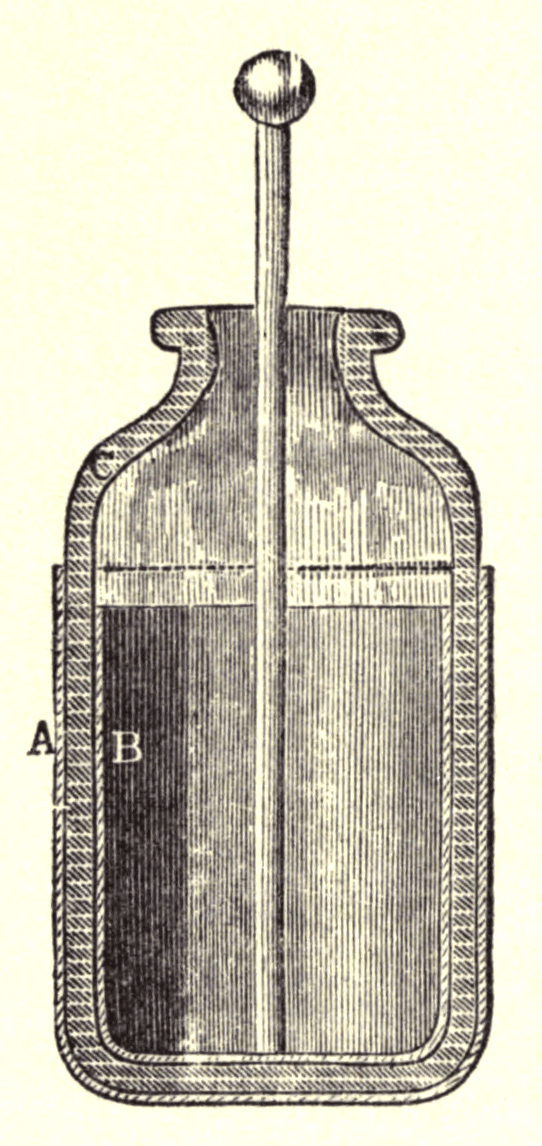
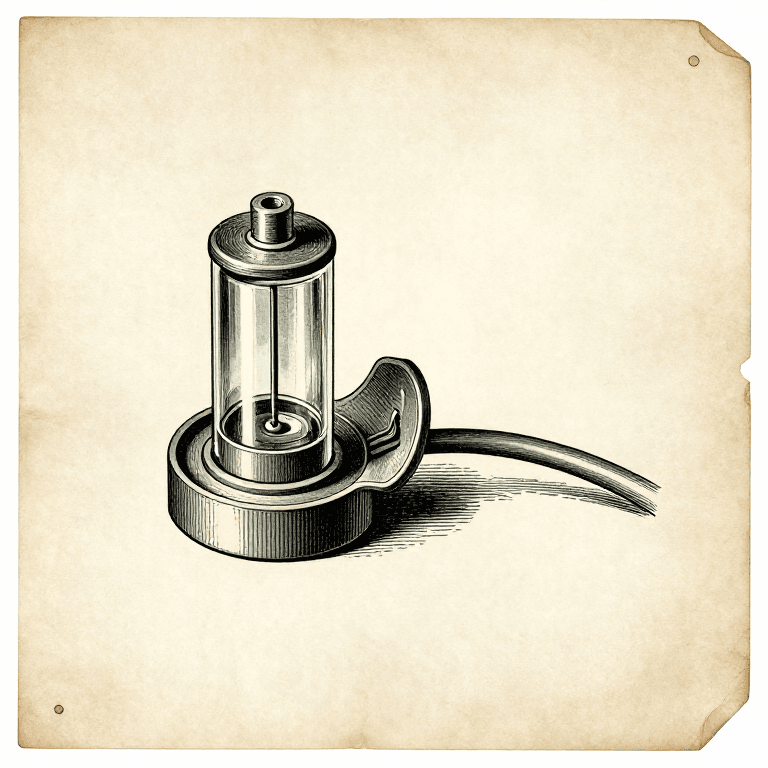
Franklin's experiments used a charged conductor and a Leyden jar. The embedded blueprint builds and charges one; the next step uses it.
3
3
Repeat Franklin's point-discharge experiment
Repeat Franklin's point-discharge experiment
Charge the Leyden jar. Bring a smooth ball — a metal ball on an insulated handle — slowly towards its terminal: nothing happens until it is close, then a single sharp spark jumps.
Charge the jar again and bring a needle, held on an insulated handle and wired to earth, slowly towards it, point first. In the dark you may see a faint glow at the point and hear a hiss; there is no big spark, and when you then test the jar with the ball, it is nearly discharged. The point drew the charge off quietly.
That is the 'power of points' Franklin reported. A modern rod works mainly by where it stands and how well it is earthed; the notebook shows why the wire matters more.
このステップの材料:
 銅線1 メートル
必要な工具:
 ワニ口クリップ試験リード
 革の作業用手袋
4
4
History and context
History and context
**Benjamin Franklin** proposed the pointed, earthed rod in a letter of 1750 and published it in *Poor Richard's Almanack* for 1753; rods were in use from 1752. No patent exists — Franklin declined to patent any of his inventions.
Modern lightning protection (IEC 62305 and its equivalents) keeps his three parts — air terminals, down-conductors, earth electrodes — and sizes them from the stroke statistics the notebook uses.
**Honest limits.** A rod protects a zone, not a whole landscape. It does not prevent surges entering along wires and pipes, which need their own protection. And it is only as good as its earth connection and its joints. **Never experiment with atmospheric electricity** — Georg Richmann was killed in 1753 repeating Franklin's experiment.
関連ブループリント
これらのブループリントは知識を共有しています — 技術、材料、原理


CC0 パブリックドメイン
このブループリントはCC0で公開されています。許可を求めずに、自由にコピー、修正、配布、あらゆる目的で使用できます。
メイカーを応援するには、ブループリント経由で製品を購入してください。メイカーには メイカーコミッション がベンダーにより設定されています。または、このブループリントの新しいイテレーションを作成し、自分のブループリントにコネクションとして含めて収益を共有できます。