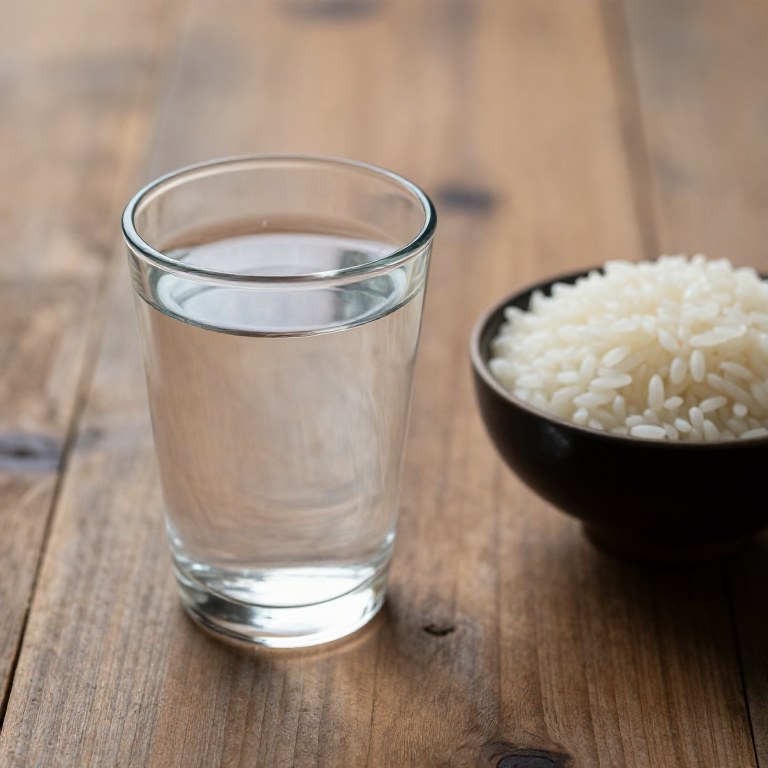

Arrack (Spirit of Rice): Rice Flour Gelatinised, Saccharified with Malt, Fermented and Distilled (Byrn, 1868)
Maagizo
Read Byrn, and the law
Read Byrn, and the law
The still
The still
His measures in metric
His measures in metric
Grind rice and malt fine
Grind rice and malt fine
Vifaa kwa hatua hii:
 Mchele mweupe1 as required
 Kimea chepesi1 as required
Zana zinazohitajika:
 Kinu cha nafaka
Rice and water, 77-80 F
Rice and water, 77-80 F
Vifaa kwa hatua hii:
 Maji1 as required
Zana zinazohitajika:
 Beseni la mbao
 Kijiko cha Mbao
 Kipimajoto cha kupikia
Steep the malt apart
Steep the malt apart
Vifaa kwa hatua hii:
Maji1 as requiredZana zinazohitajika:
 Sufuria KubwaKipimajoto cha kupikia
Thicken to 180 F
Thicken to 180 F
Vifaa kwa hatua hii:
Maji1 as requiredZana zinazohitajika:
Sufuria KubwaKijiko cha MbaoKipimajoto cha kupikiaMash in the malt
Mash in the malt
Zana zinazohitajika:
Beseni la mbaoKijiko cha MbaoThin and cool
Thin and cool
Vifaa kwa hatua hii:
Maji1 as requiredZana zinazohitajika:
 Kipima-uzito wa majimajiKipimajoto cha kupikia
Ferment as for corn
Ferment as for corn
Vifaa kwa hatua hii:
 Hamira ya bia1 as required
Zana zinazohitajika:
 Pipa la mbaoKipimajoto cha kupikia
Charge and lute the still
Charge and lute the still
Vifaa kwa hatua hii:
 Kaboneti ya kalsiamu (chaki nyeupe)1 as required
 Unga wa rai1 as requiredMaji1 as required
Zana zinazohitajika:
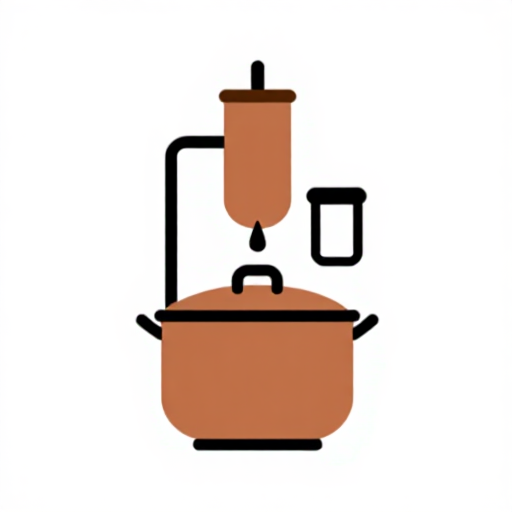 Kifaa cha kukenga
Raise the fire by degrees
Raise the fire by degrees
Zana zinazohitajika:
Kifaa cha kukenga Blanketi la sufu lililofumwa
Set aside the first runnings
Set aside the first runnings
Zana zinazohitajika:
 Mtungi wa kupimia
Run the low wines
Run the low wines
Zana zinazohitajika:
Kifaa cha kukenga MshumaaPipa la mbaoKipima-uzito wa majimaji
Double the low wines
Double the low wines
Zana zinazohitajika:
Kifaa cha kukengaCut at the bead
Cut at the bead
Zana zinazohitajika:
 Chupa ndogo ya kioo (kwa vielelezo)Mtungi wa kupimia
Collect the feints, stop the fire
Collect the feints, stop the fire
Zana zinazohitajika:
Pipa la mbaoMshumaaBring to proof
Bring to proof
Vifaa kwa hatua hii:
Maji1 as requiredZana zinazohitajika:
Kipima-uzito wa majimajiMtungi wa kupimiaRedistil the feints
Redistil the feints
Vifaa kwa hatua hii:
 Chumvi1.8 kg
Zana zinazohitajika:
Kifaa cha kukengaKeep it in glass
Keep it in glass
Vifaa kwa hatua hii:
 Chupa za kioo zenye vizibo1 kipande
Zana zinazohitajika:
Mtungi wa kupimiaTroubleshooting
Troubleshooting
Flow
History and honest limits
History and honest limits
Vifaa
8- 1 as requiredKishikilia Nafasi
- 1 as requiredKishikilia Nafasi
- 6 as requiredKishikilia Nafasi
- 1 as requiredKishikilia Nafasi
- 1 as requiredKishikilia Nafasi
- 1 as requiredKishikilia Nafasi
- 1.8 kgKishikilia Nafasi
- 1 kipandeKishikilia Nafasi
Zana Zinazohitajika
12- Kishikilia Nafasi
- Kishikilia Nafasi
- Kishikilia Nafasi
- Kishikilia Nafasi
- Kishikilia Nafasi
- Kishikilia Nafasi
- Kishikilia Nafasi
- Kishikilia Nafasi
- Kishikilia Nafasi
- Kishikilia Nafasi
- Kishikilia Nafasi
- Kishikilia Nafasi
Vifaa vya Michoro Iliyounganishwa


Mchoro huu unatengeneza
Blueprint zinazohusiana
Blueprint hizi zinashiriki maarifa — mbinu, vifaa au kanuni
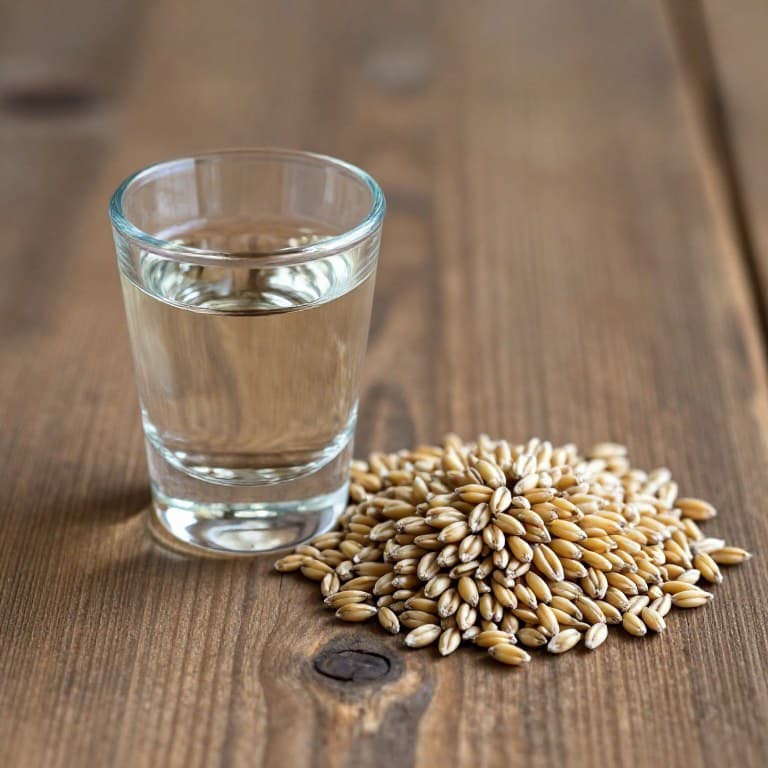
Malt Whisky: Malt and Barley Meal Mashed at 150 F, Fermented 8 to 12 Days and Distilled (Byrn, 1868)
na Alchometer
Vinywaji vya Pombe
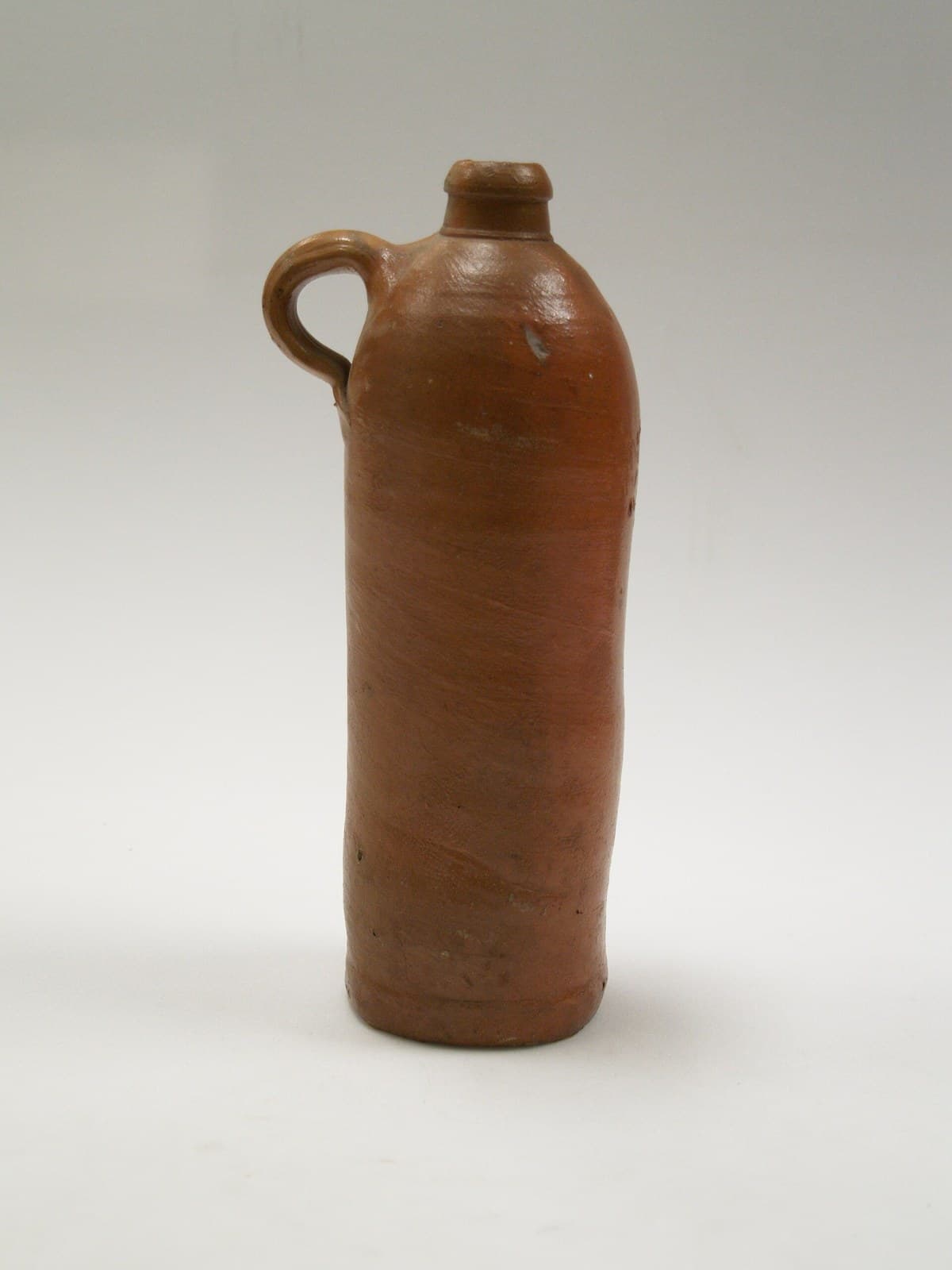
Dutch Geneva (Genever): Malt and Rye Mashed at 162 F, Distilled Three Times with Juniper and Hops (Byrn, 1868)
na Alchometer
Vinywaji vya Pombe
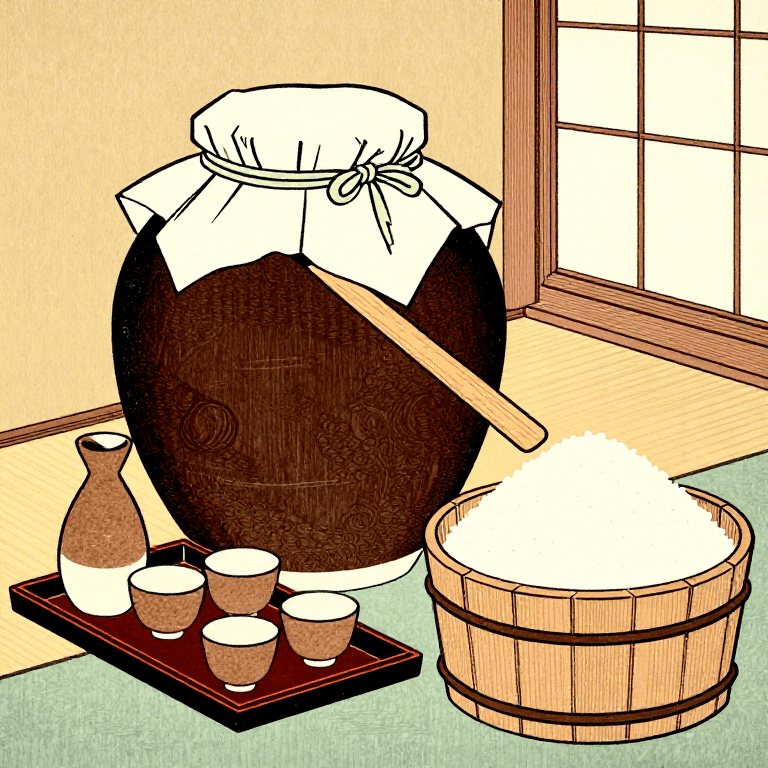
Brewing Sake Rice Wine — Parallel Fermentation with Koji
na Alchometer
Kutengeneza pombe
CC0 Umma Wote
Mchoro huu umetolewa chini ya CC0. Uko huru kunakili, kubadilisha, kusambaza, na kutumia kazi hii kwa madhumuni yoyote, bila kuomba ruhusa.
Saidia Mtengenezaji kwa kununua bidhaa kupitia Mchoro wao ambapo wanapata Kamisheni ya Mtengenezaji iliyowekwa na Wachuuzi, au unda marudio mapya ya Mchoro huu na uiunganishe kama kiungo katika Mchoro wako kuchangia mapato.