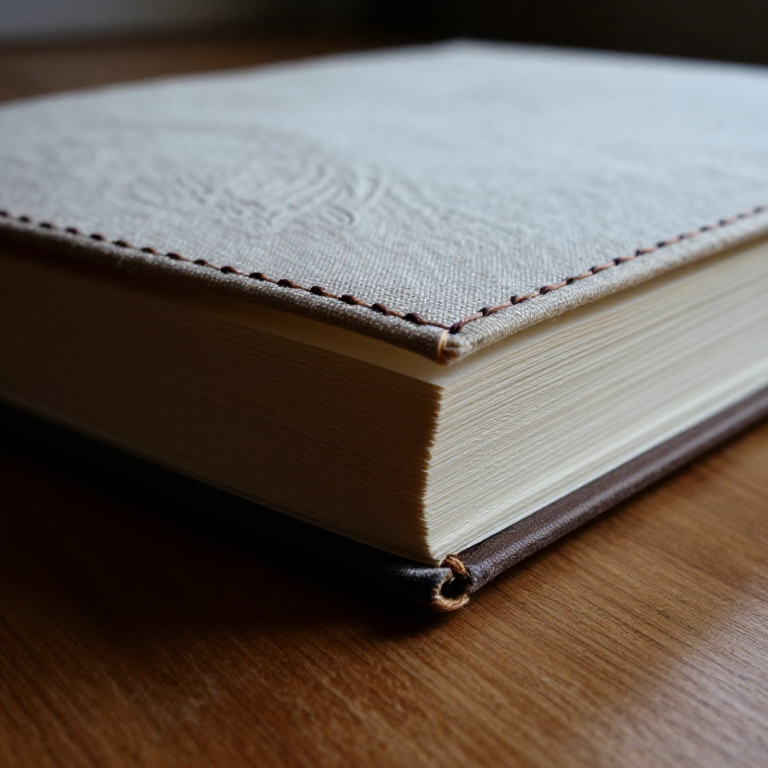


Binding a Coptic Stitch Journal — Exposed-Spine Chain Stitch Bookbinding
The Coptic stitch is the oldest form of book binding that uses a structure recognisable as a modern book — separate sections (signatures) of folded pages, sewn together through their spines. Developed by early Christians in Egypt around the 2nd-4th century CE, it requires no glue and no cover spine, leaving the stitching fully exposed as a decorative element. The chain stitch links each signature to the next and to the cover boards, creating a book that opens completely flat. This blueprint covers the basic two-needle Coptic link stitch — the foundation of all exposed-spine binding.
Maagizo
Cut and fold the signatures
Cut and fold the signatures
Prepare the cover boards
Prepare the cover boards
Vifaa kwa hatua hii:
 Ubao wa jalada la kitabu2 vipande
Mark the sewing stations
Mark the sewing stations
Punch the sewing holes
Punch the sewing holes
Zana zinazohitajika:
 Uma wa kutoboa (ushindilio)
Cut and wax the thread
Cut and wax the thread
Vifaa kwa hatua hii:
 Uzi wa kitani wenye nta3 mita
Zana zinazohitajika:
 Sindano ya kushona
Attach the first signature to the back cover
Attach the first signature to the back cover
Add the second signature with chain stitch
Add the second signature with chain stitch
Continue adding signatures
Continue adding signatures
Attach the front cover board
Attach the front cover board
Tie off the thread
Tie off the thread
Cover the boards (optional)
Cover the boards (optional)
Press and finish
Press and finish
Vifaa
2- 2 vipandeKishikilia Nafasi
- 3 mitaKishikilia Nafasi
Zana Zinazohitajika
2- Kishikilia Nafasi
- Kishikilia Nafasi
Vifaa vya Michoro Iliyounganishwa


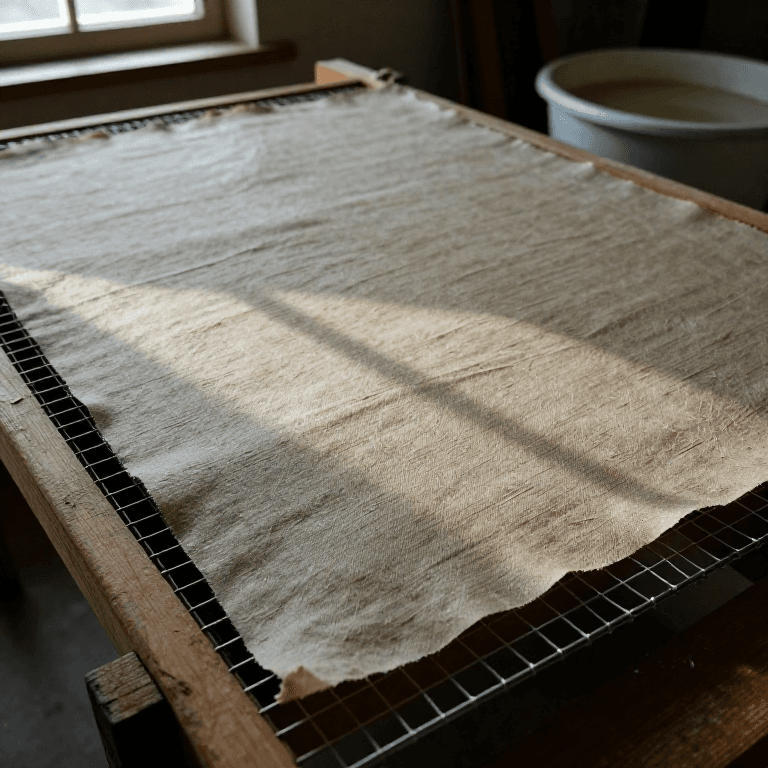
Mchoro huu unatengeneza




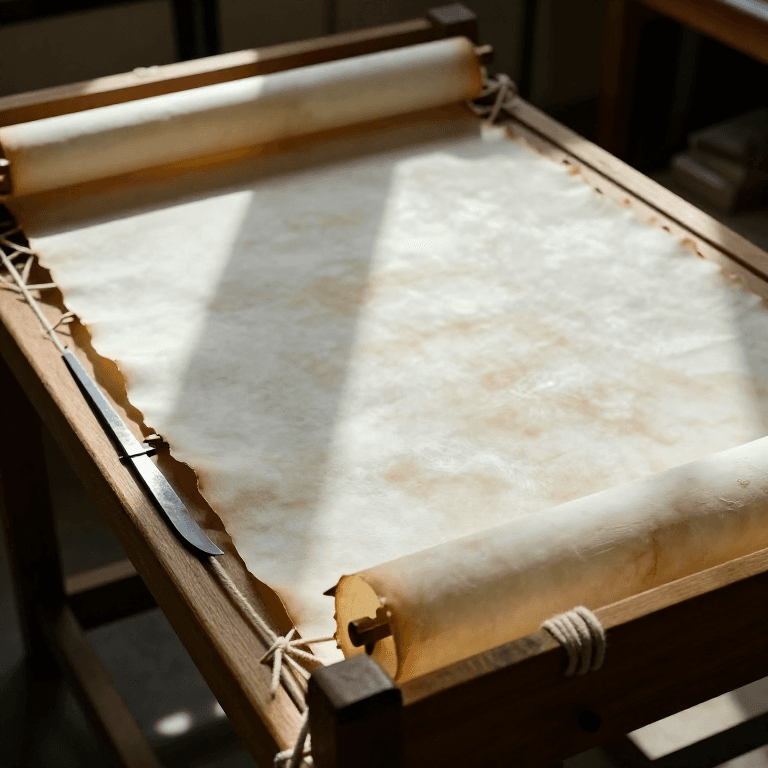
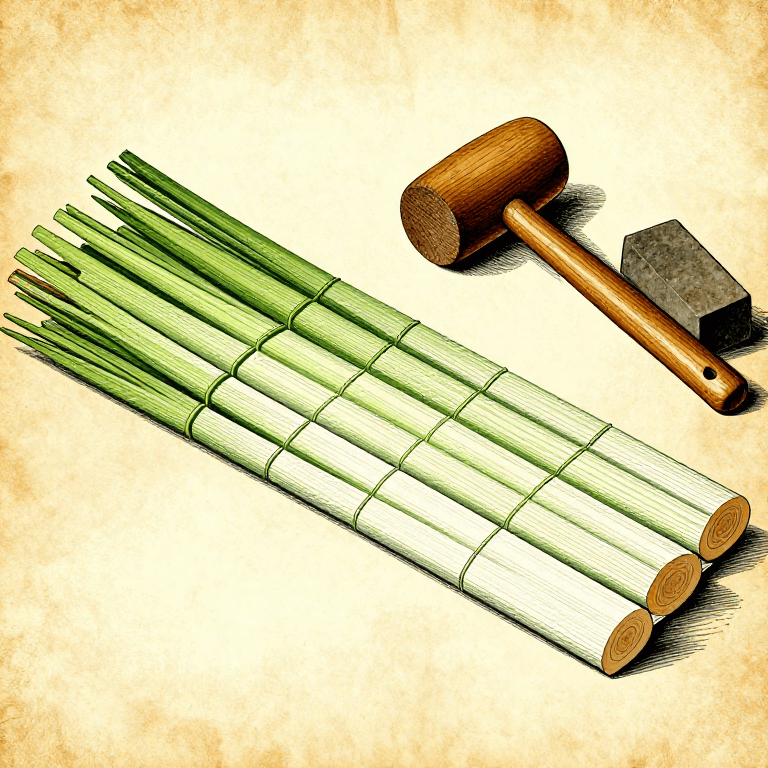
Blueprint zinazohusiana
Blueprint hizi zinashiriki maarifa — mbinu, vifaa au kanuni

CC0 Umma Wote
Mchoro huu umetolewa chini ya CC0. Uko huru kunakili, kubadilisha, kusambaza, na kutumia kazi hii kwa madhumuni yoyote, bila kuomba ruhusa.
Saidia Mtengenezaji kwa kununua bidhaa kupitia Mchoro wao ambapo wanapata Kamisheni ya Mtengenezaji iliyowekwa na Wachuuzi, au unda marudio mapya ya Mchoro huu na uiunganishe kama kiungo katika Mchoro wako kuchangia mapato.