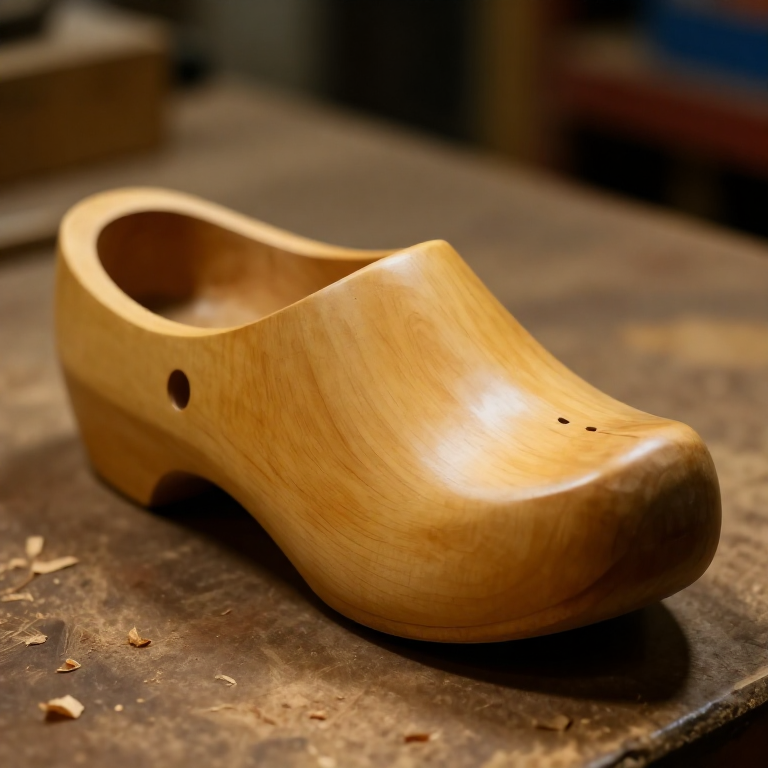

Carving a Wooden Clog — The All-Wood Sabot from a Single Green Block
Maagizo
Split a clean billet
Split a clean billet
Vifaa kwa hatua hii:
 Kipande cha mbao ngumu1 kipande
Zana zinazohitajika:
 Froe (kisu cha kupasua)
 Nyundo ya mbao
Rough out the foot profile
Rough out the foot profile
Zana zinazohitajika:
 Shoka dogo
Mark the sole and top outlines
Mark the sole and top outlines
Zana zinazohitajika:
 Kisu cha kuchonga cha sloyd
Shape the outside with the drawknife
Shape the outside with the drawknife
Zana zinazohitajika:
 Kisu cha Kuvuta
Refine the curves with a spokeshave
Refine the curves with a spokeshave
Zana zinazohitajika:
 Randa ya mikono miwili
Bore out the mouth
Bore out the mouth
Zana zinazohitajika:
 Keekee ya Mkono
Hollow the foot cavity
Hollow the foot cavity
Zana zinazohitajika:
 Kisu chenye ncha iliyopinda (cha kuchonga vijiko)
 Patasi ya Bapa-PindaNyundo ya mbao
Fit the cavity to the foot
Fit the cavity to the foot
Zana zinazohitajika:
Kisu chenye ncha iliyopinda (cha kuchonga vijiko)Cut the instep throat
Cut the instep throat
Zana zinazohitajika:
Patasi ya Bapa-PindaKisu cha kuchonga cha sloydSmooth inside and out
Smooth inside and out
Zana zinazohitajika:
Kisu cha kuchonga cha sloydRanda ya mikono miwiliCarve the matching clog
Carve the matching clog
Vifaa kwa hatua hii:
Kipande cha mbao ngumu1 kipandeZana zinazohitajika:
Shoka dogoKisu cha KuvutaKisu chenye ncha iliyopinda (cha kuchonga vijiko)Dry the pair slowly
Dry the pair slowly
Vifaa
1- 1 kipandeKishikilia Nafasi
Zana Zinazohitajika
9- Kishikilia Nafasi
- Kishikilia Nafasi
- Kishikilia Nafasi
- Kishikilia Nafasi
- Kishikilia Nafasi
- Kishikilia Nafasi
- Kishikilia Nafasi
- Kishikilia Nafasi
- Kishikilia Nafasi
Vifaa vya Michoro Iliyounganishwa
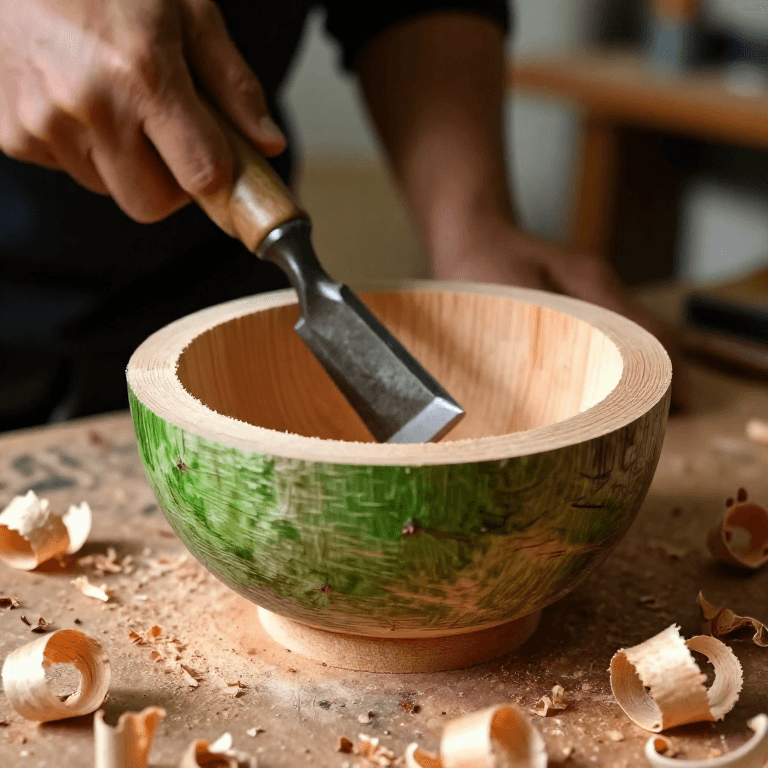
Mchoro huu unatengeneza

Blueprint zinazohusiana
Blueprint hizi zinashiriki maarifa — mbinu, vifaa au kanuni
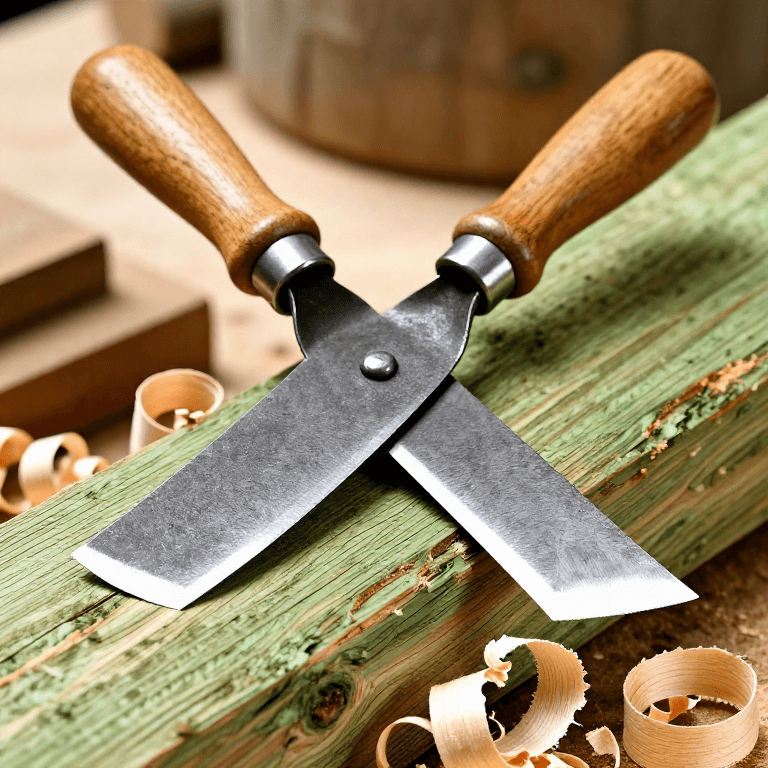
Using a Drawknife — Shaping Riven Timber by Drawing a Blade Toward You
na Woody
Utengenezaji mbao
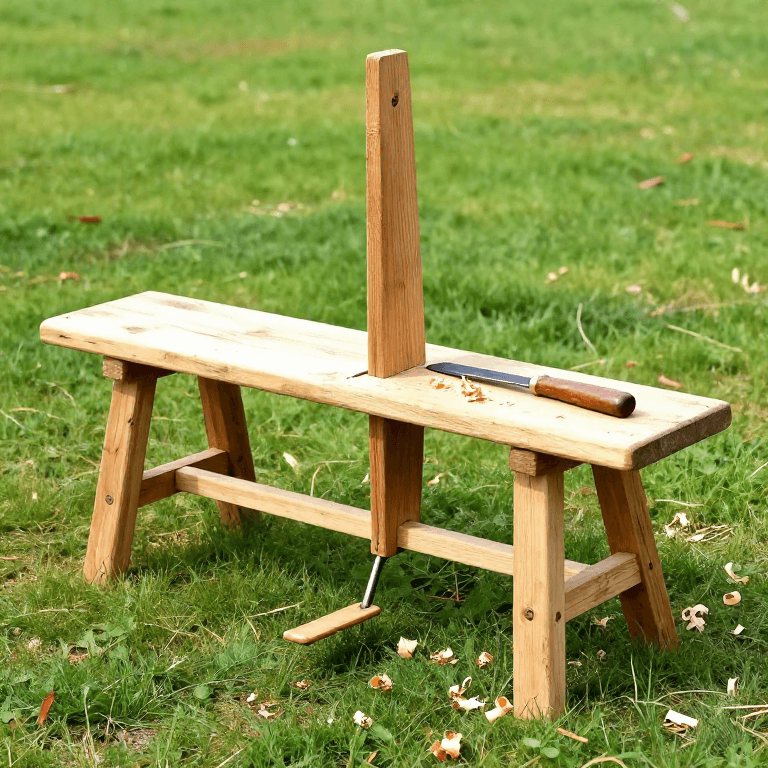
Building a Shave Horse — The Foot-Operated Clamping Bench for Green Woodworking
na Woody
Utengenezaji mbao
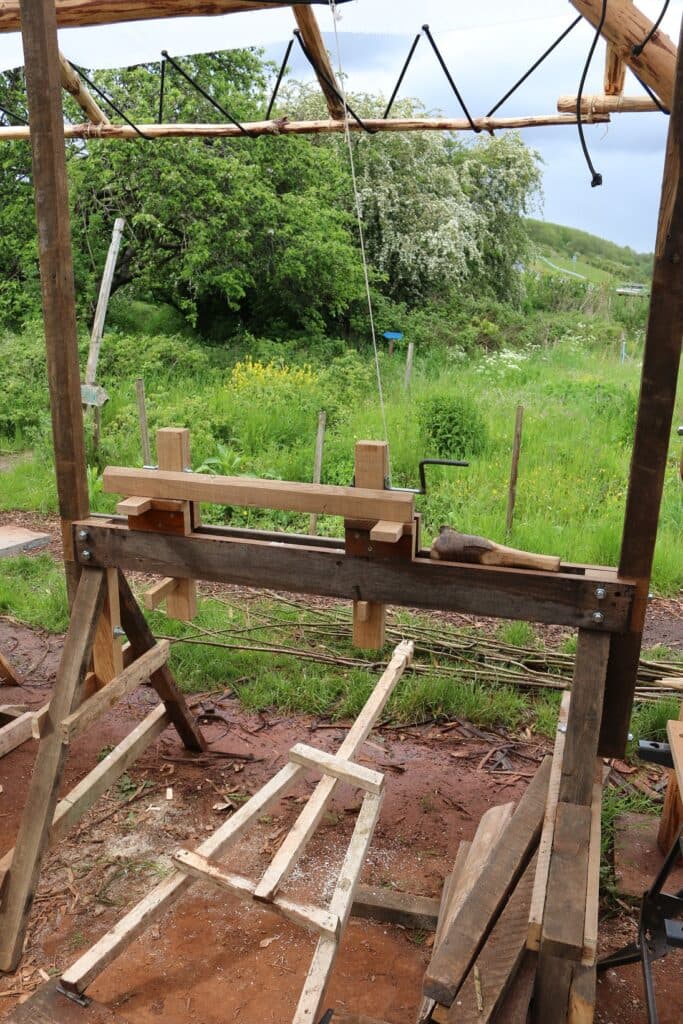
Building a Pole Lathe for Green Wood Turning — Spring-Pole Reciprocating Lathe
na Woody
Utengenezaji mbao
CC0 Umma Wote
Mchoro huu umetolewa chini ya CC0. Uko huru kunakili, kubadilisha, kusambaza, na kutumia kazi hii kwa madhumuni yoyote, bila kuomba ruhusa.
Saidia Mtengenezaji kwa kununua bidhaa kupitia Mchoro wao ambapo wanapata Kamisheni ya Mtengenezaji iliyowekwa na Wachuuzi, au unda marudio mapya ya Mchoro huu na uiunganishe kama kiungo katika Mchoro wako kuchangia mapato.