
Ushirikiano
SANAA
UREMBO NA USTAWI
UJANJA
UTAMADUNI NA HISTORIA
BURUDANI
MAZINGIRA
CHAKULA NA VINYWAJI
UHANDISI WA KINYUME
SAYANSI
MICHEZO
TEKNOLOJIA
VAZI
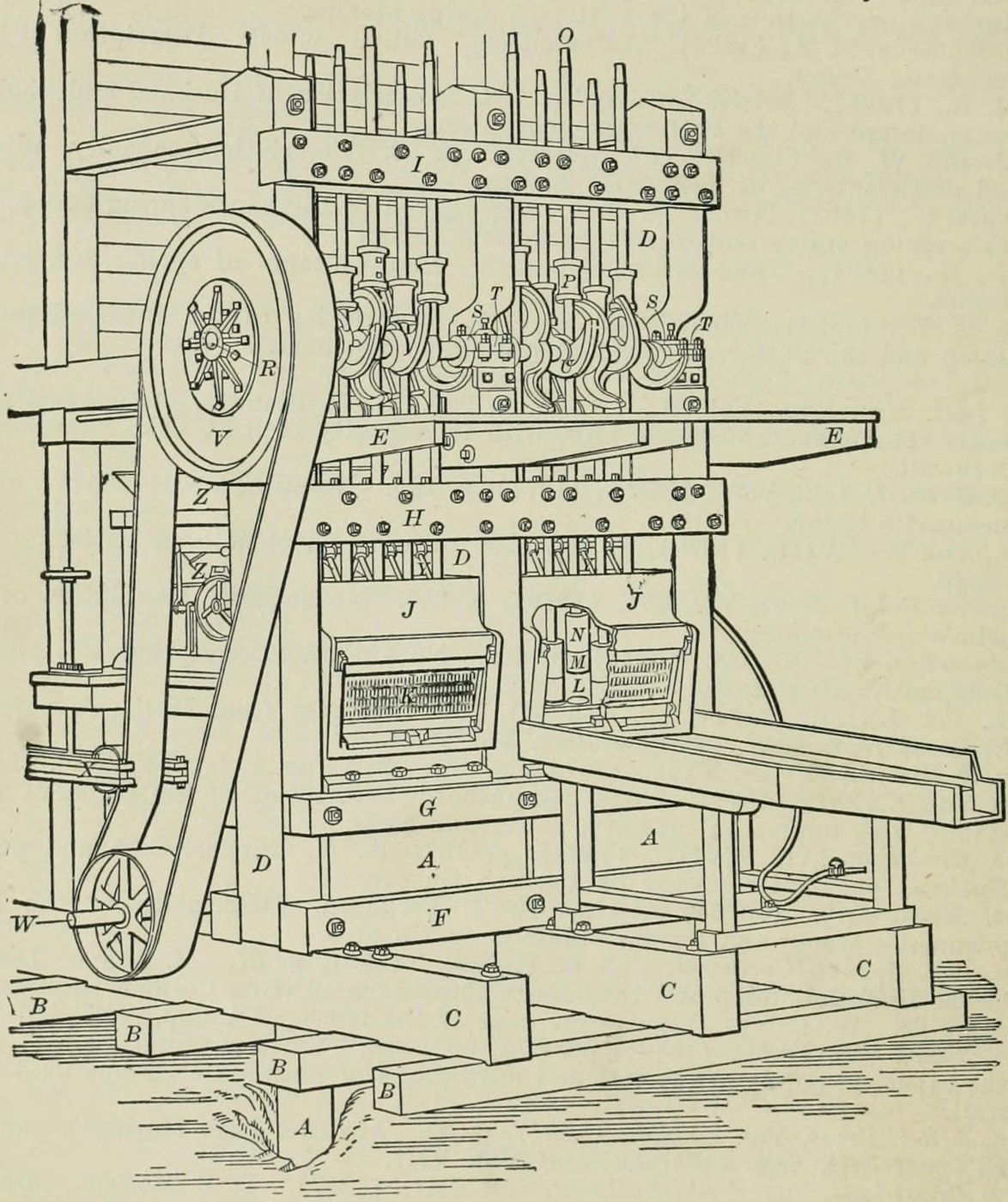
Stamp Mill: California Five-Stamp Battery (Richards, Ore Dressing 1903)
Forge

Imeundwa na

Forge

3. Novemba 2026NO
9
0
0
0
0

Stamp Mill: California Five-Stamp Battery (Richards, Ore Dressing 1903)

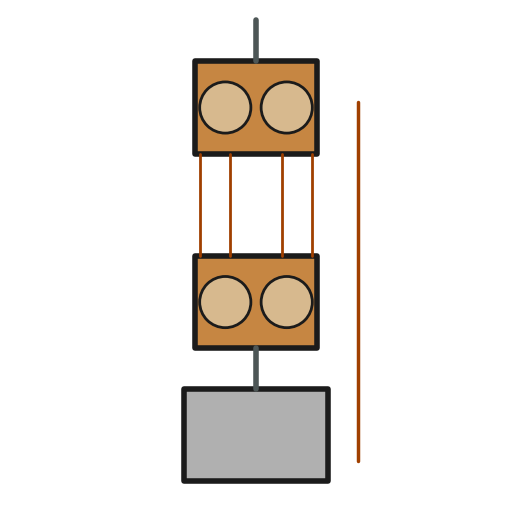
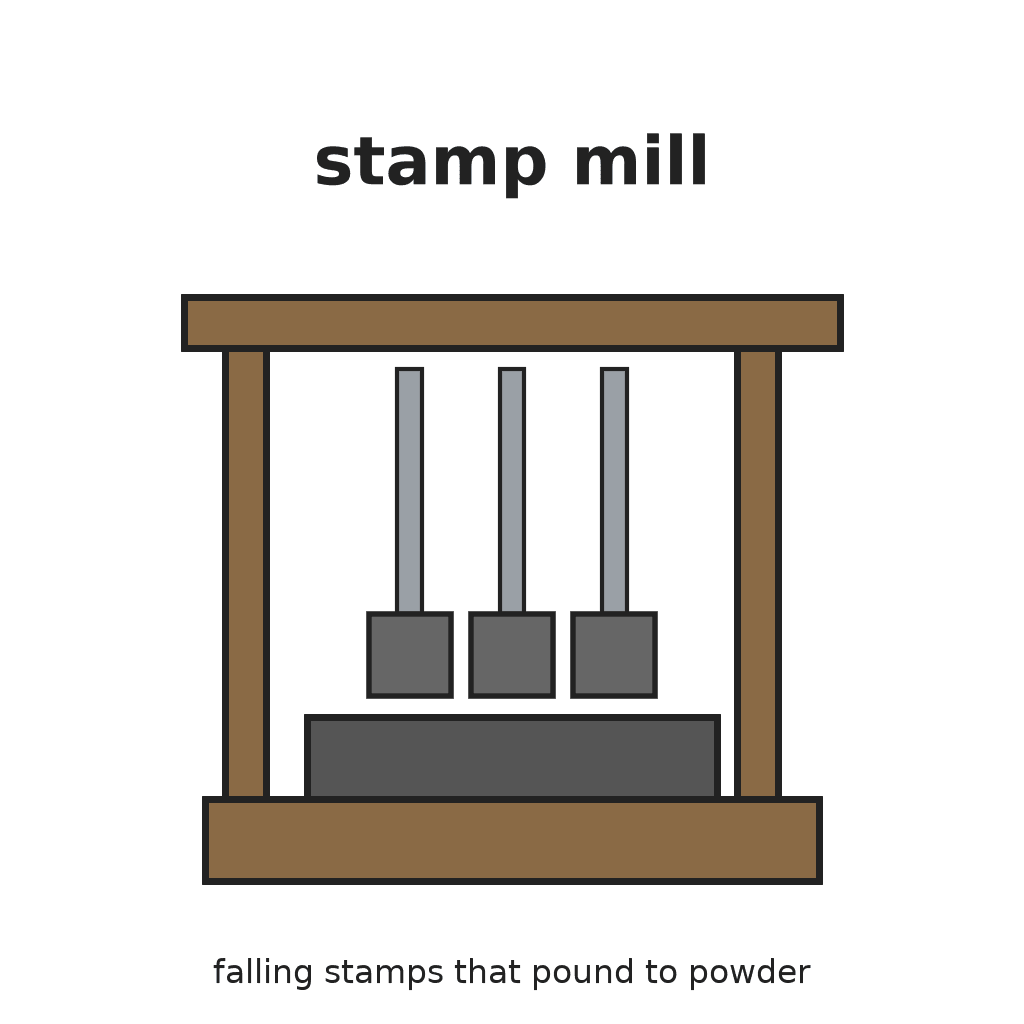
The gravity stamp mill: five heavy iron stamps stand in a cast-iron mortar on a timber block. Cams on a turning shaft lift each stamp by its tappet and let it fall by its own weight onto the ore on a die. Water washes the crushed ore out through a screen. Result: a stamp battery that pounds ore to sand, at 80 to 110 drops a minute. Source: R. H. Richards, Ore Dressing, vol. I (1903), Chapter V, Gravity Stamps. Unknown: one complete set of sizes; Richards gives the range found in the mills. Picture: Fig. 90 of the book.
Juu
Unknown

Maagizo

1

Dig and level the foundation

Dig a trench in gravel, or blast one in rock, about 2 feet longer than the mortar block at each end and about 2 feet wider at each side. Level the bottom with tamped concrete, sand or clay. Concrete should be at least 30 inches thick, or it may crumble. Two layers of 2-inch plank spiked together may go on top.

Vifaa kwa hatua hii:

ZegeZege1 levelling layer
Ubao wa mbaoUbao wa mbao1 two layers of 2-inch plank

Zana zinazohitajika:

SepetuSepetu
NyundoNyundo
2

Stand the mortar block

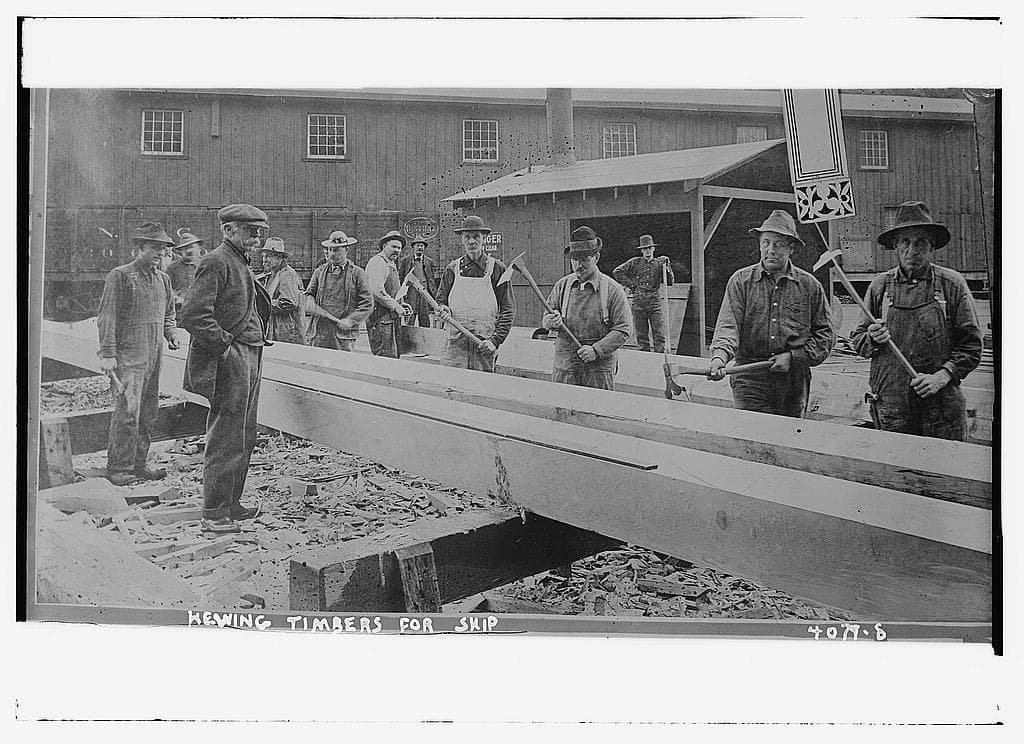
Stand timbers or planks on end in the trench as the mortar block, sized for one five-stamp mortar. The mills used everything from 30 x 30 inch squared timbers to 2 x 12 inch planks bolted together. Set vertical bolts 3 to 4 feet long into the block to hold the mortar down. Not given: the bolts' metal.

Vifaa kwa hatua hii:

Mbao zilizochongwa mrabaMbao zilizochongwa mraba1 mortar block
Metali isiyojulikanaMetali isiyojulikana1 hold-down bolts

Zana zinazohitajika:

Seti ya spanaSeti ya spana
Vipimo visivyojulikanaVipimo visivyojulikana
3

Build the frame

On mud sills and cross sills, stand the posts (end posts 12 x 24 inches in most mills) with buckstaves, a platform, and lower and upper guide timbers. The guides keep the stamp stems vertical. Fit finger bars on a jack shaft between the posts, so each stamp can be propped up under its tappet. The frame carries the cam shaft and the drive.

Vifaa kwa hatua hii:

Mbao zilizochongwa mrabaMbao zilizochongwa mraba1 sills, posts, guide timbers, platform
Metali isiyojulikanaMetali isiyojulikana1 bolts and jack shaft

Zana zinazohitajika:

Seti ya spanaSeti ya spana
Vipimo visivyojulikanaVipimo visivyojulikana
4

Set the mortar, dies and screen

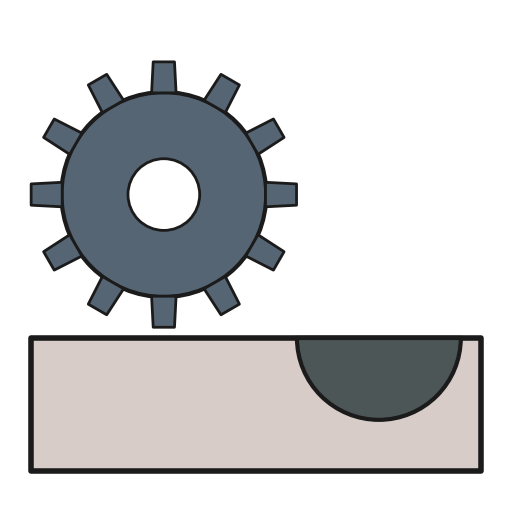
Bed the cast-iron mortar on tarred blankets or sheet rubber on the mortar block, for an even bearing, and bolt it down. Put the dies in its bottom: cylinders on square foot plates that fill the floor of the mortar. Mount a screen of punched Russia sheet iron in a wooden frame over the opening in front.

Vifaa kwa hatua hii:

Vitu vya chuma cha kusubuVitu vya chuma cha kusubu1 mortar and five dies

Bati la mpira asiliaBati la mpira asilia1 packing
Bati la chuma la KirusiBati la chuma la Kirusi1 screen

Zana zinazohitajika:

Seti ya spanaSeti ya spana
5

Make the five stamps

Each stamp has four parts. The shoe is chilled cast iron, its butt cast in heavy chills and its shank in sand. The boss is tough cast iron, the shoe's diameter and often 18 inches long, with sockets for the shoe shank and the stem and two keyways for knock-out wedges. The stem is solid wrought iron or mild steel, turned true and tapered at both ends so it can be reversed. The tappet is cast iron, with a flange above and below, locked on the stem by a gib and keys. Put the extra weight in the boss. Louis designs for 11 to 14 pounds of stamp per square inch of die; the mills used stamps of 650 to 1,100 pounds.

Vifaa kwa hatua hii:

Vitu vya chuma cha kusubuVitu vya chuma cha kusubu1 shoes, bosses, tappets
Ufito wa chuma kilichofuliwaUfito wa chuma kilichofuliwa1 stems, gibs, keys

Zana zinazohitajika:
Kereza ya ChumaKereza ya Chuma
Vipimo visivyojulikanaVipimo visivyojulikana
6

Fit the cam shaft and drive

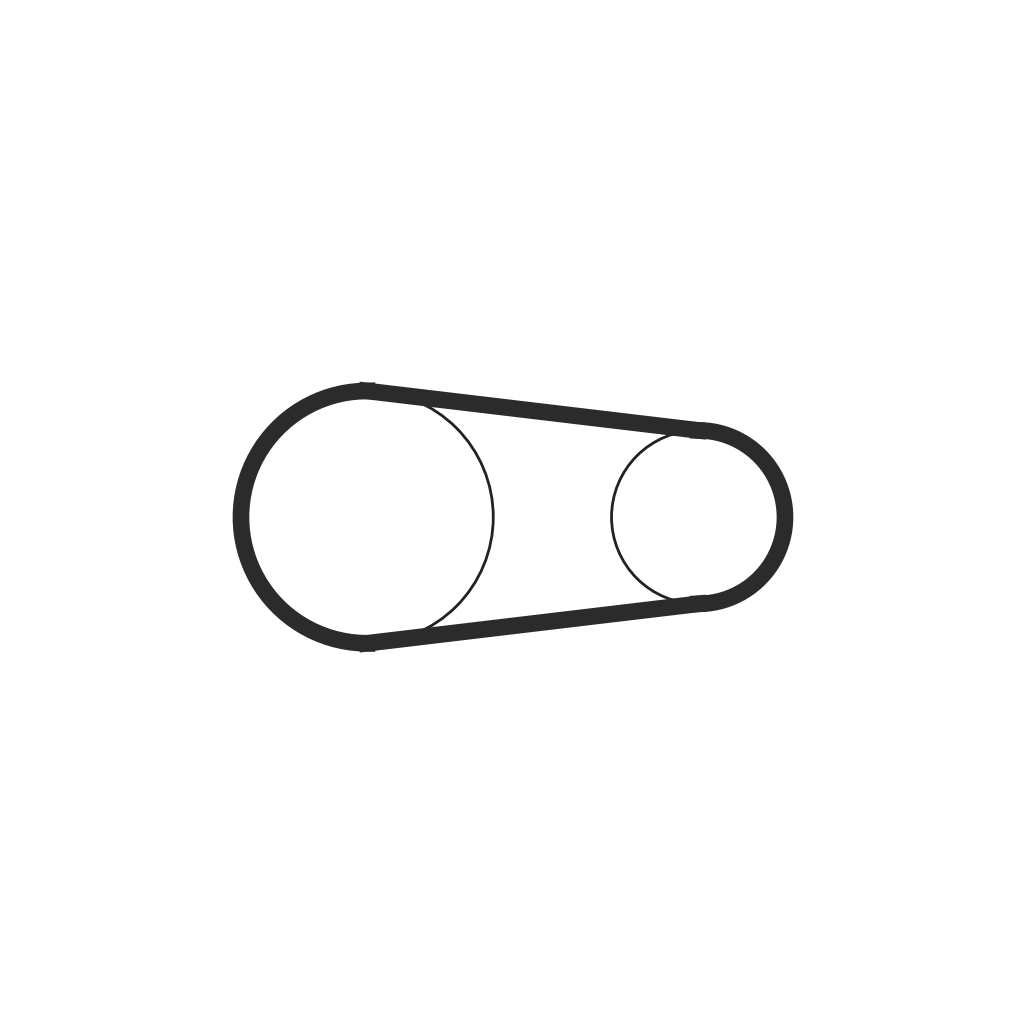
Turn a wrought-iron or steel cam shaft true, with a key seat, and key on five cams. Each cam usually has two arms with spiral lifting faces, cast iron with chilled faces or cast steel. Drive the shaft by a rubber belt from the main shaft, over a pulley of wood built on a cast-iron hub and flanges, with a tightener. Not given: the engine or wheel that turns the main shaft.

Vifaa kwa hatua hii:

Ufito wa chuma kilichofuliwaUfito wa chuma kilichofuliwa1 cam shaft
Vitu vya chuma cha kusubuVitu vya chuma cha kusubu1 cams, pulley hub and flanges
Ubao wa mbaoUbao wa mbao1 pulley rim
Mkanda wa kuendeshaMkanda wa kuendesha1 rubber belt

Zana zinazohitajika:

Kereza ya ChumaKereza ya Chuma
Seti ya spanaSeti ya spana
7

Add the water and the feed

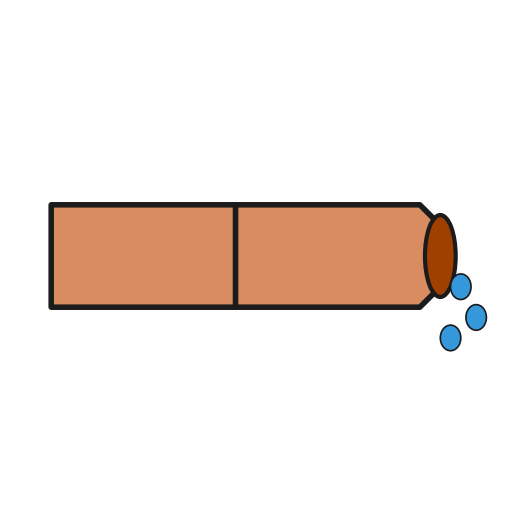
Run one or two 1-inch water pipes into the back of the mortar, each with a plug cock that stays where it is set. Feed ore from the bin by a chute to an automatic feeder. One stamp trips the feeder when the ore layer on its die gets too thin, and a hand screw adjusts the point where it trips. Ore can also be fed by hand with a shovel.

Vifaa kwa hatua hii:

Bomba la MajiBomba la Maji1 water pipes
Vali isiyojulikanaVali isiyojulikana1 plug cocks
Metali isiyojulikanaMetali isiyojulikana1 feeder and chute

Zana zinazohitajika:

Seti ya spanaSeti ya spana
SepetuSepetu
8

Set up each stamp

Lay a 3-inch plank on the dies and set the bosses on it. Lower the stems into them and tap each stem down with a hammer, a board guarding its top, then drop it a few times at a very low drop. Hoist the stamp, put the shoe in place with wooden staves around its shank, and drop it on the plank to drive the shoe home; the staves swell when wet and hold it. Swap the plank for a block as high as the drop. Slip the tappet on, turn the cam until the tappet rests on its point, drive the keys home and drop the stamp gently a few times.

Vifaa kwa hatua hii:

Vibanzi vya mbaoVibanzi vya mbao1 staves

Zana zinazohitajika:

Ubao wa mbaoUbao wa mbao
NyundoNyundo
Kapi na kamba za kuinuaKapi na kamba za kuinua
9

Run the battery

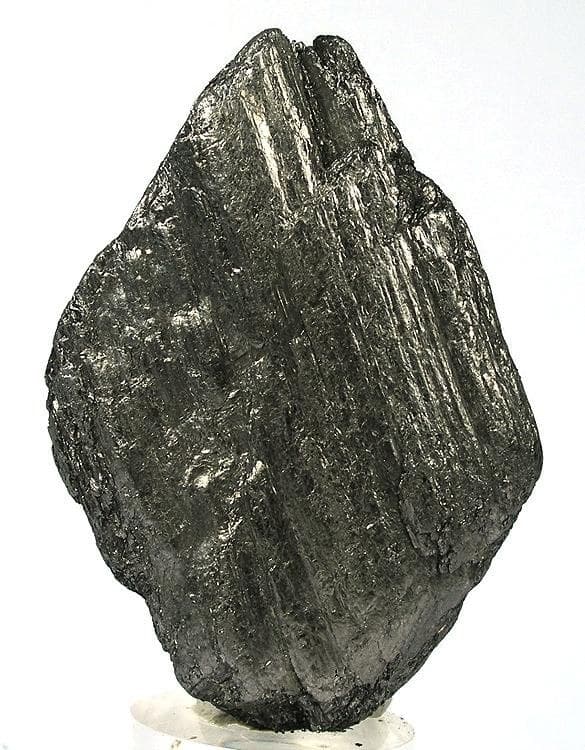
Drop the stamps in order 1, 3, 5, 2, 4 (numbered from the left, standing behind the battery), so no two neighbours fall one after the other. The California practice is 80 to 110 drops a minute with a 5 to 9 inch drop. The cams turn the stamps as they lift, which evens out wear on shoes and dies. Lubricate the cams; soft soap with graphite is best. As shoes and dies wear, reset the tappets to restore the drop, and keep the height of discharge, from die to screen, the same.

Zana zinazohitajika:

Unga wa GrafitiUnga wa Grafiti
Nyenzo isiyojulikanaNyenzo isiyojulikana
Seti ya spanaSeti ya spana

Vifaa

12

Zana Zinazohitajika

10

CC0 Umma Wote

Mchoro huu umetolewa chini ya CC0. Uko huru kunakili, kubadilisha, kusambaza, na kutumia kazi hii kwa madhumuni yoyote, bila kuomba ruhusa.

Saidia Mtengenezaji kwa kununua bidhaa kupitia Mchoro wao ambapo wanapata Kamisheni ya Mtengenezaji iliyowekwa na Wachuuzi, au unda marudio mapya ya Mchoro huu na uiunganishe kama kiungo katika Mchoro wako kuchangia mapato.

Majadiliano

(0)

Ingia kujiunga na majadiliano

Inapakia maoni...