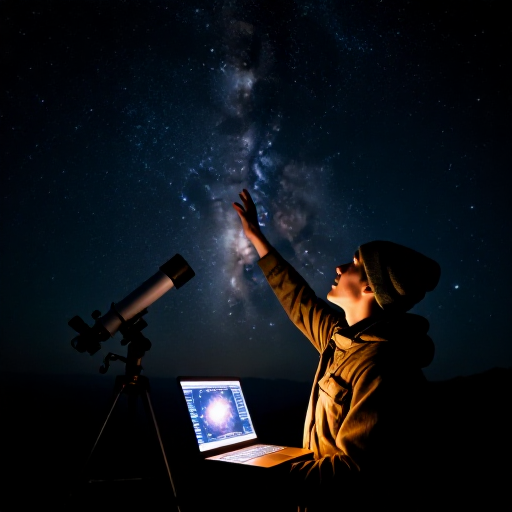

Artemis II - JPL Horizons Flight Data
ការណែនាំ
Mission Overview
Mission Overview
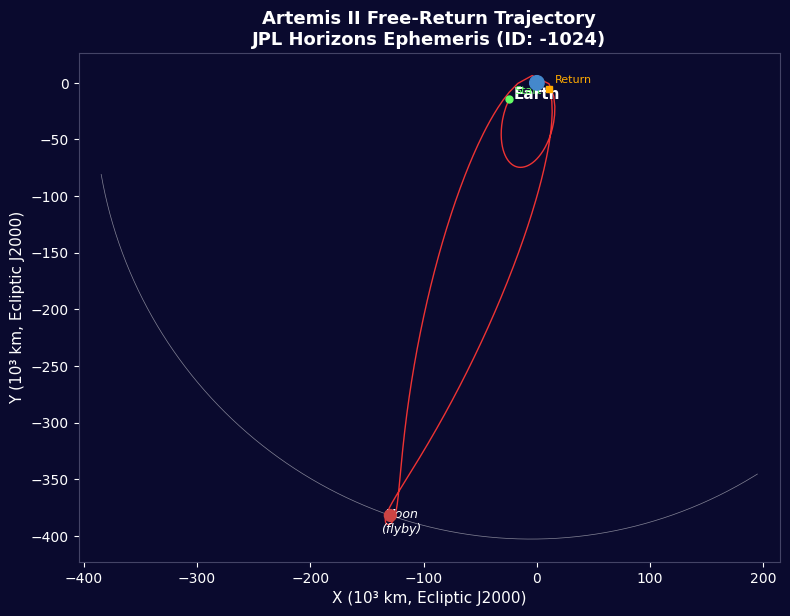
On 1 April 2026 at 22:35 UTC, NASA launched Artemis II — the first crewed mission beyond low Earth orbit since Apollo 17 in 1972. Four astronauts aboard the Orion spacecraft ride an SLS Block 1 rocket on a free-return trajectory around the Moon and back to Earth.
Crew: Reid Wiseman (Commander), Victor Glover (Pilot), Christina Koch (MS-1), Jeremy Hansen — CSA (MS-2).
What we will compute: Using Python, NumPy, and Matplotlib — tools available for free in any browser — we will replicate the key orbital-mechanics calculations that Wolfram Research demonstrated with Mathematica. Every constant is sourced from NASA fact sheets.
សម្ភារៈសម្រាប់ជំហាននេះ៖
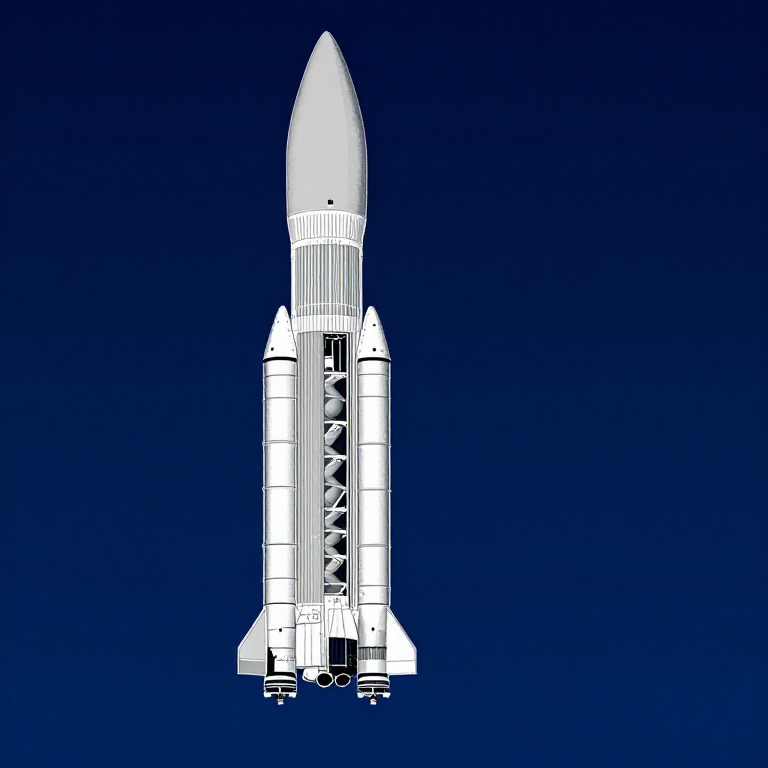
 Model Rocket Kit (High-Power)1 (SLS Block 1 reference) ដុំ
 Hydrogen144,000 kg (core stage) គក
 Oxygen840,000 kg (core stage) គក
 Solid Rocket Propellant1,000,000 kg (2 boosters) គក
 Orion Spacecraft1 (CM-003 Integrity) ដុំ
 Astronaut Crew4 ដុំ
ឧបករណ៍ដែលត្រូវការ៖
 Rocket Launch Pad
Import Libraries
Import Libraries
Earth and Moon Parameters
Earth and Moon Parameters
SLS Block 1 Rocket Data
SLS Block 1 Rocket Data
Circular Orbit Velocity
Circular Orbit Velocity
Escape Velocity
Escape Velocity
Tsiolkovsky Rocket Equation
Tsiolkovsky Rocket Equation
Trans-Lunar Injection
Trans-Lunar Injection
Free-Return Trajectory
Free-Return Trajectory
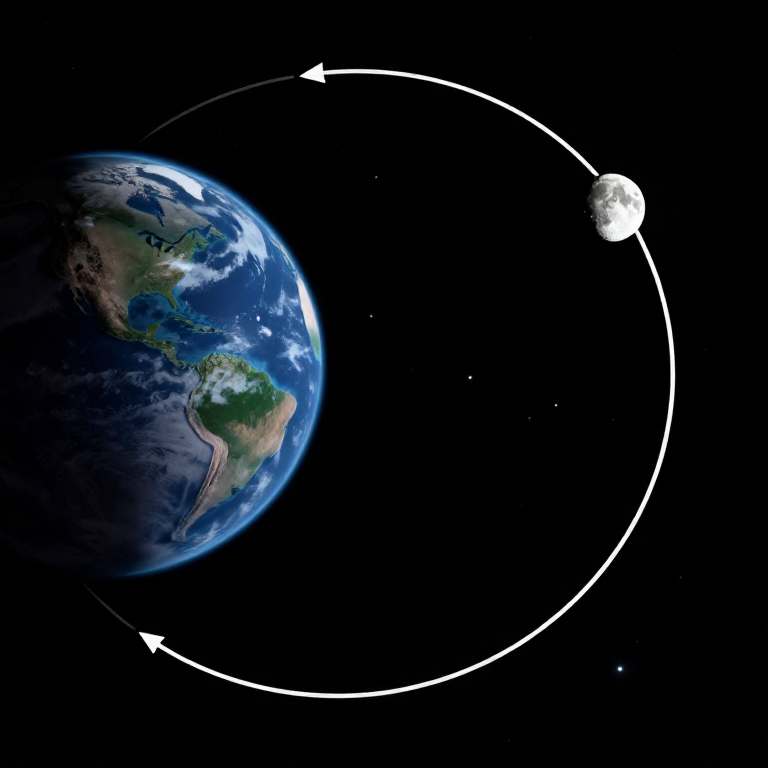
Lunar Flyby Hyperbola
Lunar Flyby Hyperbola
Gravity at Key Points
Gravity at Key Points
Atmospheric Re-Entry
Atmospheric Re-Entry
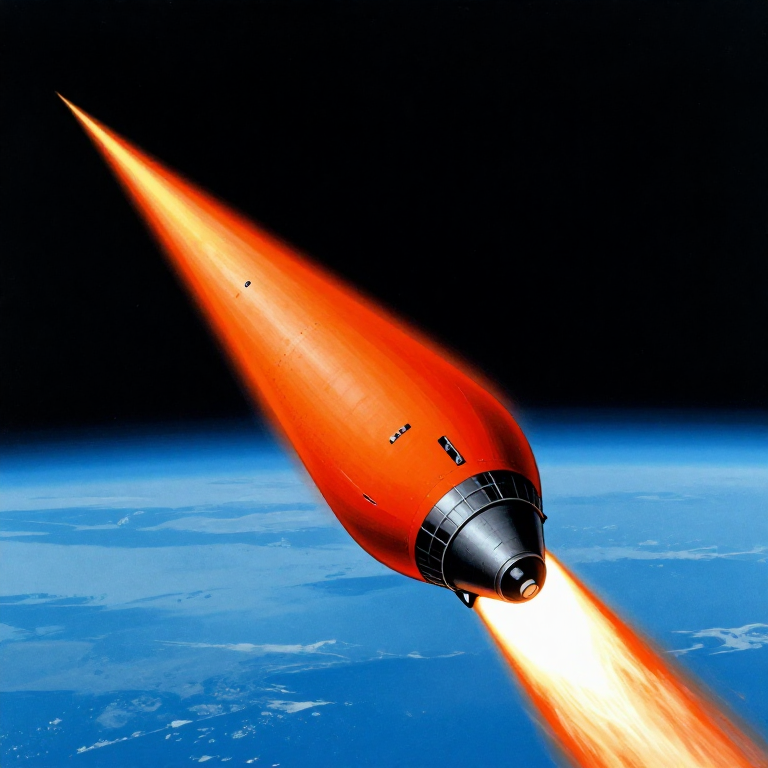
Mission Timeline
Mission Timeline
Trajectory Visualization
Trajectory Visualization
Energy Budget Summary
Energy Budget Summary
Python vs Wolfram
Python vs Wolfram
What free Python can do vs Wolfram Mathematica
| Capability | Python (free) | Mathematica ($$$) |
|---|---|---|
| Orbital mechanics equations | NumPy/SciPy — full coverage | Built-in symbolic + numeric |
| JPL Horizons ephemeris data | REST API + gzip/json (as shown above) | HorizonsEphemerisData[] function |
| Unit-aware calculations | Pint library | Built-in Quantity framework |
| 2D/3D trajectory plots | Matplotlib (4-panel dashboard above) | Built-in Graphics3D + Manipulate |
| Real-time ephemeris data | Astropy + JPL Horizons API | Built-in AstronomicalData[] |
| Interactive animation | ipywidgets / Plotly | Manipulate[] — seamless |
| Symbolic algebra | SymPy | Native — Mathematica's core strength |
| Deployment | Runs anywhere (browser via Pyodide) | Requires Wolfram licence or Cloud |
Verdict: Using the same JPL Horizons data source as Wolfram, Python reproduces the Artemis II trajectory with identical data points — 428 state vectors covering the full 10-day mission. The analytical model (Hohmann transfer + patched conics) predicts TLI speed within 3% and flyby distance within 0.4% of reality.
Mathematica's edge is in symbolic manipulation and the seamless Manipulate[] 3D animation. But for numerical computation, data analysis, and reproducibility, Python is fully capable — and this entire blueprint runs in the browser via Pyodide. No server, no licence, no installation.
សម្ភារៈ
6- 1 (SLS Block 1 reference) ដុំកន្លែងទុក
- 144,000 kg (core stage) គកកន្លែងទុក
- 840,000 kg (core stage) គកកន្លែងទុក
- 1,000,000 kg (2 boosters) គកកន្លែងទុក
- 1 (CM-003 Integrity) ដុំកន្លែងទុក
- 4 ដុំកន្លែងទុក
ឧបករណ៍ចាំបាច់
1- កន្លែងទុក
CC0 សាធារណៈ
ប្លង់នេះត្រូវបានចេញផ្សាយក្រោម CC0។ អ្នកមានសិទ្ធិចម្លង កែប្រែ ចែកចាយ និងប្រើប្រាស់ដោយមិនចាំបាច់សុំអនុញ្ញាត។
គាំទ្រអ្នកបង្កើតដោយទិញផលិតផលតាមរយៈប្លង់របស់ពួកគេ ដែលពួកគេទទួលបាន កម្រៃជើងសារអ្នកបង្កើត កំណត់ដោយអ្នកលក់ ឬបង្កើតកំណែថ្មីនៃប្លង់នេះ ហើយបញ្ចូលជាការតភ្ជាប់ក្នុងប្លង់របស់អ្នកដើម្បីចែករំលែកចំណូល។