សិល្បៈ
សម្រស់ និង សុខុមាលភាព
សិប្បកម្ម
វប្បធម៌ និង ប្រវត្តិសាស្ត្រ
ការកម្សាន្ត
បរិស្ថាន
ម្ហូប និង ភេសជ្ជៈ
វិស្វកម្មបញ្ច្រាស
វិទ្យាសាស្ត្រ
កីឡា
បច្ចេកវិទ្យា
ប្រដាប់ដែលស្លៀក
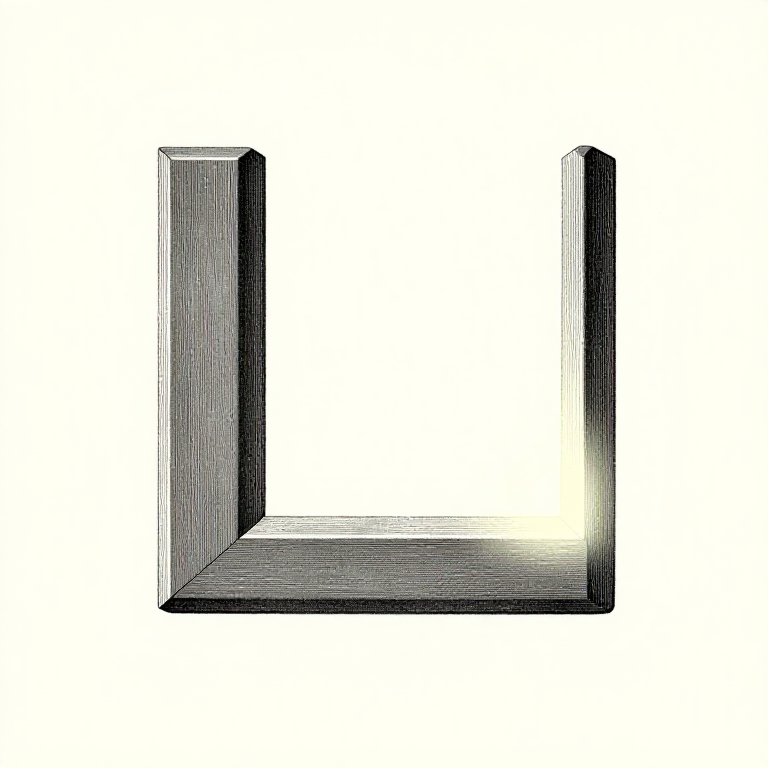


Bending: Where the Curve Starts Is a Decision
Bending looks like the easiest operation and produces the most disappointing results, because the bend happens wherever the metal is hottest and thinnest — not where you intended.
So bending is really a heating problem. Control where the heat is and the bend goes there; heat the whole bar and it bends in a long lazy arc wherever it happens to be weakest.
The second decision is the RADIUS, and that is what the anvil's horn is for: a continuously variable former from a tight curl at the tip to a gentle sweep at the base.
មធ្យម
3 hours
ការណែនាំ
1
1
Heat a short band exactly where the bend goes
Heat a short band exactly where the bend goes
Bring a narrow band to bright heat and leave the bar dark either side. Cold metal will not bend, so the deformation is confined to the hot band — the same lever the upsetting rung uses.
A sharp corner needs a very short hot zone; a gentle curve needs a long one. So decide the shape first, then heat to match it, rather than heating and hoping.
Use the fire's shape to help. A narrow slot in the fuel, or the work laid across rather than into the hot zone, heats a band instead of a length. This is the heating-evenly rung again, used deliberately in reverse.
សម្ភារៈសម្រាប់ជំហាននេះ៖
 ដែកបន្ទះទន់1 ដុំ
 ធ្យូងដុំ1 ដុំ
ឧបករណ៍ដែលត្រូវការ៖
 ឡជាងដែក
 ដង្កៀបជាងដែក
 វ៉ែនតាខ្មៅសម្រាប់ឡដែក
2
2
Over the horn, over the edge, or in the vice
Over the horn, over the edge, or in the vice
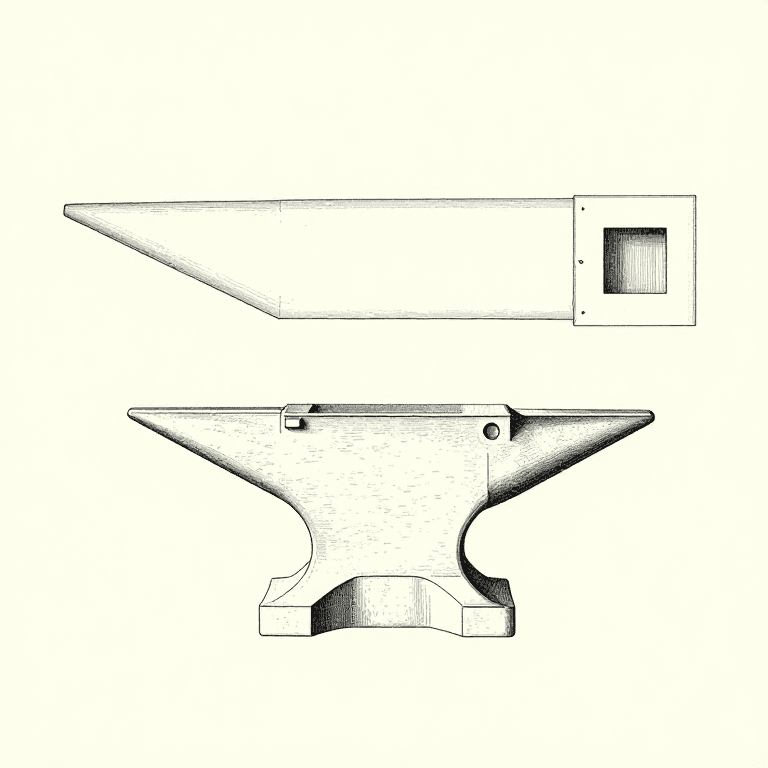
The HORN gives any radius you want — move along it. Lay the bar across and pull down, or hammer it round; the horn supports the inside of the curve while the metal wraps.
The anvil EDGE gives a sharp corner. Hang the bar over the edge with the hot band exactly at the edge line, and strike down — the metal folds over the radius of that edge, so a sharp edge gives a crisp corner and a rounded one gives a soft bend.
The VICE holds one side while you lever the other, which gives the most control for a precise angle. A bending fork in the hardy hole does the same on the anvil and leaves both hands free.
សម្ភារៈសម្រាប់ជំហាននេះ៖
ដែកបន្ទះទន់1 ដុំឧបករណ៍ដែលត្រូវការ៖
 ទាំងជល់ (កំណាត់ដែក)
 សន្ទូចតុធ្ងន់
 ញញួរជាងដែកដង្កៀបជាងដែក
3
3
The outside stretches — and how far is arithmetic
The outside stretches — and how far is arithmetic
កំពុងផ្ទុកសៀវភៅ Jupyter…
សម្ភារៈសម្រាប់ជំហាននេះ៖
ដែកបន្ទះទន់1 ដុំឧបករណ៍ដែលត្រូវការ៖
ទាំងជល់ (កំណាត់ដែក)ញញួរជាងដែក កែវពង្រីកជាងពេជ្រ
 ម៉ាស៊ីនគិតលេខ
4
4
Check against the drawing, not against your eye
Check against the drawing, not against your eye
Draw the shape full size on a steel plate or a sheet of paper and offer the work to it after every few blows. The eye is a poor judge of an angle and a worse one of a curve.
For a repeated shape — a set of scrolls, a row of identical brackets — make a simple jig or a bending fork so each piece is formed against the same former. That is the story-stick principle from the marking-out batch: one reference, used repeatedly, beats measuring each piece.
Correct while it is still hot. A bend that has gone cold can be reheated, but every extra heat costs scale and risks grain growth, and a shape corrected three times rarely looks as crisp as one made right in two heats.
សម្ភារៈសម្រាប់ជំហាននេះ៖
ដែកបន្ទះទន់1 ដុំឧបករណ៍ដែលត្រូវការ៖
 បន្ទាត់ដង្កៀបជាងដែកទាំងជល់ (កំណាត់ដែក)
ប្លង់ពាក់ព័ន្ធ
ប្លង់ទាំងនេះចែករំលែកចំណេះដឹង — បច្ចេកទេស សម្ភារៈ ឬគោលការណ៍
CC0 សាធារណៈ
ប្លង់នេះត្រូវបានចេញផ្សាយក្រោម CC0។ អ្នកមានសិទ្ធិចម្លង កែប្រែ ចែកចាយ និងប្រើប្រាស់ដោយមិនចាំបាច់សុំអនុញ្ញាត។
គាំទ្រអ្នកបង្កើតដោយទិញផលិតផលតាមរយៈប្លង់របស់ពួកគេ ដែលពួកគេទទួលបាន កម្រៃជើងសារអ្នកបង្កើត កំណត់ដោយអ្នកលក់ ឬបង្កើតកំណែថ្មីនៃប្លង់នេះ ហើយបញ្ចូលជាការតភ្ជាប់ក្នុងប្លង់របស់អ្នកដើម្បីចែករំលែកចំណូល។