សិល្បៈ
សម្រស់ និង សុខុមាលភាព
សិប្បកម្ម
វប្បធម៌ និង ប្រវត្តិសាស្ត្រ
ការកម្សាន្ត
បរិស្ថាន
ម្ហូប និង ភេសជ្ជៈ
វិស្វកម្មបញ្ច្រាស
វិទ្យាសាស្ត្រ
កីឡា
បច្ចេកវិទ្យា
ប្រដាប់ដែលស្លៀក
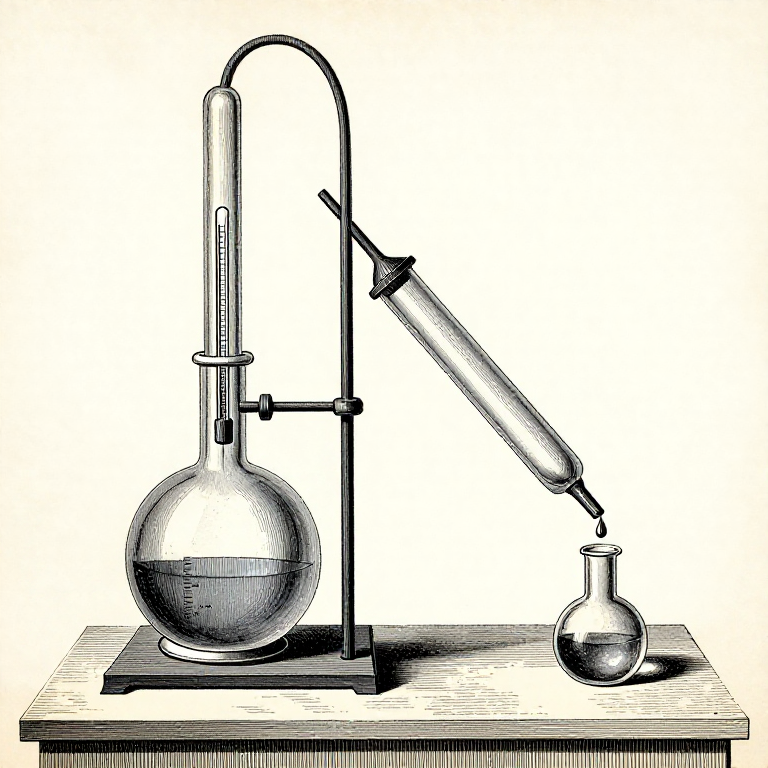


Distilling Well: One Plate, Ten Plates, and the Wall You Cannot Pass
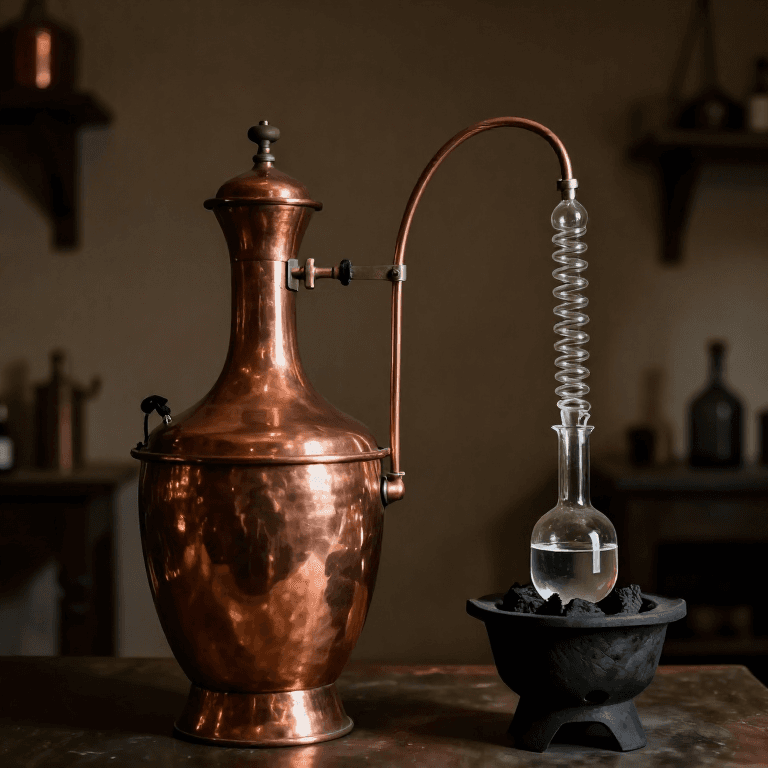
Distillation separates liquids by boiling point, and the catalogue is full of it — alembics, coal tar fractions, essential oils, turpentine, spirits. What none of those blueprints says is how good a separation to expect, or when the apparatus has to change.
The answer is in one idea: a **theoretical plate**, one cycle of evaporation and condensation. A simple still is one plate. A column is several, and the number needed follows from how far apart the boiling points are.
It is hazard-gated because distillation combines heat, flammable vapour and sealed glassware — the three ingredients of the commonest serious laboratory accident.
កម្រិតខ្ពស់
5 hours
ការណែនាំ
1
1
Setting one up without an accident
Setting one up without an accident
**Never heat a closed system.** There must be an opening to atmosphere somewhere. A sealed apparatus that is heated becomes a bomb, and this is the single most dangerous mistake in the whole of practical chemistry.
**Never distil to dryness.** Peroxides, and in some cases residues that decompose violently, concentrate in the pot. Stop with liquid still in it, always.
**Boiling chips or a stirrer bar, added COLD.** A smooth-walled flask of a superheated liquid bumps — it erupts as a slug of boiling liquid — and adding a chip to an already-hot liquid causes exactly that eruption.
**Water into the condenser at the BOTTOM, out at the top.** Fed the other way it never fills and barely cools.
**Secure every joint, and clamp the flask, not the condenser.** Glassware that shifts pulls joints apart.
**No naked flame anywhere near a flammable solvent.** A heating mantle or a hot water bath, never a bunsen under ether.
**Thermometer bulb level with the side arm**, so it reads the vapour that is leaving rather than the vapour above the liquid.
Ventilation, eye protection and a clear path away from the bench.
សម្ភារៈសម្រាប់ជំហាននេះ៖
 អេតាណុល - ថ្នាក់មន្ទីរពិសោធន៍, 95 %1 ដុំ
ឧបករណ៍ដែលត្រូវការ៖
 កែវបាល់បាតមូល
 បំពង់មូររបស់កូនដង់សឺរ
 ទែម៉ូម៉ែត្រមន្ទីរពិសោធន៍
 ចានកម្តៅមានឧបករណ៍កូរម៉ាញេទិក
 វ៉ែនតាសុវត្ថិភាពថ្លា
 ស្រោមដៃធន់នឹងគីមី
2
2
Plates, boiling point gaps and azeotropes
Plates, boiling point gaps and azeotropes
កំពុងផ្ទុកសៀវភៅ Jupyter…
ឧបករណ៍ដែលត្រូវការ៖
 កុំព្យូទ័រតុ
3
3
Reading the thermometer
Reading the thermometer
The temperature at the still head is the whole record of what is happening, and it reads like a graph.
**A slow rise, then a plateau.** The plateau is a fraction coming over, and it sits at that component's boiling point. Collect while it holds steady.
**The plateau ends and the temperature climbs.** That fraction is finishing. Change the receiver.
**No plateau at all, just a steady climb.** The components are too close to separate with this apparatus. Either accept a mixture or fit a column.
**The temperature falls.** The heating is too low, or the vapour is no longer reaching the head. On a column this usually means it has flooded.
**Collect in three parts, always.** The **fore-run** — the first few per cent, containing the lowest boiling impurities and any residual solvent. The **main fraction**, over the plateau. The **tail**, as the temperature climbs again. Combining them is how a careful distillation is thrown away.
**Go slowly.** A fast distillation gives the column no time to equilibrate and loses most of its plates. One to two drops a second at the receiver is the usual guidance.
សម្ភារៈសម្រាប់ជំហាននេះ៖
អេតាណុល - ថ្នាក់មន្ទីរពិសោធន៍, 95 %1 ដុំឧបករណ៍ដែលត្រូវការ៖
ទែម៉ូម៉ែត្រមន្ទីរពិសោធន៍ ការតម្លើងបង្គោលចម្រោះ
 ដបកោណ
ដបកោណ4
4
When to use a different kind of distillation
When to use a different kind of distillation
**Vacuum distillation.** Lowering the pressure lowers the boiling point, which is how a substance that would decompose at its atmospheric boiling point is distilled at all. A rough rule: halving the pressure drops the boiling point by roughly 15 C, and the first 10 mmHg matters more than everything above it.
Use thick-walled glass rated for vacuum, never a flat-bottomed flask, and let it down slowly at the end.
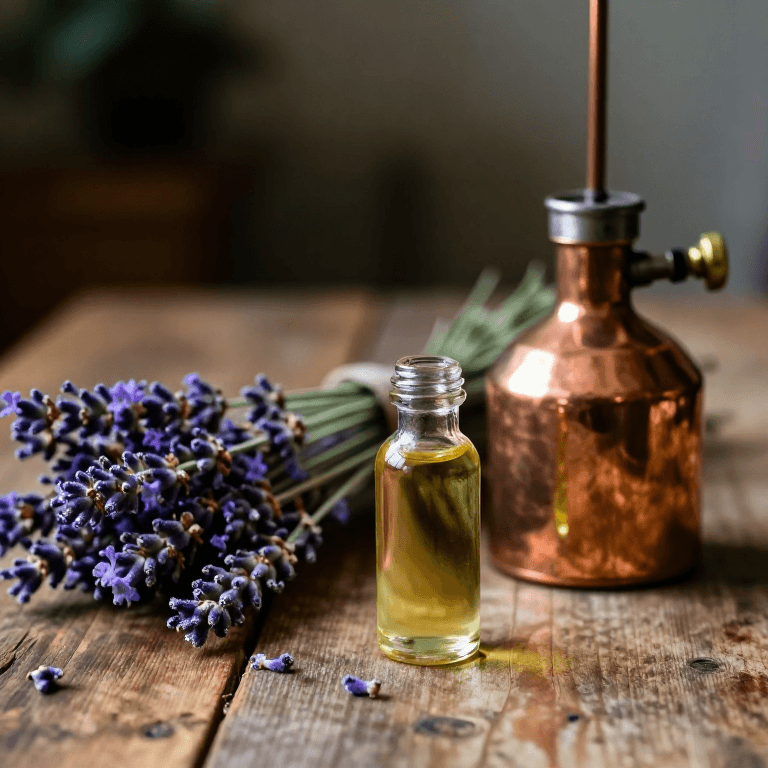
**Steam distillation.** Passing steam through carries over compounds that are immiscible with water at a temperature BELOW 100 C, because the two partial pressures add. This is how essential oils are obtained without cooking them, and the lavender blueprint is exactly this.
**Short-path and Kugelrohr.** For small quantities, where the surface area of ordinary apparatus would hold most of the product.
**Simple distillation is enough** when the boiling points are far apart and the impurity is non-volatile — removing a solvent, for instance, which is the commonest distillation there is and needs no column at all.
Choose by the gap and by the thermal stability, and reach for a column only when the plate count says you must.
ឧបករណ៍ដែលត្រូវការ៖
កែវបាល់បាតមូល ស្នប់ខ្យល់ចេញបំពង់មូររបស់កូនដង់សឺរ
សម្ភារៈ
1- កន្លែងទុក
ឧបករណ៍ចាំបាច់
10- កន្លែងទុក
- កន្លែងទុក
- កន្លែងទុក
- កន្លែងទុក
- កន្លែងទុក
- កន្លែងទុក
- កន្លែងទុក
- កន្លែងទុក
- កន្លែងទុក
- 1 vendor sell this, none ship to you yetកន្លែងទុក
ប្លង់ពាក់ព័ន្ធ
ប្លង់ទាំងនេះចែករំលែកចំណេះដឹង — បច្ចេកទេស សម្ភារៈ ឬគោលការណ៍



CC0 សាធារណៈ
ប្លង់នេះត្រូវបានចេញផ្សាយក្រោម CC0។ អ្នកមានសិទ្ធិចម្លង កែប្រែ ចែកចាយ និងប្រើប្រាស់ដោយមិនចាំបាច់សុំអនុញ្ញាត។
គាំទ្រអ្នកបង្កើតដោយទិញផលិតផលតាមរយៈប្លង់របស់ពួកគេ ដែលពួកគេទទួលបាន កម្រៃជើងសារអ្នកបង្កើត កំណត់ដោយអ្នកលក់ ឬបង្កើតកំណែថ្មីនៃប្លង់នេះ ហើយបញ្ចូលជាការតភ្ជាប់ក្នុងប្លង់របស់អ្នកដើម្បីចែករំលែកចំណូល។