សិល្បៈ
សម្រស់ និង សុខុមាលភាព
សិប្បកម្ម
វប្បធម៌ និង ប្រវត្តិសាស្ត្រ
ការកម្សាន្ត
បរិស្ថាន
ម្ហូប និង ភេសជ្ជៈ
វិស្វកម្មបញ្ច្រាស
វិទ្យាសាស្ត្រ
កីឡា
បច្ចេកវិទ្យា
ប្រដាប់ដែលស្លៀក
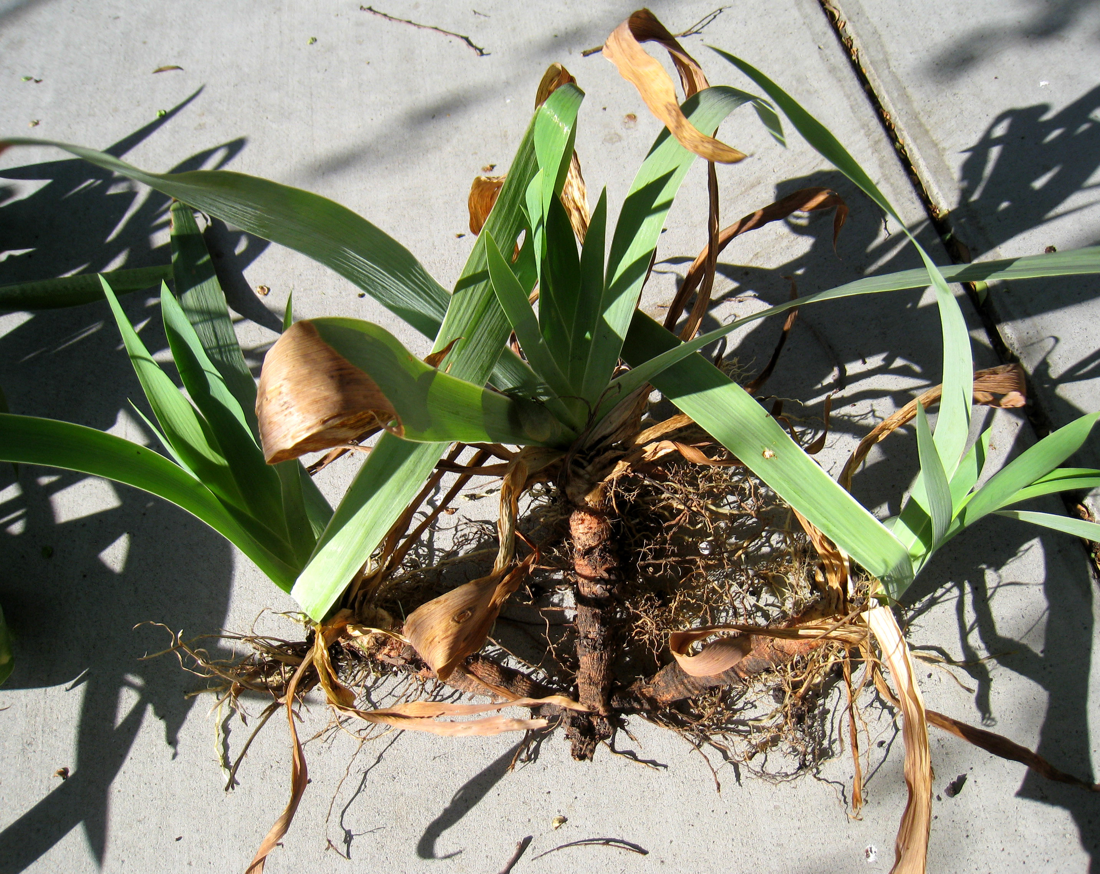
Dvortygirl (Wikimedia Commons) · CC BY-SA 3.0


Dividing Rhizomes — Cutting Up the Creeping Stem
Iris, ginger, canna and mint spread by RHIZOMES — fat stems that creep sideways underground, budding new shoots as they go. Lift the clump, cut the rhizome into pieces that each carry a growing point and roots, discard the worn-out middle, and replant. A buildable school project in the rhizome — and the difference between a stem that creeps and a bulb that stores.
ចាប់ផ្តើម
An afternoon
ការណែនាំ
1
1
A stem that creeps sideways
A stem that creeps sideways
A rhizome is a stem that grows horizontally, at or just under the soil, instead of upward. It stores food, sends leaves and flowers UP and roots DOWN along its length, and branches as it creeps — so it spreads into an ever-wider mat. Cut it into pieces, each with a bud and some roots, and every piece becomes a new plant. Iris, ginger, turmeric, canna, mint and many grasses all grow this way.
2
2
Lift the clump
Lift the clump
Divide when the clump gets congested (bearded iris about every three years, in mid-to-late summer after flowering). Fork right around it and lever the whole mat of rhizomes out of the ground with as many roots as you can keep.
ឧបករណ៍ដែលត្រូវការ៖
 សម្មសួនច្បារ
3
3
Wash and read the rhizome
Wash and read the rhizome
Wash the soil off so you can see clearly. Along each rhizome you'll spot the growing points — a fan of leaves or a swelling bud ('eye') — with roots hanging beneath. These are the parts every division must keep.
4
4
Cut into pieces
Cut into pieces
With a clean knife cut the rhizome into firm sections, each with at least one growing point (a leaf fan or bud) AND its own roots — no bud, no plant. Throw away the old, woody, leafless centre and keep the young outer sections. A supermarket ginger root shows it perfectly: snap it into pieces each with a knobbly bud and pot them up.
សម្ភារៈសម្រាប់ជំហាននេះ៖
 ឫសខ្ញីស្រស់1 ដុំ
ឧបករណ៍ដែលត្រូវការ៖
 កាំបិតកាត់មែក
5
5
Trim and let the cuts dry
Trim and let the cuts dry
For leafy divisions like iris, cut the leaf fan down to a short upright fan of about 15 cm so the wind can't rock the piece loose before it re-roots, and trim off any damaged roots. Let the cut surfaces dry for an hour or two (a dusting of sulphur helps) so they seal rather than rot.
6
6
Replant — and keep it shallow
Replant — and keep it shallow
Replant SHALLOW: a bearded iris rhizome should sit with its top at or just above the soil surface, roots spread below and the leaf fan pointing the way you want it to grow — buried too deep it rots and won't flower, because it needs sun on its back. Plant ginger and turmeric just under the surface, buds up, in warm soil. Water in and label.
សម្ភារៈសម្រាប់ជំហាននេះ៖
 ជីកំប៉ុស1 bag
 ស្លាកបិទ1 សន្លឹក
7
7
Compendium — rhizomes and the storage-organ family
Compendium — rhizomes and the storage-organ family
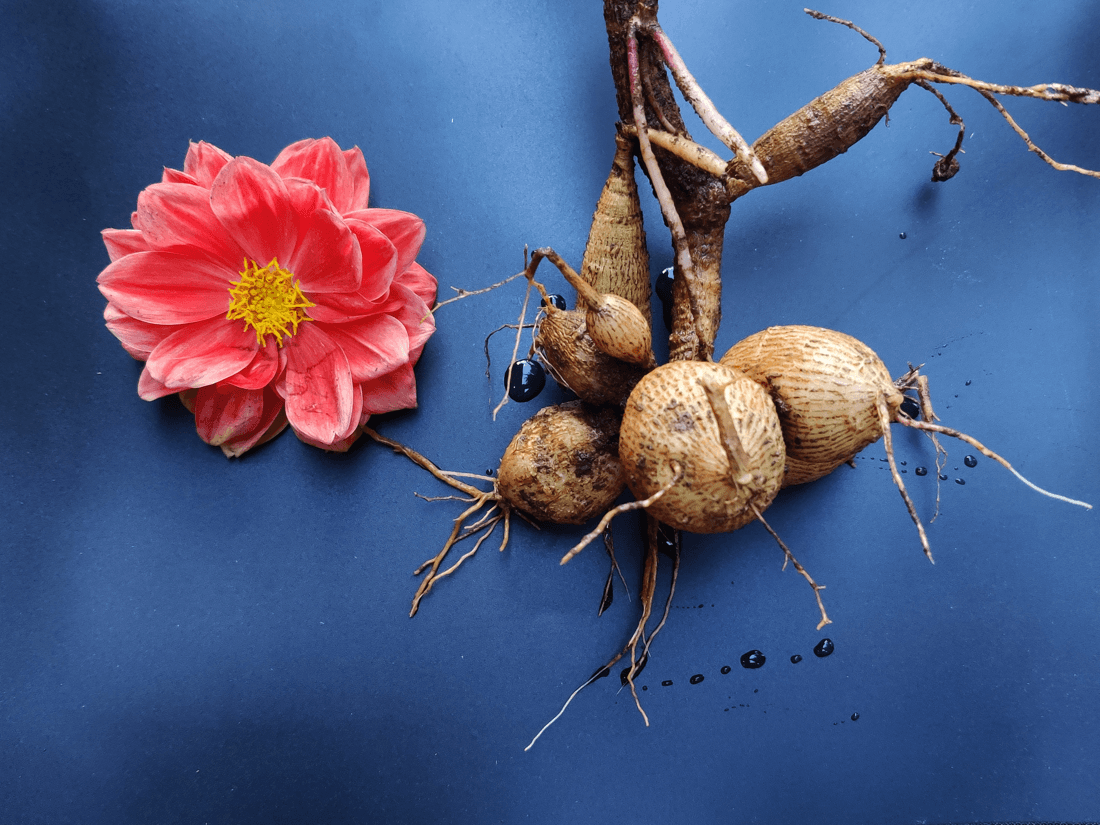
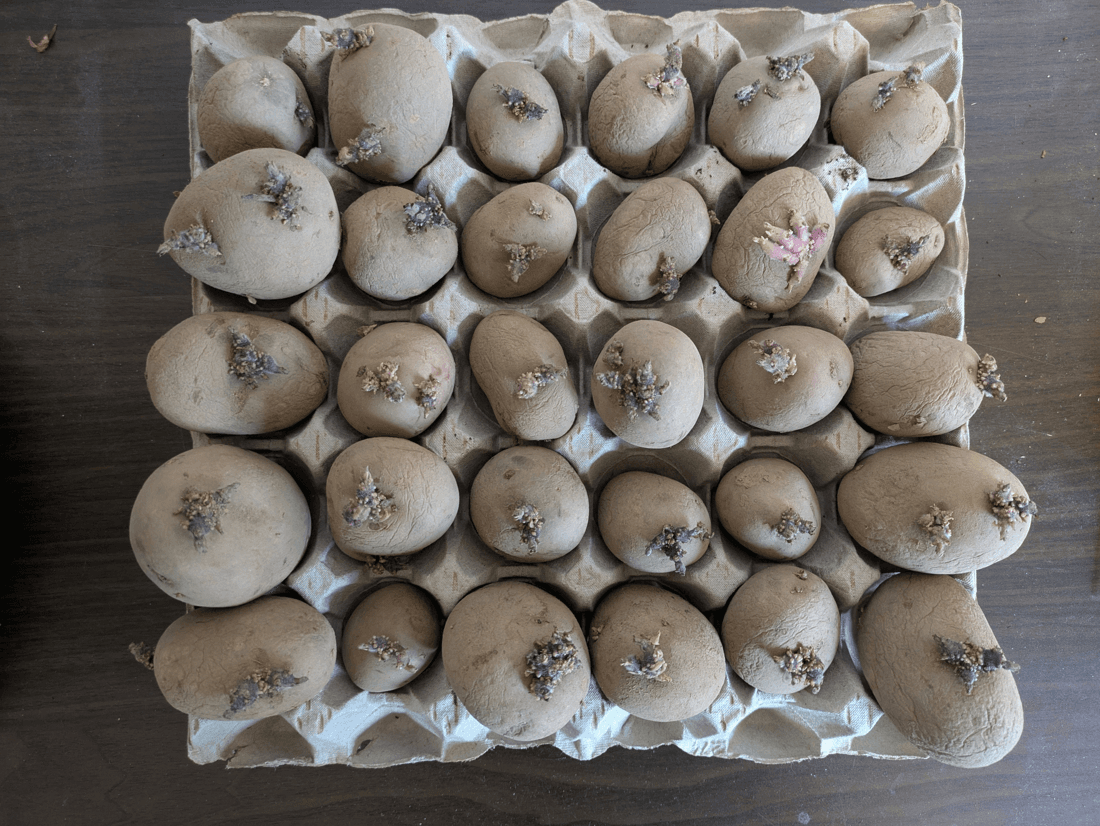
The rhizome completes a family of underground storage organs (geophytes) that plants use to survive dormancy and to clone themselves — and telling them apart tells you how to propagate each. A RHIZOME (iris, ginger, canna) is a horizontal STEM: it has buds and nodes strung along it and roots beneath, so you cut it into bud-bearing lengths. A stem TUBER (potato) is a swollen stem TIP dotted with eyes — plant the tuber or a piece with an eye. A tuberous ROOT (sweet potato, dahlia) is a swollen root with no scattered buds, so buds come only from the crown and you propagate by slips or by crown division. A BULB (onion, daffodil) is a compressed vertical shoot on a flat basal plate that buds off offset bulbs. A CORM (crocus, gladiolus) is a solid swollen stem, renewed yearly, that makes cormels. Five different organs, one shared purpose: store food underground AND multiply by budding off clones — which is why every one of them is propagated vegetatively, each piece an exact copy of its parent. The rhizome's own quirks are worth carrying: because it is a creeping stem, it marches outward and can become invasive (mint, bamboo, couch grass are rhizomes that will run right across a bed), and because a bearded iris rhizome likes to bask, you plant it proud of the soil rather than buried — the opposite of a deep-set bulb. Dividing rhizomes is the same two-for-one as all division: it makes free new clones and rejuvenates a tired, congested clump at once. Ginger, turmeric and iris have been multiplied this way for thousands of years.
ឧបករណ៍ចាំបាច់
2- កន្លែងទុក
- កន្លែងទុក
ប្លង់ពាក់ព័ន្ធ
ប្លង់ទាំងនេះចែករំលែកចំណេះដឹង — បច្ចេកទេស សម្ភារៈ ឬគោលការណ៍
CC0 សាធារណៈ
ប្លង់នេះត្រូវបានចេញផ្សាយក្រោម CC0។ អ្នកមានសិទ្ធិចម្លង កែប្រែ ចែកចាយ និងប្រើប្រាស់ដោយមិនចាំបាច់សុំអនុញ្ញាត។
គាំទ្រអ្នកបង្កើតដោយទិញផលិតផលតាមរយៈប្លង់របស់ពួកគេ ដែលពួកគេទទួលបាន កម្រៃជើងសារអ្នកបង្កើត កំណត់ដោយអ្នកលក់ ឬបង្កើតកំណែថ្មីនៃប្លង់នេះ ហើយបញ្ចូលជាការតភ្ជាប់ក្នុងប្លង់របស់អ្នកដើម្បីចែករំលែកចំណូល។