សិល្បៈ
សម្រស់ និង សុខុមាលភាព
សិប្បកម្ម
វប្បធម៌ និង ប្រវត្តិសាស្ត្រ
ការកម្សាន្ត
បរិស្ថាន
ម្ហូប និង ភេសជ្ជៈ
វិស្វកម្មបញ្ច្រាស
វិទ្យាសាស្ត្រ
កីឡា
បច្ចេកវិទ្យា
ប្រដាប់ដែលស្លៀក
បានបកប្រែ

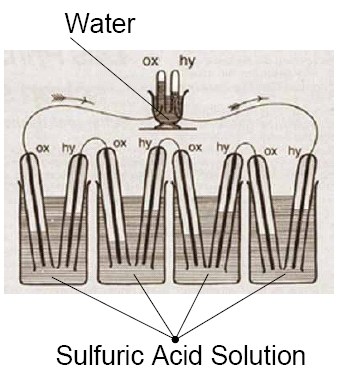
Grove Gas Battery
Every cell before this one carried its own fuel. Volta's pile ate its zinc discs; Daniell's cell ate a zinc rod and a copper sulfate solution. When the metal was gone the cell was gone, and the only way to get more energy was to build a bigger cell.
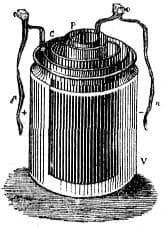
In 1839 William Robert Grove, a barrister who did physics in his spare time, reported something else in the Philosophical Magazine. He half-immersed two platinum strips in dilute sulfuric acid and sealed the upper half of one in hydrogen and the other in oxygen. The cell produced about a volt with no consumable metal in it at all - the platinum was untouched, and what was consumed was the gas. He stacked fifty of them into what he called a gas voltaic battery and used it to electrolyse water, running the reaction backwards with itself.
That is the whole idea of a fuel cell, and it arrived a hundred and twenty years before anyone could use it. The reason is in the third step: the reaction can only happen along the line where gas, liquid and catalyst all meet, and on a smooth platinum wire that line is vanishingly short. Grove's cells gave a good voltage and almost no current. Everything since - platinum black, Mond and Langer's porous plates, Bacon's pressurised nickel electrodes, the modern membrane stack - is an attack on that one geometric problem.
Grove never patented it. He published it, in a letter, and moved on to arguing about the conservation of energy.
មធ្យម
45 minutes
ការណែនាំ
1
1
Build the two gas half-cells
Build the two gas half-cells
Half-fill a 250 ml beaker with 1 M sulfuric acid (dilute 55 ml of 50% acid to 500 ml, acid INTO water, goggles and gloves on).
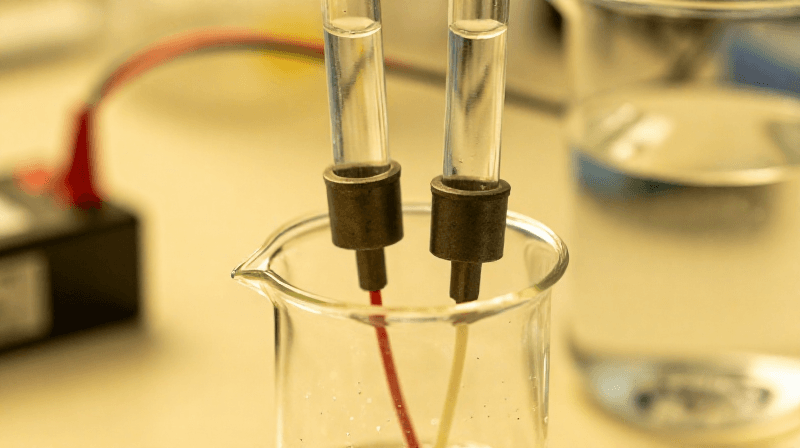
Fill two test tubes with the same acid, invert them into the beaker without letting air in, and clamp them mouth-down. Run a platinum wire up inside each tube so its lower end stays in the liquid and its upper end sits in the empty top of the tube.
សម្ភារៈសម្រាប់ជំហាននេះ៖
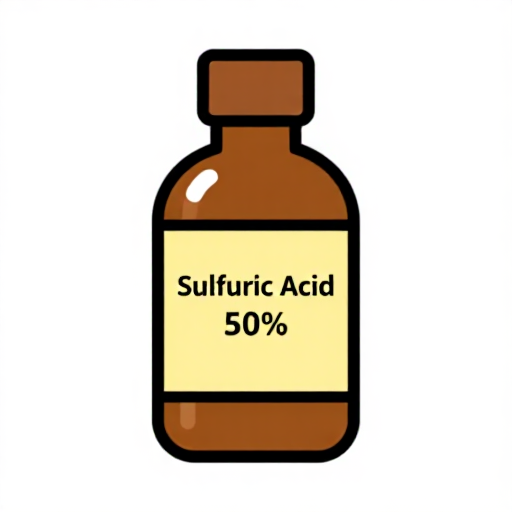 អាស៊ីតស៊ុលហ្វួរិច ៥០ %60 មល
 លួសផ្លាទីន2 ដុំ
 ទឹកចម្រោះ500 មល
ឧបករណ៍ដែលត្រូវការ៖
 កែវប៊ីកឃ័របូរ៉ូស៊ីលីកាត
 ឈុតបំពង់សាកល្បង
 វ៉ែនតាសុវត្ថិភាពមន្ទីរពិសោធន៍
 ស្រោមដៃធន់នឹងគីមី
 ឈុតជើងទល់និងឃីបមន្ទីរពិសោធន៍
2
2
Charge it with its own gas, then read it
Charge it with its own gas, then read it
Connect the two platinum wires to a 3 V supply for 60 seconds. Gas collects in the tops of the tubes - hydrogen on the negative wire, oxygen on the positive, about twice as much hydrogen.
Disconnect the supply and put the multimeter straight across the same two wires. Read the open-circuit voltage every 30 s for five minutes and write it down. Then load it with 1 kOhm and read the voltage again: current is that voltage divided by 1000.
ឧបករណ៍ដែលត្រូវការ៖
 ប្រភពថាមពលតុការងារអាចលៃបាន
 ម៉ែត្រវាស់ឌីជីថលកម្រិតមន្ទីរពិសោធន៍
 ខ្សែសាកល្បងមានឃ្នាប
 ឈុតរេស៊ីស្តង់ ១/៤ វ៉ាត់
 នាឡិកាបញ្ឈប់
3
3
Find out what is throttling it
Find out what is throttling it
Your cell holds a decent voltage and delivers a pitiful current. That is Grove's own result, and it has four possible causes. Test them in this order - each test changes one thing, and the answer names the bottleneck.
Flow
Loading...
ឧបករណ៍ដែលត្រូវការ៖
ម៉ែត្រវាស់ឌីជីថលកម្រិតមន្ទីរពិសោធន៍4
4
The volt you cannot exceed
The volt you cannot exceed
កំពុងផ្ទុកសៀវភៅ Jupyter…
ឧបករណ៍ដែលត្រូវការ៖
 កុំព្យូទ័រតុ
5
5
History and context
History and context
What Grove published (1839, Philosophical Magazine ser. 3 vol. 14): two platinum electrodes, dilute sulfuric acid, hydrogen over one and oxygen over the other, about a volt per cell, fifty in series. No patent was ever filed. The name fuel cell is not his - Ludwig Mond and Carl Langer coined it in 1889 for a version with porous plates and a matrix holding the electrolyte.
Modern build spec (derived, not Grove's): 1 M sulfuric acid rather than his unstated strength, platinum wire rather than his strips, a bench supply rather than a second battery to make the gas. The chemistry is unchanged.
Why it waited: platinum was the only usable catalyst and the reaction only runs where gas, acid and metal all touch. Francis Bacon spent 1932 to 1959 replacing the platinum with porous nickel under pressure and reached 5 kW; that machine, not Grove's, is the ancestor of the cells that flew on Apollo. The honest reading of Grove is that he proved a principle and left the engineering open for a century.
សម្ភារៈ
3- កន្លែងទុក
- 2 ដុំកន្លែងទុក
- 500 មលកន្លែងទុក
ឧបករណ៍ចាំបាច់
11- កន្លែងទុក
- កន្លែងទុក
- កន្លែងទុក
- កន្លែងទុក
- កន្លែងទុក
- កន្លែងទុក
- កន្លែងទុក
- កន្លែងទុក
- កន្លែងទុក
- កន្លែងទុក
- កន្លែងទុក
ប្លង់ពាក់ព័ន្ធ
ប្លង់ទាំងនេះចែករំលែកចំណេះដឹង — បច្ចេកទេស សម្ភារៈ ឬគោលការណ៍




CC0 សាធារណៈ
ប្លង់នេះត្រូវបានចេញផ្សាយក្រោម CC0។ អ្នកមានសិទ្ធិចម្លង កែប្រែ ចែកចាយ និងប្រើប្រាស់ដោយមិនចាំបាច់សុំអនុញ្ញាត។
គាំទ្រអ្នកបង្កើតដោយទិញផលិតផលតាមរយៈប្លង់របស់ពួកគេ ដែលពួកគេទទួលបាន កម្រៃជើងសារអ្នកបង្កើត កំណត់ដោយអ្នកលក់ ឬបង្កើតកំណែថ្មីនៃប្លង់នេះ ហើយបញ្ចូលជាការតភ្ជាប់ក្នុងប្លង់របស់អ្នកដើម្បីចែករំលែកចំណូល។