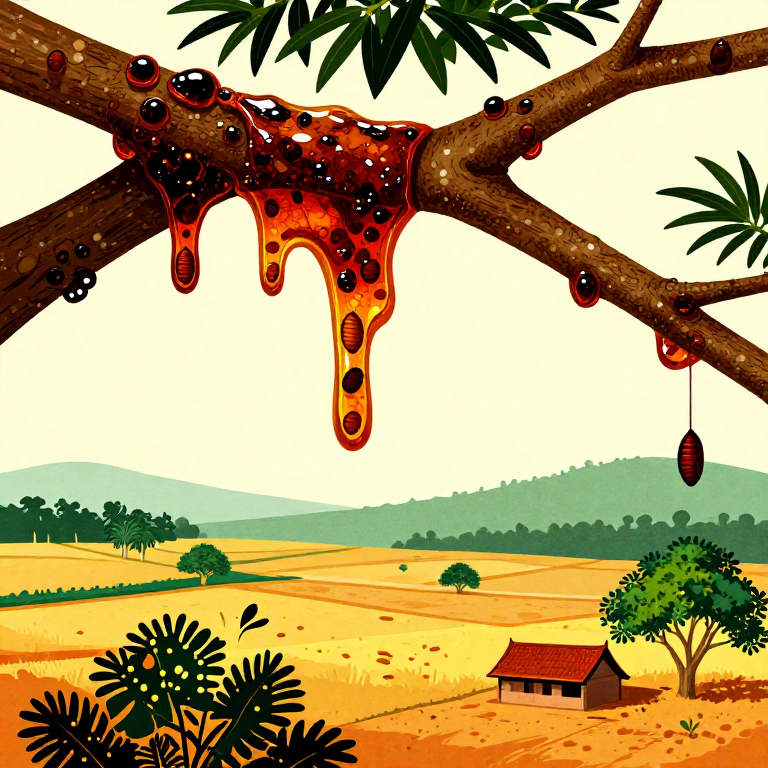


ការប្រើប្រាស់រេស៊ីន Lac ចាប់ពីដើមឈើលីង — ពីក្រេម Stick Lac ដល់ Shellac
ការណែនាំ
ការរកឃើញដើមឈើលីង
ការរកឃើញដើមឈើលីង
ការរៀបចំដើមឈើលីង
ការរៀបចំដើមឈើលីង
ការប្រើប្រាស់វត្ថុរាវលាក់
ការប្រើប្រាស់វត្ថុរាវលាក់
ការលេបលម្អលើផ្ទៃ
ការលេបលម្អលើផ្ទៃ
Cut lac-encrusted branches
Cut lac-encrusted branches
Using pruning shears or a sharp knife, cut branches that are heavily coated with lac resin. Cut at a point just below the encrusted section. The raw product at this stage is called stick lac because the resin is still attached to the sticks.
សម្ភារៈសម្រាប់ជំហាននេះ៖
 មែកឈើដែលក្រមួនឈើតោង5 kilogram
ឧបករណ៍ដែលត្រូវការ៖
 កន្ត្រៃកាត់មែកដៃម្ខាង
Scrape lac from branches
Scrape lac from branches
Use a blunt knife or flat scraper to chip the hardened lac resin off the branches. The resin comes off in irregular chunks and flakes. Collect into a clean container. From 5 kg of stick lac branches, expect about 1-2 kg of scraped raw lac.
ឧបករណ៍ដែលត្រូវការ៖
 ដែកកោសរាប
 ធុងប្រមូល
Crush the raw lac
Crush the raw lac
Break the scraped lac into small pieces using a wooden mallet or mortar and pestle. Crush to approximately pea-sized fragments. Smaller pieces wash more effectively in the next step. Remove any large pieces of bark or wood mixed in.
ឧបករណ៍ដែលត្រូវការ៖
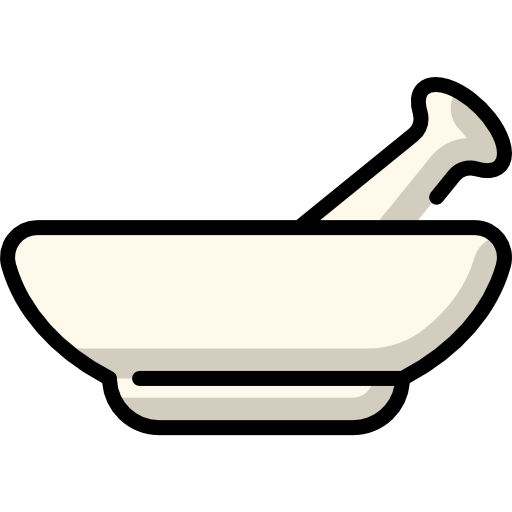 ត្បាល់ និងអង្រែ
Wash to separate lac dye
Wash to separate lac dye
Place the crushed lac in a large basin of cold water. Agitate and knead with your hands. The water turns deep red as the lac dye (laccaic acid) dissolves. This red dye was historically prized for dyeing silk and wool. Pour off the red water and save it if you want lac dye. Repeat washing 3-4 times until the water runs only faintly colored.
សម្ភារៈសម្រាប់ជំហាននេះ៖
 ទឹកចម្រោះ20 លីត្រ
ឧបករណ៍ដែលត្រូវការ៖
 អាងលាងធំ
Remove insect debris
Remove insect debris
After washing out the dye, the remaining material contains resin mixed with insect bodies, sand, and wood fragments. Spread the wet lac on a flat surface and pick out visible debris. The resin pieces are translucent amber to dark red. Insect remains and wood are opaque.
Dry the washed lac
Dry the washed lac
Spread the cleaned lac in a thin layer on a mesh screen or cloth in the shade. Do not dry in direct sunlight as excessive heat can partially melt the resin. Drying takes 2-3 days. The dried product at this stage is called seed lac. It resembles small, irregular amber-colored grains.
ឧបករណ៍ដែលត្រូវការ៖
 ស៊ុមសម្ងួត
Sieve the seed lac
Sieve the seed lac
Pass the dried seed lac through a coarse sieve to remove remaining wood splinters and large impurities. Then pass through a finer sieve to grade by particle size. Good seed lac is uniform in size and amber to garnet in color.
ឧបករណ៍ដែលត្រូវការ៖
 រែងសំណាញ់ម៉ដ្ឋ
Weigh and assess quality
Weigh and assess quality
Weigh the final seed lac. From 5 kg of stick lac branches, expect approximately 500-800 g of seed lac. Quality seed lac is translucent, free of wood and insect debris, and dissolves readily in denatured alcohol (ethanol). The darker the color, the lower the grade. The lightest amber grades command the highest price.
ឧបករណ៍ដែលត្រូវការ៖
 ជញ្ជីងឌីជីថលផ្ទះបាយ
Store seed lac properly
Store seed lac properly
Store seed lac in airtight containers in a cool, dark place. Seed lac has a long shelf life but degrades slowly over time as it polymerizes. Use within 1-2 years for best results. Seed lac dissolves in denatured alcohol to make liquid shellac for wood finishing, or can be melted and stretched into shellac sheets.
សម្ភារៈសម្រាប់ជំហាននេះ៖
 ក្រឡកញ្ចក់សម្រាប់ស្តុក2 ដុំ
សម្ភារៈ
3- 5 kilogramកន្លែងទុក
- 20 លីត្រកន្លែងទុក
- កន្លែងទុក
ឧបករណ៍ចាំបាច់
8- កន្លែងទុក
- កន្លែងទុក
- កន្លែងទុក
- កន្លែងទុក
- កន្លែងទុក
- កន្លែងទុក
- កន្លែងទុក
- កន្លែងទុក

CC0 សាធារណៈ
ប្លង់នេះត្រូវបានចេញផ្សាយក្រោម CC0។ អ្នកមានសិទ្ធិចម្លង កែប្រែ ចែកចាយ និងប្រើប្រាស់ដោយមិនចាំបាច់សុំអនុញ្ញាត។
គាំទ្រអ្នកបង្កើតដោយទិញផលិតផលតាមរយៈប្លង់របស់ពួកគេ ដែលពួកគេទទួលបាន កម្រៃជើងសារអ្នកបង្កើត កំណត់ដោយអ្នកលក់ ឬបង្កើតកំណែថ្មីនៃប្លង់នេះ ហើយបញ្ចូលជាការតភ្ជាប់ក្នុងប្លង់របស់អ្នកដើម្បីចែករំលែកចំណូល។