សិល្បៈ
សម្រស់ និង សុខុមាលភាព
សិប្បកម្ម
វប្បធម៌ និង ប្រវត្តិសាស្ត្រ
ការកម្សាន្ត
បរិស្ថាន
ម្ហូប និង ភេសជ្ជៈ
វិស្វកម្មបញ្ច្រាស
វិទ្យាសាស្ត្រ
កីឡា
បច្ចេកវិទ្យា
ប្រដាប់ដែលស្លៀក
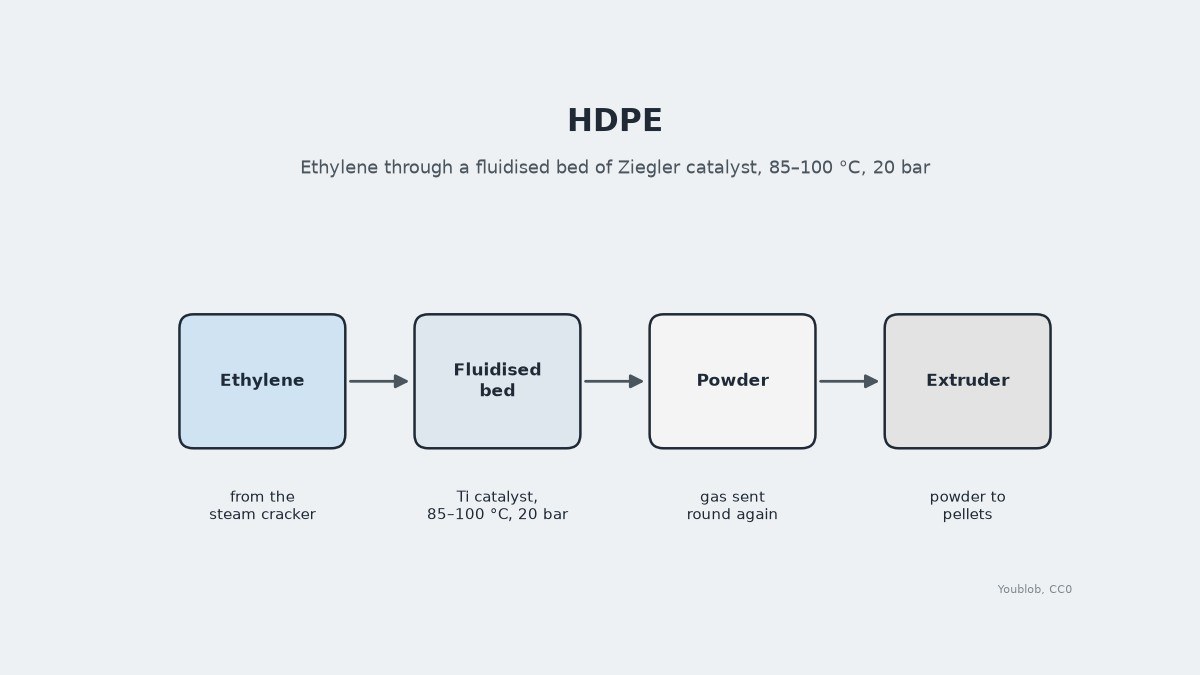


HDPE Pellets: Ethylene Polymerised in a Fluidised Bed
High-density polyethylene is made at low pressure on a Ziegler catalyst (a titanium halide with an aluminium compound). In the gas-phase process, ethylene flows up through a fluidised bed of fine catalyst at 85–100 °C and 20 bar and grows into polymer powder, which is melted and cut into pellets.
The picture: our diagram of the bed reactor and extruder.
កម្រិតខ្ពស់
Continuous
ការណែនាំ
1
1
Polymerise in a fluidised bed
Polymerise in a fluidised bed
Feed fine catalyst into the bed reactor and blow ethylene up through it at 85–100 °C and 20 bar. The polymer grows on the catalyst grains.
សម្ភារៈសម្រាប់ជំហាននេះ៖
 អេទីឡែន1 t
ឧបករណ៍ដែលត្រូវការ៖
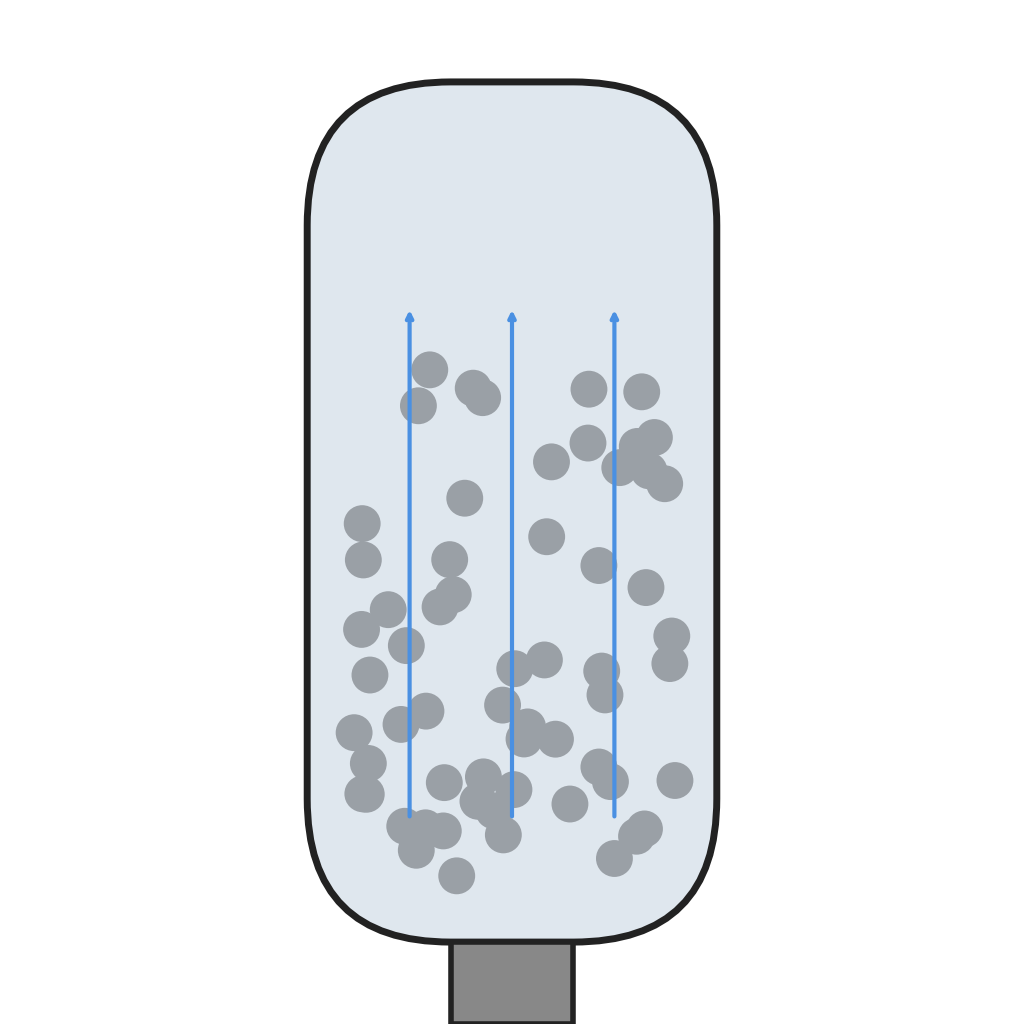 រ៉េអាក់ទ័រស្រទាប់ហូរ
 កាតាលីករហ្ស៊ីគលើរ-ណាតតា (TiCl4 លើ MgCl2)
 ម៉ាស៊ីនបង្ហាប់ឧស្ម័ន
2
2
Take off the powder
Take off the powder
Draw the polyethylene powder off the bed; compress the unreacted ethylene and send it round again.
ឧបករណ៍ដែលត្រូវការ៖
រ៉េអាក់ទ័រស្រទាប់ហូរម៉ាស៊ីនបង្ហាប់ឧស្ម័ន3
3
Pelletise
Pelletise
Melt the powder in the extruder and cut the strand into pellets.
ឧបករណ៍ដែលត្រូវការ៖
 ម៉ាស៊ីនច្របាច់ប្លាស្ទិក
4
4
Ethylene gas per kilogram of polymer
Ethylene gas per kilogram of polymer
កំពុងផ្ទុកសៀវភៅ Jupyter…
ឧបករណ៍ចាំបាច់
4- កន្លែងទុក
- កន្លែងទុក
- កន្លែងទុក
ប្លង់នេះធ្វើ

ប្លង់ពាក់ព័ន្ធ
ប្លង់ទាំងនេះចែករំលែកចំណេះដឹង — បច្ចេកទេស សម្ភារៈ ឬគោលការណ៍
CC0 សាធារណៈ
ប្លង់នេះត្រូវបានចេញផ្សាយក្រោម CC0។ អ្នកមានសិទ្ធិចម្លង កែប្រែ ចែកចាយ និងប្រើប្រាស់ដោយមិនចាំបាច់សុំអនុញ្ញាត។
គាំទ្រអ្នកបង្កើតដោយទិញផលិតផលតាមរយៈប្លង់របស់ពួកគេ ដែលពួកគេទទួលបាន កម្រៃជើងសារអ្នកបង្កើត កំណត់ដោយអ្នកលក់ ឬបង្កើតកំណែថ្មីនៃប្លង់នេះ ហើយបញ្ចូលជាការតភ្ជាប់ក្នុងប្លង់របស់អ្នកដើម្បីចែករំលែកចំណូល។