
សិល្បៈ
សម្រស់ និង សុខុមាលភាព
សិប្បកម្ម
វប្បធម៌ និង ប្រវត្តិសាស្ត្រ
ការកម្សាន្ត
បរិស្ថាន
ម្ហូប និង ភេសជ្ជៈ
អនាគតបៃតង
វិស្វកម្មបញ្ច្រាស
វិទ្យាសាស្ត្រ
កីឡា
បច្ចេកវិទ្យា
ប្រដាប់ដែលស្លៀក
Forging a Pair of Iron Tongs — The Blacksmith's Essential Gripping Tool
Forge

បង្កើតដោយ

Forge

26. ឧសភា 2026NO
8
0
0
1
0

Forging a Pair of Iron Tongs — The Blacksmith's Essential Gripping Tool

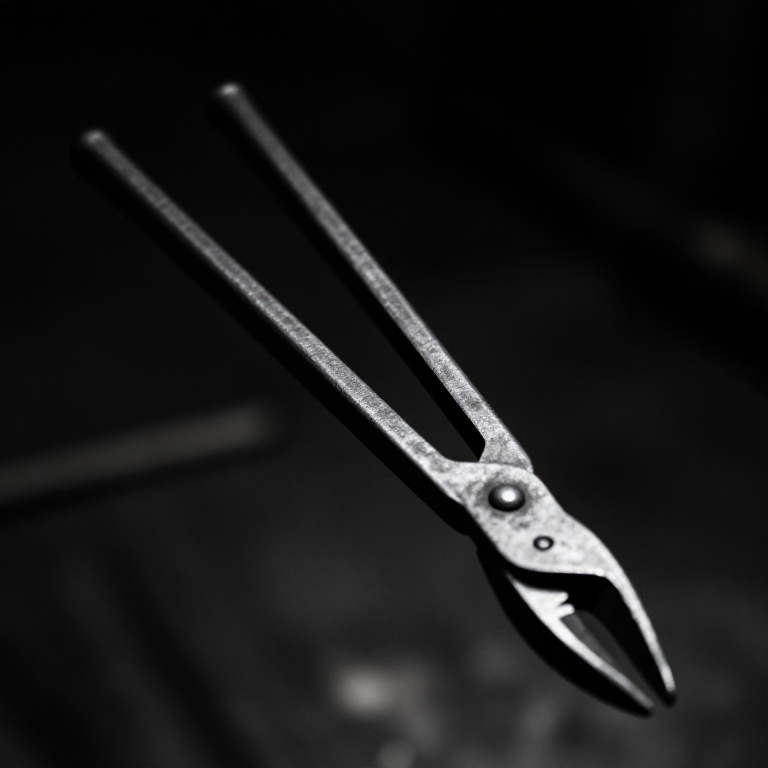
Tongs are the blacksmith's second hand. Without them, nothing hot can be held, turned, or positioned on the anvil. A smith's first pair of tongs is traditionally forged using a borrowed pair — after that, the smith can make every subsequent tool independently. This makes tongs one of the most important bootstrap tools in metalworking.

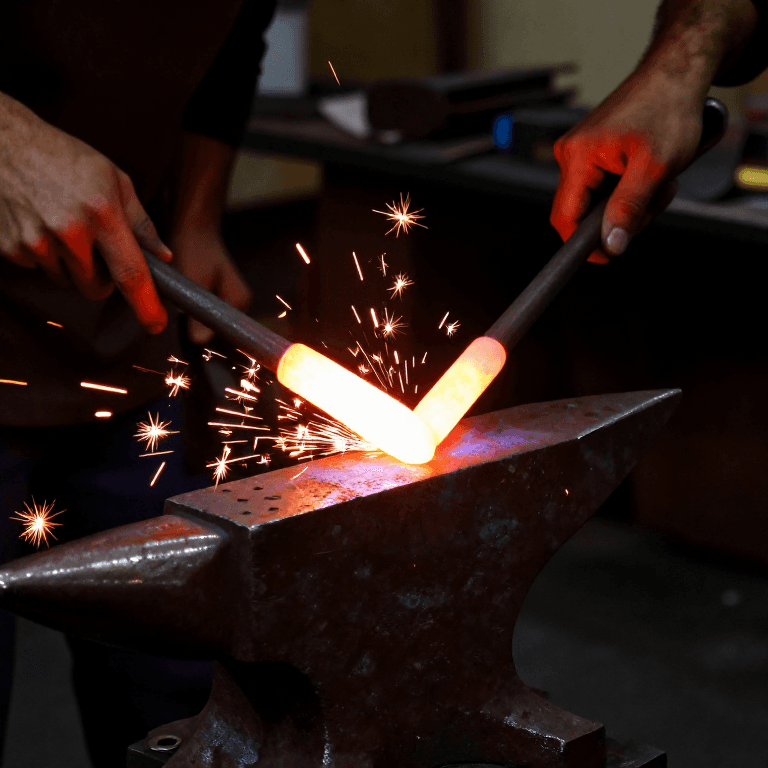
A pair of flat-jaw tongs consists of two identical halves (called reins), each forged from a single iron bar. Each rein has a flat jaw for gripping, a pivot boss with a punched hole, and a long handle. The two reins are joined by a rivet through the pivot holes, creating a scissors-like action. The jaws must close flat and parallel — poorly fitted tongs slip under hammer blows, which is dangerous and wastes heat.

Different jaw shapes grip different stock: flat jaws for flat bar, V-bit jaws for round rod, box jaws for square stock. This blueprint covers flat-jaw tongs, the most versatile general-purpose pattern.

មធ្យម
3-4 hours

ការណែនាំ

1

Cut two identical bars for the reins

Start with two wrought iron bars, each about 40 cm long and 2 cm square. Both bars must be the same length and cross-section — asymmetric reins produce tongs that twist when gripping. If only one long bar is available, mark the centre, heat it, and cut it in half with a hot chisel on the anvil edge.
2

Forge the jaw on the first rein

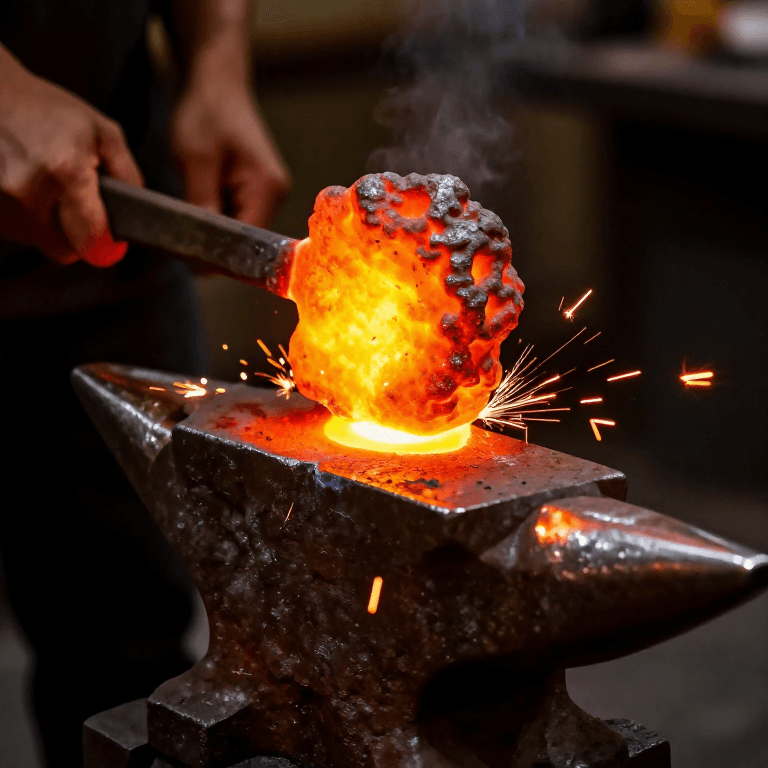
Heat the last 6-7 cm of the first bar to bright orange. Flatten this section on the anvil face to about half the original thickness, creating a wide, flat jaw about 3 cm wide and 5 cm long. The jaw should be slightly wider than the bar stock you intend to grip. Work both faces evenly to keep the jaw centred on the bar's axis.

Materials for this step:

CharcoalCharcoal4 kg

Tools needed:

Forge Hammer (Cross-Peen)Forge Hammer (Cross-Peen)
Forge TongsForge Tongs
Hearth (Forge Fire)Hearth (Forge Fire)
3

Form the pivot boss

Just behind the jaw, leave a section of full thickness — about 2 cm long. This is the pivot boss where the rivet hole will be punched. The boss must be thick enough to support the rivet without cracking. Behind the boss, the bar transitions into the handle (rein). Create a clean step between the boss and the handle by placing the bar on the anvil edge and hammering down.
4

Draw out the handle

Heat the handle section and draw it to a comfortable length — about 30-35 cm from the pivot. Taper it slightly toward the end so the handles spring open naturally. The cross-section should be roughly round or oval for a comfortable grip. Do not make the handles too thin — they must resist the squeezing force of gripping hot iron without bending permanently.
5

Punch the rivet hole

Heat the pivot boss to bright orange. Place the boss over the pritchel hole in the anvil (or over a hole in a swage block). Drive a square punch straight through the centre of the boss from one side until the displaced metal pushes out the bottom as a small plug. The hole should be about 8-10 mm in diameter — sized to accept a snug rivet.
6

Forge the second rein identically

Repeat steps 2 through 5 on the second bar to produce an identical rein. Lay both reins side by side frequently during forging to check that the jaws, bosses, and handles match. The rivet holes must align when the two reins are crossed in the tongs position — if one hole is offset, the jaws will not close parallel.
7

Rivet the two reins together

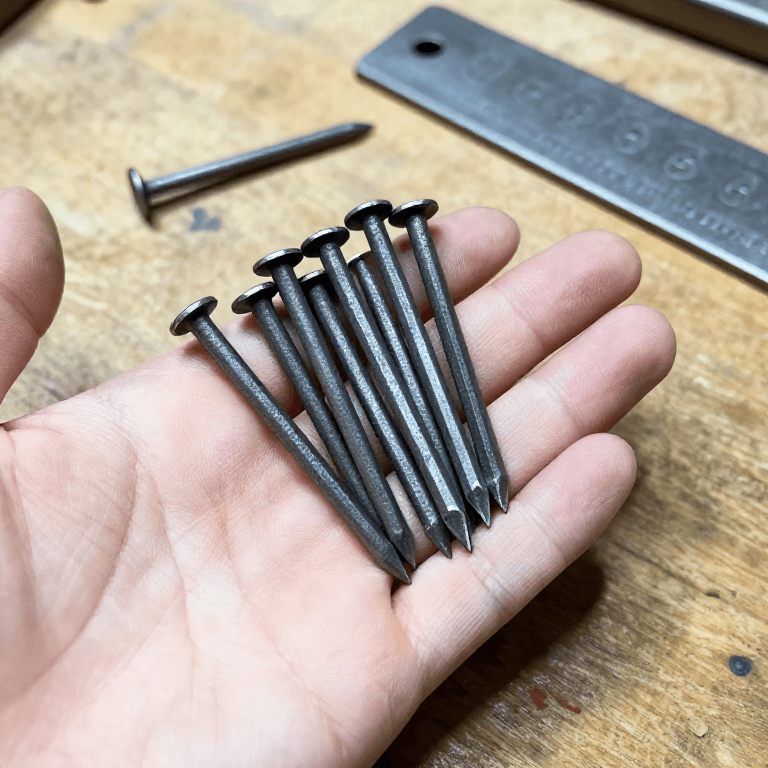
Make a short iron rivet from a piece of rod — about 8 mm diameter and 3 cm long. Cross the two reins so the pivot holes align, with the jaws facing the same direction. Insert the rivet through both holes. Heat the protruding rivet end to bright orange and peen it over with light hammer blows to form a head, locking the reins together. The rivet must be tight enough to hold the reins but loose enough that they pivot freely.
8

Fit and adjust the jaws

Close the tongs and check that the jaws meet flat and parallel along their full length. If one jaw is higher than the other, heat the offset rein and bend it at the boss until the jaws align. Test by gripping a piece of flat bar — the tongs should hold firmly with moderate hand pressure. If the jaws spring open, the handles are too stiff; heat and spread them slightly. A well-fitted pair of tongs grips securely enough that the workpiece does not rotate when struck by the hammer.

សម្ភារៈ

1
  • កន្លែងទុក

ឧបករណ៍ចាំបាច់

3

Connected Blueprint Materials

ប្លង់ពាក់ព័ន្ធ

ប្លង់ទាំងនេះចែករំលែកចំណេះដឹង — បច្ចេកទេស សម្ភារៈ ឬគោលការណ៍
CC0 សាធារណៈ

ប្លង់នេះត្រូវបានចេញផ្សាយក្រោម CC0។ អ្នកមានសិទ្ធិចម្លង កែប្រែ ចែកចាយ និងប្រើប្រាស់ដោយមិនចាំបាច់សុំអនុញ្ញាត។

គាំទ្រអ្នកបង្កើតដោយទិញផលិតផលតាមរយៈប្លង់របស់ពួកគេ ដែលពួកគេទទួលបាន កម្រៃជើងសារអ្នកបង្កើត កំណត់ដោយអ្នកលក់ ឬបង្កើតកំណែថ្មីនៃប្លង់នេះ ហើយបញ្ចូលជាការតភ្ជាប់ក្នុងប្លង់របស់អ្នកដើម្បីចែករំលែកចំណូល។

ការពិភាក្សា

(0)

ចូល ដើម្បីចូលរួមពិភាក្សា

កំពុងផ្ទុកមតិ...