សិល្បៈ
សម្រស់ និង សុខុមាលភាព
សិប្បកម្ម
វប្បធម៌ និង ប្រវត្តិសាស្ត្រ
ការកម្សាន្ត
បរិស្ថាន
ម្ហូប និង ភេសជ្ជៈ
វិស្វកម្មបញ្ច្រាស
វិទ្យាសាស្ត្រ
កីឡា
បច្ចេកវិទ្យា
ប្រដាប់ដែលស្លៀក
Kittipong (Kito) · CC BY-SA 4.0


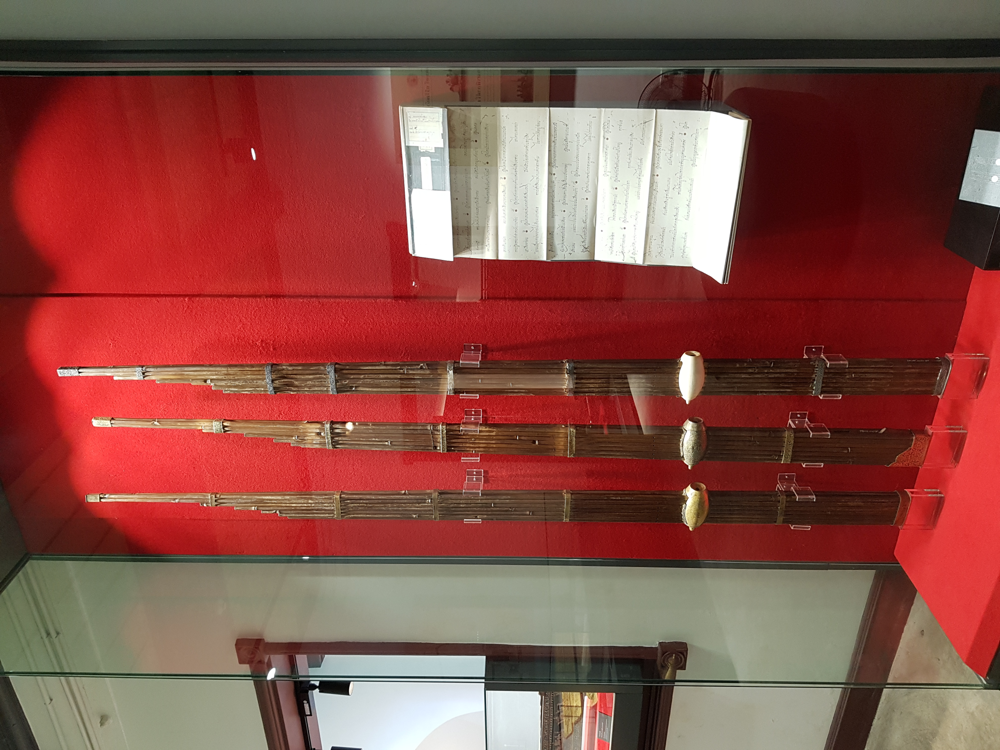
Building a Khaen — The Lao Free-Reed Mouth Organ
Build a khaen, the national instrument of Laos: a flat raft of long paired bamboo pipes passing through a small hardwood windchest, each voiced by a springy metal free reed. Cover a pipe's hole and it sounds; hold some for a drone while others play a tune — and it sings on both blow and draw. A serious maker build in the free reed, in raft form.
មធ្យម
Several hours over a few sessions
ការណែនាំ
1
1
A raft of singing bamboo
A raft of singing bamboo
The khaen is the free-reed mouth organ of Laos and northeast Thailand: long bamboo pipes laid flat in a raft through a small windchest. Blow or draw, cover the holes, and it pours out drones and melody at once for mor lam music.
2
2
Cut the pipes
Cut the pipes
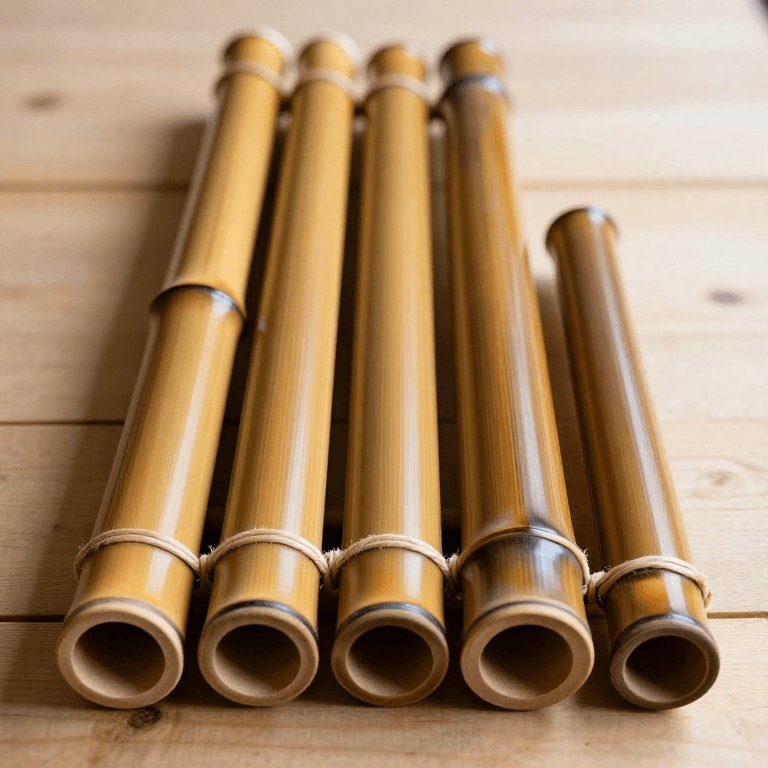
Cut a set of long, thin bamboo pipes in graduated lengths and lay them in two neat rows — a raft. Fourteen to sixteen pipes make a full khaen; start with fewer.
សម្ភារៈសម្រាប់ជំហាននេះ៖
 ឫស្សី1 ដុំ
ឧបករណ៍ដែលត្រូវការ៖
 រណារកាត់ដែក
3
3
Carve the windchest
Carve the windchest
Carve a small hardwood block into a hollow windchest with a mouth-hole at one end. The whole raft of pipes will pass through this chest.
សម្ភារៈសម្រាប់ជំហាននេះ៖
 ក្តារឈើប្លាដវូដ1 ដុំ
ឧបករណ៍ដែលត្រូវការ៖
 កាំបិតស្លយ
4
4
Make the free reeds
Make the free reeds
From thin metal, cut a tiny free tongue for each pipe — a springy strip that swings cleanly through a matching slot, fixed at one end and free at the other.
សម្ភារៈសម្រាប់ជំហាននេះ៖
 សន្លឹកស្ពាន់ស្ដើង (សម្ភារៈអណ្ដាត)1 ដុំ
ឧបករណ៍ដែលត្រូវការ៖
 ដែកកិនលោហៈ
5
5
Mount a reed in each pipe
Mount a reed in each pipe
Set a reed into each pipe at the point where the pipe will cross inside the windchest, sealed airtight, with the tongue free to swing.
សម្ភារៈសម្រាប់ជំហាននេះ៖
 គ្រាប់ក្រមួនឃ្មុំ1 ដុំ
6
6
Seal the pipes into the windchest
Seal the pipes into the windchest
Pass all the pipes through the windchest so their reeds sit inside it, and seal every gap with black wax so no air can escape except through the reeds.
សម្ភារៈសម្រាប់ជំហាននេះ៖
គ្រាប់ក្រមួនឃ្មុំ1 ដុំ7
7
Cut a finger hole in each pipe
Cut a finger hole in each pipe
Cut one finger hole in each pipe, just outside the windchest. This hole is the on/off switch for that pipe's note.
ឧបករណ៍ដែលត្រូវការ៖
 ដែកចោះ
8
8
Test a pipe
Test a pipe
Cup the windchest to your mouth, blow gently, and cover one pipe's hole. Covering the hole drives the air through that pipe's reed, and it sounds.
9
9
Drone and switch
Drone and switch
An open hole lets air escape and stays silent; a covered hole sings. Hold a couple of holes covered for a constant drone while your other fingers pick out notes.
10
10
Tune the reeds
Tune the reeds
Add a dab of wax to a reed's tip to LOWER its note, or file the tip thinner to RAISE it, tuning the pipes to the khaen's seven-note scale.
សម្ភារៈសម្រាប់ជំហាននេះ៖
គ្រាប់ក្រមួនឃ្មុំ1 ដុំឧបករណ៍ដែលត្រូវការ៖
ដែកកិនលោហៈ11
11
Play drone and melody
Play drone and melody
Hold a drone under a running melody and breathe IN as well as out — free reeds sound both ways, so the khaen never has to stop for breath. That endless ripple is the sound of mor lam.
12
12
Compendium — the free reed, in a raft
Compendium — the free reed, in a raft
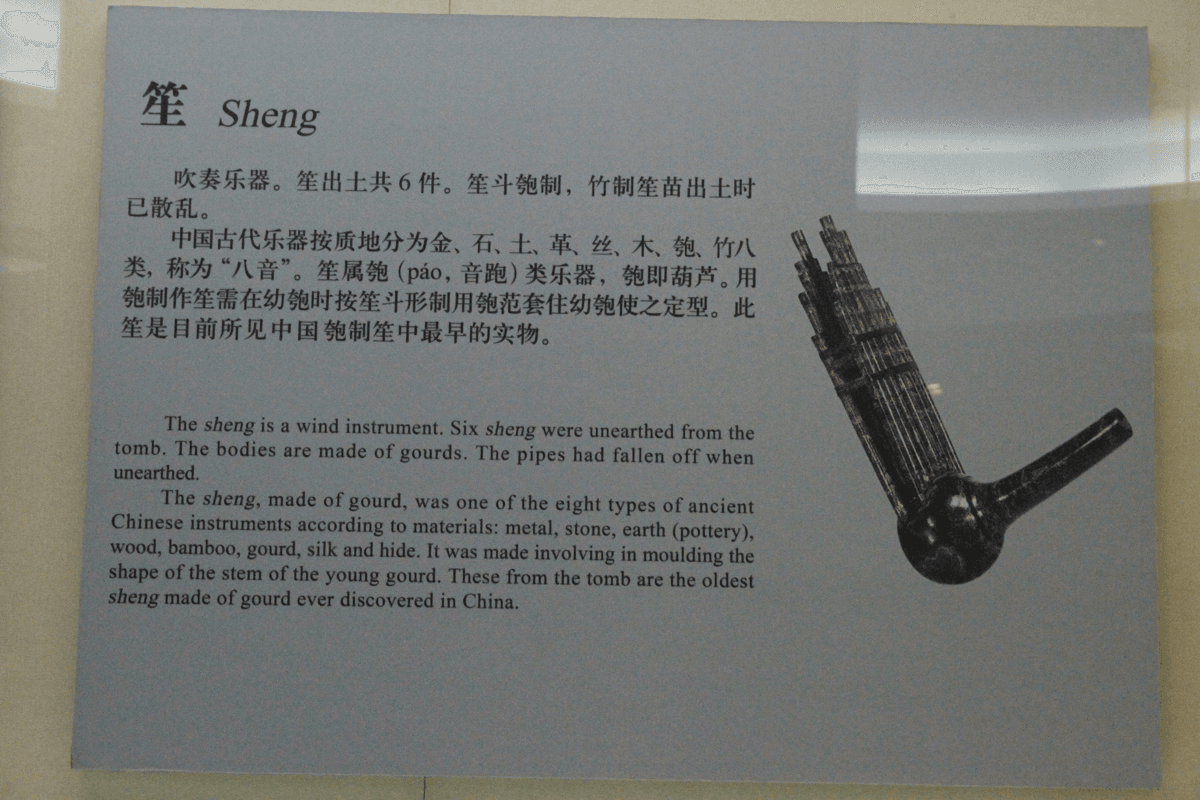
The khaen works on the free reed, exactly like the Chinese sheng: a thin metal tongue that swings freely back and forth THROUGH a close-fitting slot as air flows past, chopping the airflow into a steady tone at the tongue's own pitch and speaking equally whether you blow or draw. But where the sheng gathers short pipes upright in a gourd bowl, the khaen lays long paired bamboo pipes flat in a raft that runs through a small hardwood windchest cupped in both hands — a different shape for the same idea, spread across Asia. Each pipe holds one reed, and its finger hole is a switch: only a covered hole forces air through the reed, so a player can hold some holes down for a continuous drone while other fingers pick out a melody above it, with no pause to breathe — the endlessly rippling texture of Lao and Isan mor lam song. The reeds are tuned by filing them thinner to raise the pitch or loading their tips with a dab of wax to lower it, set to the khaen's seven-note scale, and the whole windchest is sealed with black insect wax so that every breath goes only through the reeds. The free reed that both the khaen and the sheng are built on is the ancestor of the Western harmonica, accordion and reed organ, and its distant cousin is the plucked tongue of the jaw harp. The national instrument of Laos, the khaen is recognised by UNESCO as part of humanity's living heritage.
សម្ភារៈ
4- 1 ដុំកន្លែងទុក
- 1 ដុំកន្លែងទុក
- កន្លែងទុក
- 1 ដុំកន្លែងទុក
ឧបករណ៍ចាំបាច់
4- កន្លែងទុក
- កន្លែងទុក
- កន្លែងទុក
- កន្លែងទុក
ប្លង់ពាក់ព័ន្ធ
ប្លង់ទាំងនេះចែករំលែកចំណេះដឹង — បច្ចេកទេស សម្ភារៈ ឬគោលការណ៍
CC0 សាធារណៈ
ប្លង់នេះត្រូវបានចេញផ្សាយក្រោម CC0។ អ្នកមានសិទ្ធិចម្លង កែប្រែ ចែកចាយ និងប្រើប្រាស់ដោយមិនចាំបាច់សុំអនុញ្ញាត។
គាំទ្រអ្នកបង្កើតដោយទិញផលិតផលតាមរយៈប្លង់របស់ពួកគេ ដែលពួកគេទទួលបាន កម្រៃជើងសារអ្នកបង្កើត កំណត់ដោយអ្នកលក់ ឬបង្កើតកំណែថ្មីនៃប្លង់នេះ ហើយបញ្ចូលជាការតភ្ជាប់ក្នុងប្លង់របស់អ្នកដើម្បីចែករំលែកចំណូល។