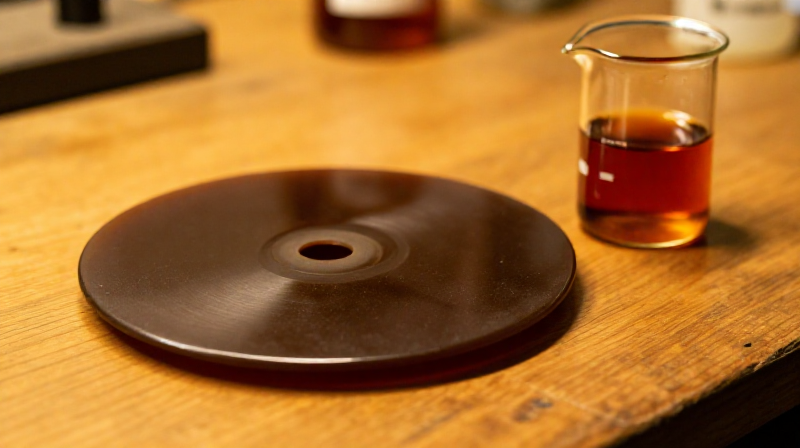

Making Bakelite — The First Fully Synthetic Plastic That Launched the Age of Polymers
Celluloid, the first plastic (1869), was made from modified natural cellulose — a semi-synthetic material. The next leap came in 1907, when Leo Baekeland, a Belgian-born chemist working in Yonkers, New York, created the first entirely synthetic plastic: a material whose polymer chains were built from scratch from simple chemical feedstocks, with no natural polymer as a starting point.
Baekeland reacted phenol (C₆H₅OH) with formaldehyde (HCHO) under heat and pressure in a steam-heated autoclave he called the 'Bakelizer'. The reaction is a condensation polymerisation: each phenol molecule has three reactive positions on its aromatic ring (ortho and para to the hydroxyl group) where formaldehyde can form methylene bridges (-CH₂-) linking adjacent phenol rings together. Unlike celluloid, which is a thermoplastic (can be remelted), the phenol-formaldehyde network is a thermoset — once the cross-linking is complete, the material cannot be melted, dissolved, or reshaped. It is permanently, irreversibly hard.
Bakelite's properties were extraordinary: electrically insulating, heat-resistant, chemically stable, dimensionally stable, and mouldable into complex shapes before curing. It became the material of the electrical age — every telephone, radio, distributor cap, plug, and switch from 1910 to 1950 was made of Bakelite or a phenolic resin. It was also the first material to prove that chemists could design new materials with properties unavailable in nature.
This lab-scale demonstration follows Baekeland's core chemistry: reacting phenol with formaldehyde using an acid catalyst to produce a phenol-formaldehyde resin (novolac), then curing it with heat and a hardener (hexamethylenetetramine) to produce the cross-linked thermoset.
SAFETY WARNING: Phenol is a severe skin poison — it causes painless white burns that can be fatal if a large area is exposed. Formaldehyde is a known carcinogen, toxic by inhalation, and a severe eye irritant. This experiment MUST be performed in a fume hood with full protective equipment. Never handle phenol with bare hands — it penetrates nitrile gloves over time, so double-glove and change gloves every 15 minutes.
ខ្លឹមសារគ្រោះថ្នាក់
ប្លង់នេះមាននីតិវិធីគ្រោះថ្នាក់។ សូមចូលប្រើ និងបើកមាតិកាគ្រោះថ្នាក់នៅក្នុងការកំណត់គណនីរបស់អ្នកដើម្បីមើលការណែនាំជាជំហាន។
ចូលប្លង់នេះធ្វើ

ប្លង់ពាក់ព័ន្ធ
ប្លង់ទាំងនេះចែករំលែកចំណេះដឹង — បច្ចេកទេស សម្ភារៈ ឬគោលការណ៍
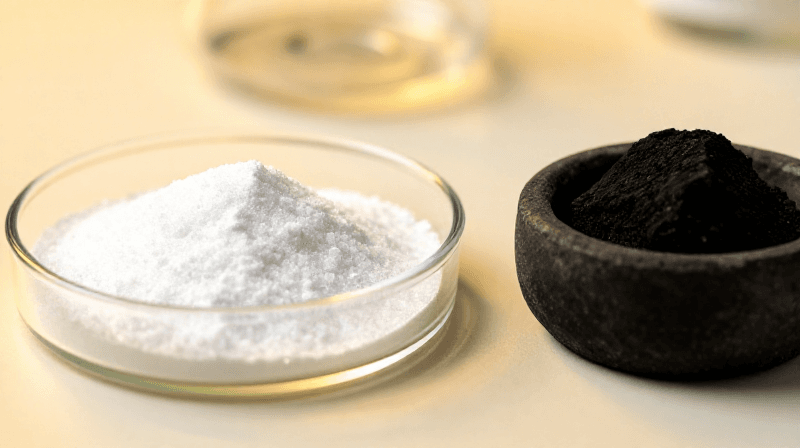
Making Soda Ash by the Leblanc Process — The Chemical That Made Soap and Glass Affordable
ដោយ Charlie
ឧស្សាហកម្ម
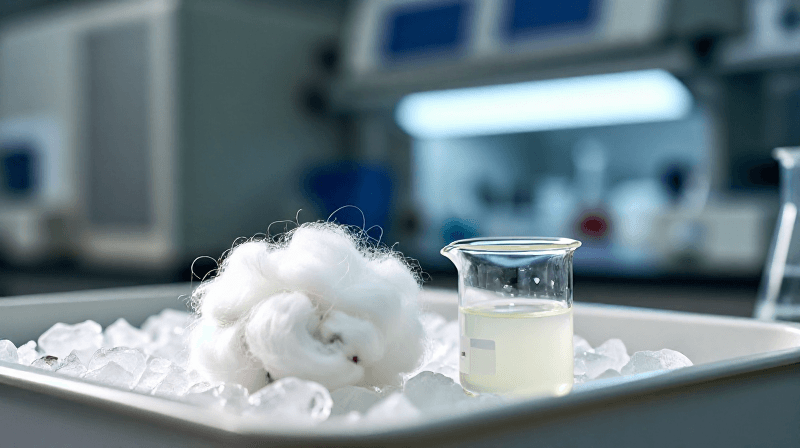
Making Nitrocellulose (Guncotton) — The Nitration That Launched Smokeless Powder and Plastics
ដោយ Charlie
ឧស្សាហកម្ម
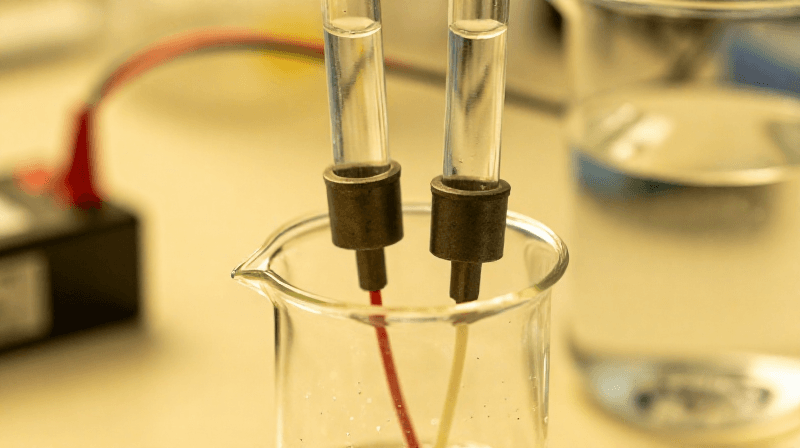
Electrolysis of Water — Splitting the Molecule That Fooled Chemistry for Centuries
ដោយ Charlie
ឧស្សាហកម្ម
CC0 សាធារណៈ
ប្លង់នេះត្រូវបានចេញផ្សាយក្រោម CC0។ អ្នកមានសិទ្ធិចម្លង កែប្រែ ចែកចាយ និងប្រើប្រាស់ដោយមិនចាំបាច់សុំអនុញ្ញាត។
គាំទ្រអ្នកបង្កើតដោយទិញផលិតផលតាមរយៈប្លង់របស់ពួកគេ ដែលពួកគេទទួលបាន កម្រៃជើងសារអ្នកបង្កើត កំណត់ដោយអ្នកលក់ ឬបង្កើតកំណែថ្មីនៃប្លង់នេះ ហើយបញ្ចូលជាការតភ្ជាប់ក្នុងប្លង់របស់អ្នកដើម្បីចែករំលែកចំណូល។