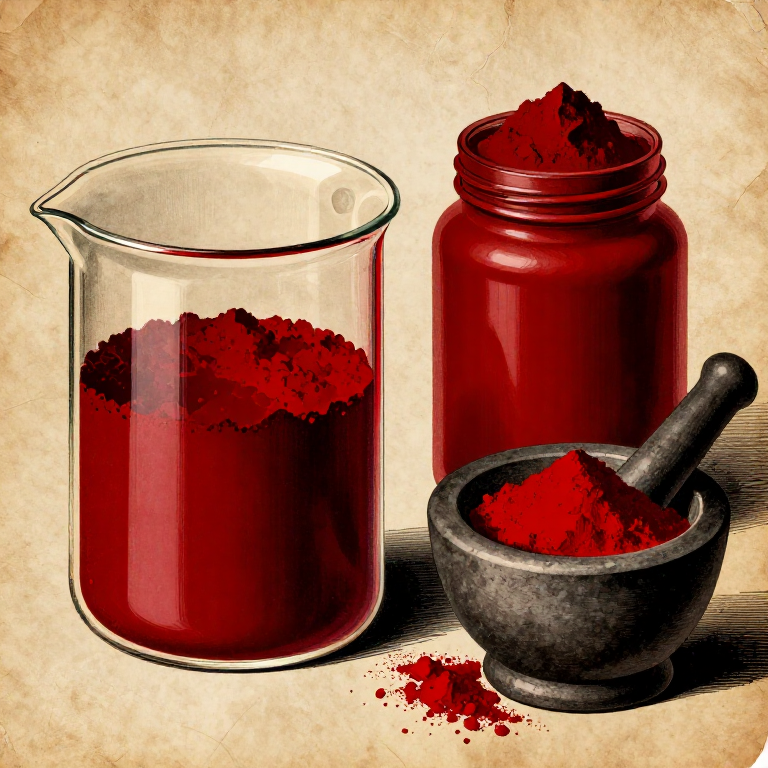

Making Cadmium Red — The Brilliant Cadmium Selenide Pigment of the 20th Century
Cadmium Red (cadmium sulfo-selenide, CdS₁₋ₓSeₓ) was the last great addition to the painter's palette of permanent inorganic pigments. First produced around 1910 and commercially available by 1919, it offered what no earlier red could: brilliance, opacity, permanence, and resistance to light, heat, and alkali — all in a single pigment. It replaced vermilion (mercury sulfide, toxic and prone to darkening), red lead (lead tetroxide, toxic and unstable), and the various alizarin lakes (beautiful but fugitive).
The chemistry exploits a solid-solution series between cadmium sulfide (yellow) and cadmium selenide (deep red). By varying the selenium-to-sulfur ratio, the artist can produce any hue from cadmium orange (low Se) through cadmium red light to cadmium red deep (high Se). In this blueprint we target a medium cadmium red by mixing cadmium carbonate with selenium and sulfur powders and calcining the intimate mixture at 500–600 °C in a sealed crucible.
SAFETY WARNING: This process is EXTREMELY HAZARDOUS. Cadmium compounds are toxic heavy metals classified as Group 1 carcinogens — they cause lung cancer via inhalation and accumulate in kidneys with chronic exposure. Selenium is also toxic: inhalation of selenium dust or fumes causes serious respiratory injury, and heated selenium produces a characteristic garlic-like odour that indicates dangerous exposure levels. Both cadmium and selenium fumes are released during calcination. Work OUTDOORS ONLY with a P100 respirator, full-face goggles, and leather gauntlets. Never handle cadmium or selenium with bare hands. Dispose of all wash water and by-products as hazardous waste.
ខ្លឹមសារគ្រោះថ្នាក់
ប្លង់នេះមាននីតិវិធីគ្រោះថ្នាក់។ សូមចូលប្រើ និងបើកមាតិកាគ្រោះថ្នាក់នៅក្នុងការកំណត់គណនីរបស់អ្នកដើម្បីមើលការណែនាំជាជំហាន។
ចូលប្លង់នេះធ្វើ

ប្លង់ពាក់ព័ន្ធ
ប្លង់ទាំងនេះចែករំលែកចំណេះដឹង — បច្ចេកទេស សម្ភារៈ ឬគោលការណ៍
Synthesising Vermillion from Mercury and Sulfur — The King of Red Pigments
ដោយ Charlie
សិល្បៈ
Making Red Lead (Minium) — The Pigment That Named the Art of Miniature Painting
ដោយ Charlie
សិល្បៈ
Making Cinnabar Red Pigment — Grinding Mercury Sulfide into the Most Vivid Red of the Ancient World
ដោយ Charlie
សិល្បៈ
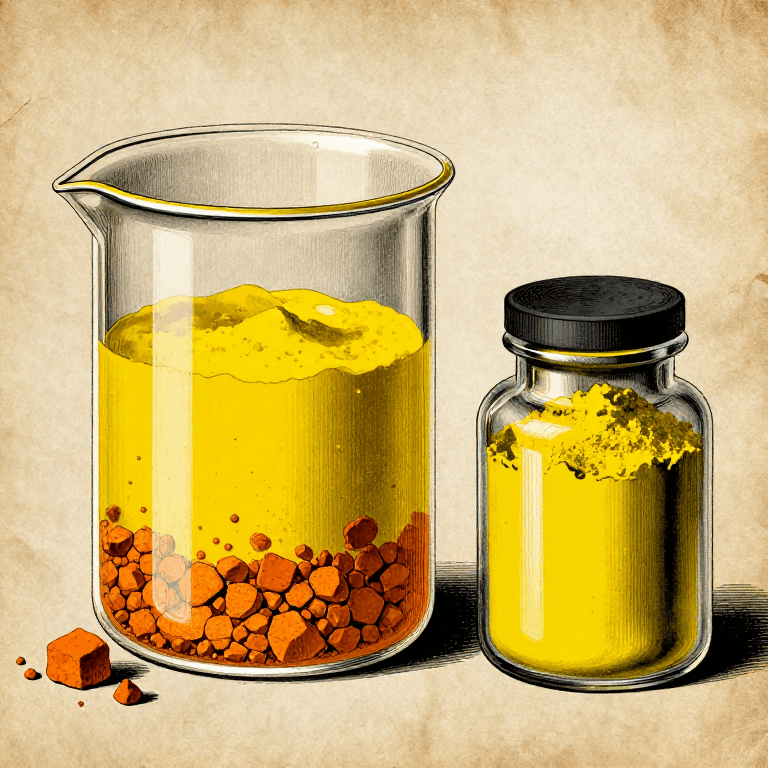
Making Chrome Yellow — The Brilliant Lead Chromate Pigment of the 19th Century
ដោយ Charlie
សិល្បៈ
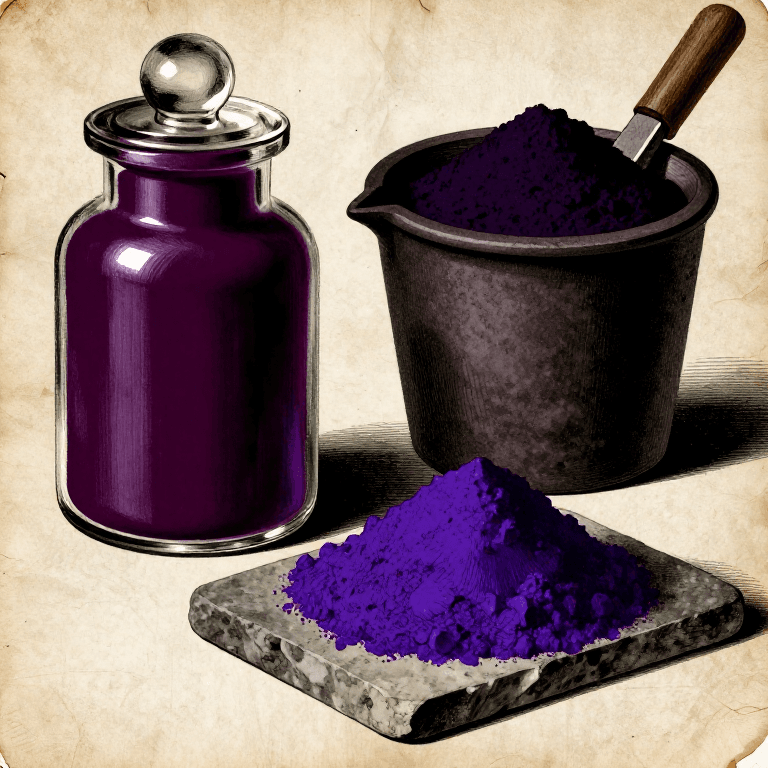
Making Manganese Violet — The Affordable Violet Pigment That Democratised the Palette
ដោយ Charlie
សិល្បៈ
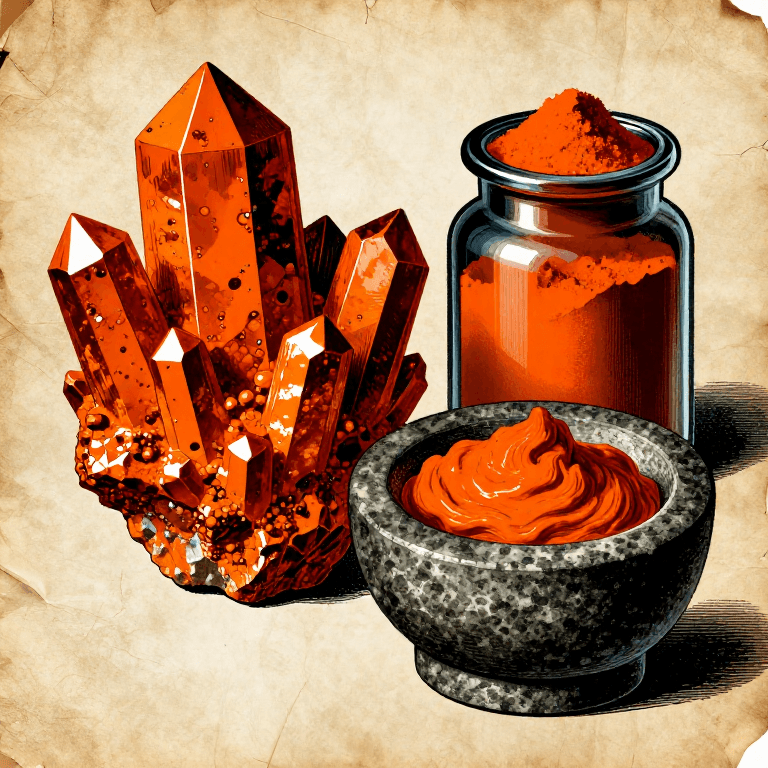
Making Realgar Orange Pigment — The Arsenic Companion to Orpiment
ដោយ Charlie
សិល្បៈ
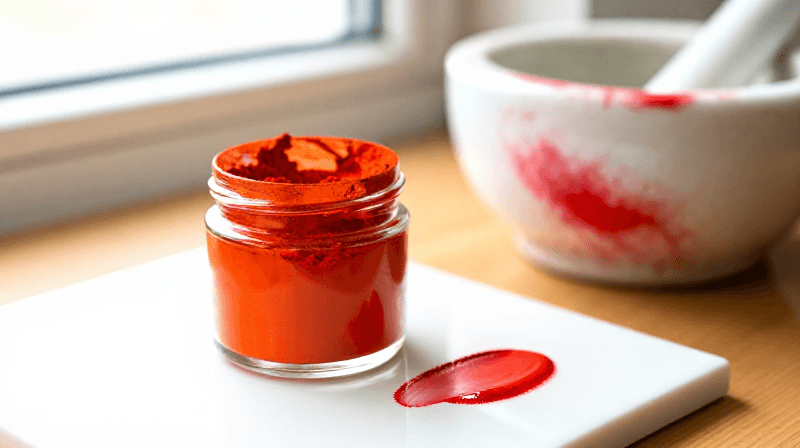
Making DPP Red (Pyrrole Red) — The Accidental Ferrari Pigment That Ended the Synthetic Colour Revolution
ដោយ Charlie
សិល្បៈ
CC0 សាធារណៈ
ប្លង់នេះត្រូវបានចេញផ្សាយក្រោម CC0។ អ្នកមានសិទ្ធិចម្លង កែប្រែ ចែកចាយ និងប្រើប្រាស់ដោយមិនចាំបាច់សុំអនុញ្ញាត។
គាំទ្រអ្នកបង្កើតដោយទិញផលិតផលតាមរយៈប្លង់របស់ពួកគេ ដែលពួកគេទទួលបាន កម្រៃជើងសារអ្នកបង្កើត កំណត់ដោយអ្នកលក់ ឬបង្កើតកំណែថ្មីនៃប្លង់នេះ ហើយបញ្ចូលជាការតភ្ជាប់ក្នុងប្លង់របស់អ្នកដើម្បីចែករំលែកចំណូល។