
Making Lime Wash
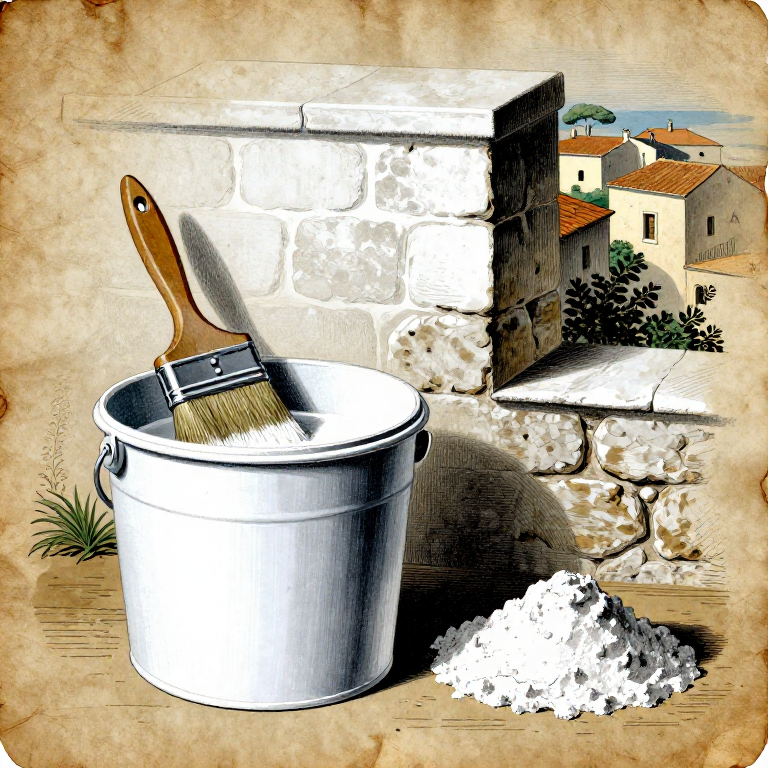
Lime wash is a simple mixture of slaked lime (calcium hydroxide) and water, used to coat walls, buildings and fences. It is cheap, antiseptic, breathable and beautiful.
The chemistry is elegant. Slaked lime (Ca(OH)₂) is mixed with water to a thin cream. When brushed onto a wall, the water evaporates and the calcium hydroxide absorbs carbon dioxide from the air, slowly converting back to calcium carbonate (CaCO₃) — the same mineral as limestone and chalk. This carbonation process takes days to weeks, during which the coating gradually hardens to a durable, crystalline, matte white surface. Each coat is thin and slightly translucent, so multiple coats build up a depth and luminosity that modern emulsion paints cannot match.
Lime wash is also one of the most environmentally friendly paints: the raw material is abundant limestone, the only solvent is water, and the finished coating absorbs CO₂ as it cures. It is naturally antiseptic (the high alkalinity kills bacteria and mould) and fully breathable — allowing moisture to pass through without trapping damp in walls. Adding earth pigments, iron oxide, or other mineral colours produces a range of beautiful, historically accurate tinted finishes.
ការណែនាំ
Prepare the slaked lime putty
Prepare the slaked lime putty
Start with 1 kg of slaked lime (calcium hydroxide, Ca(OH)₂). Slaked lime is available as a dry powder (hydrated lime) or as a wet putty (lime putty, which has been soaked for weeks or months and is smoother). Lime putty gives a finer finish than dry powder. If using dry hydrated lime, mix it with enough water to form a thick paste and let it stand overnight. Hydrated lime is already slaked; the soak matures the putty and improves the workability. WARNING: slaked lime is strongly alkaline (pH 12-13). Wear gloves and eye protection. Avoid skin contact and do not inhale the dry powder.
សម្ភារៈសម្រាប់ជំហាននេះ៖
 កាល់ស្យូមអ៊ីដ្រូស៊ីត (កំបោររលត់)1 គក
ឧបករណ៍ដែលត្រូវការ៖
 ស្រោមដៃកៅស៊ូ
 វ៉ែនតាសុវត្ថិភាពបិទជិត
Mix with water to painting consistency
Mix with water to painting consistency
Gradually add water to the lime putty or hydrated lime paste, stirring continuously, until the mixture reaches the consistency of full-cream milk — thin enough to brush easily but not watery. For 1 kg of slaked lime, this typically requires 3-5 litres of water. Stir thoroughly and strain through a fine mesh to remove any lumps or undissolved particles. Lumps will cause streaks and an uneven finish. The mixture should be smooth and uniform.
ឧបករណ៍ដែលត្រូវការ៖
 ចម្រោះល្អិត
 វែកឈើ
Add pigment for colour (optional)
Add pigment for colour (optional)
For a tinted lime wash, add earth pigment powder to the mixture: yellow ochre for a warm cream, red ochre for a terracotta pink, raw umber for a warm grey, lampblack for a cool grey. The pigment should not exceed 10% of the lime weight — too much pigment weakens the binding. Mix the pigment with a little water to form a smooth paste before adding to the lime wash, to avoid lumps. Note that lime wash always dries lighter than it appears when wet — test a sample patch and let it dry before committing to the colour.
Apply thin coats with a wide brush
Apply thin coats with a wide brush
Dampen the wall surface with clean water before applying lime wash — dry surfaces absorb the water too quickly, preventing proper carbonation. Apply the lime wash in thin, even coats using a wide, soft-bristled brush (traditionally a large flat masonry brush or a thick round brush called a 'limewash brush'). Work quickly and do not over-brush. Each coat should be very thin — translucent when wet. Let each coat dry for 24 hours before applying the next. Apply 3-5 thin coats for a full, luminous finish. The coating will appear patchy when wet but dries even.
ឧបករណ៍ដែលត្រូវការ៖
 ជក់លាបធំទូលាយ
Allow to carbonate and cure
Allow to carbonate and cure
After the final coat, the lime wash needs time to carbonate — the calcium hydroxide absorbs CO₂ from the air and converts to calcium carbonate, forming a hard, crystalline surface. This process takes 1-4 weeks depending on humidity and temperature. Do not paint in direct hot sunlight or frost — moderate temperatures (10-25°C) and some humidity give the best carbonation. The finished surface is a luminous, chalky matte white (or tinted colour) with a subtle depth and texture that deepens with each new coat over the years. Lime wash can be recoated annually — each layer adds to the accumulated surface.
សម្ភារៈ
1- កន្លែងទុក
ឧបករណ៍ចាំបាច់
5- កន្លែងទុក
- កន្លែងទុក
- កន្លែងទុក
- កន្លែងទុក
- កន្លែងទុក
សម្ភារៈប្លង់ដែលបានភ្ជាប់
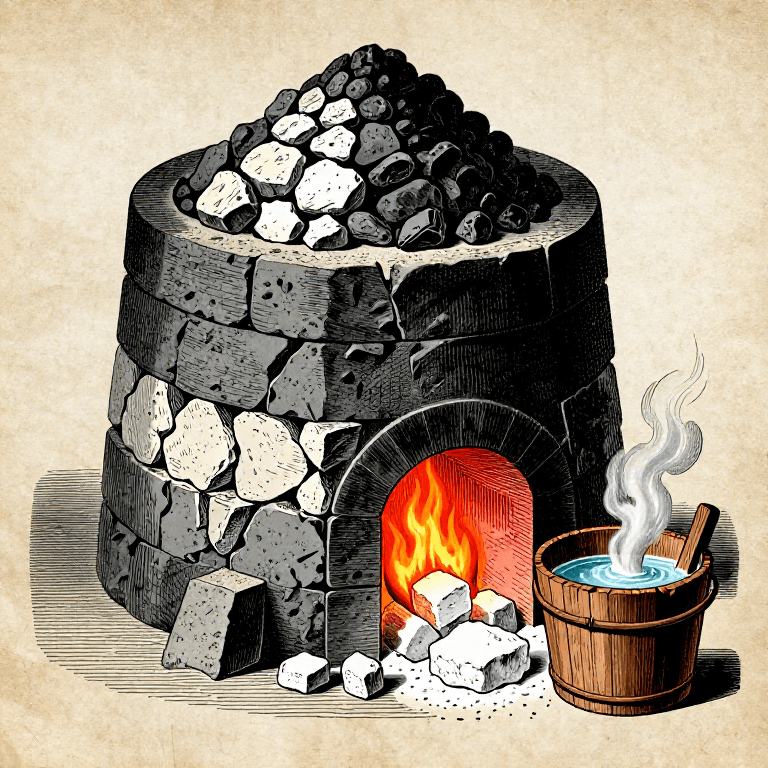
Burning Lime from Limestone — The Oldest Chemical Industry on Earth
ដោយ Mary
ការផលិតកាត់បន្ថយ
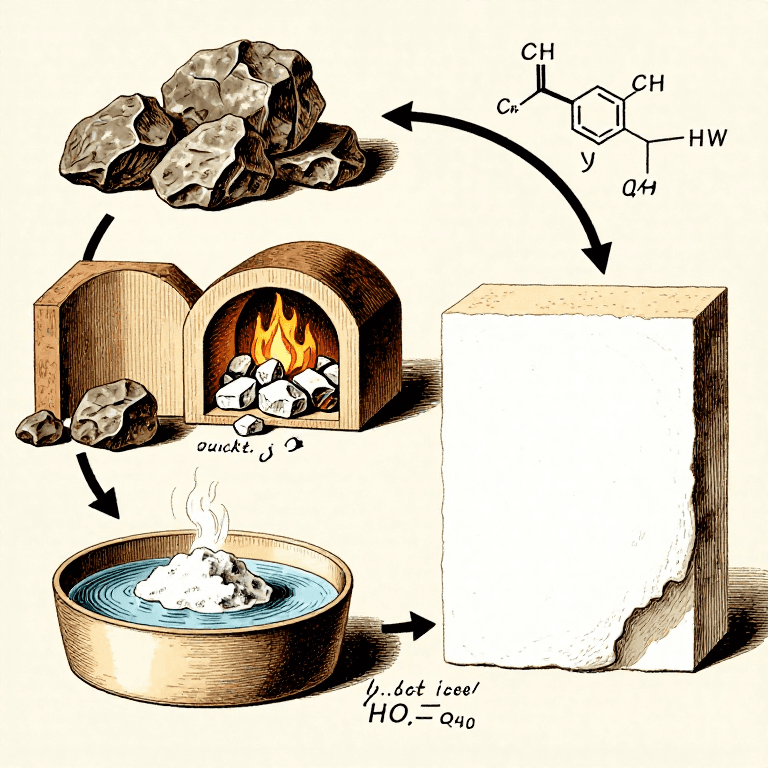
Burning Limestone for Lime Plaster — Calcination and Slaking
ដោយ Charlie
ការធ្វើកំបោរ
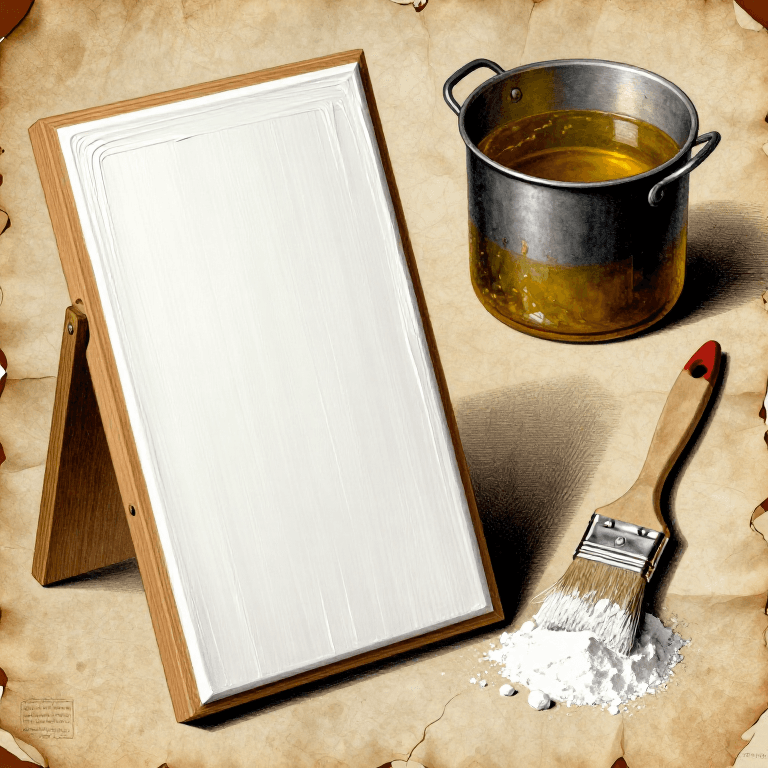
Making Traditional Gesso — The White Ground That Prepared Every Panel Painting in History
ដោយ Charlie
សិល្បៈ
ប្លង់នេះធ្វើ
ប្លង់ពាក់ព័ន្ធ
ប្លង់ទាំងនេះចែករំលែកចំណេះដឹង — បច្ចេកទេស សម្ភារៈ ឬគោលការណ៍
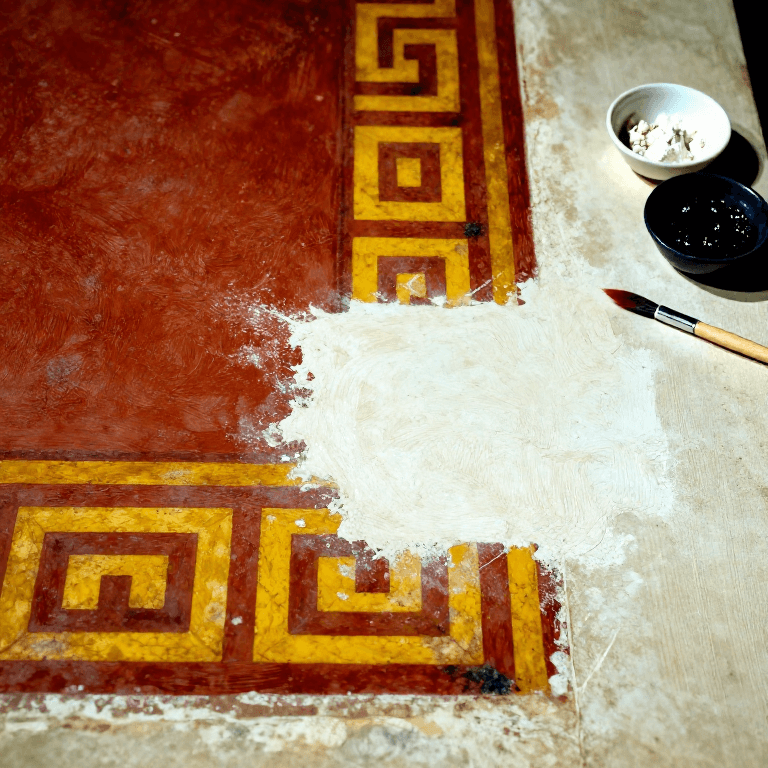
Painting a Buon Fresco on Wet Lime Plaster — Roman Wall Painting
ដោយ Charlie
ការធ្វើកំបោរ
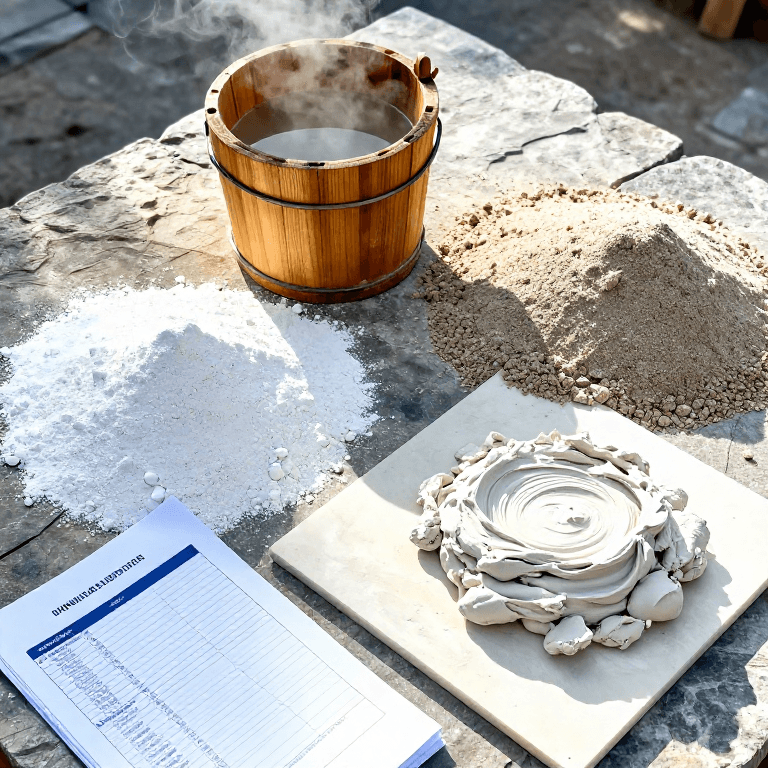
Slaking and Mixing Lime Mortar — Medieval Building Cement
ដោយ Charlie
ការធ្វើកំបោរ
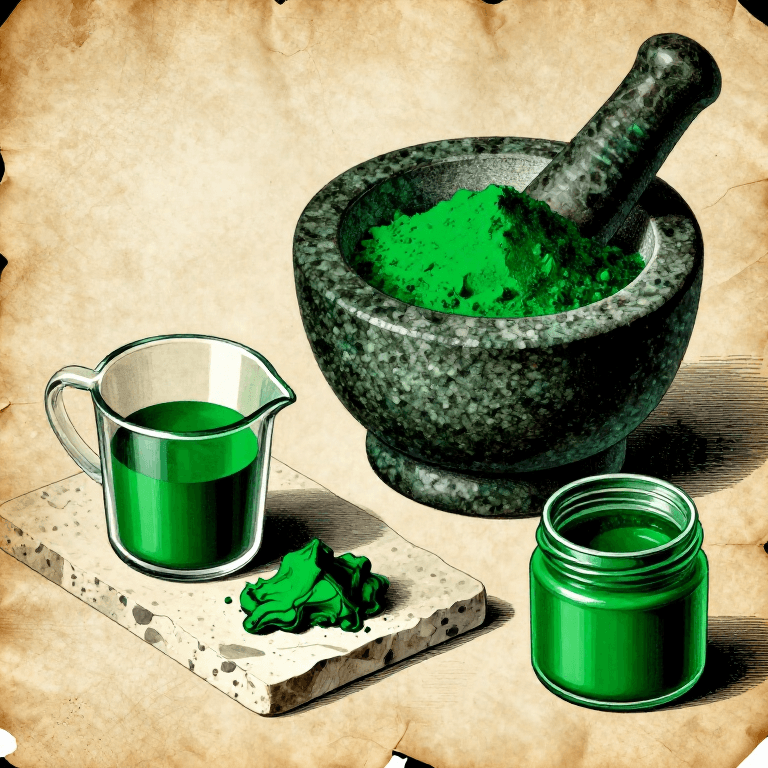
Making Malachite Green Pigment — Grinding the Copper Mineral into Painter's Green
ដោយ Charlie
សិល្បៈ
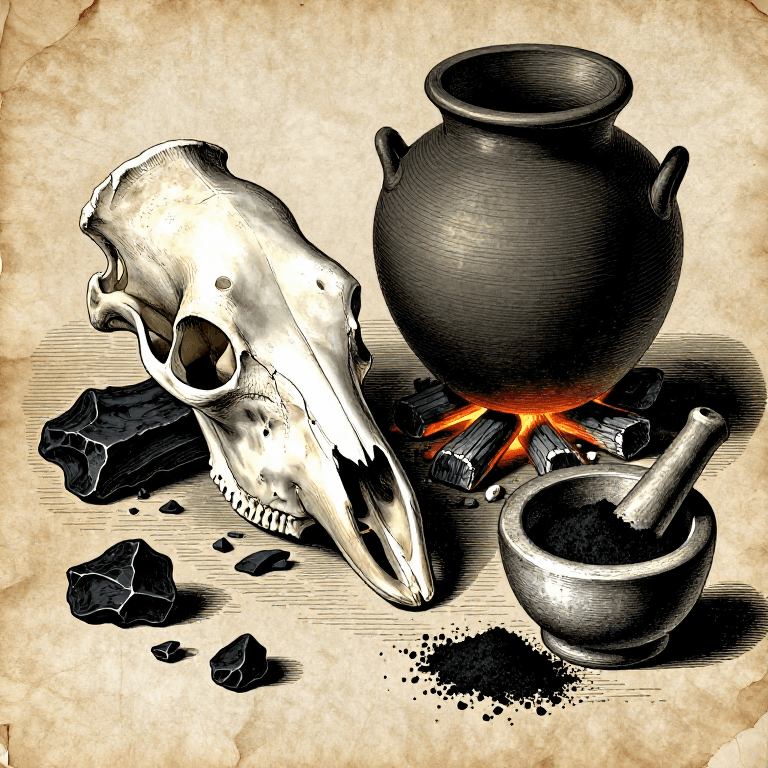
Making Bone Black Pigment — Calcining Animal Bones into the Warm Black of Old Master Painters
ដោយ Charlie
សិល្បៈ
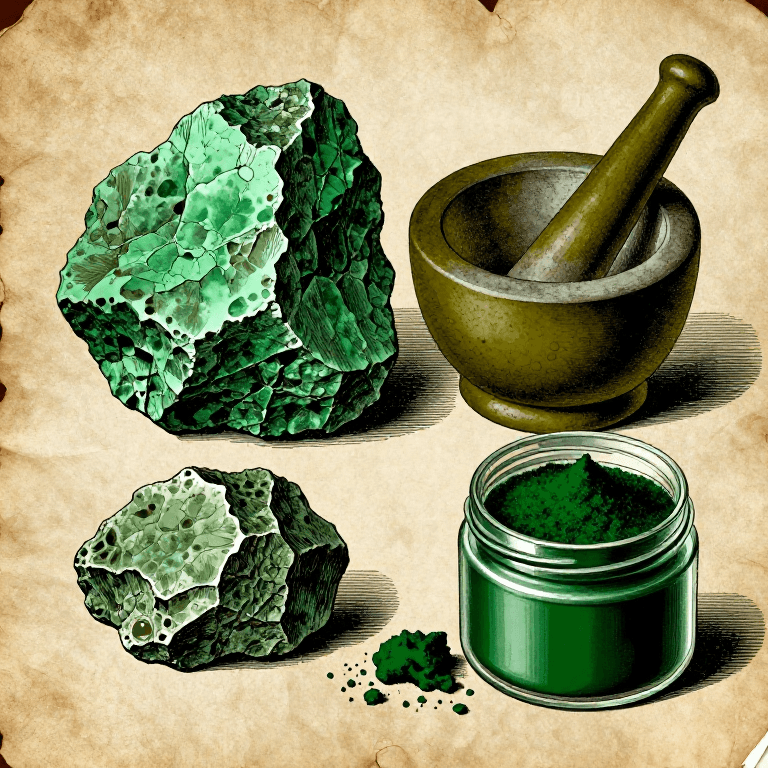
Making Green Earth Pigment (Terra Verte) — The Soft Green of Celadonite and Glauconite
ដោយ Charlie
សិល្បៈ
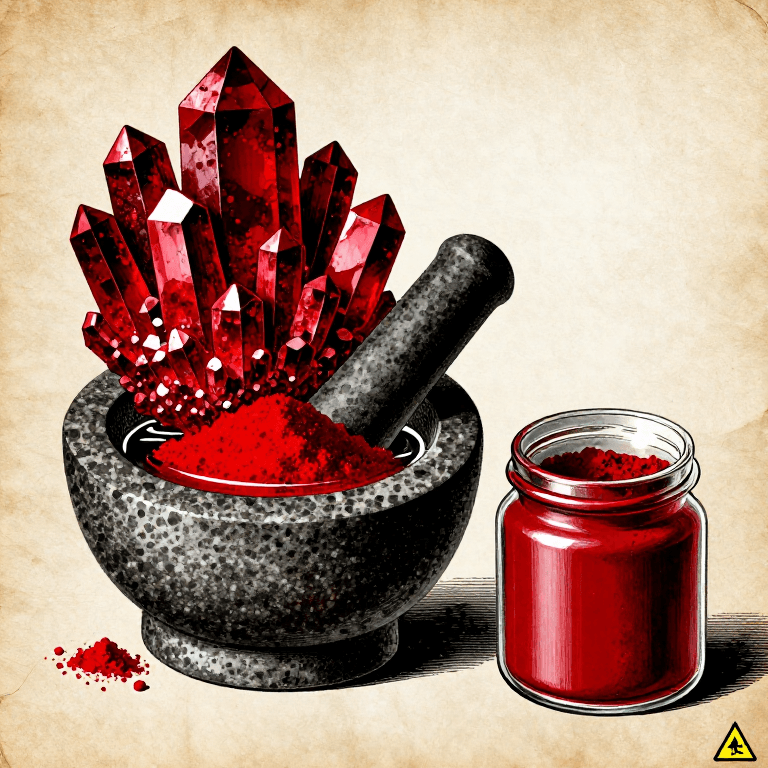
Making Cinnabar Red Pigment — Grinding Mercury Sulfide into the Most Vivid Red of the Ancient World
ដោយ Charlie
សិល្បៈ
CC0 សាធារណៈ
ប្លង់នេះត្រូវបានចេញផ្សាយក្រោម CC0។ អ្នកមានសិទ្ធិចម្លង កែប្រែ ចែកចាយ និងប្រើប្រាស់ដោយមិនចាំបាច់សុំអនុញ្ញាត។
គាំទ្រអ្នកបង្កើតដោយទិញផលិតផលតាមរយៈប្លង់របស់ពួកគេ ដែលពួកគេទទួលបាន កម្រៃជើងសារអ្នកបង្កើត កំណត់ដោយអ្នកលក់ ឬបង្កើតកំណែថ្មីនៃប្លង់នេះ ហើយបញ្ចូលជាការតភ្ជាប់ក្នុងប្លង់របស់អ្នកដើម្បីចែករំលែកចំណូល។