សិល្បៈ
សម្រស់ និង សុខុមាលភាព
សិប្បកម្ម
វប្បធម៌ និង ប្រវត្តិសាស្ត្រ
ការកម្សាន្ត
បរិស្ថាន
ម្ហូប និង ភេសជ្ជៈ
វិស្វកម្មបញ្ច្រាស
វិទ្យាសាស្ត្រ
កីឡា
បច្ចេកវិទ្យា
ប្រដាប់ដែលស្លៀក
គ្រោះថ្នាក់


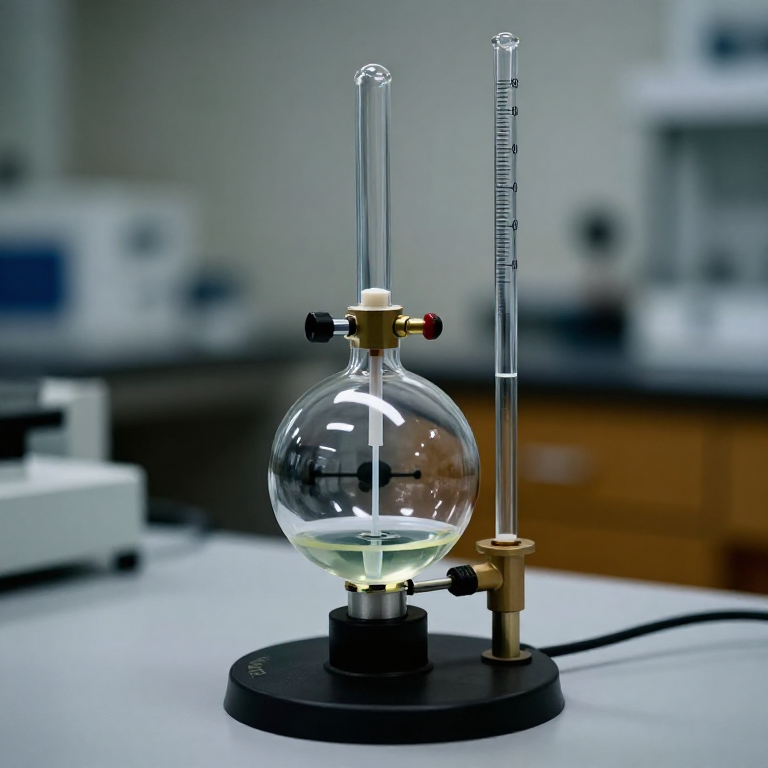
McLeod Gauge
Once a pump has removed most of the air, how do you know how much is left? At a thousandth of an atmosphere a mercury manometer's two columns differ by less than a millimetre, and below that the difference vanishes into the meniscus. Herbert McLeod's answer in 1874 was to stop trying to measure the pressure and instead COMPRESS a known volume of the gas into a tiny capillary, by a known ratio, until its pressure is large enough to read easily. Compress a litre into a cubic millimetre and a pressure a million times too small becomes readable on an ordinary scale. It is a wonderfully direct instrument — it needs no calibration against anything, because Boyle's law and two measured volumes give the answer outright.
កម្រិតខ្ពស់
4 hours 30 minutes
ខ្លឹមសារគ្រោះថ្នាក់
ប្លង់នេះមាននីតិវិធីគ្រោះថ្នាក់។ សូមចូលប្រើ និងបើកមាតិកាគ្រោះថ្នាក់នៅក្នុងការកំណត់គណនីរបស់អ្នកដើម្បីមើលការណែនាំជាជំហាន។
ចូលប្លង់ពាក់ព័ន្ធ
ប្លង់ទាំងនេះចែករំលែកចំណេះដឹង — បច្ចេកទេស សម្ភារៈ ឬគោលការណ៍

CC0 សាធារណៈ
ប្លង់នេះត្រូវបានចេញផ្សាយក្រោម CC0។ អ្នកមានសិទ្ធិចម្លង កែប្រែ ចែកចាយ និងប្រើប្រាស់ដោយមិនចាំបាច់សុំអនុញ្ញាត។
គាំទ្រអ្នកបង្កើតដោយទិញផលិតផលតាមរយៈប្លង់របស់ពួកគេ ដែលពួកគេទទួលបាន កម្រៃជើងសារអ្នកបង្កើត កំណត់ដោយអ្នកលក់ ឬបង្កើតកំណែថ្មីនៃប្លង់នេះ ហើយបញ្ចូលជាការតភ្ជាប់ក្នុងប្លង់របស់អ្នកដើម្បីចែករំលែកចំណូល។