
សិល្បៈ
សម្រស់ និង សុខុមាលភាព
សិប្បកម្ម
វប្បធម៌ និង ប្រវត្តិសាស្ត្រ
ការកម្សាន្ត
បរិស្ថាន
ម្ហូប និង ភេសជ្ជៈ
អនាគតបៃតង
វិស្វកម្មបញ្ច្រាស
SCHOOL PROJECTS
វិទ្យាសាស្ត្រ
កីឡា
បច្ចេកវិទ្យា
ប្រដាប់ដែលស្លៀក
Making a Coiled-Straw Bee Skep — The Traditional Beehive Before Wooden Boxes
Karen

បង្កើតដោយ

Karen

2. កក្កដា 2026SE
2
0
0
0
0

Making a Coiled-Straw Bee Skep — The Traditional Beehive Before Wooden Boxes

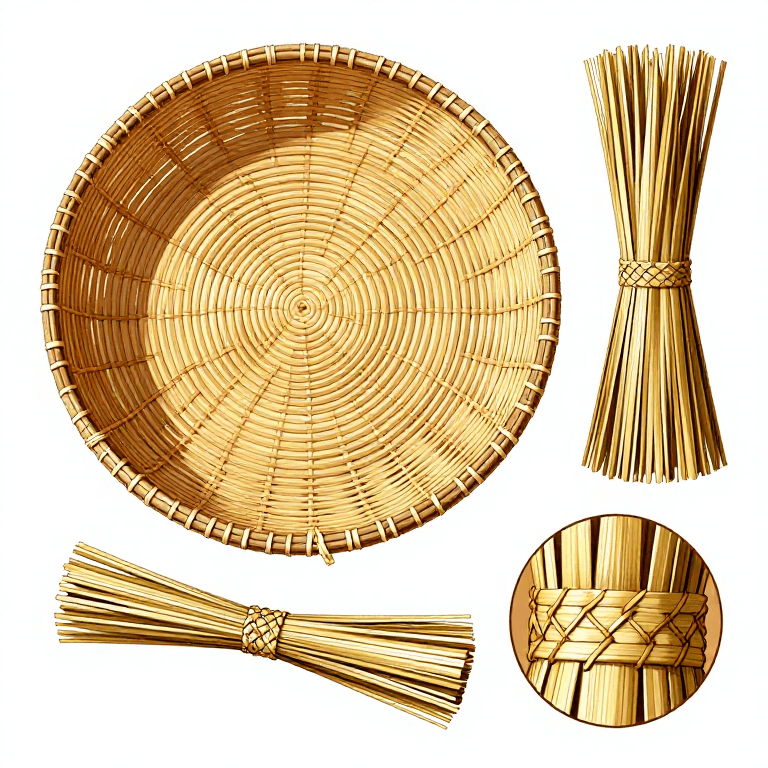
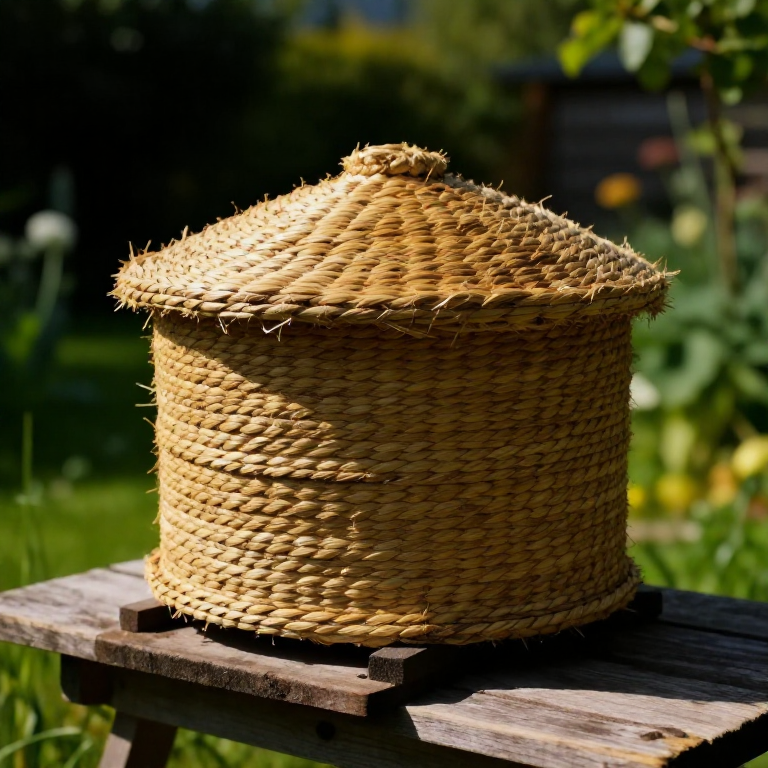
The bee skep is the coiled-straw beehive that housed honeybees across Europe for roughly two thousand years, from antiquity into the 1800s, before wooden box hives replaced it. Using the same coiling technique as a straw basket, long rye straw is wound into a dome and stitched together with split cane. This blueprint builds a traditional skep by hand — from preparing the straw to the finished, weatherproofed hive ready to house a swarm.
មធ្យម
8

ការណែនាំ

1

Harvest and clean long rye straw

Cut long rye or wheat straw and strip off the seed heads and leaf sheaths, keeping the hollow stems long and unbroken for strong coils.

Materials for this step:

Rye StrawRye Straw1 bundle

Tools needed:

KnifeKnife
2

Split and soak the binding cane

Split lengths of cane into thin flexible strips and soak them in water until pliable — these will sew the straw coils together.

Materials for this step:

Split CaneSplit Cane1 bundle
WaterWater3 liter

Tools needed:

KnifeKnife
3

Make the girth gauge

Form a small open ring about 2.5 cm across (the traditional 'girth', often a cow-horn tip). Straw fed through it keeps every coil the same thickness.

Tools needed:

Skep Girth GaugeSkep Girth Gauge
4

Bind the crown

Take a small handful of straw, bend it into a tight knot to form the top knob of the skep, and lash it firmly with a strip of split cane.

Materials for this step:

Rye StrawRye Straw1 bundle
Split CaneSplit Cane1 meter

Tools needed:

AwlAwl
5

Feed straw into an even rope

Pass straw through the girth to form a continuous rope of even thickness, adding a few stems at a time so the bundle never thins as you work.

Materials for this step:

Rye StrawRye Straw1 bundle

Tools needed:

Skep Girth GaugeSkep Girth Gauge
6

Sew the first coils to the crown

Coil the straw rope in a tight spiral around the crown. Push the awl through the coil below, pass split cane through, and pull each stitch snug about every 2 cm.

Materials for this step:

Split CaneSplit Cane1 meter

Tools needed:

AwlAwl
7

Spiral outward to start the dome

Continue spiralling outward from the crown, binding each new coil to the one below. The domed top of the hive begins to take shape.

Materials for this step:

Rye StrawRye Straw1 bundle
Split CaneSplit Cane1 meter

Tools needed:

AwlAwl
8

Build the domed wall downward

Work the spiral down and out to build the wall, keeping the girth on the rope to hold thickness and every binding stitch tight and evenly spaced.

Materials for this step:

Rye StrawRye Straw1 bundle
Split CaneSplit Cane1 meter

Tools needed:

AwlAwl
Skep Girth GaugeSkep Girth Gauge
9

Keep the courses even

Control how far each coil steps outward so the dome stays smooth and symmetrical. Steady, even courses make a strong, weathertight hive.

Materials for this step:

Rye StrawRye Straw1 bundle

Tools needed:

AwlAwl
10

Widen to the finished base

As you near the bottom, let the coils reach the finished diameter of about 35–40 cm — the standard size for a colony of bees.

Materials for this step:

Rye StrawRye Straw1 bundle
Split CaneSplit Cane1 meter

Tools needed:

AwlAwl
11

Cut the flight entrance

At the lower edge, cut a small entrance notch in a coil so the bees can come and go once the skep is set open-side down.

Tools needed:

KnifeKnife
12

Finish and lock the base coil

Complete the last coil at the base, taper off the straw rope, and lock the final binding stitches so the skep cannot unravel.

Materials for this step:

Split CaneSplit Cane1 meter

Tools needed:

AwlAwl
13

Trim the skep clean

Trim protruding straw ends and stray cane with the knife to leave a clean rim and an even outer surface.

Tools needed:

KnifeKnife
14

Clom the outside for weatherproofing

Smear a thin coat of cow-dung-and-clay daub over the straw to shed rain and seal drafts, then let it dry — the traditional 'clomming'.

Materials for this step:

Cow DungCow Dung2 kg
Ball ClayBall Clay1 kg
15

Cure the finished skep

Cure the skep in a dry, airy place. Once fully dry it is ready to hive a swarm — set open-side down on a board or stand.

សម្ភារៈ

6

ឧបករណ៍ចាំបាច់

3

Connected Blueprint Materials

You can swap these in

Can't get one of the materials? Swap it for an equivalent — these work just as well.

ប្លង់ពាក់ព័ន្ធ

ប្លង់ទាំងនេះចែករំលែកចំណេះដឹង — បច្ចេកទេស សម្ភារៈ ឬគោលការណ៍
CC0 សាធារណៈ

ប្លង់នេះត្រូវបានចេញផ្សាយក្រោម CC0។ អ្នកមានសិទ្ធិចម្លង កែប្រែ ចែកចាយ និងប្រើប្រាស់ដោយមិនចាំបាច់សុំអនុញ្ញាត។

គាំទ្រអ្នកបង្កើតដោយទិញផលិតផលតាមរយៈប្លង់របស់ពួកគេ ដែលពួកគេទទួលបាន កម្រៃជើងសារអ្នកបង្កើត កំណត់ដោយអ្នកលក់ ឬបង្កើតកំណែថ្មីនៃប្លង់នេះ ហើយបញ្ចូលជាការតភ្ជាប់ក្នុងប្លង់របស់អ្នកដើម្បីចែករំលែកចំណូល។

ការពិភាក្សា

(0)

ចូល ដើម្បីចូលរួមពិភាក្សា

កំពុងផ្ទុកមតិ...