សិល្បៈ
សម្រស់ និង សុខុមាលភាព
សិប្បកម្ម
វប្បធម៌ និង ប្រវត្តិសាស្ត្រ
ការកម្សាន្ត
បរិស្ថាន
ម្ហូប និង ភេសជ្ជៈ
វិស្វកម្មបញ្ច្រាស
វិទ្យាសាស្ត្រ
កីឡា
បច្ចេកវិទ្យា
ប្រដាប់ដែលស្លៀក
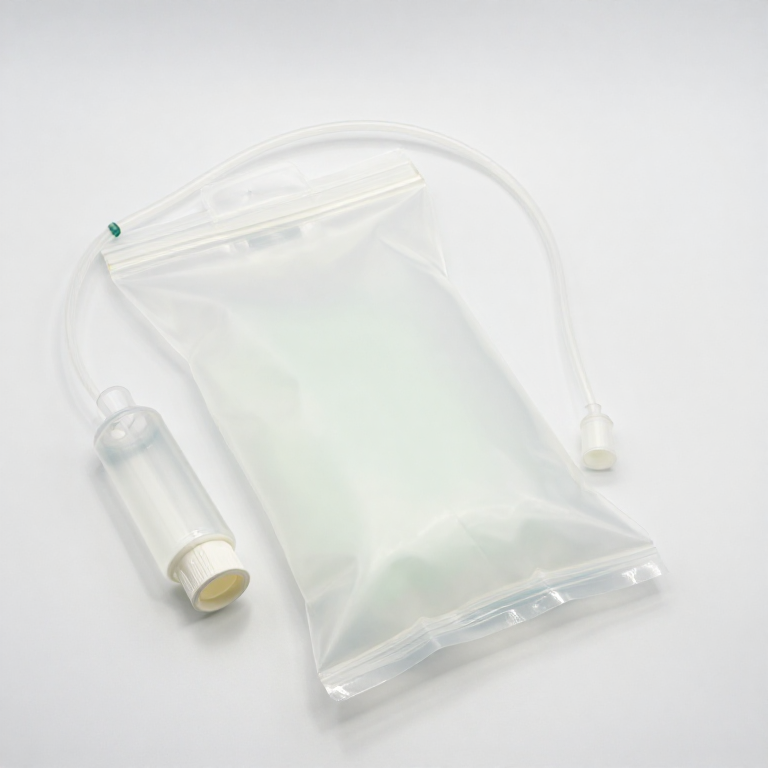


The Plastic Blood Bag
Blood was collected in glass bottles until 1950. Glass works — it holds blood, it can be sterilised, you can see the level. What glass cannot do is bend.
Carl Walter and W. P. Murphy's flexible plastic bag looks like a downgrade and was the opposite, for a reason that has nothing to do with the container and everything to do with what you can then do to it. A sealed flexible bag can be spun in a centrifuge and the layers that separate can be squeezed out through a tube into another bag, without ever opening the system to the air. A rigid bottle cannot: to get the plasma out you must open it, and the moment you do, the contents have a few hours of life.
So the bag did not improve blood storage. It created blood components. One donation became red cells for one patient, plasma for another and platelets for a third, and it created the entire modern transfusion service.
There is a second accident in the story worth keeping. The plasticiser that makes PVC flexible leaches slowly into the blood — and turned out to stabilise the red cell membrane, reducing breakdown in storage. A contaminant that improved the product. Nobody designed it.
You will build a closed multi-bag transfer system, separate a surrogate by centrifugation, and model the storage lesion. No human blood at any point.
មធ្យម
5 hours 30 minutes
ការណែនាំ
1
1
The closed system, and what breaks it
The closed system, and what breaks it
The whole value of the bag is that the fluid path is never opened. This flow shows the collection set as it is actually configured: a primary bag holding anticoagulant, integral tubing, and two satellite bags joined by sealed ports.
Follow the sequence. Collect into the primary. Spin the whole assembly. Express the plasma layer into satellite one by squeezing the primary in a plate press, the fluid travelling through tubing that was never disconnected. Seal the tubing between them and the two bags become independent while both remain closed.
The diagram marks the three places a closed system becomes an open one: any needle entry, any disconnection, any break in the tubing wall. The reason to mark them is that an opened system's contents expire in hours instead of weeks, and nothing about the bag looks different afterwards. The expiry is a bookkeeping fact, tracked by a label, and the label is therefore part of the device.
Flow
Loading...
សម្ភារៈសម្រាប់ជំហាននេះ៖
 បំពង់ PVC (កម្រិតវេជ្ជសាស្ត្រ)3 metre
 សន្លឹក PVC1 សន្លឹក
2
2
Weld the bags
Weld the bags
PVC film is joined by heat, not adhesive, and the join is stronger than glue because it is the same material fused through.
Cut two rectangles of flexible PVC film. Lay a strip of release paper where you want the ports, so the seal skips those zones. Weld the perimeter with a heat sealer or a temperature-controlled iron run against a straightedge over baking parchment, at a temperature that softens the film without charring it — find it on scrap first, because the window between a weak seal and a burnt hole is perhaps fifteen degrees.
Seal in the tubing stubs at the port zones by sandwiching the tube between the two films and welding around it. This is the join that fails, so make it wide and make three test samples before you make the real one. A weld that looks perfect can peel; test by inflating each sample with water until it bursts and check that the burst is in the film, not along the seam.
Leave one edge open, fill with your anticoagulant analogue, expel the air completely, then weld the last edge. Air in the bag is not just untidy — it makes the centrifuge separation unreliable, because the bubble migrates during the spin and disturbs the interface.
សម្ភារៈសម្រាប់ជំហាននេះ៖
សន្លឹក PVC2 សន្លឹកបំពង់ PVC (កម្រិតវេជ្ជសាស្ត្រ)2 metre ក្រដាសដុតនំ1 រមូរ
ឧបករណ៍ដែលត្រូវការ៖
 ម៉ាស៊ីនបិទដោយកំដៅជាចលនា
 ទែម៉ូម៉ែត្រមន្ទីរពិសោធន៍
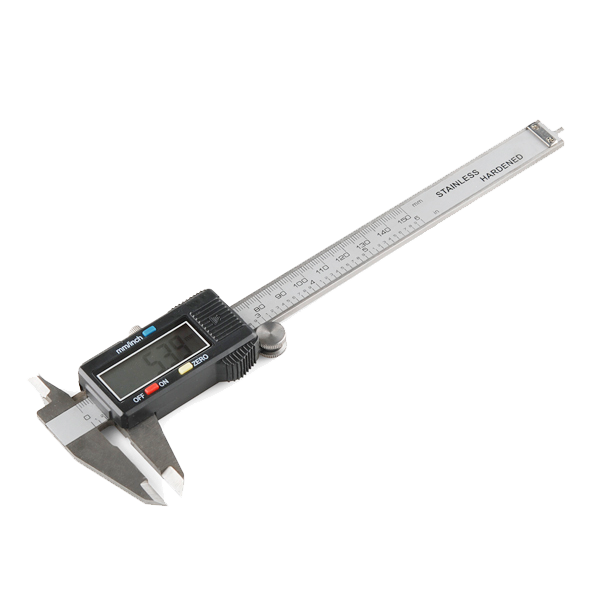 Digital Calipers - 152.4 mm
3
3
Separation by sedimentation, and the storage lesion
Separation by sedimentation, and the storage lesion
កំពុងផ្ទុកសៀវភៅ Jupyter…
ឧបករណ៍ដែលត្រូវការ៖
 កុំព្យូទ័រតុ
4
4
Spin and express a surrogate
Spin and express a surrogate
Make a surrogate that separates visibly. A suspension of fine dense particles in a viscous liquid works: sieved silt or ceramic powder in glycerol solution, tuned so it takes a few minutes to settle under gravity and seconds under spin. Aim for two clearly different particle sizes so you can hunt for the soft-spin and hard-spin behaviours the notebook predicted.
Fill your welded primary bag, expel all air, seal, and spin it in a balanced rotor. Balance matters — spin an unbalanced rotor and you will destroy the centrifuge and possibly yourself. Weigh the counterbalance to within a gram.
Express the top layer by laying the bag between two flat plates and squeezing evenly, watching the interface move up the tubing towards the satellite. Stop before the interface reaches the port. This is the skill in the whole process: stop too late and you contaminate the top fraction with the bottom one, and there is no way to undo it inside a closed system.
Seal the tubing between the bags by clamping and welding, then separate. Weigh each bag. Your recovery is the mass in each fraction against the mass you started with, and it will not be 100 percent because some volume stays in the tubing — the dead volume, which is why collection sets are designed with the shortest tubing that still lets the bags reach the centrifuge and the press.
សម្ភារៈសម្រាប់ជំហាននេះ៖
 គ្លីសេរ៉ុល (៩៩ %)1 លីត្រ
 ម្សៅសេរ៉ាមិចល្អិត (កាអូលីន)500 gram
 ទឹកចម្រោះ5 លីត្រ
ឧបករណ៍ដែលត្រូវការ៖
 ម៉ាស៊ីនបង្វិលកណ្ដាលលើតុ
 ជញ្ជីងឌីជីថលល្អិតម៉ាស៊ីនបិទដោយកំដៅជាចលនា
5
5
Test the welds cold, and read the limit
Test the welds cold, and read the limit
A blood bag spends its life at between one and six degrees, and PVC gets stiffer and more brittle as it cools. A weld that passes at room temperature can fail in the cold room, so test where it lives.
Fill three bags, chill them to four degrees overnight, and then drop each from waist height onto a hard floor while still cold. This is the actual industry drop test and it is not a joke — bags are dropped in real handling. Then flex a chilled bag repeatedly at the seam, fifty cycles, and inspect the weld under the microscope for crazing.
Compare against three identical bags tested warm. Any difference in failure rate is your material telling you about its glass transition, and it is the reason plasticiser content is specified rather than left to the supplier.
Where this stops, and it stops absolutely. You have made flexible welded containers, run a closed transfer, and separated a suspension by density. That is real packaging and separation engineering with uses far beyond medicine — it is how a great many sterile fluids are handled. It is not a blood collection system, and there is no maker path to one. Human blood carries transmissible infection, collection from a donor is a clinical procedure with real risks to that donor, the anticoagulant formulation and its ratio to volume are pharmaceutical specifications, every component is tracked from donor to recipient, and a transfusion given to the wrong person is among the most lethal errors in medicine. Handle no human or animal blood in this build. Use silt and glycerol, and take from it the closed-system principle, which is the genuinely portable idea.
សម្ភារៈសម្រាប់ជំហាននេះ៖
សន្លឹក PVC1 សន្លឹកទឹកចម្រោះ3 លីត្រឧបករណ៍ដែលត្រូវការ៖
 មីក្រូទស្សន៍ឌីជីថលទែម៉ូម៉ែត្រមន្ទីរពិសោធន៍ជញ្ជីងឌីជីថលល្អិត
សម្ភារៈ
6- កន្លែងទុក
- 4 សន្លឹកកន្លែងទុក
- 1 រមូរកន្លែងទុក
- 1 លីត្រកន្លែងទុក
- 500 gramកន្លែងទុក
- 8 លីត្រកន្លែងទុក
ឧបករណ៍ចាំបាច់
7- កន្លែងទុក
- កន្លែងទុក
- Digital Calipers - 152.4 mmកម្រៃ 10%$14.03
- កន្លែងទុក
- កន្លែងទុក
- កន្លែងទុក
- កន្លែងទុក
ប្លង់ពាក់ព័ន្ធ
ប្លង់ទាំងនេះចែករំលែកចំណេះដឹង — បច្ចេកទេស សម្ភារៈ ឬគោលការណ៍



CC0 សាធារណៈ
ប្លង់នេះត្រូវបានចេញផ្សាយក្រោម CC0។ អ្នកមានសិទ្ធិចម្លង កែប្រែ ចែកចាយ និងប្រើប្រាស់ដោយមិនចាំបាច់សុំអនុញ្ញាត។
គាំទ្រអ្នកបង្កើតដោយទិញផលិតផលតាមរយៈប្លង់របស់ពួកគេ ដែលពួកគេទទួលបាន កម្រៃជើងសារអ្នកបង្កើត កំណត់ដោយអ្នកលក់ ឬបង្កើតកំណែថ្មីនៃប្លង់នេះ ហើយបញ្ចូលជាការតភ្ជាប់ក្នុងប្លង់របស់អ្នកដើម្បីចែករំលែកចំណូល។