សិល្បៈ
សម្រស់ និង សុខុមាលភាព
សិប្បកម្ម
វប្បធម៌ និង ប្រវត្តិសាស្ត្រ
ការកម្សាន្ត
បរិស្ថាន
ម្ហូប និង ភេសជ្ជៈ
វិស្វកម្មបញ្ច្រាស
វិទ្យាសាស្ត្រ
កីឡា
បច្ចេកវិទ្យា
ប្រដាប់ដែលស្លៀក
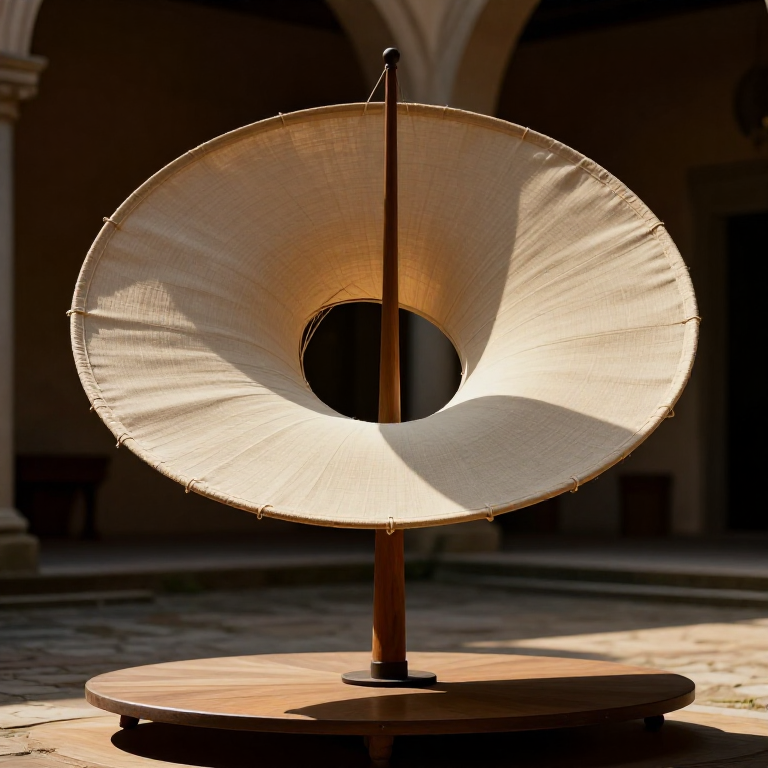


Building Leonardo da Vinci's Aerial Screw — The Ancestor of the Helicopter
Around 1489 Leonardo da Vinci sketched a machine to rise straight up into the air: a huge screw of starched linen that, spun fast enough, would 'make its spiral in the air and rise'. It is the earliest known design for vertical flight — the direct ancestor of the helicopter rotor. This blueprint reconstructs Leonardo's aerial screw from a cane-and-linen helix on a spun axle, and is honest about the outcome: at human power it could never lift its own weight, yet its principle — a turning helical wing driving air downward — is exactly how every helicopter flies today, 450 years later.
កម្រិតខ្ពស់
20
ការណែនាំ
1
1
Understand Leonardo's idea
Understand Leonardo's idea
Just as a wood screw bites into a plank as it turns, Leonardo reasoned a large screw turning fast would bite into the air and climb. He wrote that a well-made screw of starched linen, spun quickly, 'will make its spiral in the air and it will rise high'. This is the first design for vertical flight.
2
2
Raise the central axle
Raise the central axle
Fix a stout vertical pole as the central axle, standing on a round platform that can turn freely. Everything spins about this axle, so it must be straight, strong and well seated.
សម្ភារៈសម្រាប់ជំហាននេះ៖
 ឈើប៊ិចកាត់រួច2 ដុំ
ឧបករណ៍ដែលត្រូវការ៖
 រណារដៃ
3
3
Form the helical frame
Form the helical frame
Bend lengths of springy cane into a continuous spiral rising around the axle — the thread of the screw — and lash them to radial arms fixed to the pole. The spiral should make about one full turn from platform to top.
សម្ភារៈសម្រាប់ជំហាននេះ៖
 ឫស្សីបំបែក3 បាច់
 ខ្សែពួរចង20 ម៉ែត្រ
ឧបករណ៍ដែលត្រូវការ៖
 កាំបិត
4
4
Cover with stiffened linen
Cover with stiffened linen
Stretch linen tightly over the spiral frame and stiffen it with starch or boiled linseed oil, as Leonardo specified, so the screw presents one continuous solid face to the air rather than a leaky mesh.
សម្ភារៈសម្រាប់ជំហាននេះ៖
 ក្រណាត់លីនិន30 square meter
 ប្រេងលីនស៊ីតដាំ1 លីត្រ
ឧបករណ៍ដែលត្រូវការ៖
 ដែកចោះ
5
5
Rig the drive
Rig the drive
Attach cords or push-bars at the base so several people can run around the platform and spin the screw as fast as they can — the muscle power Leonardo intended to turn it.
សម្ភារៈសម្រាប់ជំហាននេះ៖
ខ្សែពួរចង15 ម៉ែត្រឧបករណ៍ដែលត្រូវការ៖
កាំបិត6
6
Spin it and feel the downwash
Spin it and feel the downwash
Spin the screw up to speed and feel the column of air it drives downward beneath it. That downwash is genuine thrust — the machine really does push against the air, exactly as a helicopter rotor does.
7
7
The honest verdict
The honest verdict
At full size and human power it cannot lift its own weight: the linen-and-cane structure is heavy and muscle power is far too weak, and Leonardo had no light engine. It never flew. But the concept — a rotating helical wing throwing air down to climb — is precisely the principle of the helicopter, sketched 450 years early.
8
8
Prove the principle at model scale
Prove the principle at model scale
Build a small, light version and spin it with a wound cord or a little motor: it lifts off. This shows Leonardo's reasoning was sound — only the power-to-weight ratio available in 1489 stood between his drawing and true flight.
សម្ភារៈ
7- 2 ដុំកន្លែងទុក
- 3 បាច់កន្លែងទុក
- 35 ម៉ែត្រកន្លែងទុក
- 30 square meterកន្លែងទុក
- 1 លីត្រកន្លែងទុក
- 1 ដុំកន្លែងទុក
- 1 ដុំកន្លែងទុក
សម្ភារៈប្លង់ដែលបានភ្ជាប់

ប្លង់ពាក់ព័ន្ធ
ប្លង់ទាំងនេះចែករំលែកចំណេះដឹង — បច្ចេកទេស សម្ភារៈ ឬគោលការណ៍

CC0 សាធារណៈ
ប្លង់នេះត្រូវបានចេញផ្សាយក្រោម CC0។ អ្នកមានសិទ្ធិចម្លង កែប្រែ ចែកចាយ និងប្រើប្រាស់ដោយមិនចាំបាច់សុំអនុញ្ញាត។
គាំទ្រអ្នកបង្កើតដោយទិញផលិតផលតាមរយៈប្លង់របស់ពួកគេ ដែលពួកគេទទួលបាន កម្រៃជើងសារអ្នកបង្កើត កំណត់ដោយអ្នកលក់ ឬបង្កើតកំណែថ្មីនៃប្លង់នេះ ហើយបញ្ចូលជាការតភ្ជាប់ក្នុងប្លង់របស់អ្នកដើម្បីចែករំលែកចំណូល។