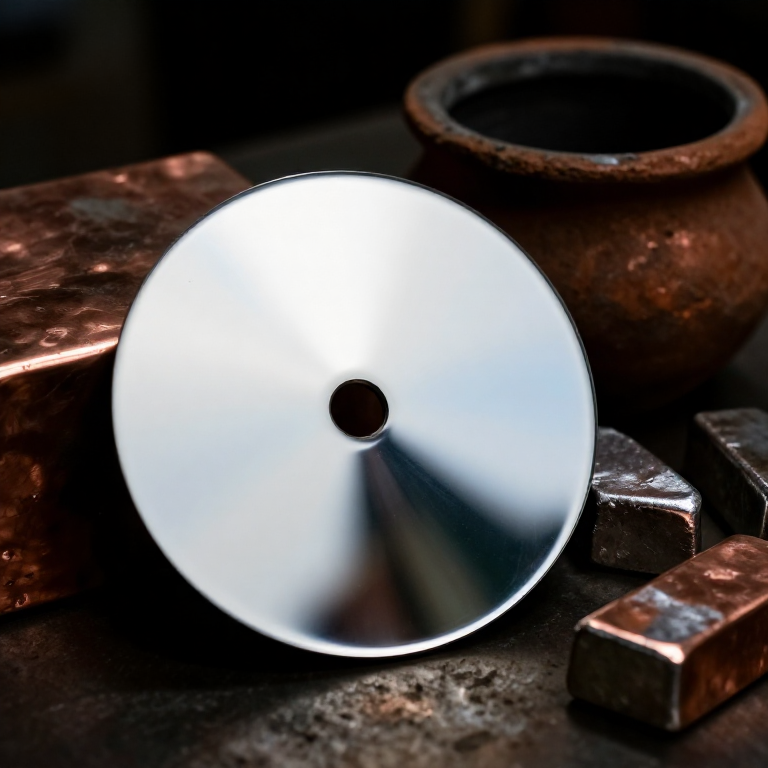


Casting and Grinding a Speculum Metal Telescope Mirror — Newton's Reflecting Alloy
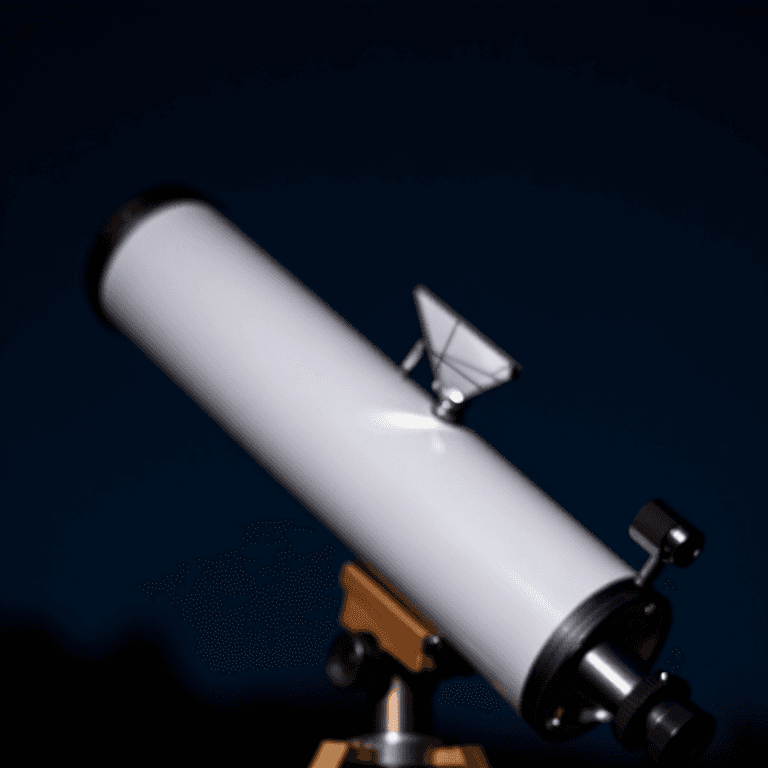
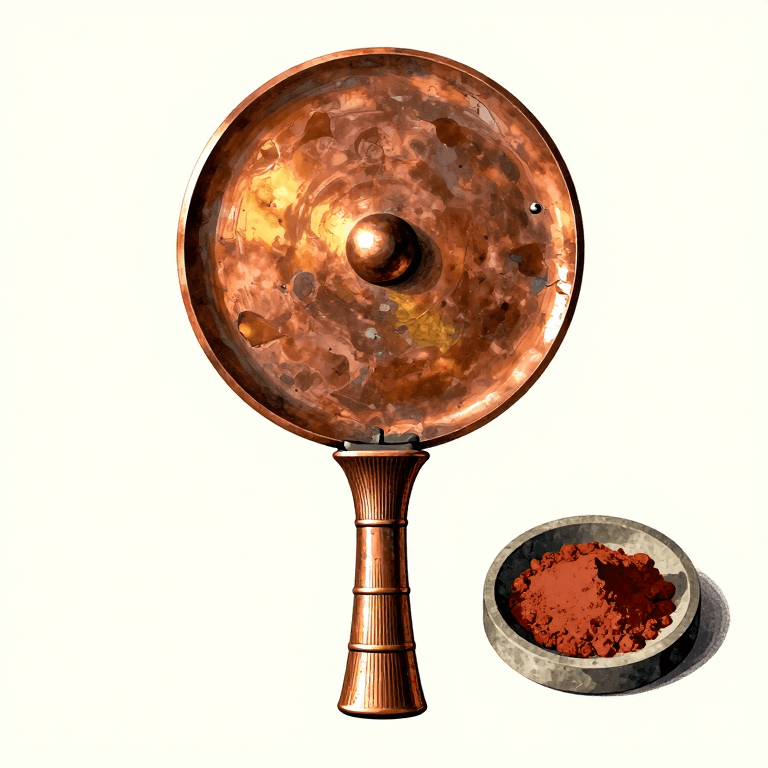
When Isaac Newton built his reflecting telescope in 1668, he needed a concave mirror to focus light — but silvered glass mirrors did not yet exist. Instead, he cast his mirror from speculum metal, a bronze alloy of approximately 68% copper and 32% tin that can be polished to a brilliant, highly reflective surface. Speculum metal had been known since antiquity — the Romans used it for hand mirrors (speculum is Latin for mirror) — but Newton was the first to grind it into a precise concave paraboloid for astronomical use. The alloy is hard, brittle, and takes a superb polish, but it tarnishes in air and must be periodically repolished. Every reflecting telescope before the 1850s used speculum metal mirrors, including William Herschel's great telescopes that discovered Uranus and mapped the Milky Way. This blueprint casts a speculum metal disc from copper and tin ingots, then grinds and polishes it into a concave mirror suitable for a Newtonian reflecting telescope.
ការណែនាំ
Understand speculum metal
Understand speculum metal
Weigh the copper and tin
Weigh the copper and tin
សម្ភារៈសម្រាប់ជំហាននេះ៖
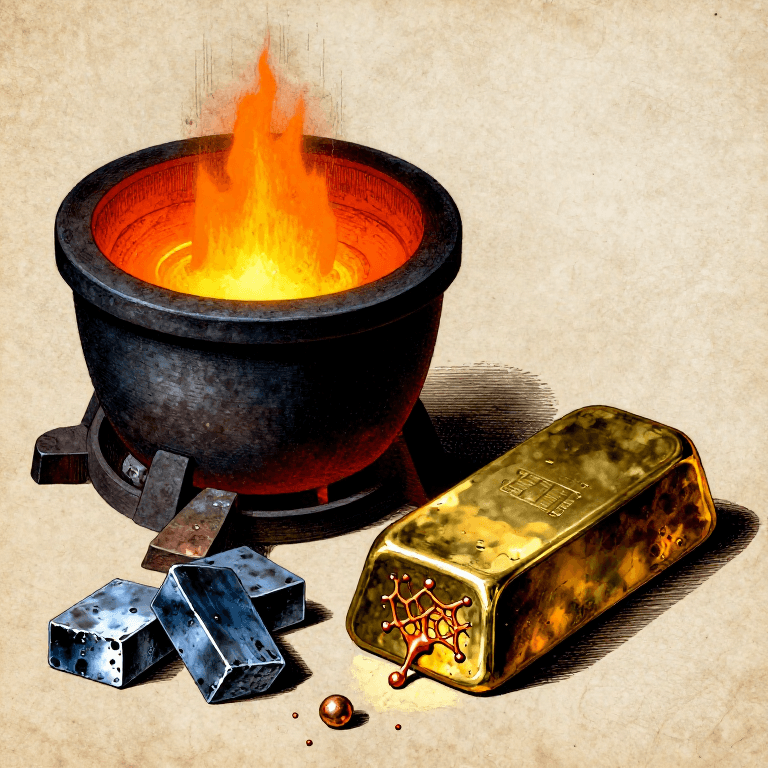
 ដុំទង់ដែងបរិសុទ្ធ ៩៩,៩ ភាគរយ ទម្ងន់ ៤៥០ ក្រាម340 ក្រ
 ដុំសំណប៉ាហាំង160 ក្រ
Prepare the crucible and mould
Prepare the crucible and mould
សម្ភារៈសម្រាប់ជំហាននេះ៖
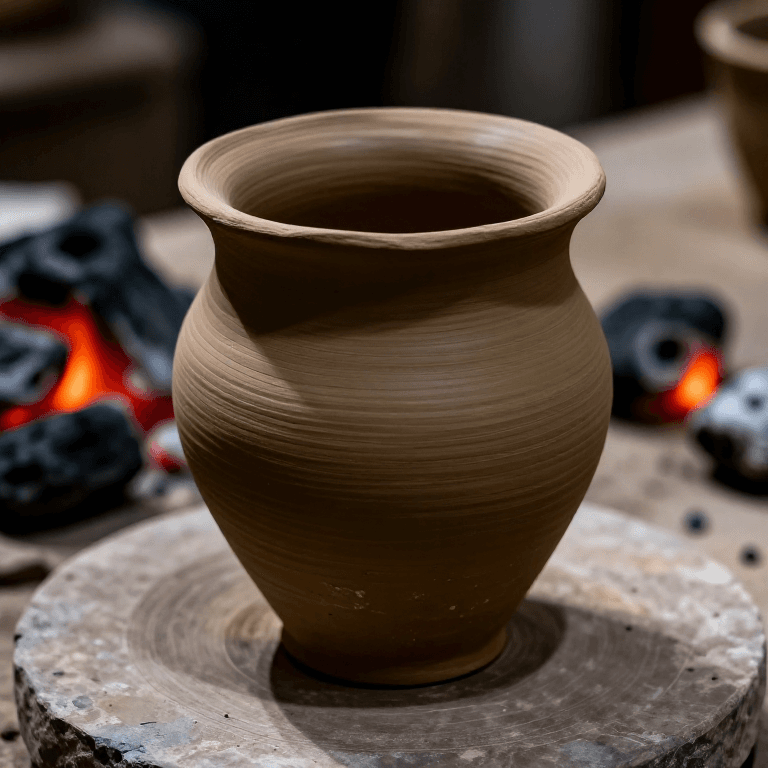
 ឆ្នាំងដីជម្រៅ1 ដុំ
 ធ្យូងដុំ3 គក
ឧបករណ៍ដែលត្រូវការ៖
 ដង្កាប់ឆ្នាំងរំលាយ
Melt the copper
Melt the copper
Add the tin and pour
Add the tin and pour
ឧបករណ៍ដែលត្រូវការ៖
ដង្កាប់ឆ្នាំងរំលាយAnneal the casting
Anneal the casting
Flatten one face on a lap
Flatten one face on a lap
សម្ភារៈសម្រាប់ជំហាននេះ៖
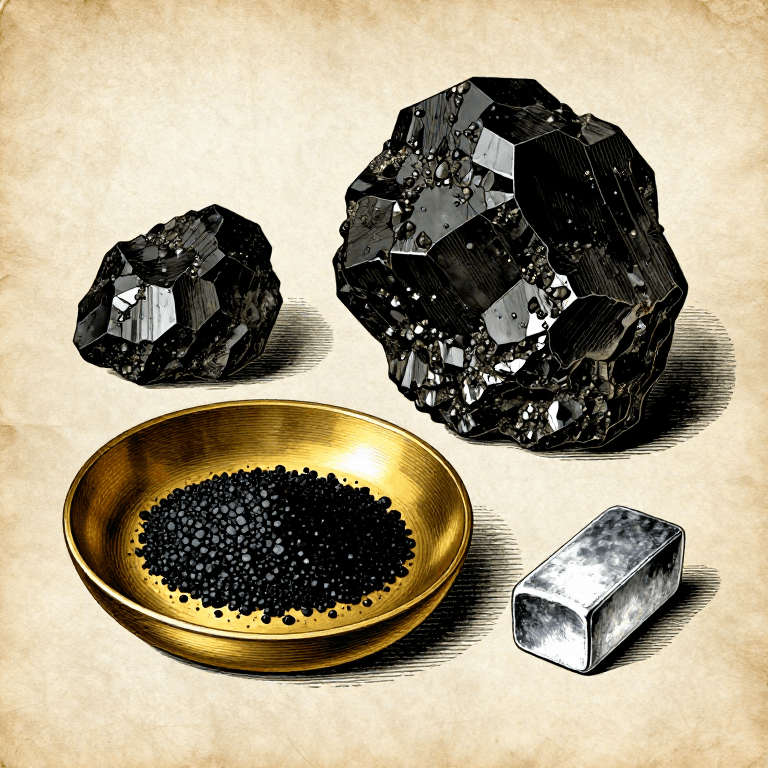
 គ្រាប់ស៊ីលីកូនកាបួត100 ក្រ
Rough grind the concave curve
Rough grind the concave curve
សម្ភារៈសម្រាប់ជំហាននេះ៖
គ្រាប់ស៊ីលីកូនកាបួត200 ក្រ សន្លឹកកែវ1 ដុំ
Fine grind with progressively finer grits
Fine grind with progressively finer grits
Polish on a pitch lap
Polish on a pitch lap
សម្ភារៈសម្រាប់ជំហាននេះ៖
 កាវជ័រស្រល់100 ក្រ
 អុកស៊ីតសំណប៉ាហាំង (អុកស៊ីតស្តាណិក)50 ក្រ
 ល្បាយខាត់ភ្លឺ50 ក្រ
Test the mirror with a pinhole
Test the mirror with a pinhole
Protect the polished surface
Protect the polished surface
សម្ភារៈ
9- កន្លែងទុក
- 160 ក្រកន្លែងទុក
- 1 ដុំកន្លែងទុក
- 3 គកកន្លែងទុក
- 300 ក្រកន្លែងទុក
- 1 ដុំកន្លែងទុក
- 100 ក្រកន្លែងទុក
- កន្លែងទុក
- 50 ក្រកន្លែងទុក
ឧបករណ៍ចាំបាច់
2- កន្លែងទុក
- កន្លែងទុក
សម្ភារៈប្លង់ដែលបានភ្ជាប់


ប្លង់ពាក់ព័ន្ធ
ប្លង់ទាំងនេះចែករំលែកចំណេះដឹង — បច្ចេកទេស សម្ភារៈ ឬគោលការណ៍

CC0 សាធារណៈ
ប្លង់នេះត្រូវបានចេញផ្សាយក្រោម CC0។ អ្នកមានសិទ្ធិចម្លង កែប្រែ ចែកចាយ និងប្រើប្រាស់ដោយមិនចាំបាច់សុំអនុញ្ញាត។
គាំទ្រអ្នកបង្កើតដោយទិញផលិតផលតាមរយៈប្លង់របស់ពួកគេ ដែលពួកគេទទួលបាន កម្រៃជើងសារអ្នកបង្កើត កំណត់ដោយអ្នកលក់ ឬបង្កើតកំណែថ្មីនៃប្លង់នេះ ហើយបញ្ចូលជាការតភ្ជាប់ក្នុងប្លង់របស់អ្នកដើម្បីចែករំលែកចំណូល។