សិល្បៈ
សម្រស់ និង សុខុមាលភាព
សិប្បកម្ម
វប្បធម៌ និង ប្រវត្តិសាស្ត្រ
ការកម្សាន្ត
បរិស្ថាន
ម្ហូប និង ភេសជ្ជៈ
វិស្វកម្មបញ្ច្រាស
វិទ្យាសាស្ត្រ
កីឡា
បច្ចេកវិទ្យា
ប្រដាប់ដែលស្លៀក
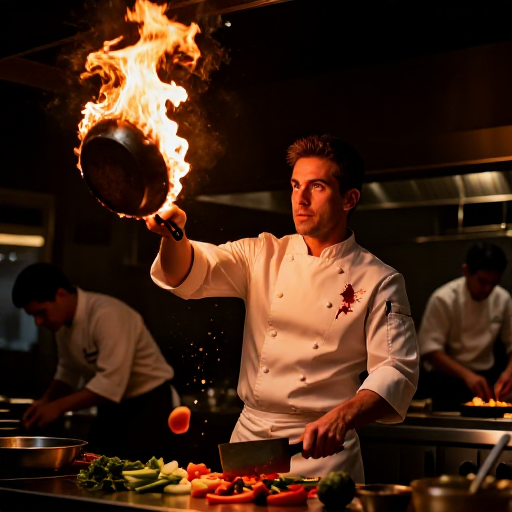

Taste as You Go: The Five Dials You Can Actually Turn
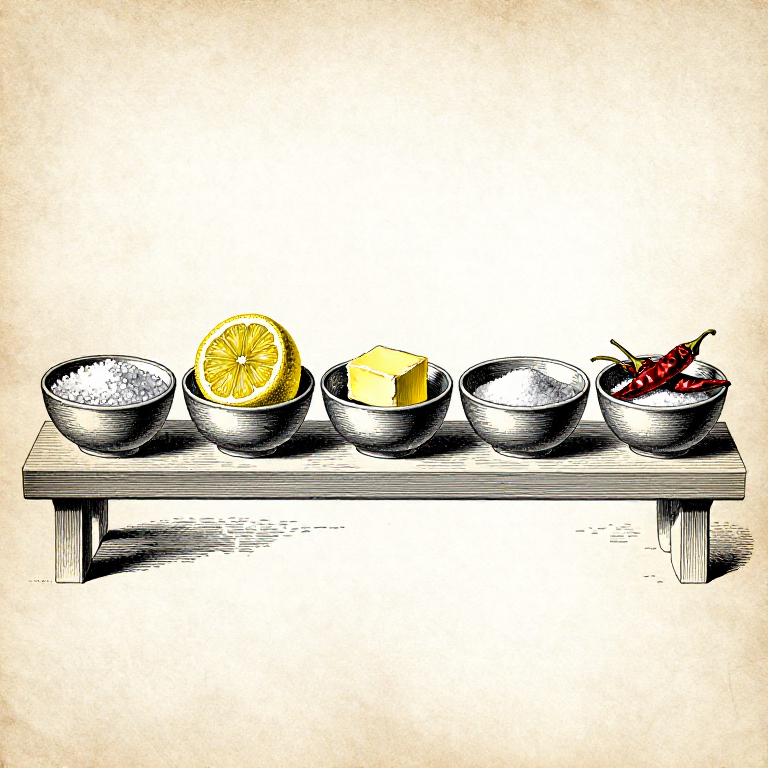
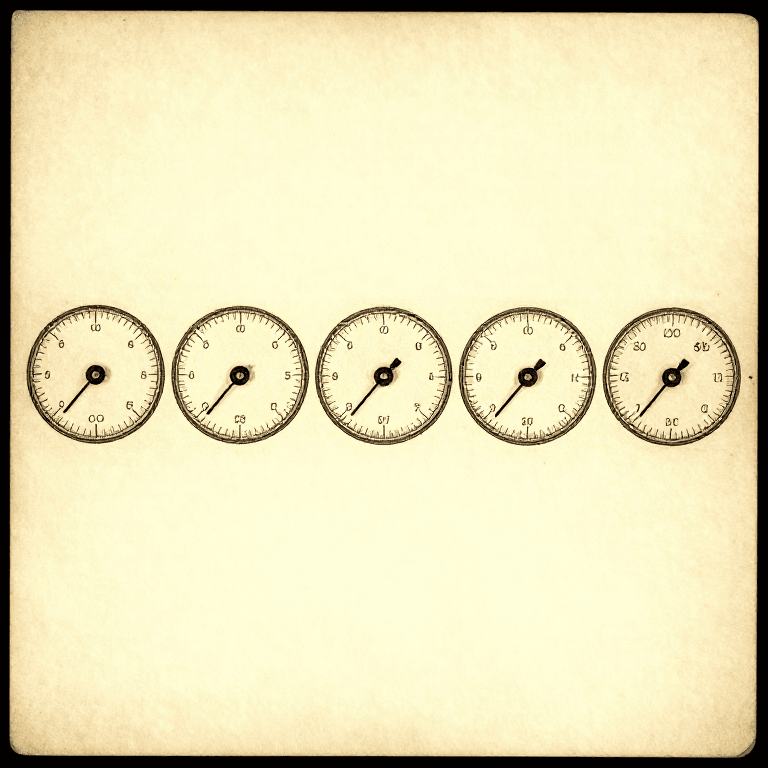
"Needs something" is the most common thing said over a pan, and it is almost always one of five things: SALT, ACID, FAT, SWEETNESS, or HEAT-as-in-chilli. Knowing the list turns a vague dissatisfaction into a decision.
Most of the time it is salt. The second most of the time it is acid — a squeeze of lemon or a splash of vinegar — and a dish that tastes flat and heavy despite being correctly salted is nearly always asking for it.
Tasting is a measurement, and the measurement rungs apply directly: taste at serving temperature, change one thing at a time, and adjust in small steps because you can always add and never take away.
ចាប់ផ្តើម
2 hours
ការណែនាំ
1
1
Taste at the temperature it will be eaten
Taste at the temperature it will be eaten
Cold food tastes less salty and less sweet than the same food hot. A sauce corrected while lukewarm will be over-salted on a hot plate, and a chilled soup seasoned while warm will taste of nothing.
So bring the spoonful to serving temperature before judging it, or at least know which direction the error will run. For anything served cold, deliberately over-season slightly and check again once chilled.
Use a clean spoon every time — taste into a second spoon rather than returning the one that has been in your mouth to the pot. That is not fussiness; it is the same reason the chemistry batch insists on clean glassware.
សម្ភារៈសម្រាប់ជំហាននេះ៖
 សូដ្យូមក្លរួ (អំបិល)1 ដុំ
ឧបករណ៍ដែលត្រូវការ៖
 វែកឈើ
វែកឈើ ឈុតចានលាយ
 វែកធំ (វែកដួសស៊ុប)
2
2
Work down the list in order
Work down the list in order
**Salt** first, because it makes everything else more detectable and because it is usually the answer. **Acid** second: lemon, vinegar, wine, yoghurt, a chopped tomato — it cuts richness and makes a heavy dish feel lighter without removing anything.
**Fat** third: butter, oil, cream. It carries aroma compounds that water cannot, rounds sharp edges, and gives the mouth something to hold onto. A thin-tasting sauce is often short of fat rather than of flavour.
**Sweetness** fourth, in small amounts, to balance acidity or bitterness rather than to make the dish sweet. **Chilli heat** last, because it is the hardest to take back and the easiest to add at the table.
សម្ភារៈសម្រាប់ជំហាននេះ៖
 ទឹកក្រូចឆ្មា (ស្រស់)1 ដុំ
 ប្រេងអូលីវបរិសុទ្ធបំផុត1 ដុំសូដ្យូមក្លរួ (អំបិល)1 ដុំ
 គ្រាប់ម្រេចខ្មៅ1 ដុំ
ឧបករណ៍ដែលត្រូវការ៖
វែកឈើវែកធំ (វែកដួសស៊ុប) ចានកែវលាយធំ
3
3
One change at a time, in small steps
One change at a time, in small steps
Add one thing, stir, wait a moment, taste again. Add salt and lemon together and you have no idea which helped, and if it has gone wrong you do not know which to correct.
That is the change-one-thing-at-a-time rung, and it applies to a pan exactly as it does to a bench. A cook who adjusts three things at once learns nothing from a dish that came out well.
Small steps, because there is no reverse gear. Over-salted soup can be diluted, which weakens everything else too; over-chillied is very difficult; over-sweet is nearly impossible. Half of what you think you need, then taste again.
សម្ភារៈសម្រាប់ជំហាននេះ៖
សូដ្យូមក្លរួ (អំបិល)1 ដុំទឹកក្រូចឆ្មា (ស្រស់)1 ដុំឧបករណ៍ដែលត្រូវការ៖
វែកឈើ ជញ្ជីងឌីជីថលផ្ទះបាយ
 សៀវភៅកត់ត្រា
4
4
Write down what it took
Write down what it took
When a dish comes out well, write down what you actually did — the weights, the pull temperature, the final adjustment, how long it rested. Otherwise the next attempt is a fresh experiment rather than a second run of a good one.
Write down the failures too, and why. "Too salty — used the fine salt in the kosher measure" is a line that prevents the same mistake for ever; "was too salty" prevents nothing.
That is the whole batch in one habit. Salt by weight, temperatures not times, one change at a time, taste at serving temperature — none of it is worth much unless what you learn survives until the next time you cook.
ឧបករណ៍ដែលត្រូវការ៖
សៀវភៅកត់ត្រាជញ្ជីងឌីជីថលផ្ទះបាយ ទែម៉ូម៉ែត្រអានភ្លាម
សម្ភារៈ
4- 1 ដុំកន្លែងទុក
- 1 ដុំកន្លែងទុក
- កន្លែងទុក
- 1 ដុំកន្លែងទុក
ប្លង់ពាក់ព័ន្ធ
ប្លង់ទាំងនេះចែករំលែកចំណេះដឹង — បច្ចេកទេស សម្ភារៈ ឬគោលការណ៍
CC0 សាធារណៈ
ប្លង់នេះត្រូវបានចេញផ្សាយក្រោម CC0។ អ្នកមានសិទ្ធិចម្លង កែប្រែ ចែកចាយ និងប្រើប្រាស់ដោយមិនចាំបាច់សុំអនុញ្ញាត។
គាំទ្រអ្នកបង្កើតដោយទិញផលិតផលតាមរយៈប្លង់របស់ពួកគេ ដែលពួកគេទទួលបាន កម្រៃជើងសារអ្នកបង្កើត កំណត់ដោយអ្នកលក់ ឬបង្កើតកំណែថ្មីនៃប្លង់នេះ ហើយបញ្ចូលជាការតភ្ជាប់ក្នុងប្លង់របស់អ្នកដើម្បីចែករំលែកចំណូល។