កិច្ចសហប្រតិបត្តិការ
សិល្បៈ
សម្រស់ និង សុខុមាលភាព
សិប្បកម្ម
វប្បធម៌ និង ប្រវត្តិសាស្ត្រ
ការកម្សាន្ត
បរិស្ថាន
ម្ហូប និង ភេសជ្ជៈ
វិស្វកម្មបញ្ច្រាស
វិទ្យាសាស្ត្រ
កីឡា
បច្ចេកវិទ្យា
ប្រដាប់ដែលស្លៀក
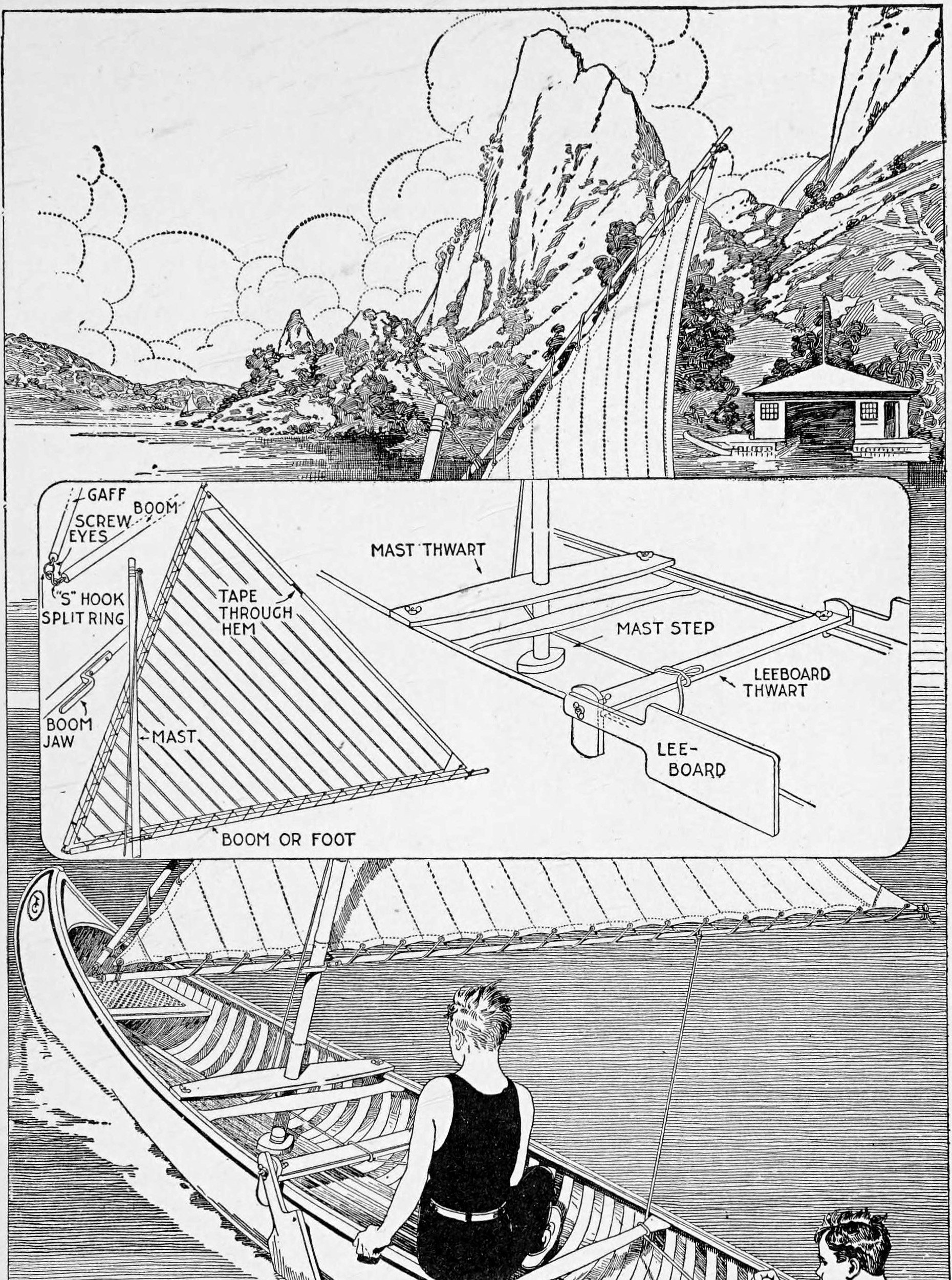


Canoe Sailing Rig: Bamboo Mast, 9 ft Lateen Sail, Clamp-In Mast Thwart and Leeboards (Boy Mechanic, 1919)
Stillman Taylor's sailing outfit for a 16 ft open canoe from The Boy Mechanic, Book 3 (1919): a 6 ft 10 in bamboo mast, a 9 ft lateen sail of cotton sheeting on two bamboo spars, a mast thwart and leeboard thwart that clamp to the gunwales with brass lantern-board hooks, and leeboards set by thumb nuts. Steer with the paddle.
មធ្យម
A few days
ការណែនាំ
1
1
Rig sizes and sail area
Rig sizes and sail area
កំពុងផ្ទុកសៀវភៅ Jupyter…
2
2
Read The Boy Mechanic, Book 3
Read The Boy Mechanic, Book 3
"The lateen rig is best for an open canoe, because a shorter mast is required for the same sail area ... It is not safe to rig a canoe too heavily, and the rig described has been found to be well proportioned."
3
3
Make the mast
Make the mast
Cut bamboo 1-1/2 in across to 6 ft 10 in (carpet dealers' rolling bamboo of 1-1/2 to 2 in serves). Whittle a tapered wooden plug about 3 in long to wedge firmly in the top without splitting the cane, bore a small hole through the cane 2 in from the top, and fix a screw eye into the plug for the halyard. Drive small brads through the cane into the plug, and fit a brass ferrule over the end.
សម្ភារៈសម្រាប់ជំហាននេះ៖
 បង្គោលឫស្សី1 ដុំ
 ក្តារឈើរឹង1 ដុំ
 វីសមានរង្វង់1 ដុំ
 ដែកគោល1 ដុំ
 កងលោហៈ1 ដុំ
ឧបករណ៍ដែលត្រូវការ៖
 រណារដៃ
 កាំបិតកាត់ស្បែក
 ស្វានដៃ
 ញញួរ
4
4
Make the spars
Make the spars
Use two bamboo fishing rods, 1 in at the butt and 10 ft long, as gaff and boom. Fix a 1-1/2 in screw eye with a 1/2 in eye at the end of each and join the spar ends with a 1-1/2 in brass split ring and a 1-3/4 in brass S hook. Fasten the 2 in brass boom jaw on the boom with its open end 18 in from the boom's forward end.
សម្ភារៈសម្រាប់ជំហាននេះ៖
 ដងឫស្សី2 ដុំវីសមានរង្វង់2 ដុំ
 កងបំបែករុំពីរជាន់1 ដុំ
 ទំពក់រាង S1 ដុំ
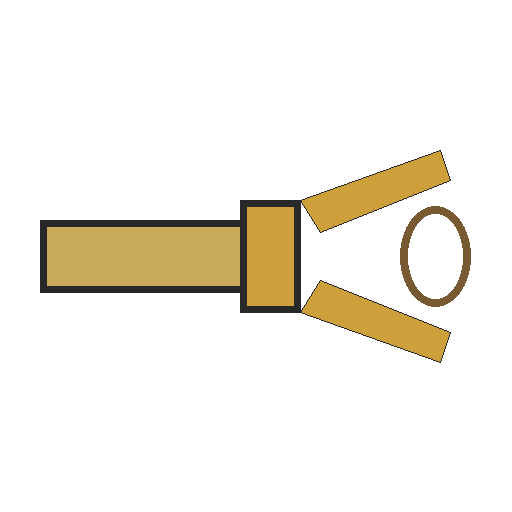 ថ្គាមដងបូម1 ដុំ
 វីសឈើ1 ដុំ
ឧបករណ៍ដែលត្រូវការ៖
ស្វានដៃ ទួណឺវីសមុខរាបស្មើ
 ខ្សែវាស់
5
5
Sew the sail
Sew the sail
Lay the spars on the cloth and pencil a triangle 9 ft on each side. Sew the widths of 1 yd unbleached cotton sheeting together, lapped about 1/2 in and stitched close to both edges, preferably on a machine. Sew bights (folds) 1/2 in wide, 6 in apart, parallel with the leech. Reinforce the corners with segments of cloth. Along the edges lashed to the spars fold and sew 1 in hems, running a 1/2 in tape into the leech hem; fasten the tape to the spar at each end to take up stretch and stop a flapping leech.
សម្ភារៈសម្រាប់ជំហាននេះ៖
 ក្រណាត់កប្បាស8 yard
 អំបោះដេរ1 ដុំ
 ខ្សែបូកប្បាសត្បាញទ្វីល1 ដុំ
ឧបករណ៍ដែលត្រូវការ៖
 ម៉ាស៊ីនដេរ
 កន្ត្រៃ
 ខ្មៅដៃខ្សែវាស់
6
6
Make the thwarts and mast step
Make the thwarts and mast step
Mast thwart: two cedar or pine boards 28 by 10 by 3/8 in and a piece 27-1/2 by 3-1/2 by 3/4 in, made as in the plate with a hole in the centre for the mast and a brass lantern-board hook at each end to clamp it to the gunwales. Mast step: a block 5 by 2-1/2 by 1 in, shaped neatly, fixed to the grating (or the ribs). Leeboard thwart: cedar or white pine 5 ft by 4 by 7/8 in, with short upright ends set at an angle to the canoe's curve so it wedges in just aft of the mast; groove the ends to the thwart and screw them on. He gives no leeboard sizes; bolt a leeboard to each end with a 3 in by 5/16 in brass bolt, washer and thumb nut so its angle can be set.
សម្ភារៈសម្រាប់ជំហាននេះ៖
 បន្ទះឈើសេដា4 ដុំ
 ទំពក់ក្ដារចង្កៀង4 ដុំ
 ប៊ូឡុងចង្ក្រាន2 ដុំ
 រ៉ុនដែលរាបស្មើ2 ដុំ
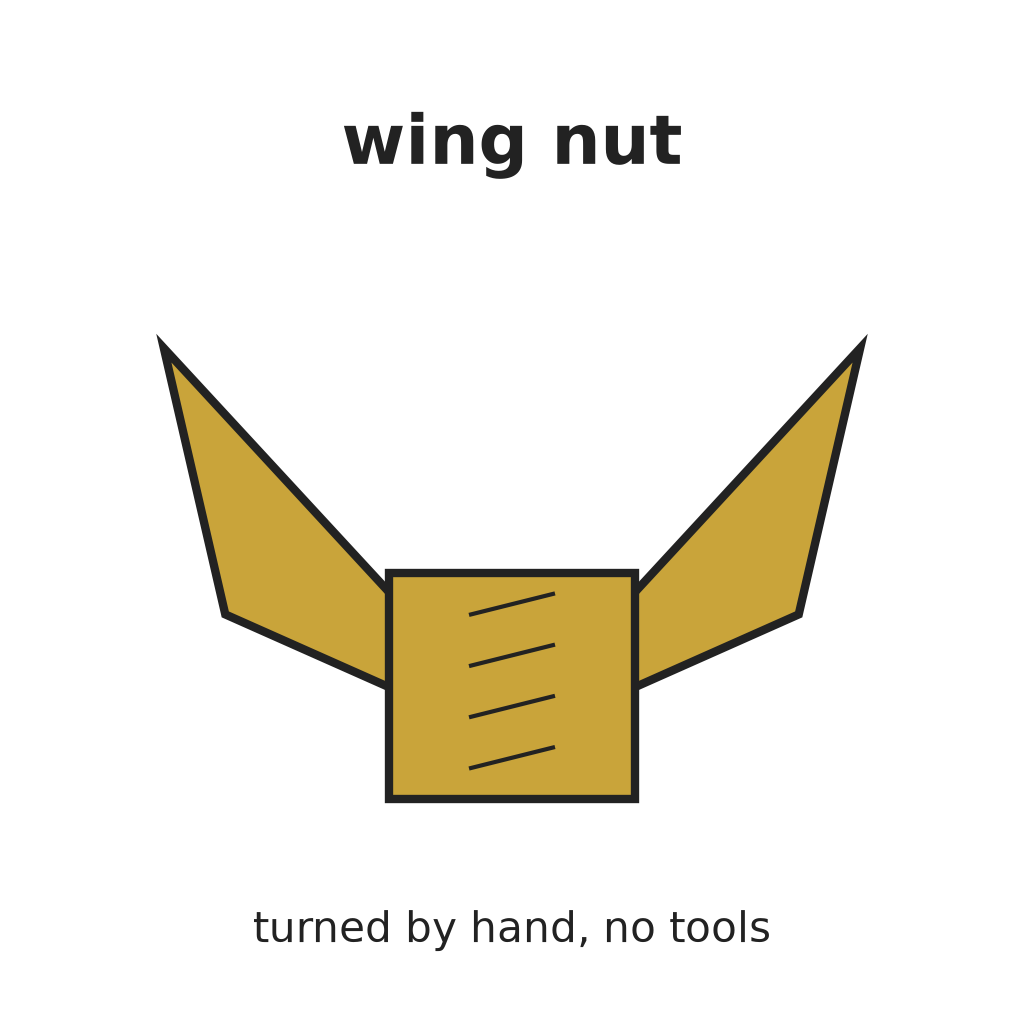 ខ្ចៅស្លាបមេអំបៅ2 ដុំវីសឈើ1 ដុំ
ឧបករណ៍ដែលត្រូវការ៖
រណារដៃ រណារកាត់ខ្សែកោង
 កាំបិតឈូសឈើដៃ
 ដែកឆូតឈើ
 ស្វាន់ដៃវិលមានក្បាលទួណឺវីសមុខរាបស្មើ
7
7
Finish and rig
Finish and rig
Smooth all woodwork with sharp tools, sandpaper lightly, and give three coats of spar varnish. Lash the sail to the spars, run the 1/4 in cotton-rope halyard through the screw eye at the masthead until the gaff is close to the top, and find the balance by tying the halyard at different points along the gaff. Run the halyard under the forward thwart to the stern, never tied to it, and loop the main sheet round a thwart and hold it, never made fast.
សម្ភារៈសម្រាប់ជំហាននេះ៖
 ក្រដាសខាត់1 ដុំ
 វ៉ារនីសដងក្ដោង1 ដុំ
 ខ្សែពួរកប្បាស1 ដុំ
ឧបករណ៍ដែលត្រូវការ៖
 ជក់លាបធំទូលាយកន្ត្រៃ
8
8
Sailing safely
Sailing safely
Canoe sailing.
Flow
Loading...
9
9
History and honest limits
History and honest limits
From "How to Build a Canoe, Part II" by Stillman Taylor, in **The Boy Mechanic, Book 3**, Popular Mechanics, 1919 (Project Gutenberg 71856; checked on the archive.org scan boymechanic0003unse, pp. 86-88). He gives no leeboard sizes (they vary with the canoe); the list calls the leeboard bolts brass stove bolts with thumb nuts and the text carriage bolts with wing nuts. Cedar for the leeboards, the sail area and the metric figures are ours.
សម្ភារៈ
21- 1 ដុំកន្លែងទុក
- 1 ដុំកន្លែងទុក
- 2 ដុំកន្លែងទុក
- 1 ដុំកន្លែងទុក
- 1 ដុំកន្លែងទុក
- 2 ដុំកន្លែងទុក
- 1 ដុំកន្លែងទុក
- 1 ដុំកន្លែងទុក
- 1 ដុំកន្លែងទុក
- 2 ដុំកន្លែងទុក
- 8 yardកន្លែងទុក
- 1 ដុំកន្លែងទុក
- កន្លែងទុក
- 4 ដុំកន្លែងទុក
- 4 ដុំកន្លែងទុក
- 2 ដុំកន្លែងទុក
- 2 ដុំកន្លែងទុក
- 2 ដុំកន្លែងទុក
- 1 ដុំកន្លែងទុក
- 1 ដុំកន្លែងទុក
- 1 ដុំកន្លែងទុក
ឧបករណ៍ចាំបាច់
14- កន្លែងទុក
- កន្លែងទុក
- កន្លែងទុក
- កន្លែងទុក
- កន្លែងទុក
- 1 vendor sell this, none ship to you yetកន្លែងទុក
- កន្លែងទុក
- កន្លែងទុក
- 1 vendor sell this, none ship to you yetកន្លែងទុក
- កន្លែងទុក
- កន្លែងទុក
- កន្លែងទុក
- កន្លែងទុក
- កន្លែងទុក
ប្លង់នេះធ្វើ
ប្លង់ពាក់ព័ន្ធ
ប្លង់ទាំងនេះចែករំលែកចំណេះដឹង — បច្ចេកទេស សម្ភារៈ ឬគោលការណ៍
CC0 សាធារណៈ
ប្លង់នេះត្រូវបានចេញផ្សាយក្រោម CC0។ អ្នកមានសិទ្ធិចម្លង កែប្រែ ចែកចាយ និងប្រើប្រាស់ដោយមិនចាំបាច់សុំអនុញ្ញាត។
គាំទ្រអ្នកបង្កើតដោយទិញផលិតផលតាមរយៈប្លង់របស់ពួកគេ ដែលពួកគេទទួលបាន កម្រៃជើងសារអ្នកបង្កើត កំណត់ដោយអ្នកលក់ ឬបង្កើតកំណែថ្មីនៃប្លង់នេះ ហើយបញ្ចូលជាការតភ្ជាប់ក្នុងប្លង់របស់អ្នកដើម្បីចែករំលែកចំណូល។