សិល្បៈ
សម្រស់ និង សុខុមាលភាព
សិប្បកម្ម
វប្បធម៌ និង ប្រវត្តិសាស្ត្រ
ការកម្សាន្ត
បរិស្ថាន
ម្ហូប និង ភេសជ្ជៈ
វិស្វកម្មបញ្ច្រាស
វិទ្យាសាស្ត្រ
កីឡា
បច្ចេកវិទ្យា
ប្រដាប់ដែលស្លៀក
The Incandescent Lamp: High Resistance, and a Vacuum
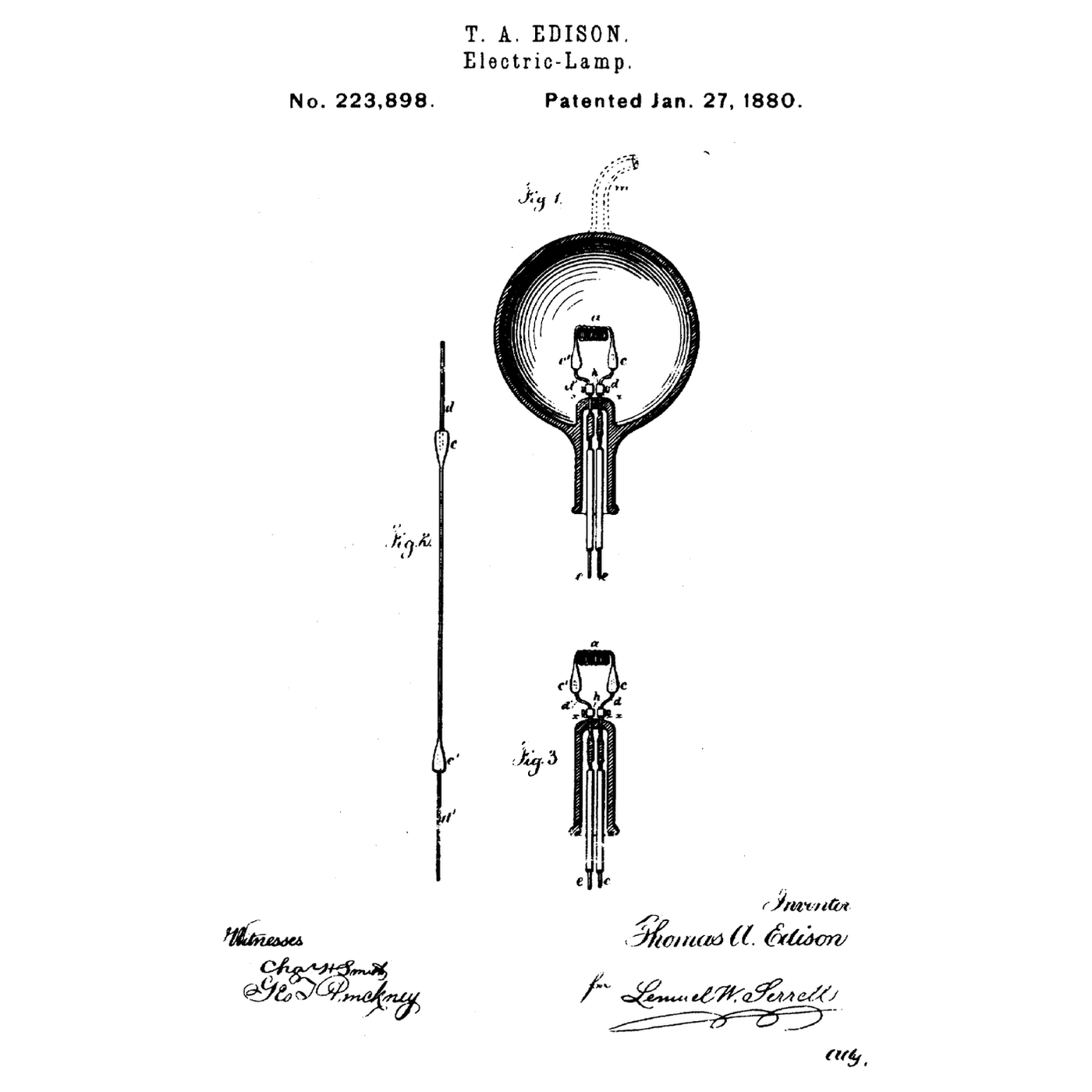
Many inventors made a wire or a carbon rod glow in a bulb. Thomas Edison's lamp of 1879–80 was designed backwards from the wiring: to light a city with lamps connected in parallel, each lamp needed a HIGH resistance, or the copper mains would have to be absurdly thick. His patent describes a thin carbon filament — even *"a cotton thread properly carbonized"* — in a glass bulb pumped down to one-millionth of an atmosphere, offering a hundred ohms or more and stable at white heat.
This rung works out the copper argument from his own figures and makes a carbonised-thread lamp in an evacuated jar to see why the vacuum matters.
មធ្យម
About 5 hours
ការណែនាំ
1
1
The copper argument
The copper argument
កំពុងផ្ទុកសៀវភៅ Jupyter…
2
2
Carbonise a cotton thread
Carbonise a cotton thread
Pack a few 30 mm lengths of cotton thread, stretched straight between two small copper wire loops, in graphite powder inside a small steel tin with a pinhole in the lid. Heat the tin outdoors with the propane torch until it glows red, and hold it there for twenty minutes — cellulose only turns into a well-conducting carbon at red heat. Let it cool completely before opening: air reaching hot carbon burns it.
The threads come out black, brittle and conducting. Measure one with the multimeter and compare with Edison's hundreds of ohms; a poorly heated thread reads far higher. Handle them with tweezers; they snap at a touch.
សម្ភារៈសម្រាប់ជំហាននេះ៖
 អំបោះកប្បាស1 រមូរ
 ម្សៅក្រាហ្វីត50 ក្រ
 ខ្សែស្ពាន់1 ម៉ែត្រ
ឧបករណ៍ដែលត្រូវការ៖
 ចង្កៀងភ្លើងប្រូផាន
 ម៉ាល់ទីម៉ែត្រ
 ស្រោមដៃការងារស្បែក
 វ៉ែនតាសុវត្ថិភាពថ្លា
3
3
Light it in air, then in a vacuum
Light it in air, then in a vacuum
Clamp one filament between two stiff copper wires passed through the lid of a thick glass jar and sealed with epoxy or silicone. In AIR, with the lid off, connect it briefly across a 12 V battery through a series resistor: it glows red for a moment and burns through.
Mount a fresh filament, close the jar, and pump it down with the vacuum pump through a fitting in the lid. Connect the battery again: the filament glows and lasts far longer, because there is almost no oxygen left to burn it. Your pump will not reach Edison's one-millionth of an atmosphere; the difference is still obvious.
Stand the jar behind a clear shield and wear goggles: an evacuated jar can implode.
សម្ភារៈសម្រាប់ជំហាននេះ៖
 ដបកញ្ចក់1 ដុំ
 សារធាតុបិទស៊ីលីកូន1 ដុំខ្សែស្ពាន់1 ម៉ែត្រ
ឧបករណ៍ដែលត្រូវការ៖
 ស្នប់ខ្យល់ចេញ
 ថ្មពិល ១២ V បែបប្រើជ្រៅម៉ាល់ទីម៉ែត្រវ៉ែនតាសុវត្ថិភាពថ្លាស្រោមដៃការងារស្បែក
 សំណុំរេស៊ីស្ទ័រ
4
4
History and context
History and context
**US 223,898, 'Electric-Lamp', Thomas A. Edison, patented 27 January 1880.** The specification reports carbonising *"cotton and linen thread, wood splints, papers coiled in various ways"*; carbonised bamboo became the production filament soon after. Joseph Swan in England had been developing carbon lamps in parallel, and the two later merged their British interests.
Edison's lamp came with a whole system — parallel distribution, meters, fuses, generators — which is what made it change cities.
**Honest limits.** A carbon-filament lamp turns only a few per cent of its power into light; the rest is heat. The filament evaporates and blackens the bulb. Tungsten filaments, gas filling and later LEDs each improved on it many times over.
សម្ភារៈ
5- 1 រមូរកន្លែងទុក
- 50 ក្រកន្លែងទុក
- 2 ម៉ែត្រកន្លែងទុក
- 1 ដុំកន្លែងទុក
- 1 ដុំកន្លែងទុក
ឧបករណ៍ចាំបាច់
7- កន្លែងទុក
- កន្លែងទុក
- កន្លែងទុក
- កន្លែងទុក
- 1 vendor sell this, none ship to you yetកន្លែងទុក
- ថ្មពិល ១២ V បែបប្រើជ្រៅកម្រៃ 10%កន្លែងទុក
- 2 vendors sell this, none ship to you yetកន្លែងទុក
ប្លង់ពាក់ព័ន្ធ
ប្លង់ទាំងនេះចែករំលែកចំណេះដឹង — បច្ចេកទេស សម្ភារៈ ឬគោលការណ៍
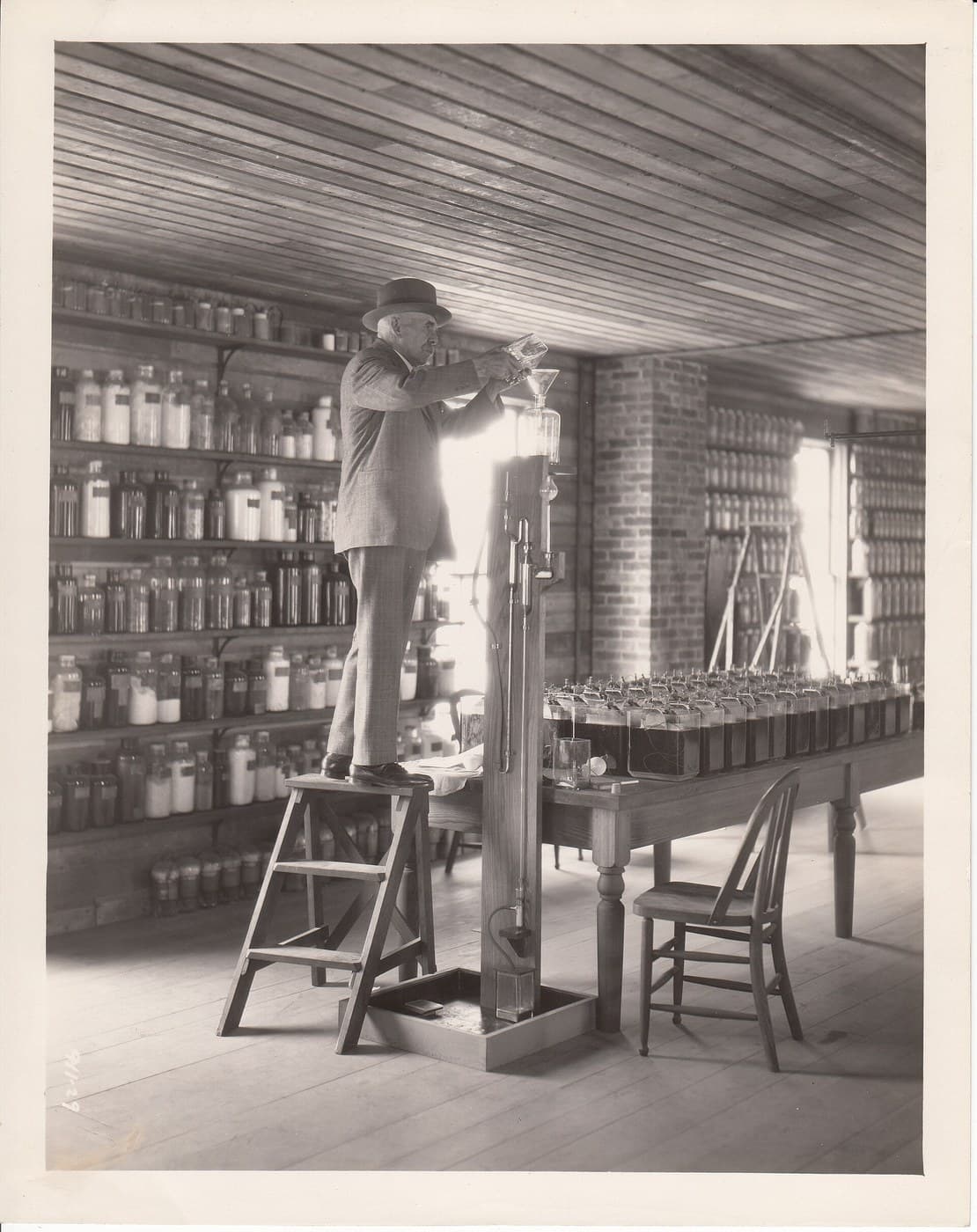
គ្រោះថ្នាក់
Sprengel Mercury Pump
ដោយ Charlie
បច្ចេកវិទ្យា
44
0
0
0
0
0
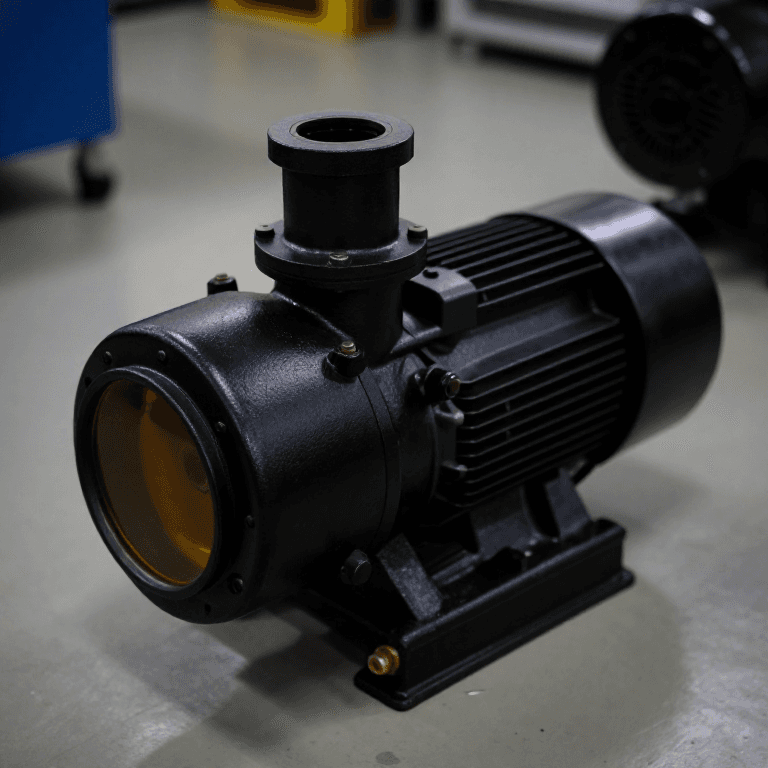
Rotary Vane Vacuum Pump
ដោយ Emma
បច្ចេកវិទ្យា
56
0
0
0
0
0
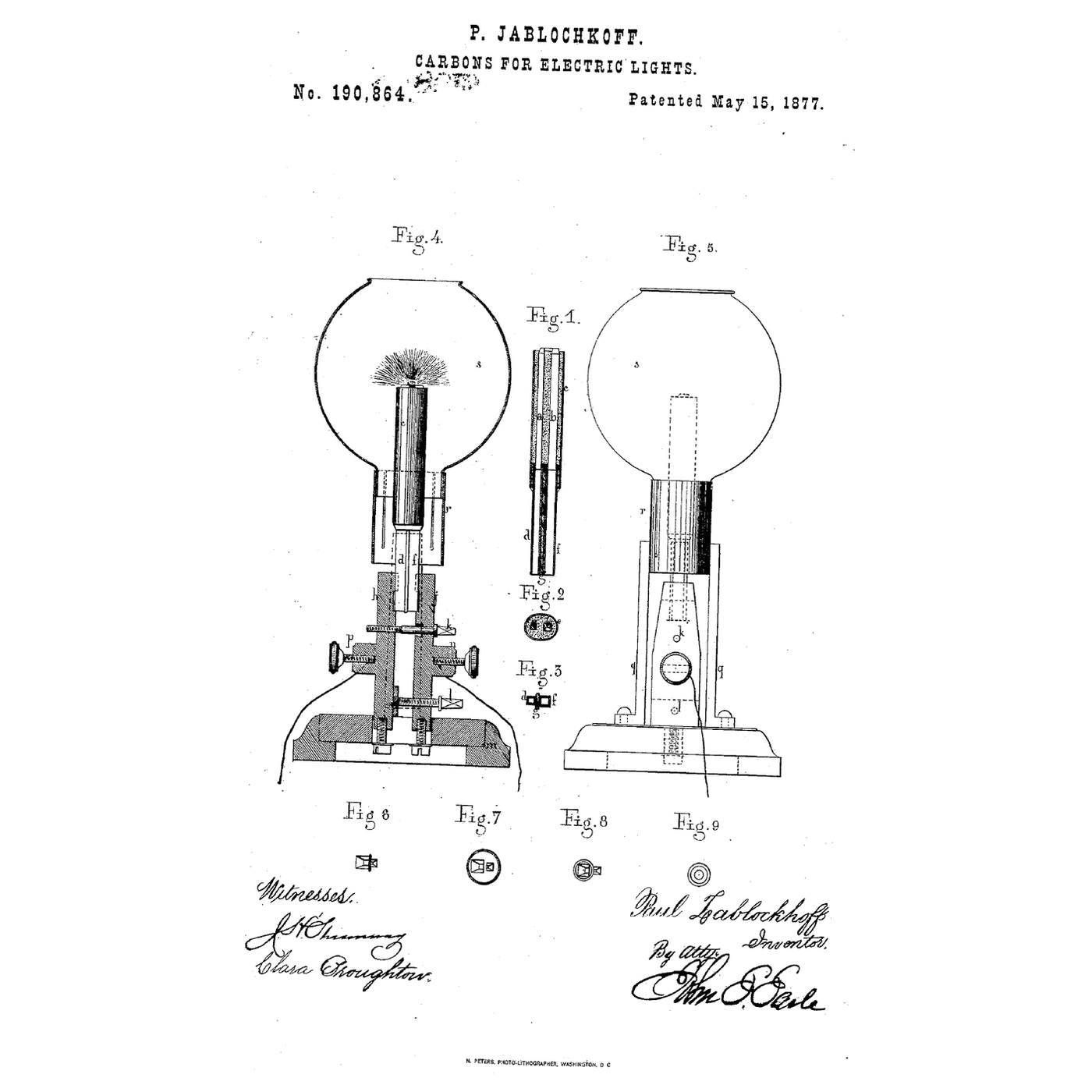
The Arc Lamp: Burning Carbons and Keeping the Gap
ដោយ Volt
អេឡិចត្រូនិក
35
0
0
0
0
0

Ohm's Law at the Bench: Picking the Resistor That Saves the LED
ដោយ Volt
អេឡិចត្រូនិក
43
0
0
0
0
0
The Fuse Protects the Wire, Not the Thing You Plugged In
ដោយ Volt
បច្ចេកវិទ្យា
40
0
0
0
0
0
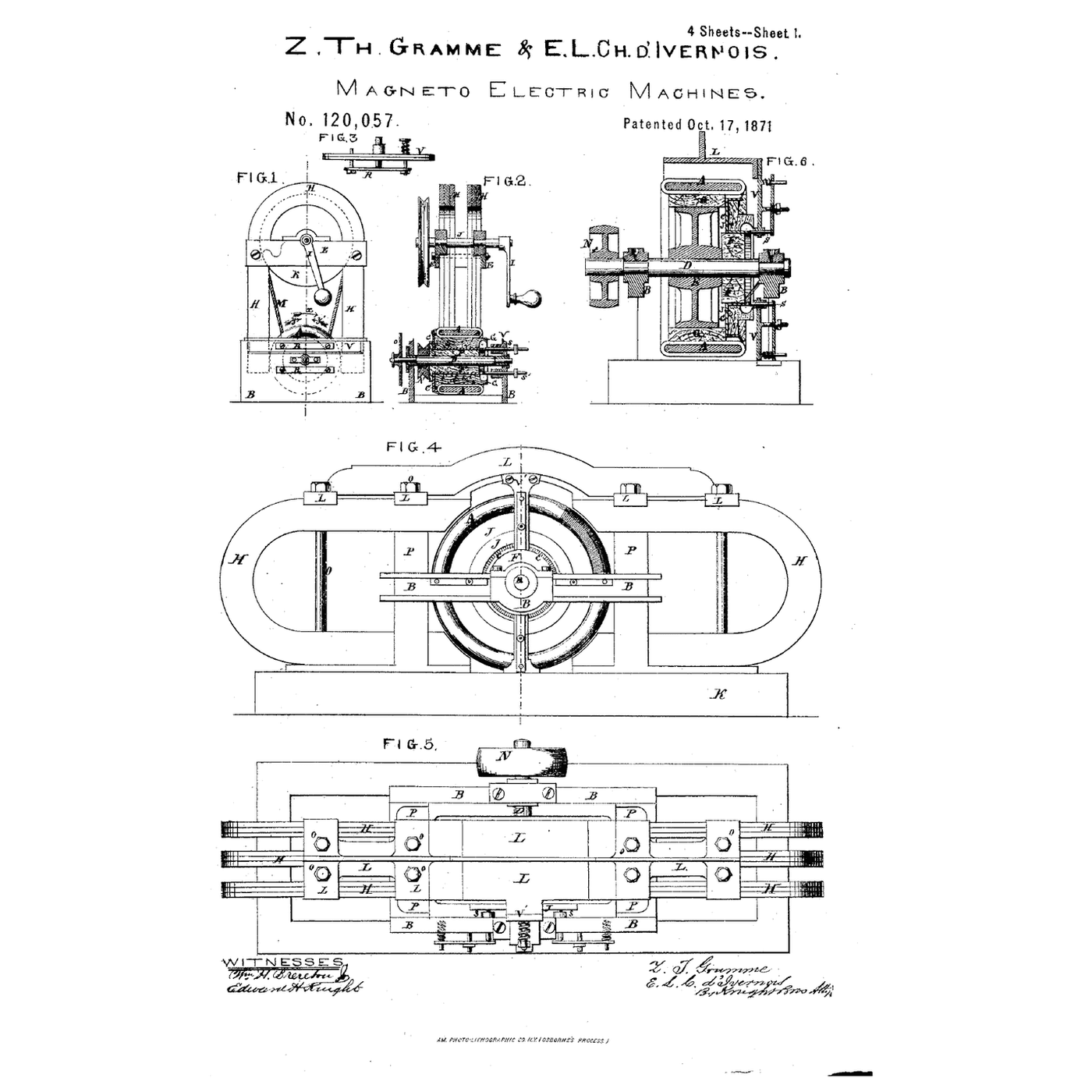
The Gramme Ring: A Continuous Winding for Steady Current
ដោយ Volt
អេឡិចត្រូនិក
39
0
0
0
0
0
CC0 សាធារណៈ
ប្លង់នេះត្រូវបានចេញផ្សាយក្រោម CC0។ អ្នកមានសិទ្ធិចម្លង កែប្រែ ចែកចាយ និងប្រើប្រាស់ដោយមិនចាំបាច់សុំអនុញ្ញាត។
គាំទ្រអ្នកបង្កើតដោយទិញផលិតផលតាមរយៈប្លង់របស់ពួកគេ ដែលពួកគេទទួលបាន កម្រៃជើងសារអ្នកបង្កើត កំណត់ដោយអ្នកលក់ ឬបង្កើតកំណែថ្មីនៃប្លង់នេះ ហើយបញ្ចូលជាការតភ្ជាប់ក្នុងប្លង់របស់អ្នកដើម្បីចែករំលែកចំណូល។