សិល្បៈ
សម្រស់ និង សុខុមាលភាព
សិប្បកម្ម
វប្បធម៌ និង ប្រវត្តិសាស្ត្រ
ការកម្សាន្ត
បរិស្ថាន
ម្ហូប និង ភេសជ្ជៈ
វិស្វកម្មបញ្ច្រាស
វិទ្យាសាស្ត្រ
កីឡា
បច្ចេកវិទ្យា
ប្រដាប់ដែលស្លៀក
Understanding Niobium from Columbite — The Superconducting Steel Strengthener
មធ្យម
ការណែនាំ
1
1
Understand Niobium's Naming Controversy
Understand Niobium's Naming Controversy
Charles Hatchett discovered niobium in 1801 from a mineral sent from Connecticut, naming it columbium after Columbia (America). In 1846, Heinrich Rose independently identified what he believed was a new element in columbite and named it niobium after Niobe, daughter of Tantalus in Greek mythology — fitting since niobium and tantalum are always found together. The naming dispute lasted 150 years: Americans used 'columbium' while Europeans used 'niobium' until IUPAC settled on niobium in 1950. American metallurgists still occasionally use 'columbium.'
2
2
Identify Columbite-Tantalite Ore
Identify Columbite-Tantalite Ore
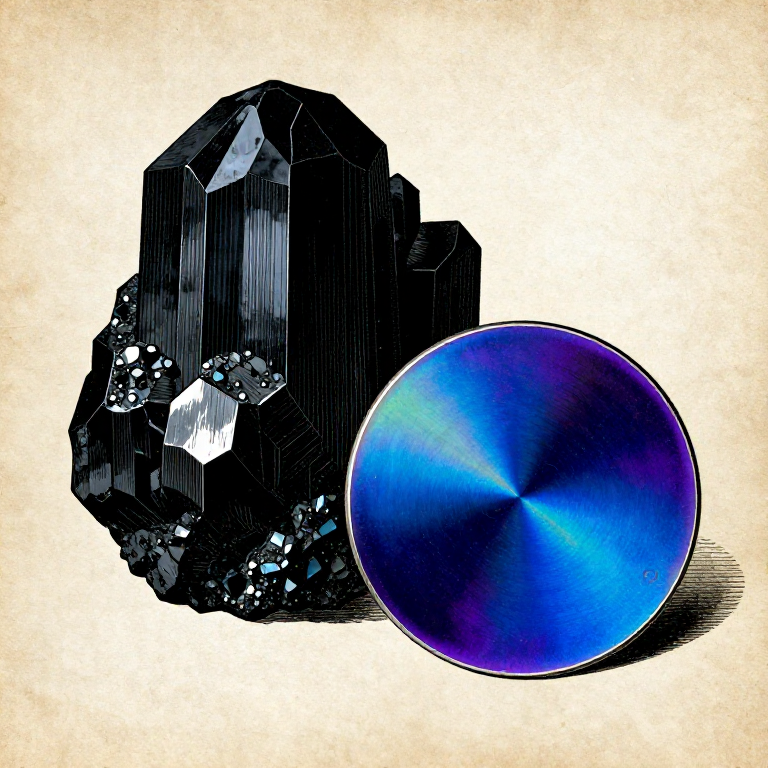
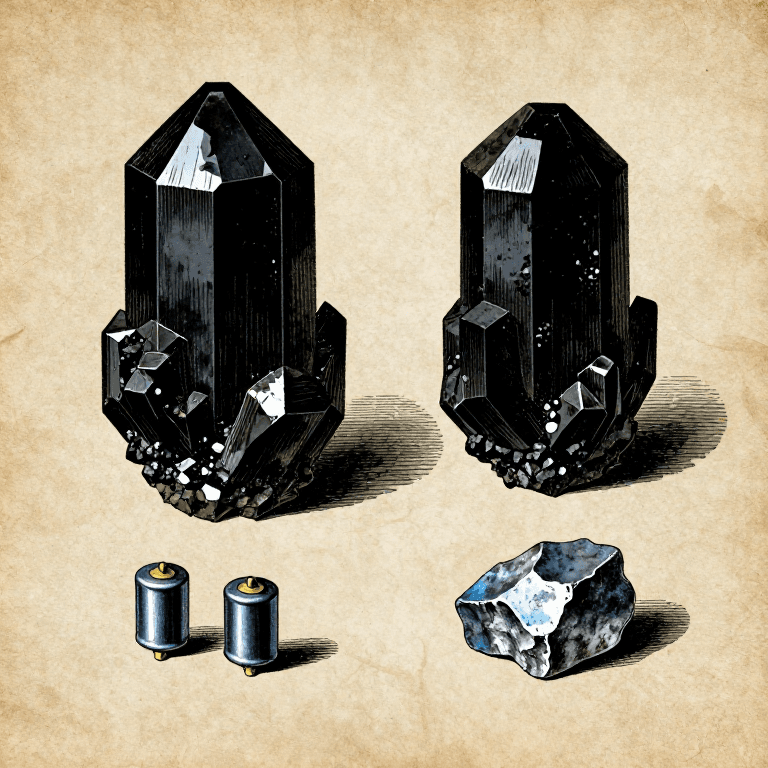
Columbite (Fe,Mn)(Nb,Ta)₂O₆ forms a continuous mineral series with tantalite — when niobium dominates, it is columbite; when tantalum dominates, tantalite. The ore appears as black to brownish-black prismatic crystals or massive aggregates with submetallic luster. Hardness is 6 on Mohs scale. Brazil's Araxá mine produces over 80% of world niobium supply from a weathered carbonatite deposit where pyrochlore (a calcium-niobium oxide) is the primary ore mineral.
សម្ភារៈសម្រាប់ជំហាននេះ៖
 គំរូកូឡំបៀត
ឧបករណ៍ដែលត្រូវការ៖
 កែវពង្រីកដៃ ១០x
 បន្ទះគូស (ថ្មចានមិនលាបថ្នាំ)កែវពង្រីកដៃ ១០xបន្ទះគូស (ថ្មចានមិនលាបថ្នាំ)
 ដែកសាកល្បងភាពរឹង Mohs
3
3
Separate Niobium from Tantalum
Separate Niobium from Tantalum
Separating niobium from tantalum is notoriously difficult because both form nearly identical +5 compounds. The Marignac process dissolves the ore in hydrofluoric acid, forming K₂NbOF₅ (soluble) and K₂TaF₇ (insoluble), separating them by fractional crystallization. Modern plants use solvent extraction with methyl isobutyl ketone (MIBK) or tributyl phosphate from hydrofluoric acid solutions — niobium preferentially enters the organic phase at lower acid concentrations than tantalum.
4
4
Examine Niobium Metal Properties
Examine Niobium Metal Properties
Niobium metal is soft, ductile, and steel-gray with a bluish tinge. It has the remarkable property of forming vivid interference colors when anodized: thin oxide layers produce gold, purple, blue, and green depending on voltage. Melting point is 2477°C — among the highest of any element. Density is 8.57 g/cm³. At room temperature, niobium resists corrosion by all acids except hydrofluoric acid, making it valuable for chemical processing equipment.
ឧបករណ៍ដែលត្រូវការ៖
 វ៉ែនតាសុវត្ថិភាពបិទជិត
5
5
Understand HSLA Steel Applications
Understand HSLA Steel Applications
High-strength low-alloy (HSLA) steel containing just 0.03-0.05% niobium achieves double the yield strength of plain carbon steel. Niobium atoms pin grain boundaries during hot rolling, producing an ultra-fine-grained microstructure. This single application consumes 90% of global niobium production — about 100,000 tonnes of ferroniobium annually. Every modern automobile, oil pipeline, bridge, and skyscraper uses niobium-microalloyed steel.
6
6
Explore Superconducting Niobium Alloys
Explore Superconducting Niobium Alloys
Niobium-titanium (NbTi) wire becomes superconducting at 10 K and is the workhorse of superconducting magnets. Every MRI scanner in every hospital uses NbTi coils cooled by liquid helium to generate 1.5-3 Tesla fields. Niobium-tin (Nb₃Sn) superconducts at 18 K and carries higher current densities — it is used in the Large Hadron Collider at CERN and will power the ITER fusion reactor's 13.5 Tesla toroidal magnets.
7
7
Discover Niobium in Particle Accelerators
Discover Niobium in Particle Accelerators
Superconducting radio-frequency (SRF) cavities made from pure niobium accelerate particles in modern accelerators. Niobium's superconducting transition temperature of 9.3 K is the highest of any elemental metal. The cavities are formed from high-purity niobium sheet (RRR > 300), then electropolished to mirror finish. A single cavity can sustain accelerating gradients of 35 MV/m — the electromagnetic equivalent of a lightning bolt's voltage concentrated in a meter.
8
8
Survey Aerospace and Chemical Uses
Survey Aerospace and Chemical Uses
Niobium-based superalloys withstand the extreme temperatures inside jet engine turbine sections — the C-103 alloy (89% Nb, 10% Hf, 1% Ti) was used for the Apollo Lunar Module descent engine nozzle. Niobium's corrosion resistance makes it ideal for chemical processing: it replaces tantalum at lower cost for heat exchangers and reactor linings handling hot acids. Niobium capacitors offer higher volumetric efficiency than tantalum in some electronic applications.
9
9
Understand Anodizing and Jewelry Applications
Understand Anodizing and Jewelry Applications
Anodizing niobium in dilute phosphoric acid or sodium hydroxide solution at controlled voltages (10-120V) produces stable, vivid colors without dyes or pigments. The color depends entirely on oxide thickness: 10V gives gold, 18V gives brown, 24V gives purple, 40V gives blue, 70V gives green. Unlike anodized aluminum, niobium colors are biocompatible and hypoallergenic, making niobium popular for body jewelry and medical implants.
ឧបករណ៍ដែលត្រូវការ៖
 ជញ្ជីងល្អិត
10
10
Document Findings and Supply Chain Risks
Document Findings and Supply Chain Risks
Record niobium's key data: atomic number 41, density 8.57 g/cm³, melting point 2477°C, silvery-gray metal. Brazil controls 90% of world supply through CBMM (Companhia Brasileira de Metalurgia e Mineração) — the most extreme single-country concentration of any critical metal. Canada's Niobec mine provides most of the remainder. There is no substitute for niobium in HSLA steel or superconducting magnets, making supply disruption a significant strategic risk.
11
11
Ore grade: how much columbite per kilogram
Ore grade: how much columbite per kilogram
កំពុងផ្ទុកសៀវភៅ Jupyter…
សម្ភារៈ
1- 1 ដុំកន្លែងទុក
ឧបករណ៍ចាំបាច់
5- កន្លែងទុក
- កន្លែងទុក
- កន្លែងទុក
- កន្លែងទុក
- កន្លែងទុក
សម្ភារៈប្លង់ដែលបានភ្ជាប់
ចំណែក 10%
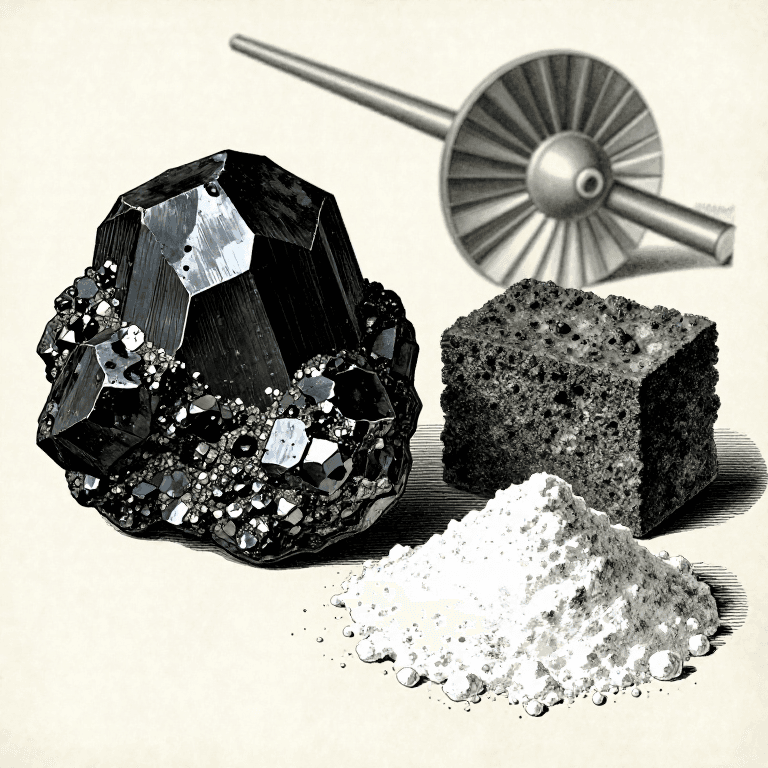
Understanding Tantalum from Columbite-Tantalite — The Conflict Metal Inside Every Phone
ដោយ Peter
ការជីកយករ៉ែ
51
0
0
0
2
0
ចំណែក 10%
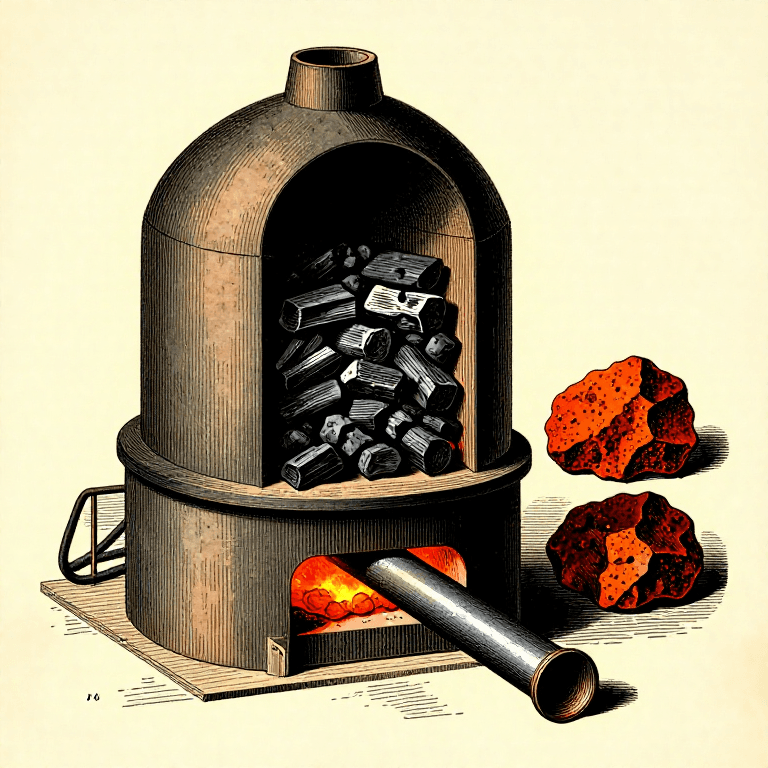
Extracting Iron from Hematite — Bloomery Smelting from Ore to Bloom
ដោយ Peter
ការធ្វើការលោហៈ
143
0
0
0
12
0
គ្រោះថ្នាក់
ចំណែក 10%
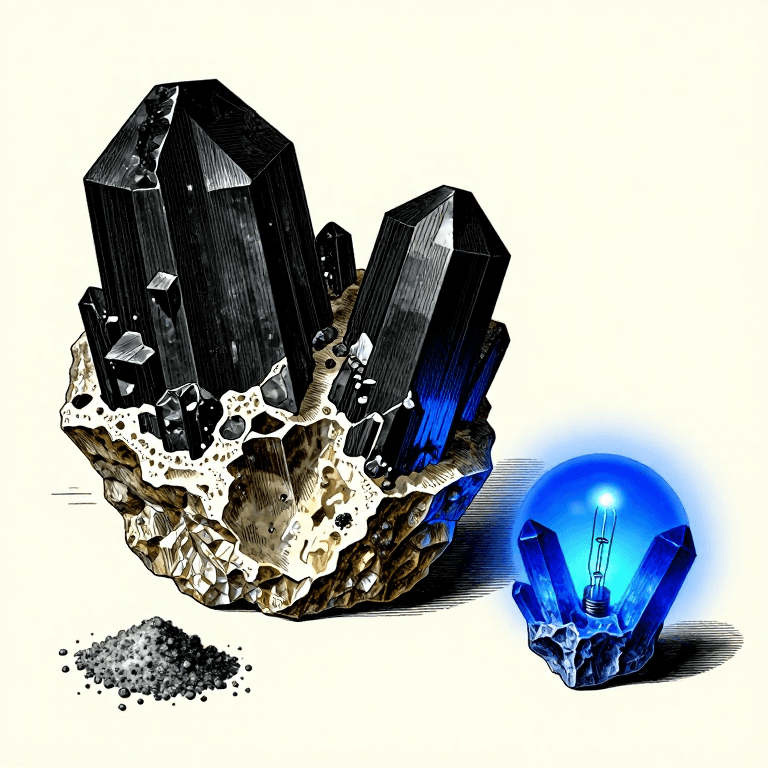
Understanding Titanium Extraction from Ilmenite — The Impossible Metal to Smelt
ដោយ Peter
ការជីកយករ៉ែ
61
0
0
0
3
0
ចំណែក 10%
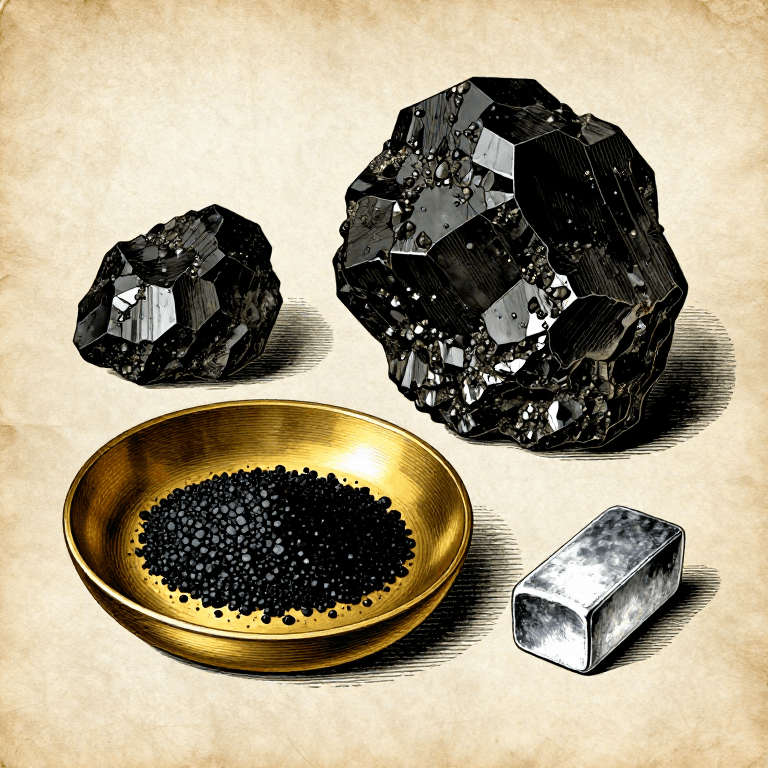
Extracting Tungsten from Wolframite — The Heaviest Practical Metal
ដោយ Peter
ការធ្វើការលោហៈ
83
0
0
0
4
0
ចំណែក 10%
Extracting Tin from Cassiterite — Panning and Smelting Tin Ore
ដោយ Peter
ការធ្វើការលោហៈ
95
0
0
0
4
0
ប្លង់ពាក់ព័ន្ធ
ប្លង់ទាំងនេះចែករំលែកចំណេះដឹង — បច្ចេកទេស សម្ភារៈ ឬគោលការណ៍
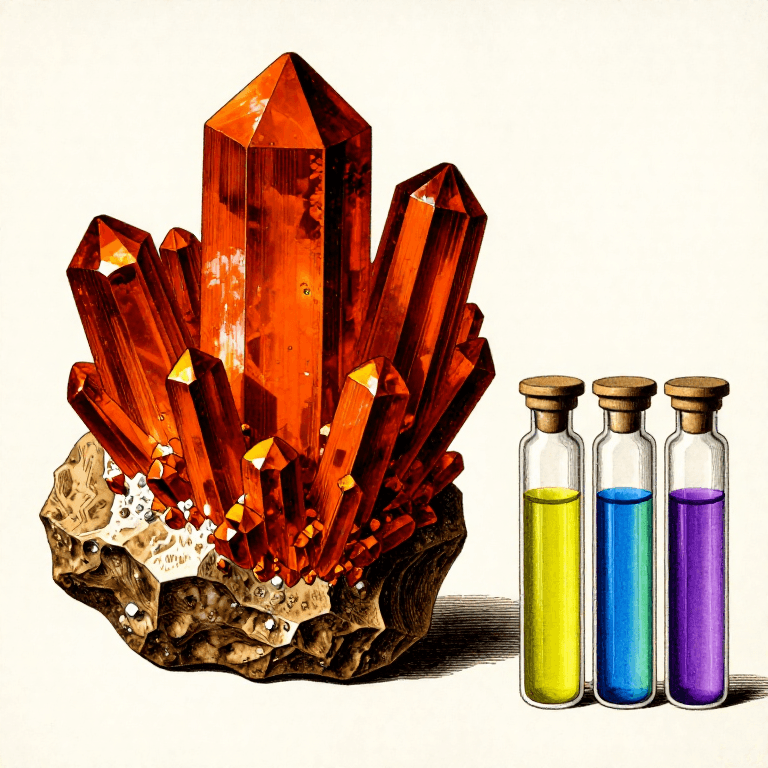
Understanding Vanadium from Vanadinite — The Rainbow-Blooded Metal Named for a Goddess
ដោយ Peter
ការជីកយករ៉ែ
26
0
0
0
0
0
គ្រោះថ្នាក់
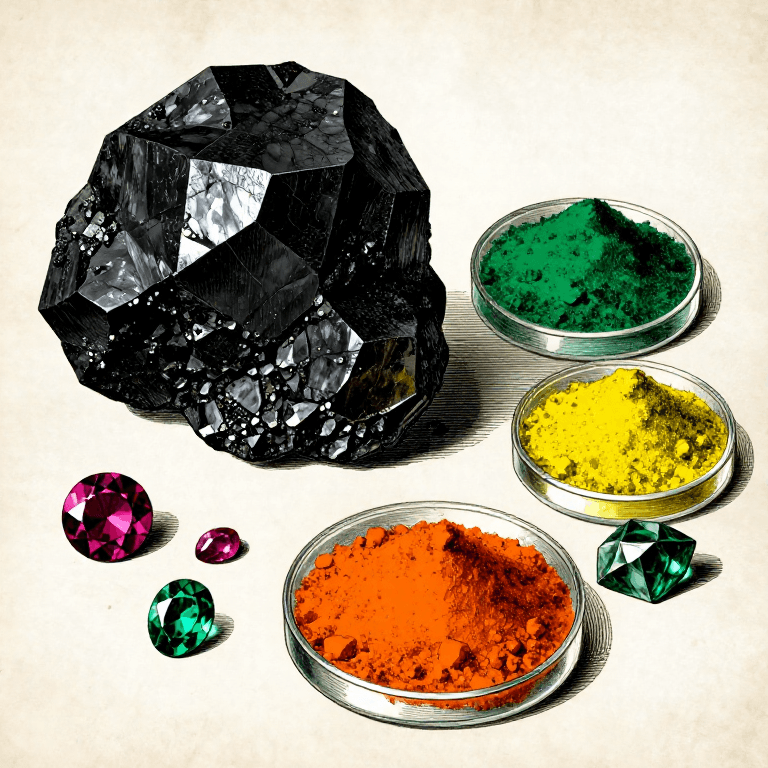
Extracting Chromium from Chromite — The Element That Paints the Rainbow
ដោយ Peter
ការធ្វើការលោហៈ
40
0
0
0
1
0
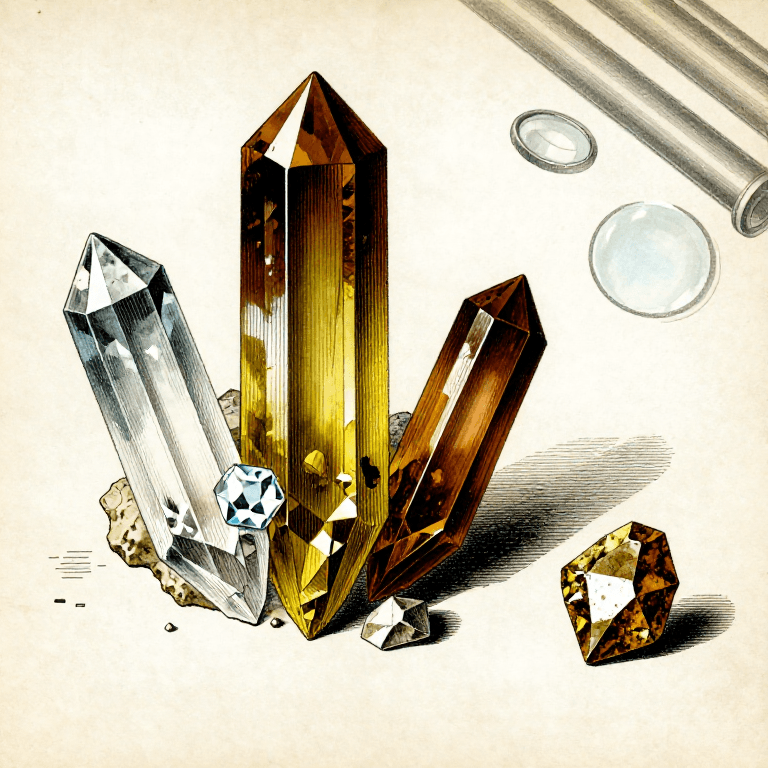
Understanding Zirconium from Zircon — The Ancient Gemstone That Clocks Earth's Age
ដោយ Peter
ការជីកយករ៉ែ
23
0
0
0
2
0
CC0 សាធារណៈ
ប្លង់នេះត្រូវបានចេញផ្សាយក្រោម CC0។ អ្នកមានសិទ្ធិចម្លង កែប្រែ ចែកចាយ និងប្រើប្រាស់ដោយមិនចាំបាច់សុំអនុញ្ញាត។
គាំទ្រអ្នកបង្កើតដោយទិញផលិតផលតាមរយៈប្លង់របស់ពួកគេ ដែលពួកគេទទួលបាន កម្រៃជើងសារអ្នកបង្កើត កំណត់ដោយអ្នកលក់ ឬបង្កើតកំណែថ្មីនៃប្លង់នេះ ហើយបញ្ចូលជាការតភ្ជាប់ក្នុងប្លង់របស់អ្នកដើម្បីចែករំលែកចំណូល។