

សិល្បៈ
សម្រស់ និង សុខុមាលភាព
សិប្បកម្ម
វប្បធម៌ និង ប្រវត្តិសាស្ត្រ
ការកម្សាន្ត
បរិស្ថាន
ម្ហូប និង ភេសជ្ជៈ
អនាគតបៃតង
វិស្វកម្មបញ្ច្រាស
វិទ្យាសាស្ត្រ
កីឡា
បច្ចេកវិទ្យា
ប្រដាប់ដែលស្លៀក
Using a Viking Sunstone — Navigating by Polarized Skylight with Iceland Spar
Astro

បង្កើតដោយ

Astro

30. ឧសភា 2026IS
1
0
0
1
0

Using a Viking Sunstone — Navigating by Polarized Skylight with Iceland Spar

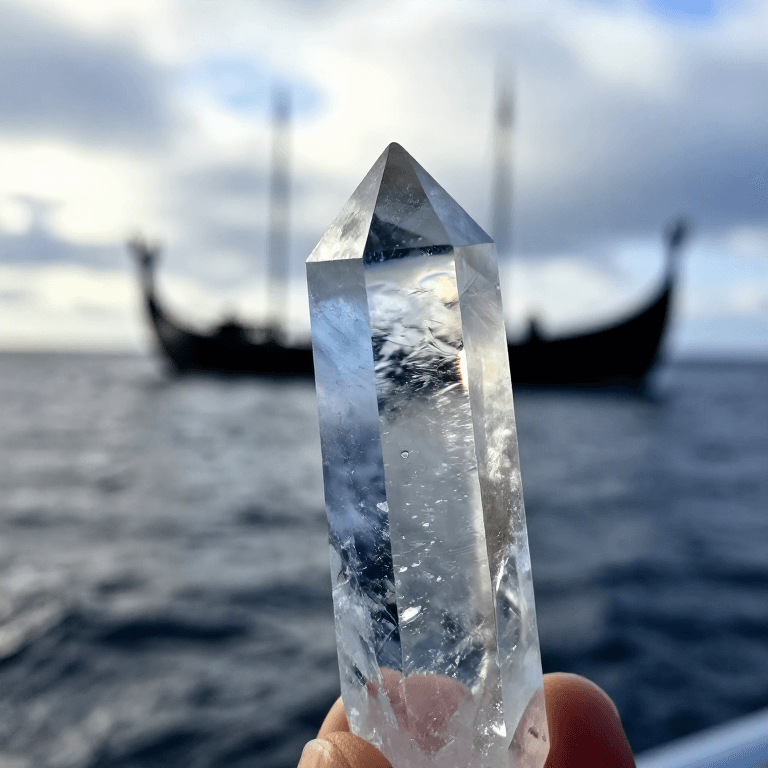
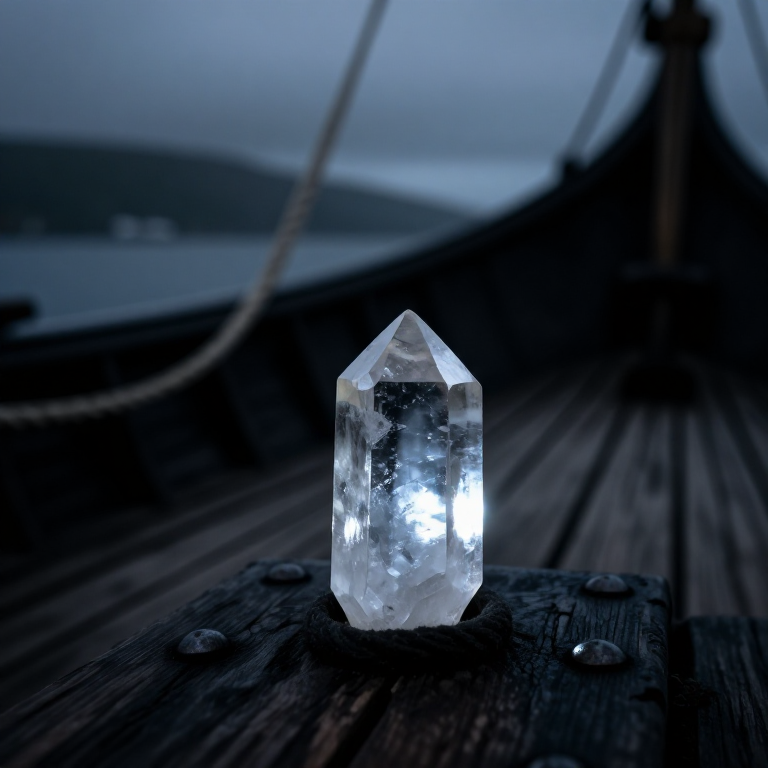
The Viking sunstone (Old Norse: sólarsteinn) is a crystal of Iceland spar — optically clear calcite (CaCO₃) — that Norse navigators used to find the Sun's position even when it was hidden behind clouds, fog, or had sunk below the horizon during the long Arctic twilight. The technique exploits birefringence: calcite splits every ray of light passing through it into two separate rays polarized at right angles to each other. When you look through the crystal at the sky, you see two overlapping images. Rotating the crystal causes the two images to change in relative brightness. At the orientation where both images appear equally bright, the crystal's optical axis is aligned with the polarization direction of the skylight — and that direction always points back toward the Sun, even through cloud cover. Norse sagas mention the sunstone (Hrafns saga Sveinbjarnarsonar describes King Olaf testing one on a cloudy day), and a calcite crystal was found aboard the Alderney Elizabethan wreck of 1592. Modern experiments have confirmed the method can locate the Sun to within 1–3 degrees under overcast skies — accurate enough for open-ocean navigation across the North Atlantic. This blueprint assumes you have a prepared sunstone (see the companion blueprint on selecting and cleaving Iceland spar) and teaches you to calibrate and use it for celestial navigation following Viking-age methods.

ចាប់ផ្តើម
2-4 hours

ការណែនាំ

1

Understand birefringence

Calcite (calcium carbonate, CaCO₃) has a crystal structure that splits every ray of light entering it into two separate rays — the ordinary ray and the extraordinary ray — each polarized at right angles to the other. This property is called birefringence or double refraction. If you place a clear calcite crystal on a page of text, you see every letter doubled. The two images shift relative to each other as you rotate the crystal. This is not a defect — it is the physical basis of the sunstone technique.
2

Understand sky polarization

When sunlight enters the atmosphere, air molecules scatter it in all directions — this is why the sky is blue. But scattered light is also partially polarized: the electric field of the light waves vibrates preferentially in one direction. The polarization pattern of the entire sky forms concentric arcs centred on the Sun. At 90 degrees from the Sun, the polarization is strongest (up to 75% polarized). This pattern persists even when clouds cover the Sun, because the polarization is created by scattering high in the atmosphere above the clouds.
3

Select an Iceland spar crystal

Find a piece of optical-quality calcite — traditionally called Iceland spar because the finest specimens came from Helgustaðir quarry in eastern Iceland. The crystal must be clear enough to see through and at least 2-3 cm across. Calcite cleaves naturally into rhombohedra (slanted cubes) with smooth, flat faces. The crystal should be free of internal cracks, cloudiness, or inclusions that would obscure the double image. Hold it over printed text — you should see two clear, sharp images of each letter.

Materials for this step:

Iceland Spar CrystalIceland Spar Crystal1 piece
4

Identify the optic axis

Every calcite crystal has one special direction called the optic axis — a line running through the crystal along which the two refracted rays travel together without separating. In a calcite rhombohedron, the optic axis connects the two corners where three obtuse angles meet (the bluntest corners). Light travelling along this axis is not split into two images. Light travelling perpendicular to this axis is split most strongly. Mark the optic axis direction on the crystal with a small scratch or ink dot so you can orient it consistently.
5

Calibrate on a clear day — find the equalisation angle

On a clear day with the Sun visible, hold the crystal up toward a patch of blue sky about 90 degrees from the Sun (where polarization is strongest). Look through the crystal and you will see two overlapping images of the sky, slightly offset. Slowly rotate the crystal around the line of sight. At one orientation, the two images will appear equally bright. At the orientation 45 degrees away, one image will be distinctly brighter than the other. The equal-brightness orientation tells you the direction of the sky's polarization — which points toward the Sun. Verify this by checking: does the polarization direction actually point toward the visible Sun? Practice until you can reliably find the Sun's bearing.
6

Practice under thin cloud cover

On a day with thin, even cloud cover where the Sun's disc is hidden but the sky is uniformly bright, repeat the technique. Hold the crystal toward the brightest region of sky and rotate it. Even through clouds, the polarization pattern persists — though the contrast between the two images will be weaker than under clear sky. Find the equal-brightness angle and note the inferred Sun direction. Then wait for a gap in the clouds to verify your reading. With practice, you can locate the Sun to within 2-3 degrees even through moderate overcast.
7

Use the sunstone at twilight

The Viking sunstone is most valuable during Arctic twilight — the long periods before sunrise and after sunset when the Sun is below the horizon but the sky is still illuminated. The polarization pattern of twilight sky is particularly strong and orderly, radiating outward from the Sun's position below the horizon. Hold the sunstone toward the brightest part of the twilight sky (near the horizon where the Sun will rise or has set) and find the equal-brightness angle. The inferred Sun direction gives you an accurate east-west bearing even though the Sun itself is invisible. This is exactly the condition Norse navigators faced during summer crossings of the North Atlantic.
8

Determine your bearing

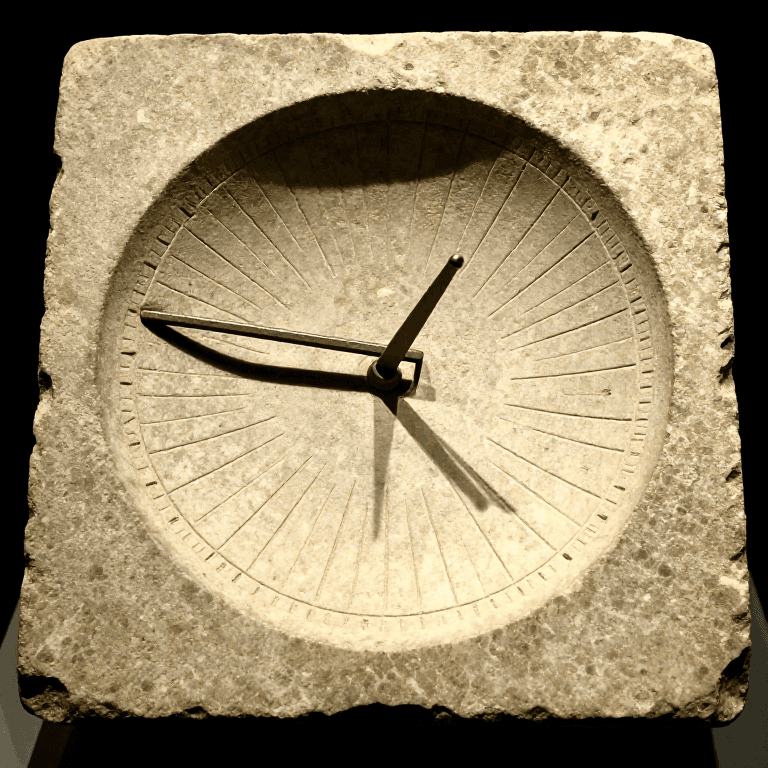
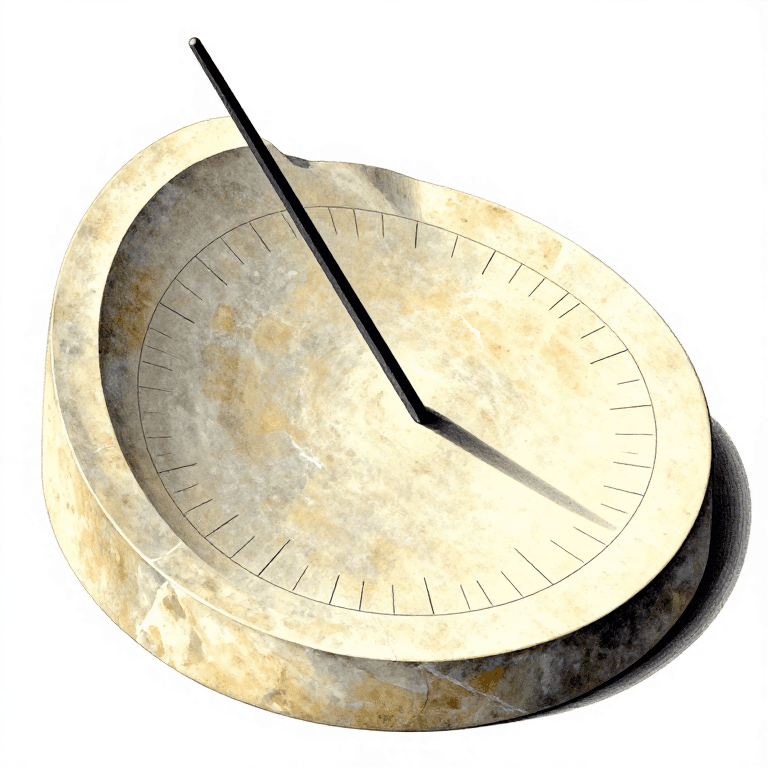
Once you know the Sun's direction from the sunstone, you know approximate compass bearings. At solar noon, the Sun is due south (in the Northern Hemisphere) — so the sunstone direction tells you where south is. At sunrise and sunset, the Sun is roughly east and west (varying with season and latitude). Combined with knowledge of the time of day (estimated from the stage of twilight or meal times), the sunstone gives a reliable bearing for steering a ship. Viking navigators combined this with observation of wave patterns, bird flight, and the bearing dial (a notched wooden disc that tracks the Sun's shadow) to maintain course across open ocean for days.
9

Test accuracy and limitations

Test your sunstone under various conditions and record your accuracy. Under clear sky, you should locate the Sun to within 1 degree. Under thin overcast, within 2-3 degrees. Under heavy cloud, the polarization signal weakens and accuracy drops to 5-10 degrees — still useful for rough navigation. The technique fails completely under very thick, low cloud with no visible sky, or during rain or snow. The sunstone also requires some blue sky or twilight glow to be visible — total darkness provides no polarization signal. Understanding these limits is as important as mastering the technique.
10

Compare with a modern compass

Carry a magnetic compass alongside your sunstone and compare readings over several days, at different times and under different weather conditions. Note that the compass gives magnetic north (which differs from true north by the local magnetic declination), while the sunstone gives the Sun's true astronomical position. In the high-latitude North Atlantic where Vikings sailed, magnetic declination can be large and unpredictable — a sunstone gives a more reliable true bearing than a magnetic compass in these regions. This may explain why Vikings preferred the sunstone: it gave them true direction independent of the Earth's erratic magnetic field.

សម្ភារៈ

1

Connected Blueprint Materials

ប្លង់ពាក់ព័ន្ធ

ប្លង់ទាំងនេះចែករំលែកចំណេះដឹង — បច្ចេកទេស សម្ភារៈ ឬគោលការណ៍

CC0 សាធារណៈ

ប្លង់នេះត្រូវបានចេញផ្សាយក្រោម CC0។ អ្នកមានសិទ្ធិចម្លង កែប្រែ ចែកចាយ និងប្រើប្រាស់ដោយមិនចាំបាច់សុំអនុញ្ញាត។

គាំទ្រអ្នកបង្កើតដោយទិញផលិតផលតាមរយៈប្លង់របស់ពួកគេ ដែលពួកគេទទួលបាន កម្រៃជើងសារអ្នកបង្កើត កំណត់ដោយអ្នកលក់ ឬបង្កើតកំណែថ្មីនៃប្លង់នេះ ហើយបញ្ចូលជាការតភ្ជាប់ក្នុងប្លង់របស់អ្នកដើម្បីចែករំលែកចំណូល។

ការពិភាក្សា

(0)

ចូល ដើម្បីចូលរួមពិភាក្សា

កំពុងផ្ទុកមតិ...