កិច្ចសហប្រតិបត្តិការ
សិល្បៈ
សម្រស់ និង សុខុមាលភាព
សិប្បកម្ម
វប្បធម៌ និង ប្រវត្តិសាស្ត្រ
ការកម្សាន្ត
បរិស្ថាន
ម្ហូប និង ភេសជ្ជៈ
វិស្វកម្មបញ្ច្រាស
វិទ្យាសាស្ត្រ
កីឡា
បច្ចេកវិទ្យា
ប្រដាប់ដែលស្លៀក
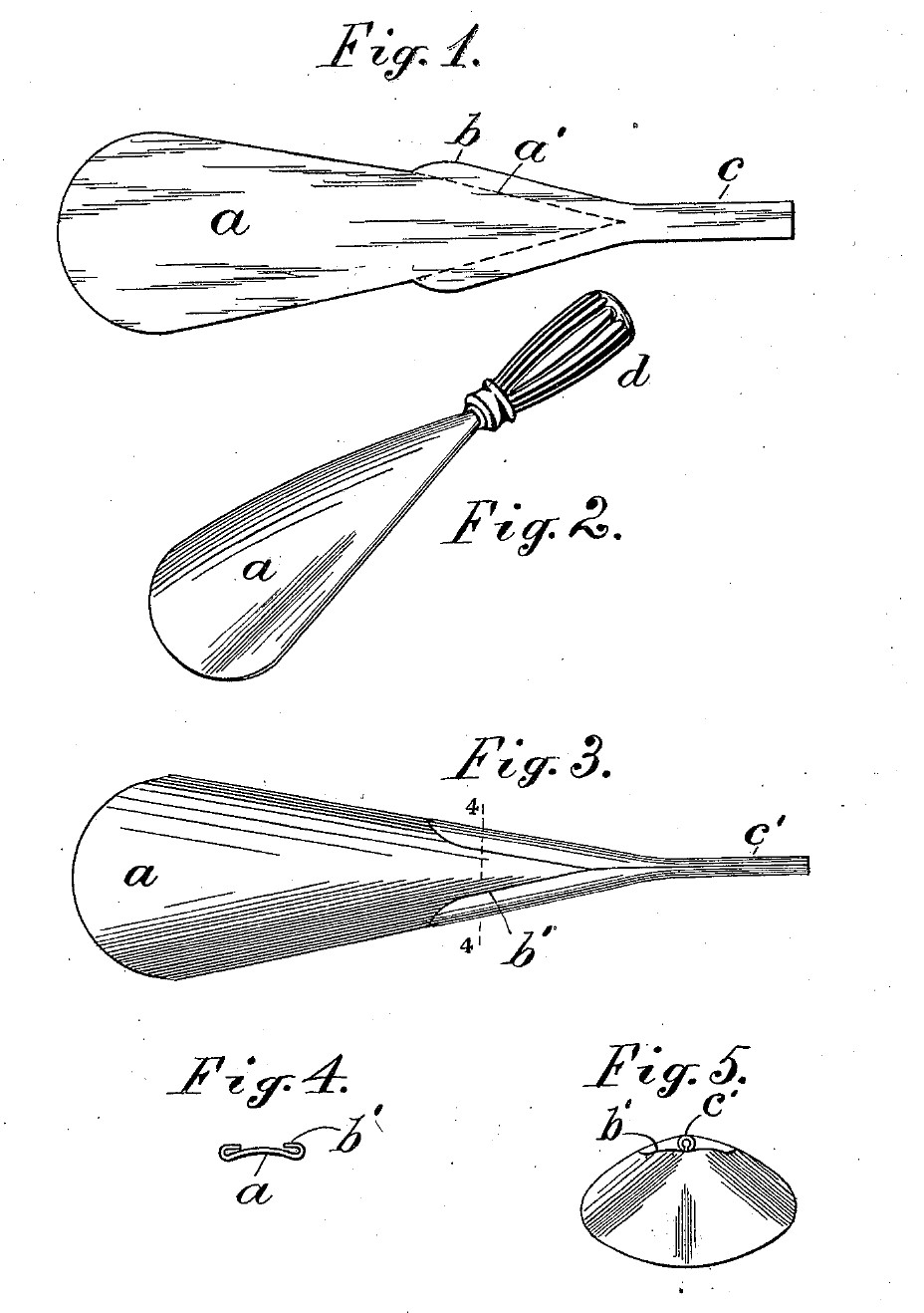


Shoe Horn With a Rolled Tubular Tang, Cut From One Sheet (Williams, 1901)
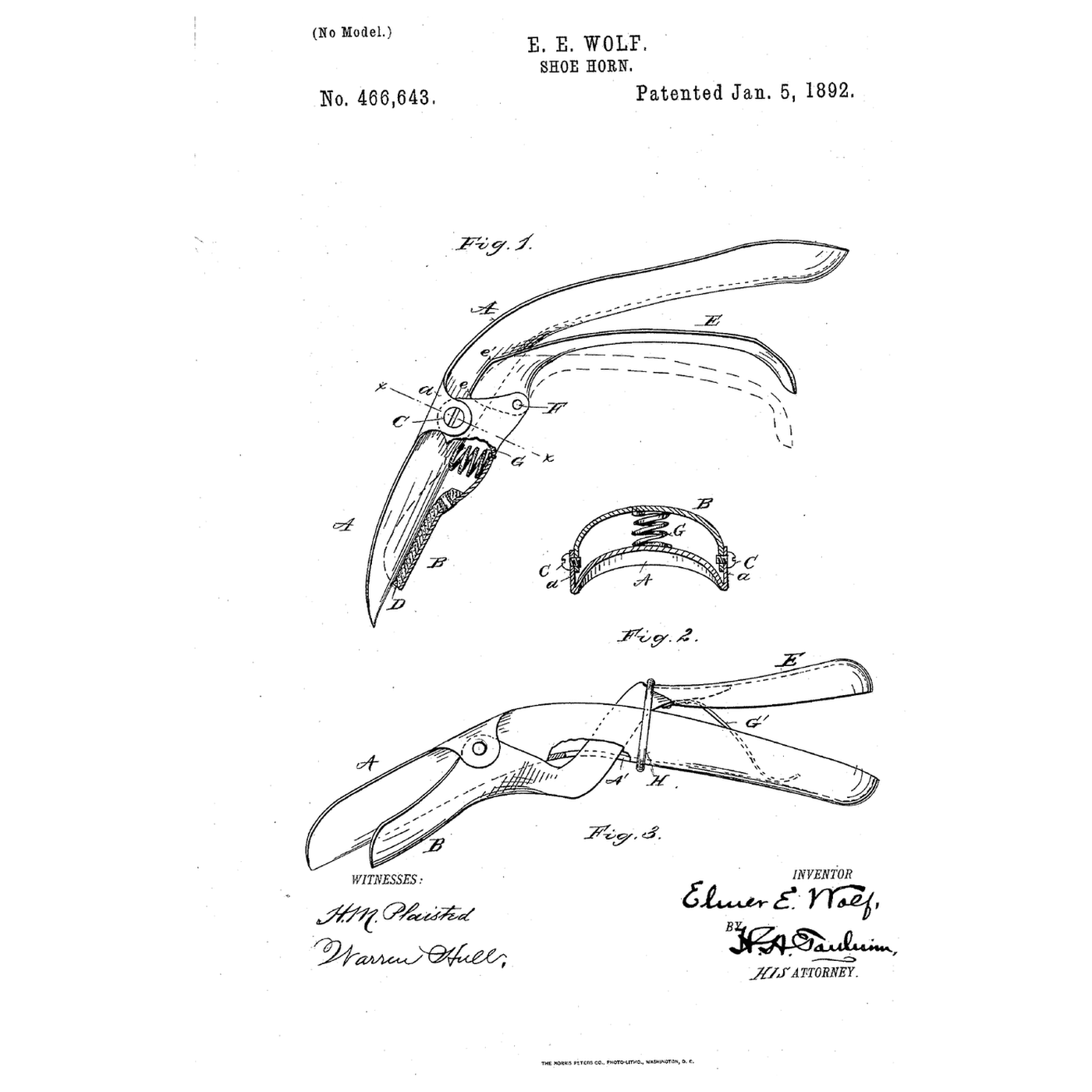
Alfred G. Williams of Newark received US 685,548, dated 29 October 1901, for a sheet-metal shoe horn whose handle tang is part of the same blank. A tongue at the narrow end is rolled into a close tube, and two wings beside it are folded over the edges of the horn, so the weak neck is stiffened where it meets the tang. A handle fits on the tang.
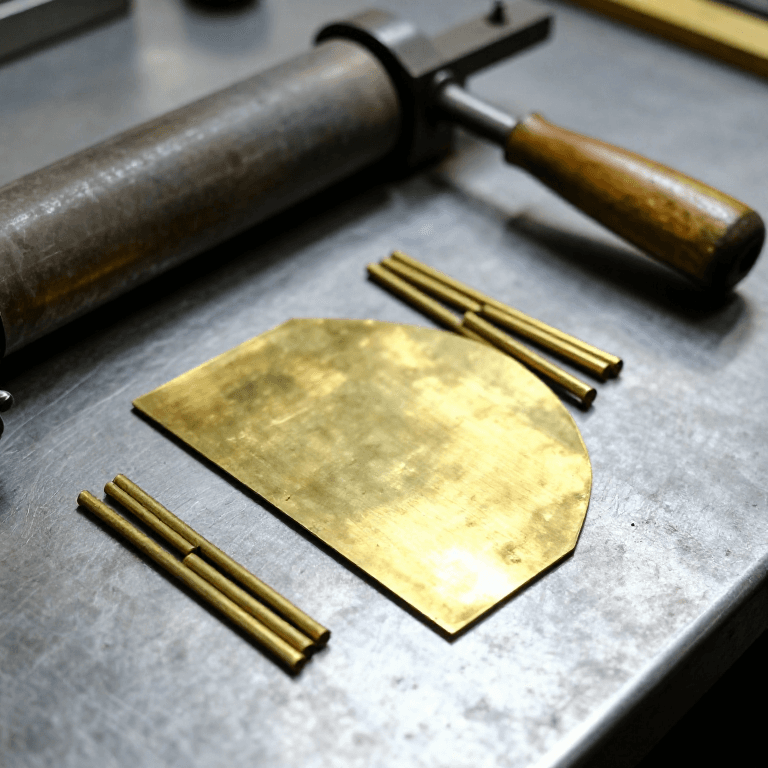
We cut it from brass sheet with a 1:1 template and fit a hardwood handle. All sizes are ours.
ចាប់ផ្តើម
About 3 hours
ការណែនាំ
1
1
How wide to cut the tongue
How wide to cut the tongue
កំពុងផ្ទុកសៀវភៅ Jupyter…
2
2
Read US 685,548
Read US 685,548
"I construct the tang by extending the sheet metal from the upper or smaller end of the horn in a tongue of suitable width to roll into a tubular tang and form integral with such tongue lateral wings or flanges upon the upper end of the horn, which can be folded or curved upon the edges of the horn to stiffen the same at its junction with the tang."
3
3
Print the template
Print the template
The blank at 1:1 as his Fig. 1: body a, wings b, tongue c, with the fold lines a' dashed: they run from where each wing starts in to the root of the tongue. print at 100 % (check the 50 mm bar).
4
4
Cut the blank
Cut the blank
Cut the paper blank out and lay it on 0.8 mm brass sheet. Scribe round it. Cut just outside the line with tin snips, then file to the line. Keep the tongue an even 15 mm wide.
សម្ភារៈសម្រាប់ជំហាននេះ៖
 សន្លឹកស្ពាន់លឿង1 ដុំ
ឧបករណ៍ដែលត្រូវការ៖
 ដែកគូស
 កន្ត្រៃកាត់សន្លឹកលោហៈ
 សំណុំដែកឆាប
 ដង្កាប់តុ
5
5
Smooth the edges
Smooth the edges
Round every edge of the body with a file and sandpaper. The mouth slides against the heel and the sock, so it must be smooth all round.
ឧបករណ៍ដែលត្រូវការ៖
សំណុំដែកឆាប ក្រដាសខាត់
6
6
Roll the tang
Roll the tang
Lay a 4 mm rod along the middle of the tongue. With round-nose pliers, curl one edge of the tongue up round the rod, then the other, a little at a time along its length, until the edges meet: his "close-rolled cylindrical" tang c'. Slide the rod out.
ឧបករណ៍ដែលត្រូវការ៖
 តង់មាត់មូល
 ដង្កាប់មាត់រាប
 ដែកទន់ដុំមូល
7
7
Fold the wings
Fold the wings
Fold each wing b along its dashed line a' over the edge of the horn, onto the underside, with the flat-nose pliers and then light taps of the rubber mallet, until it lies close. His Figs. 3 and 4 show the horn turned over, with the wings b' lying on the edges and running into the tang.
ឧបករណ៍ដែលត្រូវការ៖
ដង្កាប់មាត់រាប ញញួរកៅស៊ូ
8
8
Dish the body
Dish the body
His body is "slightly concave transversely". Lay it, inside up, across a rod held in the vice and tap the edges down with the rubber mallet, working from the neck to the mouth, until it is evenly hollow across its width. Keep the curve slight; it should still lie nearly flat on the bench along its length.
ឧបករណ៍ដែលត្រូវការ៖
ញញួរកៅស៊ូ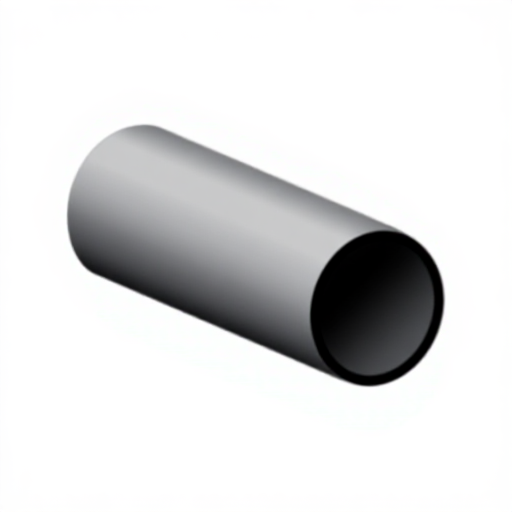 ដែកថែបទន់មូលដង្កាប់តុ
9
9
Make the handle
Make the handle
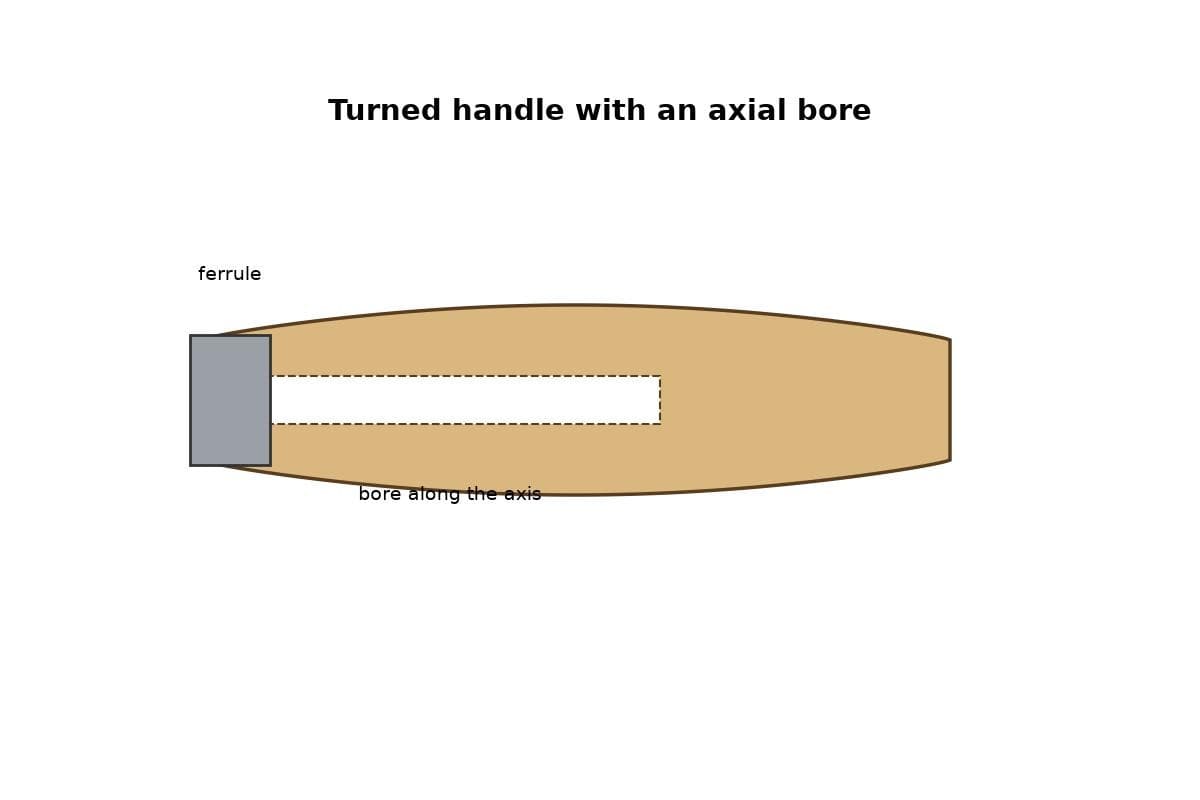
Saw 75 mm of hardwood handle stock (ours) and shape it with a rasp and sandpaper. Drill a 6 mm hole 40 mm deep in one end, straight down the middle, to take the tang. His handle is "more for ornament than for support", so any shape you like will do.
សម្ភារៈសម្រាប់ជំហាននេះ៖
 ឈើរឹងសម្រាប់ធ្វើដង1 ដុំ
ឧបករណ៍ដែលត្រូវការ៖
 រណារកាត់ដែក
 ដែកឈូសឈើគ្រើមក្រដាសខាត់
 ស្វានដៃដង្កាប់តុ
10
10
Fit the handle
Fit the handle
Roughen the tang with sandpaper, mix the epoxy, fill the hole and push the handle onto the tang until it meets the wings. Line the handle up with the horn and leave it to set as the epoxy's label says.
សម្ភារៈសម្រាប់ជំហាននេះ៖
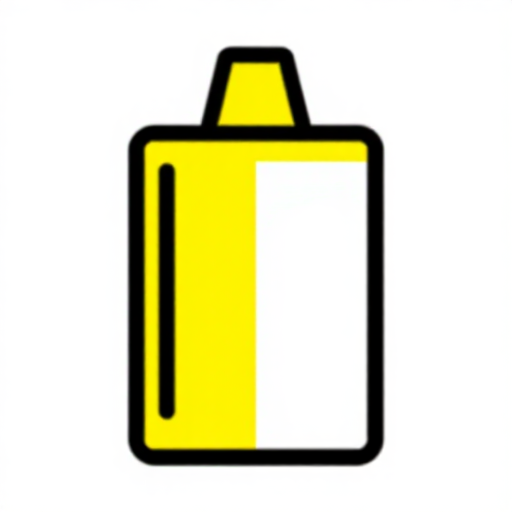 អេប៉ុកស៊ីពីរផ្នែក1 ដុំ
ឧបករណ៍ដែលត្រូវការ៖
ក្រដាសខាត់11
11
Polish
Polish
Polish the horn with polishing compound on a soft cloth.
ឧបករណ៍ដែលត្រូវការ៖
 ល្បាយខាត់ភ្លឺ
12
12
Troubleshooting
Troubleshooting
Tubular-tang shoe horn troubleshooting.
Flow
Loading...
13
13
History and honest limits
History and honest limits
**Alfred G. Williams** of Newark, New Jersey, assignor to Havell Manufacturing Company, US 685,548, dated 29 October 1901, filed 26 June 1901. He claimed "the shoe-horn having integral tang c', of close-rolled cylindrical form, with integral wings b' extended from such tang and folded over upon the edges of the horn". He meant it for "ornamented handles" in "mounted toilet sets". He gives no sizes, no metal and no way of fixing the handle: the brass, all sizes, the hardwood handle, the epoxy and the order of work are ours.
សម្ភារៈ
3- 1 ដុំកន្លែងទុក
- 1 ដុំកន្លែងទុក
- 1 ដុំកន្លែងទុក
ឧបករណ៍ចាំបាច់
14- កន្លែងទុក
- កន្លែងទុក
- កន្លែងទុក
- កន្លែងទុក
- កន្លែងទុក
- កន្លែងទុក
- កន្លែងទុក
- កន្លែងទុក
- កន្លែងទុក
- កន្លែងទុក
- កន្លែងទុក
- កន្លែងទុក
- កន្លែងទុក
- កន្លែងទុក
ឯកសាររចនា
1ប្លង់នេះធ្វើ
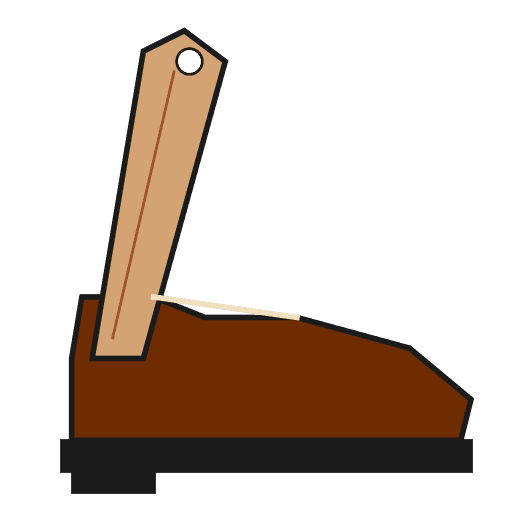
ប្លង់ពាក់ព័ន្ធ
ប្លង់ទាំងនេះចែករំលែកចំណេះដឹង — បច្ចេកទេស សម្ភារៈ ឬគោលការណ៍
CC0 សាធារណៈ
ប្លង់នេះត្រូវបានចេញផ្សាយក្រោម CC0។ អ្នកមានសិទ្ធិចម្លង កែប្រែ ចែកចាយ និងប្រើប្រាស់ដោយមិនចាំបាច់សុំអនុញ្ញាត។
គាំទ្រអ្នកបង្កើតដោយទិញផលិតផលតាមរយៈប្លង់របស់ពួកគេ ដែលពួកគេទទួលបាន កម្រៃជើងសារអ្នកបង្កើត កំណត់ដោយអ្នកលក់ ឬបង្កើតកំណែថ្មីនៃប្លង់នេះ ហើយបញ្ចូលជាការតភ្ជាប់ក្នុងប្លង់របស់អ្នកដើម្បីចែករំលែកចំណូល។