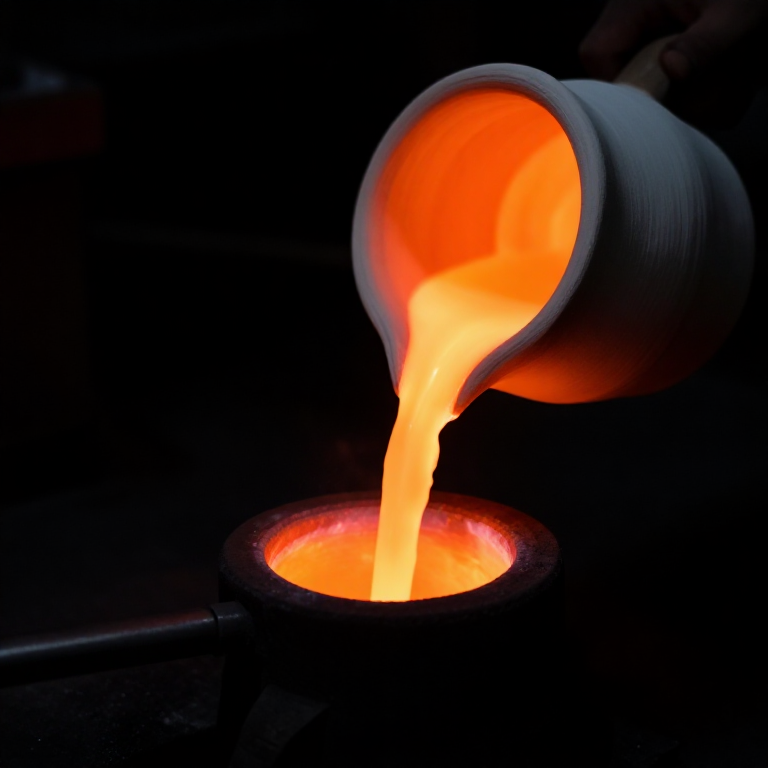


Crucible Cast Steel by the Huntsman Process — Remelting Blister Steel into Flawless Ingots
Blister steel was a triumph, but it had a flaw: its carbon was uneven, rich at the surface of each bar and poor in the core. For fine springs, watch parts, and razors, smiths needed steel that was the same all the way through. In 1740 the Sheffield clockmaker Benjamin Huntsman found the answer — melt the steel completely.
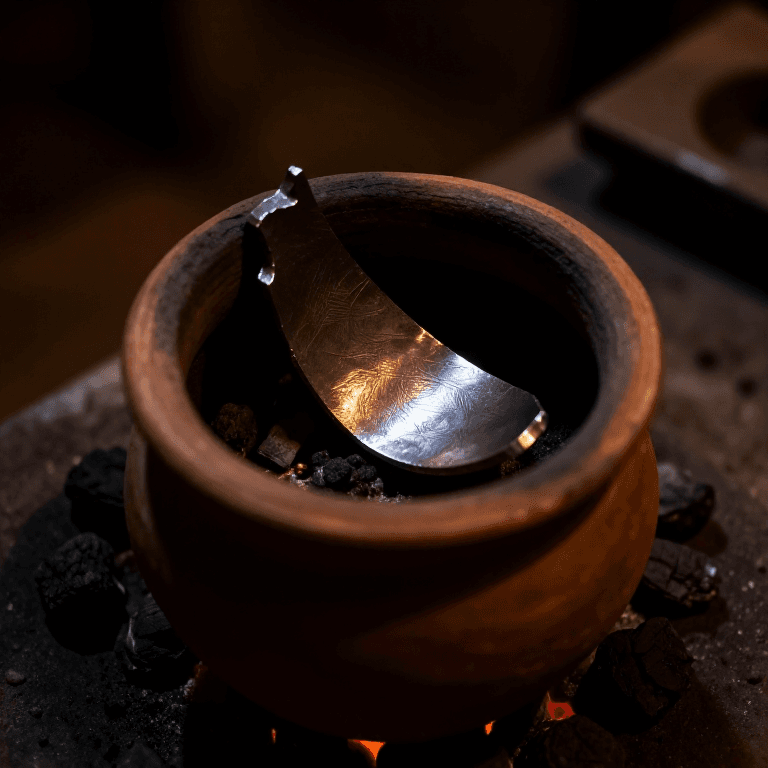
No furnace of the day could melt steel, so Huntsman built one that could. He broke blister steel into small pieces, sealed them in a covered clay crucible, and drove a coke fire hot enough — around 1600 degrees Celsius — to turn the solid steel into a clear liquid. Fully molten, the carbon spread perfectly evenly through the metal and the impurities floated off as slag. Poured into a mould, it set into a flawless ingot of cast steel.
Huntsman's crucible steel was the finest in the world and made Sheffield the steel capital of the age. The principle — melt it to make it uniform — is the same one that still underlies steelmaking today, and it sits at the very top of the iron-and-steel chain that runs from ore to coke to pig iron to wrought iron to blister steel to this.
안내
Understand the goal
Understand the goal
Break up the blister steel
Break up the blister steel
이 단계의 재료:
 기포강 봉재12 kg
필요한 도구:
 망치
망치Prepare a clay crucible
Prepare a clay crucible
이 단계의 재료:
 깊은 점토 도가니1 개
Charge the crucible
Charge the crucible
이 단계의 재료:
 석회암 판1 kg
Build a coke melting furnace
Build a coke melting furnace
이 단계의 재료:
 야금용 코크스50 kg
필요한 도구:
 풀무
풀무Melt the steel fully
Melt the steel fully
필요한 도구:
 도가니 집게
Let the carbon even out
Let the carbon even out
Let the slag rise
Let the slag rise
Lift the crucible
Lift the crucible
필요한 도구:
도가니 집게Cast the ingot
Cast the ingot
필요한 도구:
 잉곳 주형
잉곳 주형Cool and strip
Cool and strip
필요한 도구:
망치Identify cast steel
Identify cast steel
필요한 도구:
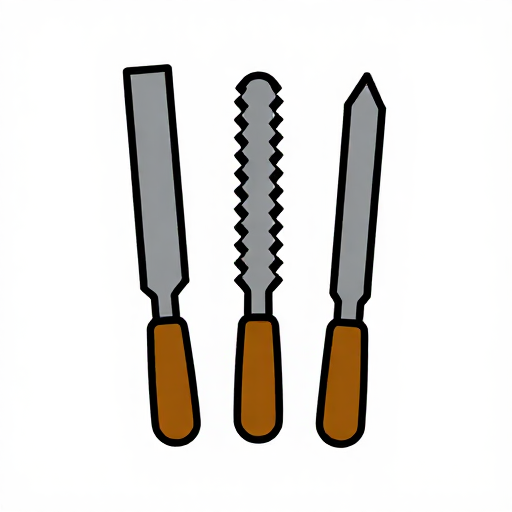 줄 세트
줄 세트연결된 블루프린트 재료
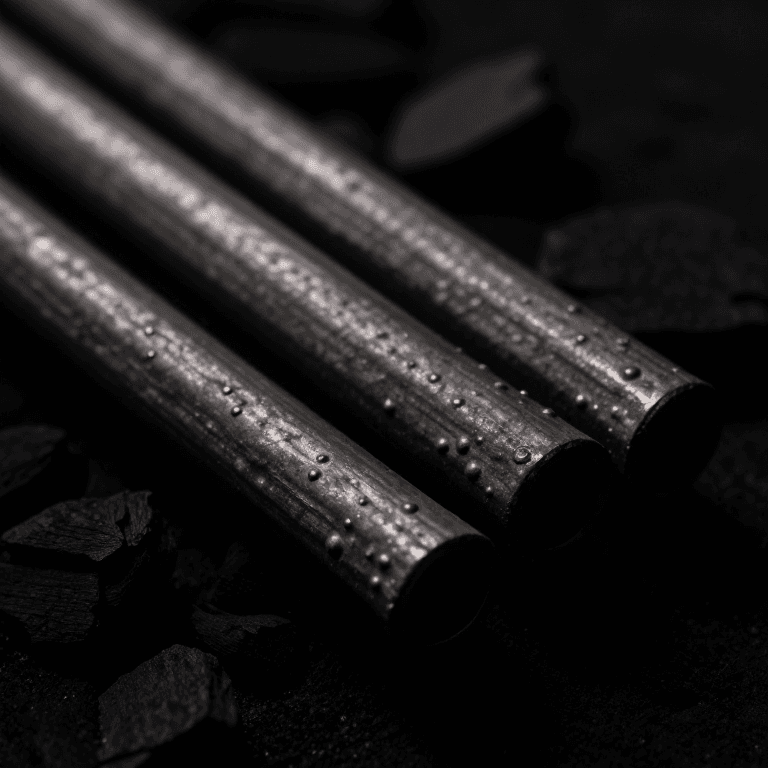
관련 블루프린트
이 블루프린트들은 지식을 공유합니다 — 기술, 재료 또는 원리

CC0 퍼블릭 도메인
이 블루프린트는 CC0로 공개되었습니다. 어떤 목적으로든 자유롭게 복사, 수정, 배포 및 사용할 수 있습니다.
제품 구매를 통해 메이커를 지원하세요. 판매자가 설정한 메이커 커미션 을 받거나, 이 블루프린트의 새로운 반복을 만들어 연결로 포함시킬 수 있습니다.