예술
뷰티 및 웰니스
공예
문화 및 역사
엔터테인먼트
환경
음식 및 음료
역공학
과학
스포츠
기술
웨어러블
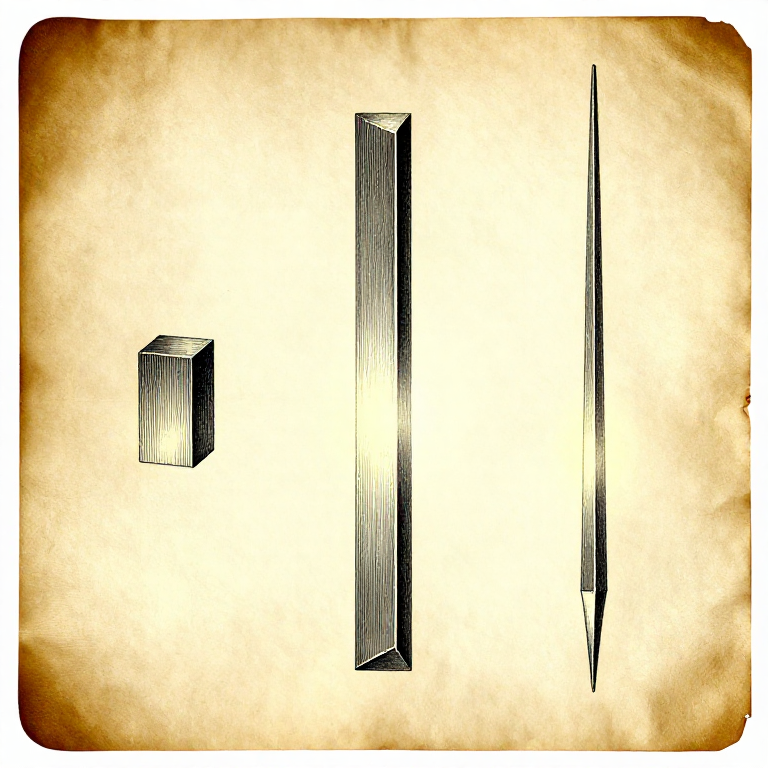


Drawing Out: Making It Longer by Making It Thinner
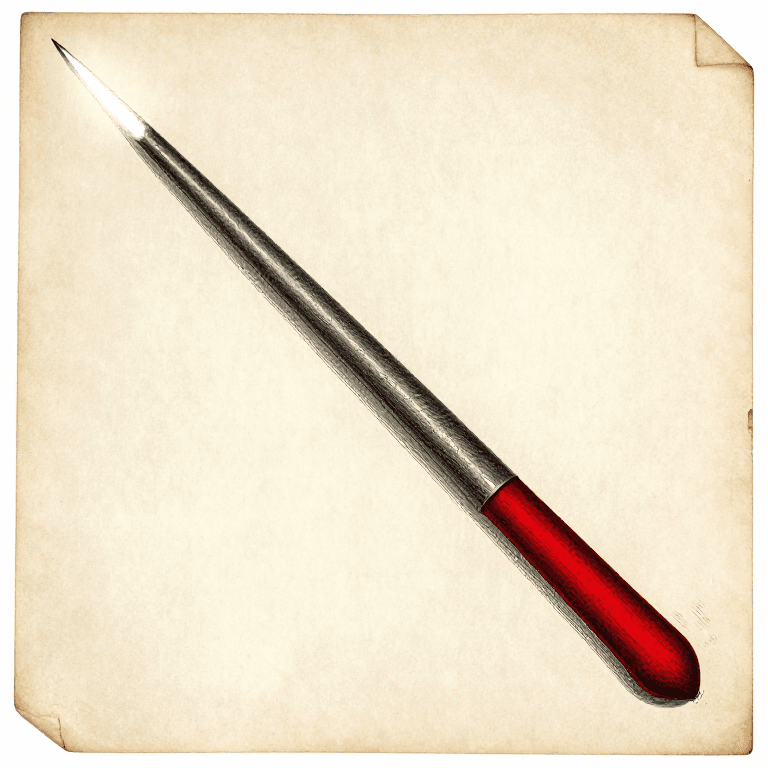
Drawing out is the commonest forging operation: making a bar longer and thinner. A taper, a blade, a spike, a leaf — all of them are drawn out.
The metal is not compressed; it is MOVED. Volume is conserved, so everything that leaves the thickness has to appear somewhere in the length and the width. Controlling which of those two it goes into is the whole skill.
The trick that makes it fast is counter-intuitive: hitting a smaller area moves metal quicker than hitting a large one, because the pressure is higher. That is why a smith reaches for the horn or a fuller rather than flattening away on the face.
중급
3 hours
안내
1
1
Volume is conserved — so plan the stock first
Volume is conserved — so plan the stock first
Jupyter 노트북 불러오는 중…
이 단계의 재료:
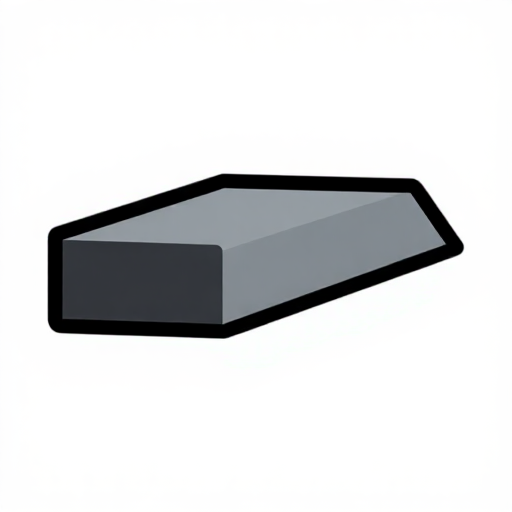 연강 봉1 개
필요한 도구:
 계산기
계산기 자
자2
2
Work over the horn or the edge, not the flat
Work over the horn or the edge, not the flat
Hammering a bar on the flat face squashes it wider as much as longer. Lay it across the horn or over the radiused edge of the anvil and the contact patch shrinks, the pressure rises, and the metal is forced to flow along the bar.
A FULLER does the same thing deliberately: a rounded tool, top or bottom, that concentrates the blow into a narrow band. Fullering a series of grooves and then flattening them out draws metal far faster than direct hammering.
This is the single biggest difference between a beginner who is exhausted after twenty minutes and a smith who is still going. It is not strength — it is choosing a smaller contact patch.
이 단계의 재료:
연강 봉1 개 덩어리 숯1 개
필요한 도구:
 모루
모루 풀러 (홈 내는 쇠)
 풀러 공구
풀러 공구 대장간 망치
3
3
Turn it 90 degrees every few blows
Turn it 90 degrees every few blows
Draw a square bar by hammering one face, turning a quarter turn, hammering again, and repeating. Keep it square as it gets smaller, then round it at the end if you want round.
Hammering only one face makes a flat strip, and once it has spread sideways it is very hard to get back. The quarter-turn habit is what keeps a taper square and even, and it is worth counting blows out loud while you learn it.
To go from square to octagonal to round: knock the four corners off the square to make an octagon, then roll it under light blows to round it. Trying to go straight from square to round leaves flats that never quite disappear.
이 단계의 재료:
연강 봉1 개필요한 도구:
대장간 망치모루 대장간 집게
 둥글리기 망치
4
4
Work the hot part, and stop when it dulls
Work the hot part, and stop when it dulls
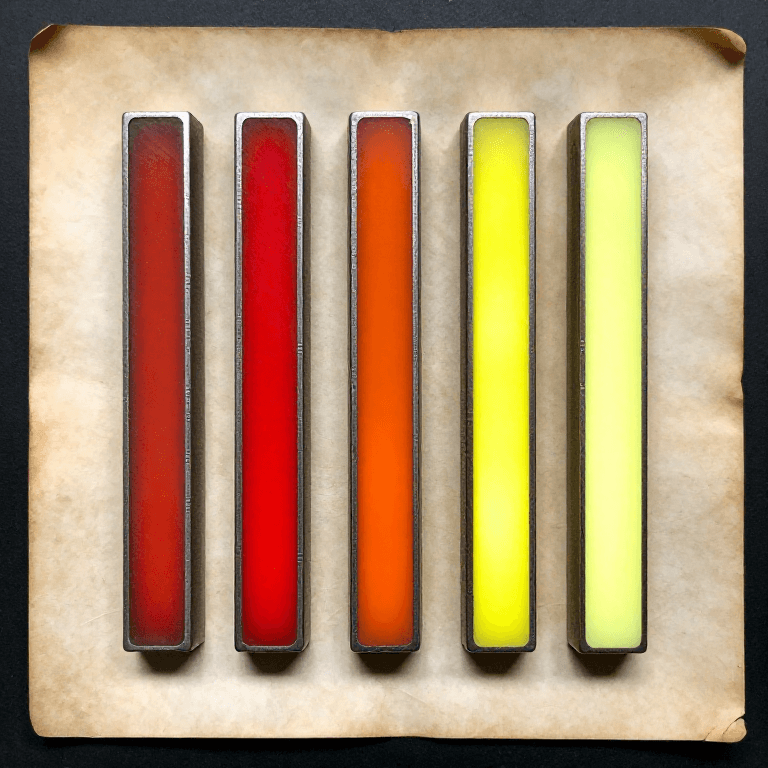
Metal only moves where it is hot. As a heat fades, the thin end cools first and stops moving while the thick part is still workable, which is exactly the surface-to-volume effect the heating rung describes.
So work the hottest region and go back to the fire before the colour drops out of the forging range. Hammering steel that has gone below red achieves almost nothing, work-hardens it, and can crack it.
Plan what you will do with each heat before it comes out of the fire. Three deliberate operations per heat is a good working rhythm; one operation and back in the fire wastes fuel and costs scale on every trip.
이 단계의 재료:
연강 봉1 개덩어리 숯2 개필요한 도구:
 대장간 화덕대장간 집게대장간 망치
 단조용 차광 고글
관련 블루프린트
이 블루프린트들은 지식을 공유합니다 — 기술, 재료 또는 원리
CC0 퍼블릭 도메인
이 블루프린트는 CC0로 공개되었습니다. 어떤 목적으로든 자유롭게 복사, 수정, 배포 및 사용할 수 있습니다.
제품 구매를 통해 메이커를 지원하세요. 판매자가 설정한 메이커 커미션 을 받거나, 이 블루프린트의 새로운 반복을 만들어 연결로 포함시킬 수 있습니다.