예술
뷰티 및 웰니스
공예
문화 및 역사
엔터테인먼트
환경
음식 및 음료
역공학
과학
스포츠
기술
웨어러블
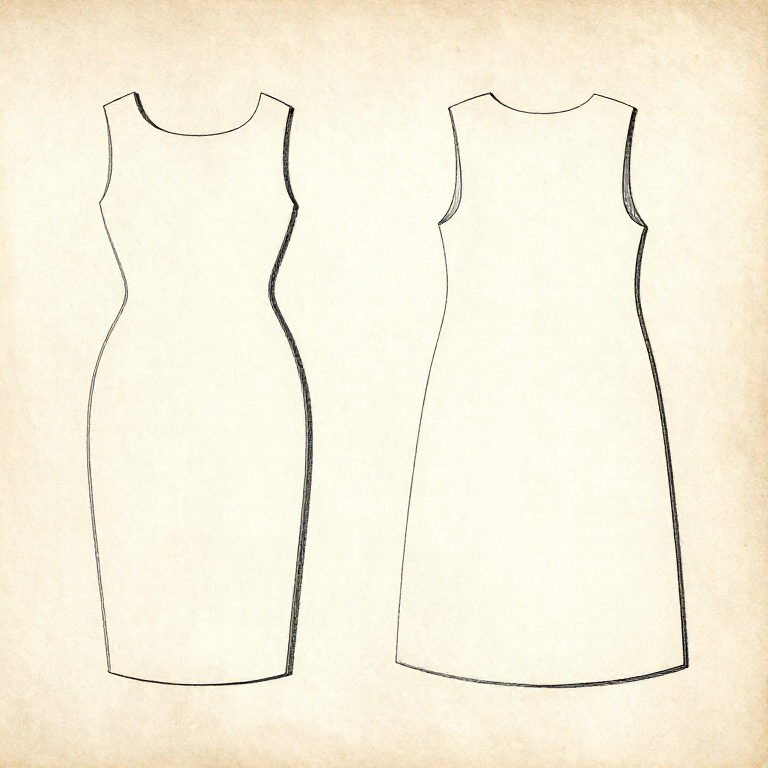


Ease: A Garment Is Bigger Than the Body, and by How Much Is a Decision
A garment cut to exactly the body's measurements cannot be worn. There would be no room to breathe, to sit down, or to raise an arm — so every garment is cut larger, and the amount is called EASE.
There are two kinds and they are constantly confused. WEARING ease is the minimum extra needed for the body to move: a few centimetres at the bust, more at the hip. DESIGN ease is everything beyond that, and it is what makes a garment fitted, relaxed or oversized.
Which means "it does not fit" usually means "it has the wrong ease", and that is a far more tractable problem. A pattern's ease can be read off, compared with the body, and changed before a single piece is cut.
중급
3 hours
안내
1
1
Measure the body properly, and write it down
Measure the body properly, and write it down
Measure over the underwear that will be worn, with the tape snug but not pulled tight, and level all the way round — a tape that rides up at the back gives a measurement that is too small.
Take each measurement twice and take the second one if they differ, because the first is usually taken with the tape not yet settled. That is the repeat-and-look-at-the-spread rung: one reading is not a measurement.
Write them down with the date. Bodies change, and a pattern altered to measurements from three years ago fits a person who no longer exists. Dated measurements also let you see which way things are moving.
필요한 도구:
 줄자
줄자2
2
Read the ease out of the pattern, and choose it
Read the ease out of the pattern, and choose it
Jupyter 노트북 불러오는 중…
이 단계의 재료:
 종이1 개
종이1 개필요한 도구:
줄자 데스크톱 컴퓨터
 자
자3
3
Make a toile before cutting the good cloth
Make a toile before cutting the good cloth
A TOILE (or muslin) is a trial garment in cheap cloth, made to check the fit before the real fabric is touched. It costs an afternoon and a few metres of calico and it is the single highest-value habit in garment making.
Sew it with long stitches and no finishing — it exists to be tried on, marked and taken apart. Mark corrections on it directly with a pen while it is being worn.
Then unpick it and use the pieces as the corrected pattern, or transfer the marks back to the paper. Either way the toile becomes the record, and the good cloth is cut once from a pattern that is already known to fit.
이 단계의 재료:
 무명 모슬린2 metre
 무명실1 개
필요한 도구:
 재봉틀
재봉틀 시침핀
시침핀 재단용 초크
 실뜯개
실뜯개4
4
Change one thing at a time when altering
Change one thing at a time when altering
Alter one aspect, try it on, then alter the next. Take in the side seams AND shorten the bodice AND move the shoulder in one round and you cannot tell which change helped or which caused the new problem.
That is the change-one-thing-at-a-time rung applied to a body, and it matters more here than almost anywhere because the pieces interact — shortening a bodice moves the waist, which changes where the hip measurement falls.
Work from the top down and from the largest problem to the smallest. Shoulders and neckline first, because everything hangs from them; hems last, because the hem's position depends on every alteration above it.
이 단계의 재료:
무명 모슬린1 metre필요한 도구:
시침핀재단용 초크줄자관련 블루프린트
이 블루프린트들은 지식을 공유합니다 — 기술, 재료 또는 원리

CC0 퍼블릭 도메인
이 블루프린트는 CC0로 공개되었습니다. 어떤 목적으로든 자유롭게 복사, 수정, 배포 및 사용할 수 있습니다.
제품 구매를 통해 메이커를 지원하세요. 판매자가 설정한 메이커 커미션 을 받거나, 이 블루프린트의 새로운 반복을 만들어 연결로 포함시킬 수 있습니다.