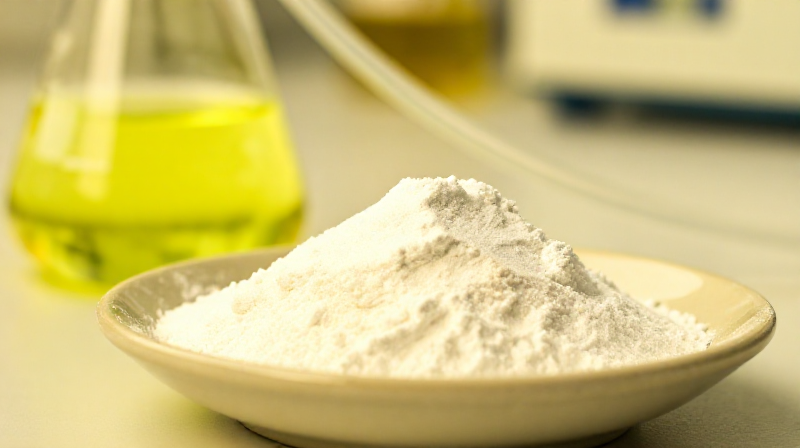


Making Bleaching Powder — The Chlorine Chemistry That Made White Fabric Affordable
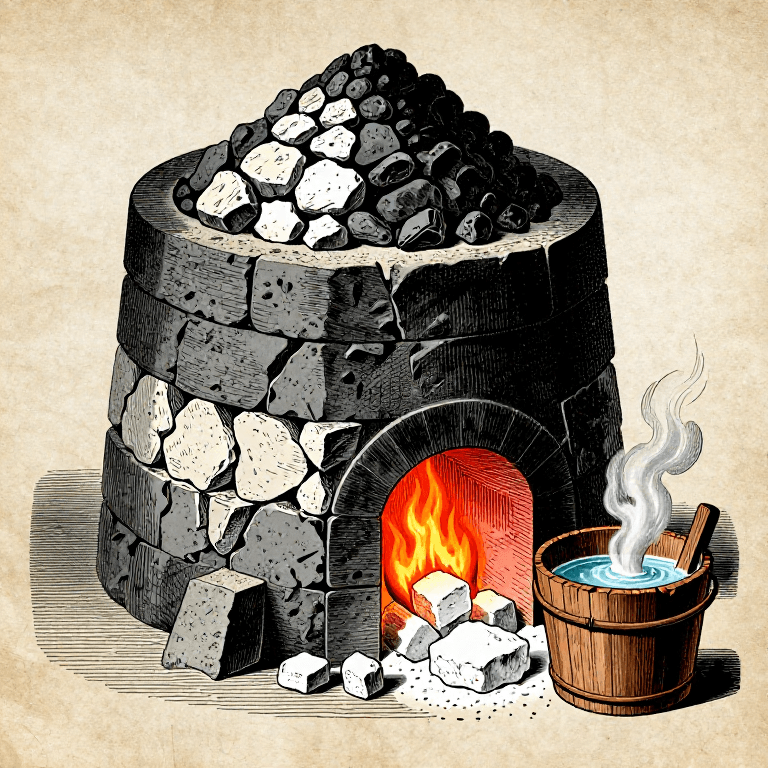
Bleaching powder (calcium hypochlorite, approximately CaCl(OCl) or Ca(OCl)₂·CaCl₂) was the chemical that democratised white fabric. Before its invention, bleaching linen or cotton required months of 'crofting' — spreading cloth on open fields, wetting it repeatedly, and waiting for sunlight and dew to slowly oxidise the natural brown and yellow pigments. A single bolt of linen could spend an entire summer on the bleaching green. In the 1780s, Claude Louis Berthollet demonstrated that chlorine water could bleach fabric in hours instead of months — but liquid chlorine was dangerous, unstable, and impossible to transport.
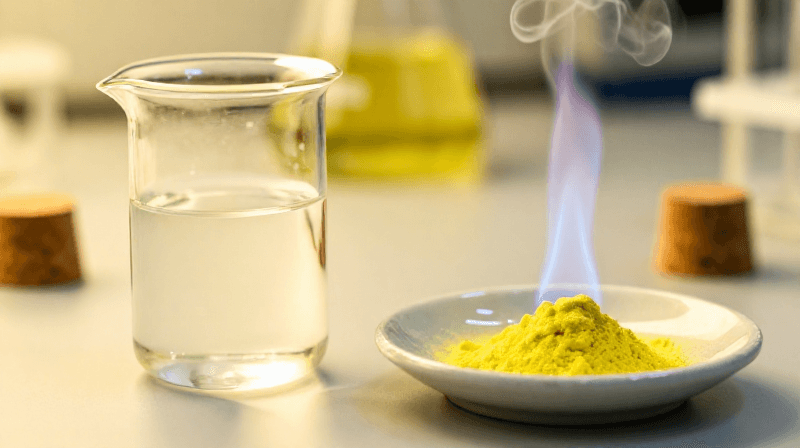
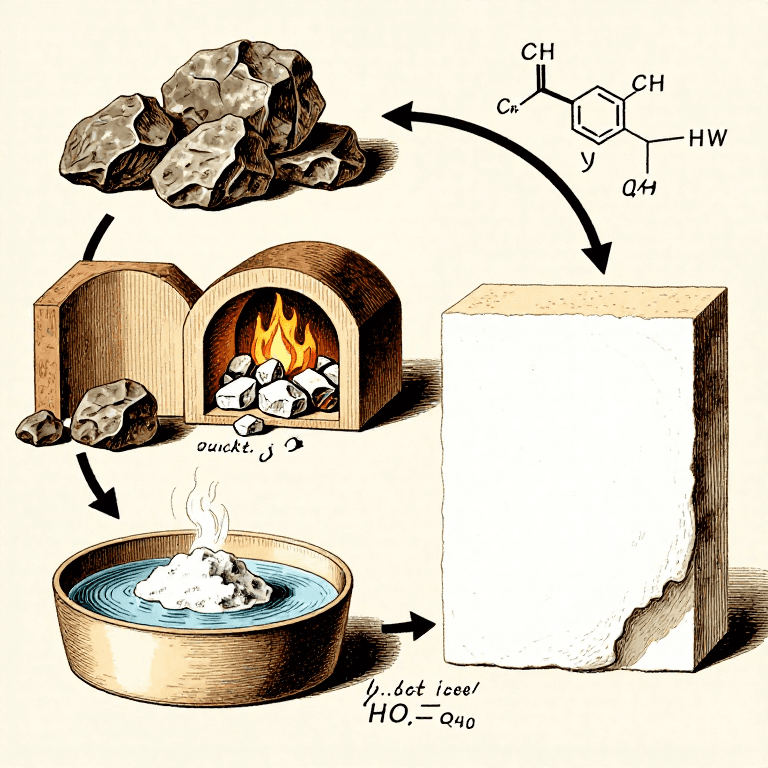
In 1799, Charles Tennant of Glasgow patented the solution: passing chlorine gas over dry slaked lime (calcium hydroxide) to produce a stable, dry powder that could be shipped in barrels and dissolved in water when needed. Bleaching powder made the industrial-scale production of white textiles practical for the first time. The chemistry is straightforward: chlorine reacts with calcium hydroxide to form calcium hypochlorite and calcium chloride — Ca(OH)₂ + Cl₂ → CaCl(OCl) + H₂O. The active bleaching agent is the hypochlorite ion (OCl⁻), a powerful oxidiser that destroys the conjugated chromophores in natural dyes and stains.
The chlorine itself is generated by the reaction discovered by Carl Wilhelm Scheele in 1774: manganese dioxide reacts with concentrated hydrochloric acid to produce chlorine gas — MnO₂ + 4HCl → MnCl₂ + Cl₂ + 2H₂O. In the industrial Leblanc Process, the hydrochloric acid was a waste product of soda ash manufacture — making bleaching powder from industrial waste was one of the great circular economy innovations of the 18th century.
SAFETY WARNING: CHLORINE GAS IS ACUTELY TOXIC — it was used as a chemical weapon in World War I. Even low concentrations cause severe respiratory damage. This experiment MUST be performed outdoors or in a powerful fume hood. Full respiratory protection with chlorine-rated cartridges is essential. Concentrated hydrochloric acid causes severe burns and releases choking fumes. Never mix bleaching powder with acids — this releases chlorine gas rapidly.
이 블루프린트로 만드는 것

관련 블루프린트
이 블루프린트들은 지식을 공유합니다 — 기술, 재료 또는 원리

CC0 퍼블릭 도메인
이 블루프린트는 CC0로 공개되었습니다. 어떤 목적으로든 자유롭게 복사, 수정, 배포 및 사용할 수 있습니다.
제품 구매를 통해 메이커를 지원하세요. 판매자가 설정한 메이커 커미션 을 받거나, 이 블루프린트의 새로운 반복을 만들어 연결로 포함시킬 수 있습니다.