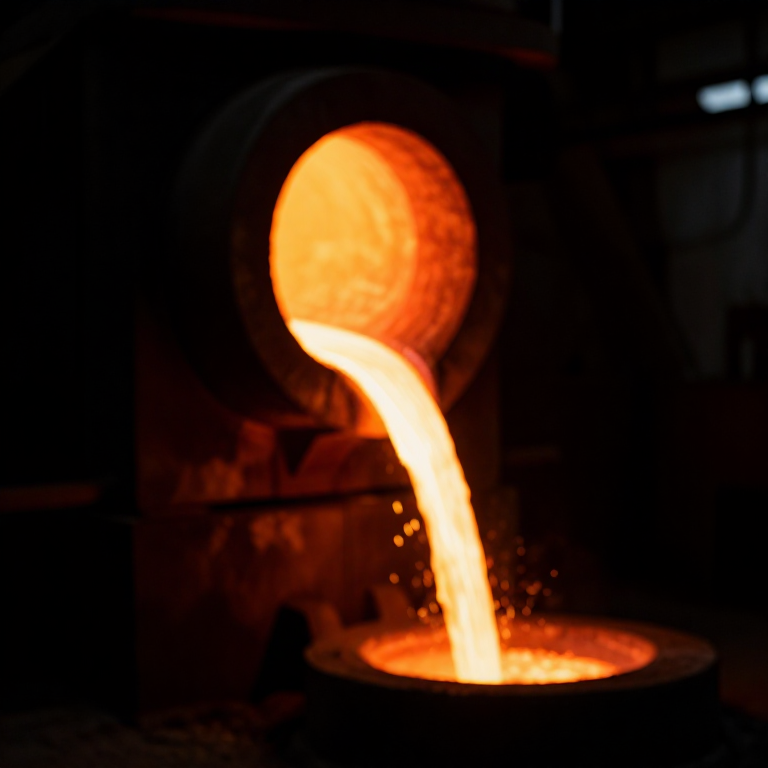


Smelting Pig Iron in a Coke Blast Furnace — Molten Iron at Industrial Scale
The bloomery gave the ancient world iron, but only in small spongy lumps, one slow batch at a time. The blast furnace changed everything: a tall shaft kept continuously charged and blown produces a steady river of molten iron. Where a bloomery never melts its metal, a blast furnace runs hot enough to liquefy iron entirely, letting it pool at the hearth and be tapped out by the tonne.
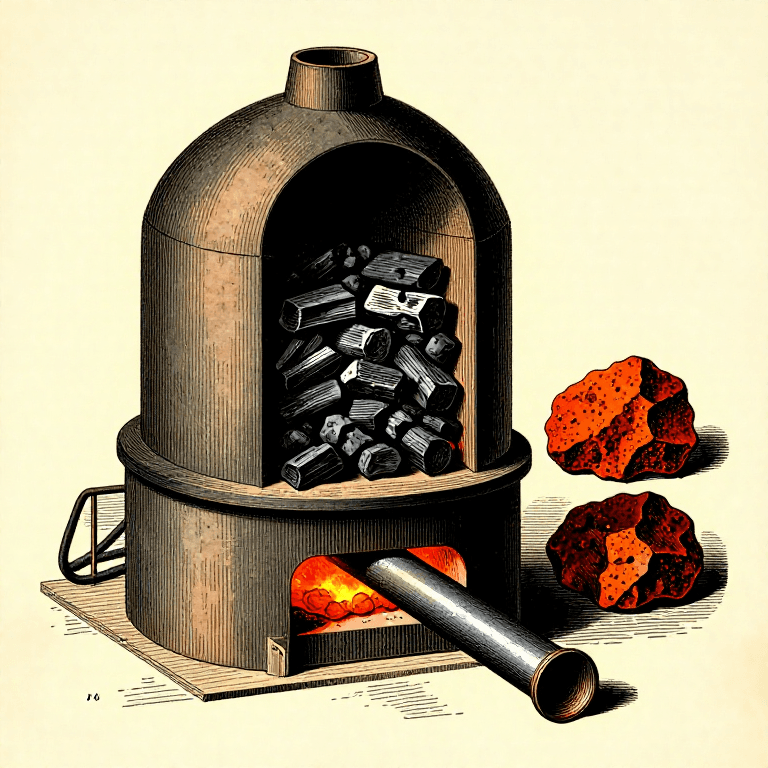
The key is heat and chemistry working together. A powerful air blast burns coke to carbon monoxide, which strips the oxygen from iron ore; meanwhile the descending iron soaks up carbon until it melts. Limestone added as flux carries off the stony impurities as a floating slag. What runs out of the tap hole is pig iron — iron saturated with about four percent carbon: hard, brittle, and perfect for casting or for refining into wrought iron and steel.
When coke replaced charcoal as the blast-furnace fuel in the early 1700s, iron could finally be made in unlimited quantity without consuming whole forests. Cheap pig iron became the raw material of the Industrial Revolution — the metal behind rails, bridges, engines, and machines.
안내
Understand pig iron
Understand pig iron
Build the shaft furnace
Build the shaft furnace
이 단계의 재료:
 내화 벽돌80 개
필요한 도구:
 모종삽
모종삽Crush the ore and flux
Crush the ore and flux
이 단계의 재료:
 말린 늪철광30 kg
 석회암 판8 kg
필요한 도구:
 망치
망치Set up the air blast
Set up the air blast
필요한 도구:
 풀무
풀무Light the coke bed
Light the coke bed
이 단계의 재료:
 야금용 코크스40 kg
Charge in layers
Charge in layers
이 단계의 재료:
야금용 코크스40 kgReduce the ore
Reduce the ore
Melt and carburize
Melt and carburize
Form and tap the slag
Form and tap the slag
필요한 도구:
 출탕봉
출탕봉Tap the molten iron
Tap the molten iron
필요한 도구:
출탕봉Cast the pigs
Cast the pigs
이 단계의 재료:
 주물사50 kg
Cool, break, and identify
Cool, break, and identify
필요한 도구:
망치연결된 블루프린트 재료
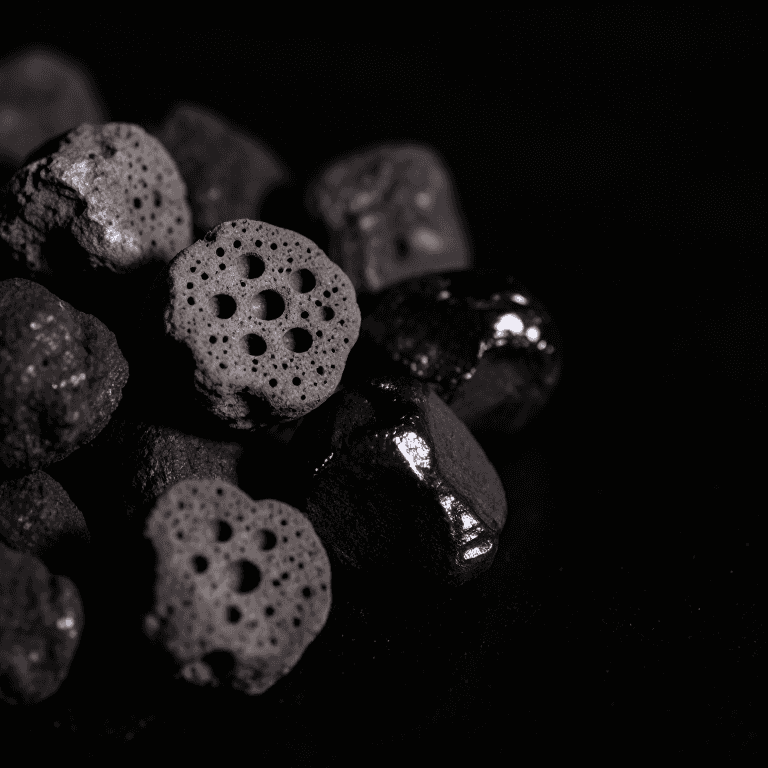

관련 블루프린트
이 블루프린트들은 지식을 공유합니다 — 기술, 재료 또는 원리
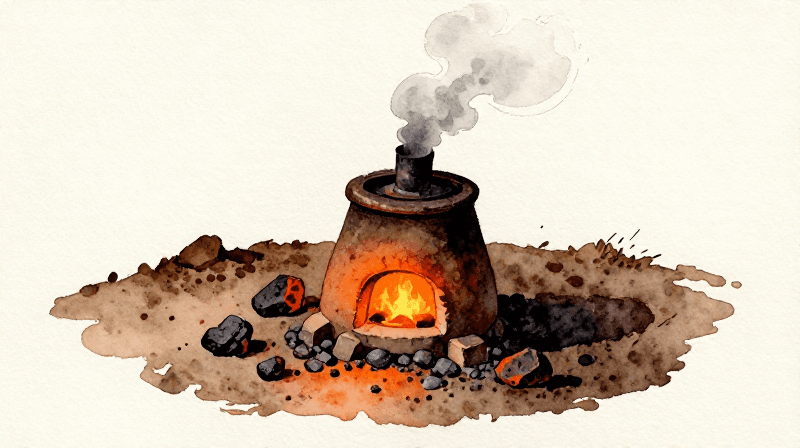


CC0 퍼블릭 도메인
이 블루프린트는 CC0로 공개되었습니다. 어떤 목적으로든 자유롭게 복사, 수정, 배포 및 사용할 수 있습니다.
제품 구매를 통해 메이커를 지원하세요. 판매자가 설정한 메이커 커미션 을 받거나, 이 블루프린트의 새로운 반복을 만들어 연결로 포함시킬 수 있습니다.