예술
뷰티 및 웰니스
공예
문화 및 역사
엔터테인먼트
환경
음식 및 음료
역공학
과학
스포츠
기술
웨어러블
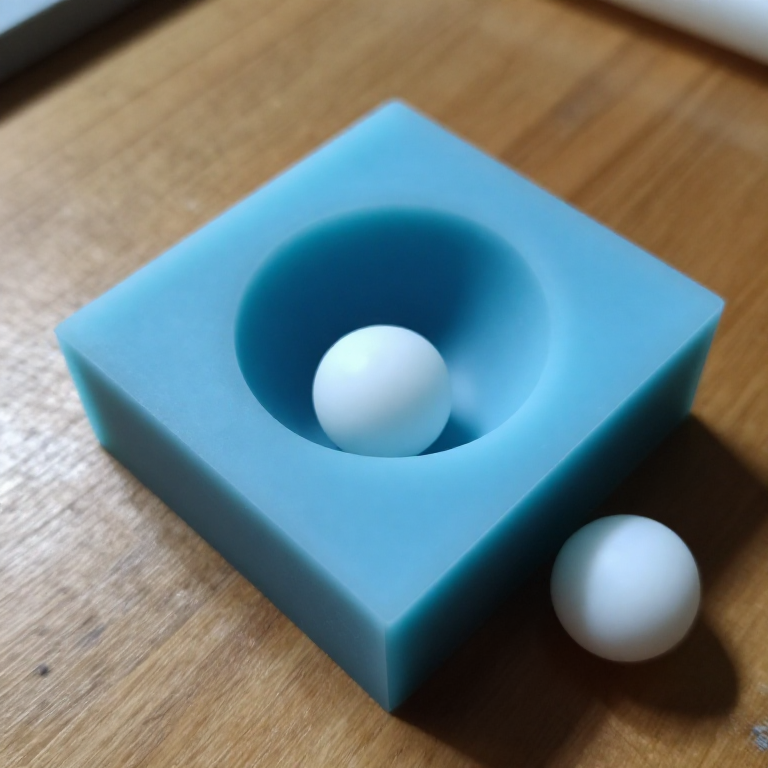
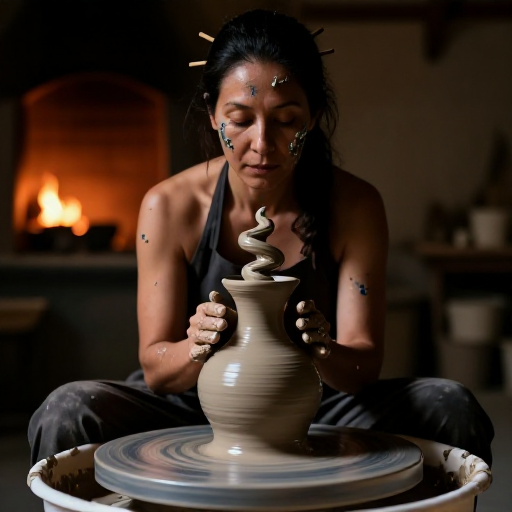

Silicone (Rochow Direct Process)
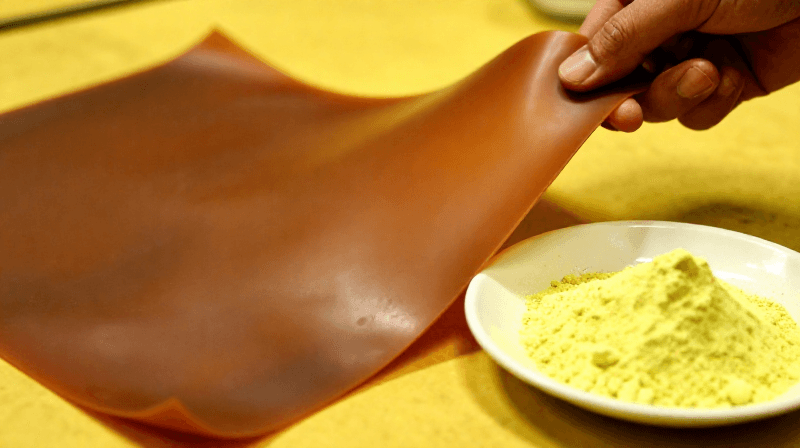
Silicones - chains of silicon and oxygen carrying methyl groups - were known from Frederic Kipping's laboratory work, but could only be made a few grams at a time. In 1940 Eugene Rochow at General Electric found a one-step route: pass methyl chloride over hot silicon with copper, and methylchlorosilanes come straight off. Richard Müller found the same reaction independently in Germany, which is why it is also called the Müller-Rochow process. It is how silicones are still made.
**US 2,380,995**, "Preparation of organosilicon halides", Rochow, assigned to General Electric, granted 7. August 1945, claims "effecting reaction between silicon and a hydrocarbon halide" with a copper catalyst at 200–500 °C.
**Methyl chloride and chlorosilanes are toxic and stay in the plant.** You use the product: a two-part silicone mould of glass marbles, then cast hot wax in it, again and again.
초급
4 hours plus two cures
안내
1
1
Build the box
Build the box
Cut foam board and hot-glue an open box 60 x 40 mm inside, 50 mm tall. Seal every inside seam with a bead of glue - silicone finds any gap.
이 단계의 재료:
 모형 제작용 폼보드1 장
필요한 도구:
 공예용 칼
공예용 칼 글루건
글루건 자
자2
2
Clay bed and keys
Clay bed and keys
Press sulphur-free modelling clay 20 mm deep into the box. Push two 16 mm marbles exactly halfway in, 20 mm apart. Press four dimples in the clay with a pencil end: these are the registration keys.
이 단계의 재료:
 조형용 찰흙150 g
 유리구슬2 개
필요한 도구:
 디지털 캘리퍼스 6인치
3
3
Weigh and mix
Weigh and mix
Weigh part A and part B at the kit's stated ratio into a mixing cup (the notebook gives the mass). Stir 3 minutes, scraping sides and bottom.
이 단계의 재료:
 실리콘 몰드 제작 키트1 키트
필요한 도구:
 정밀 디지털 저울
 눈금 있는 혼합 컵
 젓개
젓개4
4
First pour
First pour
Pour in a thin stream from 30 cm into one corner, never onto the marbles, until 6 mm above them. Cure for the kit's time.
필요한 도구:
눈금 있는 혼합 컵5
5
Flip and release
Flip and release
Flip the box, peel away all clay and leave the marbles in the silicone. Brush a thin coat of petroleum jelly over the silicone face - silicone bonds to silicone.
이 단계의 재료:
 바셀린5 g
6
6
Second pour
Second pour
Mix a second batch the same way and pour 6 mm above the marbles. Cure again.
이 단계의 재료:
실리콘 몰드 제작 키트1 키트필요한 도구:
정밀 디지털 저울눈금 있는 혼합 컵7
7
Open and cut sprues
Open and cut sprues
Tear off the foam board, part the halves and pop out the marbles. With the craft knife cut a 5 mm cone from the top face into each cavity.
필요한 도구:
공예용 칼8
8
Cast wax
Cast wax
Melt paraffin wax in the double boiler to 75 °C. Band the halves shut, pour through each sprue, cool 30 minutes, open. Count how many casts it survives.
이 단계의 재료:
 파라핀 왁스100 g
 고무줄1 팩
필요한 도구:
 이중 냄비(중탕 냄비)
 사탕용 온도계
 용접 장갑
용접 장갑 투명 보안경
9
9
Troubleshoot the mould
Troubleshoot the mould
Work down in order; each question points to one step to redo.
Flow
Loading...
10
10
Reaction, pour size, siblings
Reaction, pour size, siblings
Jupyter 노트북 불러오는 중…
11
11
History & Context
History & Context
**What the patent specifies:** silicon reacted with a hydrocarbon halide over copper at 200–500 °C to give organosilicon halides. **Modern build (derived):** a two-part room-temperature-curing mould silicone.
Silicone first served in the Second World War as grease and insulation for aircraft ignition systems; today it is sealant, bakeware, medical tubing and every maker's mould rubber. Its limits: it tears easily once nicked, is expensive, and a platinum-cure grade will not set against sulphur, some clays and latex gloves.
재료
7- 1 장플레이스홀더
- 150 g플레이스홀더
- 2 개플레이스홀더
- 2 키트플레이스홀더
- 5 g플레이스홀더
- 100 g플레이스홀더
- 1 팩플레이스홀더
이 블루프린트로 만드는 것
관련 블루프린트
이 블루프린트들은 지식을 공유합니다 — 기술, 재료 또는 원리



CC0 퍼블릭 도메인
이 블루프린트는 CC0로 공개되었습니다. 어떤 목적으로든 자유롭게 복사, 수정, 배포 및 사용할 수 있습니다.
제품 구매를 통해 메이커를 지원하세요. 판매자가 설정한 메이커 커미션 을 받거나, 이 블루프린트의 새로운 반복을 만들어 연결로 포함시킬 수 있습니다.