

예술
뷰티 및 웰니스
공예
문화 및 역사
엔터테인먼트
환경
음식 및 음료
그린 퓨처
역공학
과학
스포츠
기술
웨어러블
Building a Voltaic Pile — The First Battery and the Birth of Steady Electricity
Gloin

작성자

Gloin

25. 6월 2026US
2
0
0
0
0

Building a Voltaic Pile — The First Battery and the Birth of Steady Electricity

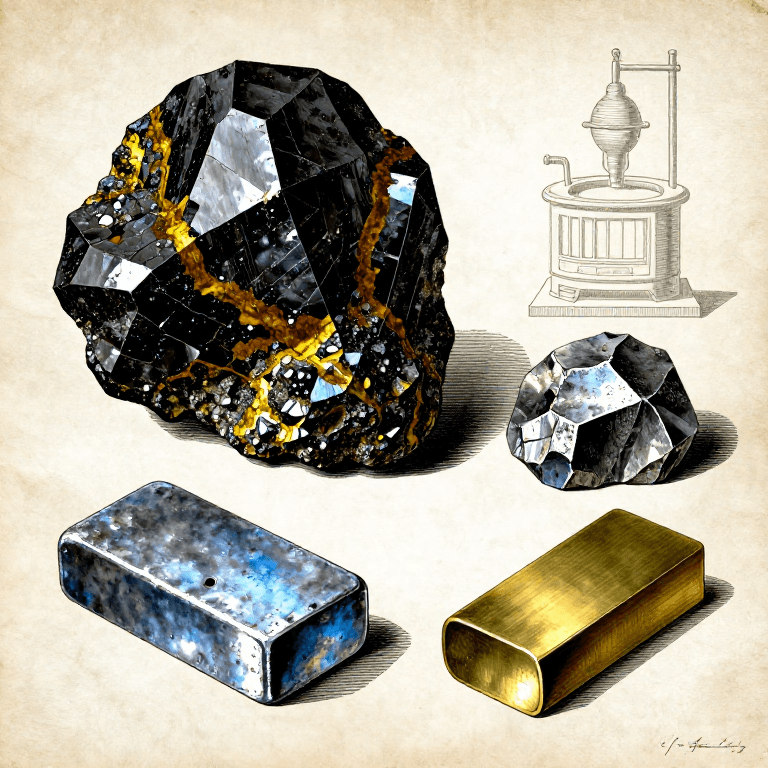
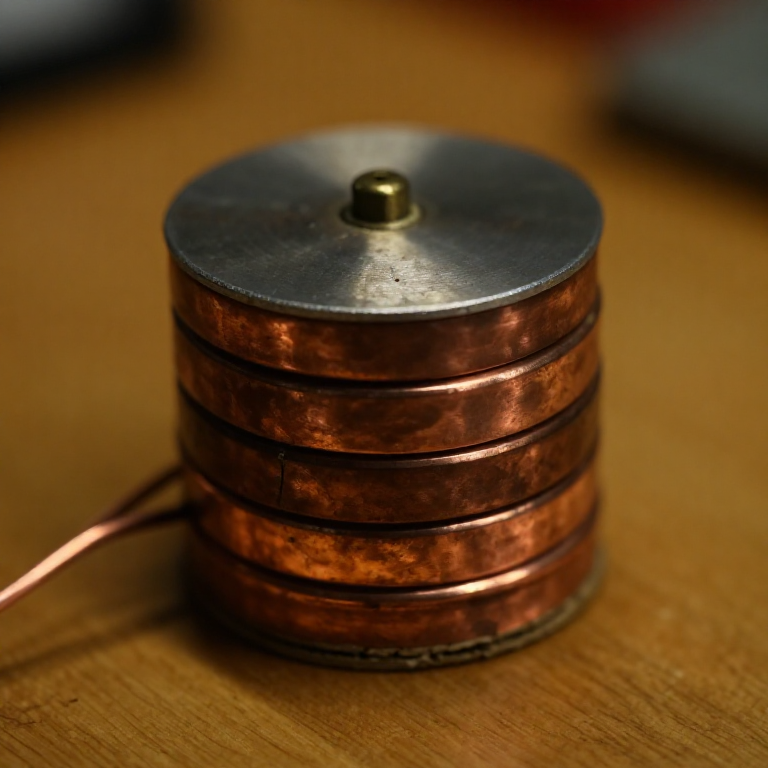
Until 1800, electricity was a party trick: a spark you could store briefly in a jar and discharge in an instant. Then Alessandro Volta stacked discs of two metals and wet cardboard into a pile and produced something entirely new — a steady, continuous electric current that flowed for as long as you wanted. It was the first battery, and it opened the electrical age.

The principle is beautifully simple. Put two different metals, like zinc and copper, in a salty or acidic liquid and a voltage appears between them. One such pair is feeble, but stack many in a column — zinc, wet disc, copper, zinc, wet disc, copper — and their voltages add up into a useful current. The zinc slowly dissolves, pushing electrons out through a wire to the copper, while the brine carries the charge inside the pile.

With a voltaic pile, scientists could finally do chemistry and physics with electricity on tap. Within a few years it had been used to split water into hydrogen and oxygen, isolate new elements, and reveal the link between electricity and magnetism — the discoveries that led on to the telegraph, electroplating, the dynamo, and everything electrical that followed.

초급
1-2 hours

안내

1

Understand the principle

Two different metals in a conducting liquid produce a small voltage. A single pair is weak, but stacking many identical cells in a column adds their voltages together into a useful, steady current. That stack is the pile.
2

Cut the metal discs

Cut equal numbers of zinc discs and copper discs to the same size — a coin diameter works well. You need one of each metal per cell, so for a thirty-cell pile cut thirty zinc and thirty copper discs. Clean each disc bright; tarnish adds resistance.

이 단계의 재료:

Zinc SheetZinc Sheet1
Copper SheetCopper Sheet1

필요한 도구:

Tin SnipsTin Snips
3

Cut and soak the separators

Cut the same number of discs from thick cardboard or felt and soak them in strong brine — a heaped spoon of salt in warm water. These wet discs are the electrolyte that lets charge move between the metals. Vinegar or dilute acid works even better than brine.

이 단계의 재료:

CardboardCardboard1
Table SaltTable Salt30 g
WaterWater1 리터
4

Build the first cell

Lay down a copper disc, then a brine-soaked separator, then a zinc disc. That sandwich — copper, wet disc, zinc — is a single cell producing about one volt. The zinc is the negative side and the copper the positive.
5

Stack the pile

Continue stacking in exactly the same order: on top of the zinc place a copper disc, a wet separator, another zinc, and so on. Build twenty to thirty cells. Keep every cell facing the same way and never let a zinc touch a copper directly through a dry gap.
6

Keep the order consistent

The single most common mistake is flipping a cell. If any cell faces backwards its voltage subtracts instead of adds. Check the whole column reads copper-wet-zinc, copper-wet-zinc from bottom to top before connecting it.
7

Attach the leads

Press a copper wire against the bottom disc and another against the top disc. These are your two terminals. A few drops of brine where the wire meets the end disc improve the contact.

이 단계의 재료:

Copper WireCopper Wire1 미터
8

Test for current

Prove it works: hold both bare lead ends to your tongue for a distinct metallic tingle, lay them across a compass needle to see it swing, or dip them in salt water to watch tiny gas bubbles form. Any of these shows a continuous current is flowing.

필요한 도구:

CompassCompass
9

Follow the chemistry

The zinc reacts with the electrolyte and dissolves, releasing electrons that flow out through the wire to the copper, where they are taken up. Inside the pile the brine carries ions to complete the circuit. The pile runs on the slow consumption of its zinc.
10

Keep it running

The pile fades as the zinc corrodes, the separators dry out, and hydrogen bubbles coat the copper. Re-wet the discs with fresh brine to revive it, and scrape the zinc clean now and then. Eventually the zinc is eaten away and the discs must be replaced.
11

Tune voltage and current

Adjust the output to your needs: more cells in the stack give a higher voltage, while larger-diameter discs give more current at the same voltage. A tall pile of small discs lights a spark; a short pile of big plates can decompose water briskly.
12

Appreciate what it unlocked

You now hold the first source of steady electricity. The same simple stack let nineteenth-century scientists split water, isolate sodium and potassium, and discover electromagnetism — the chain of discoveries that produced the telegraph, electroplating, motors, and the electrified world.

재료

6

필요 도구

2

연결된 블루프린트 재료

관련 블루프린트

이 블루프린트들은 지식을 공유합니다 — 기술, 재료 또는 원리
CC0 퍼블릭 도메인

이 블루프린트는 CC0로 공개되었습니다. 어떤 목적으로든 자유롭게 복사, 수정, 배포 및 사용할 수 있습니다.

제품 구매를 통해 메이커를 지원하세요. 판매자가 설정한 메이커 커미션 을 받거나, 이 블루프린트의 새로운 반복을 만들어 연결로 포함시킬 수 있습니다.

토론

(0)

로그인 하여 토론에 참여하세요

댓글 로딩 중...