예술
뷰티 및 웰니스
공예
문화 및 역사
엔터테인먼트
환경
음식 및 음료
역공학
과학
스포츠
기술
웨어러블
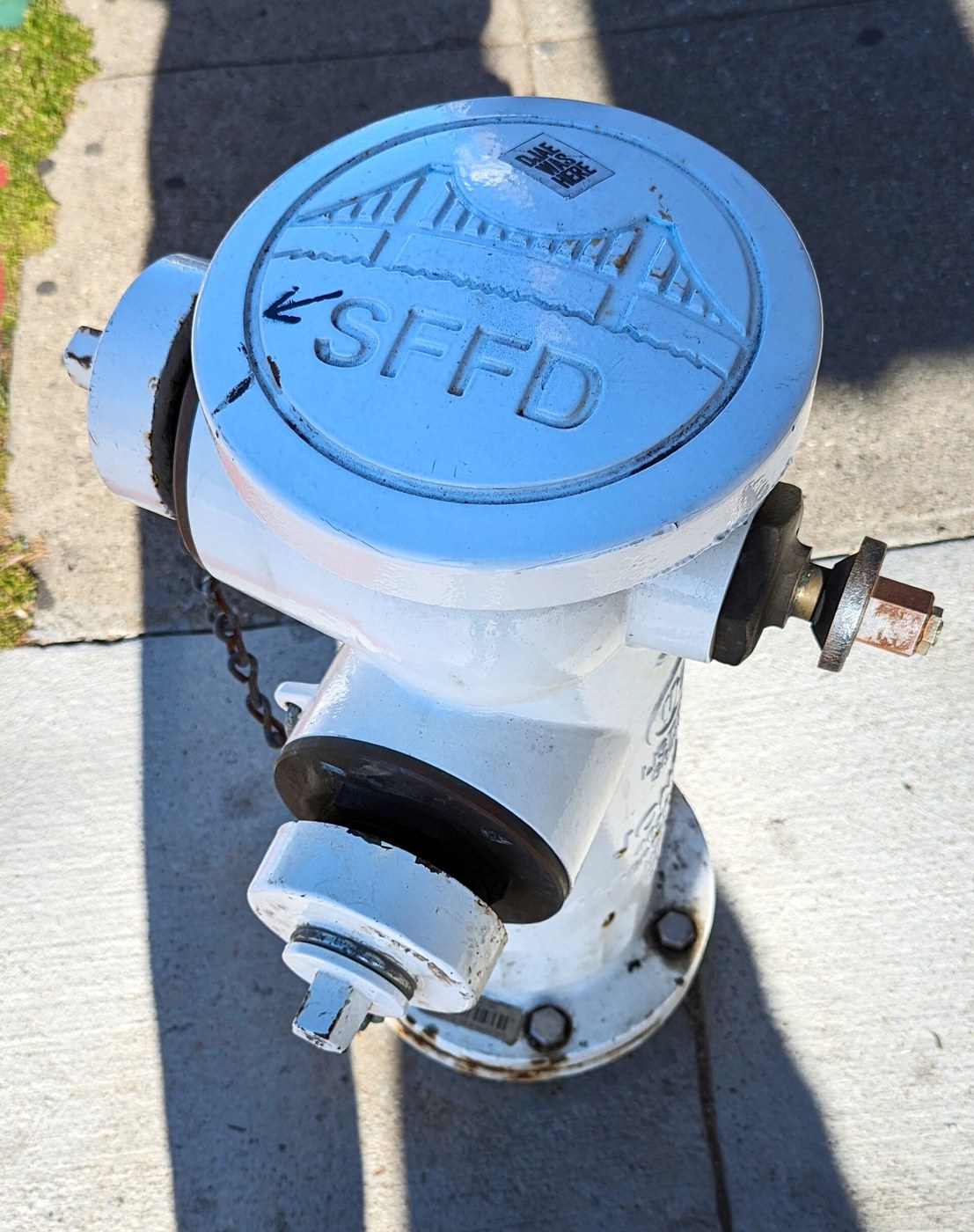


The Wet-Barrel Fire Hydrant
This is a sibling of `holly-fire-hydrant`, and it is the purest conditions-of-use pair in this batch: the two designs are not better and worse, they are correct in different climates, and each is catastrophically wrong in the other's.
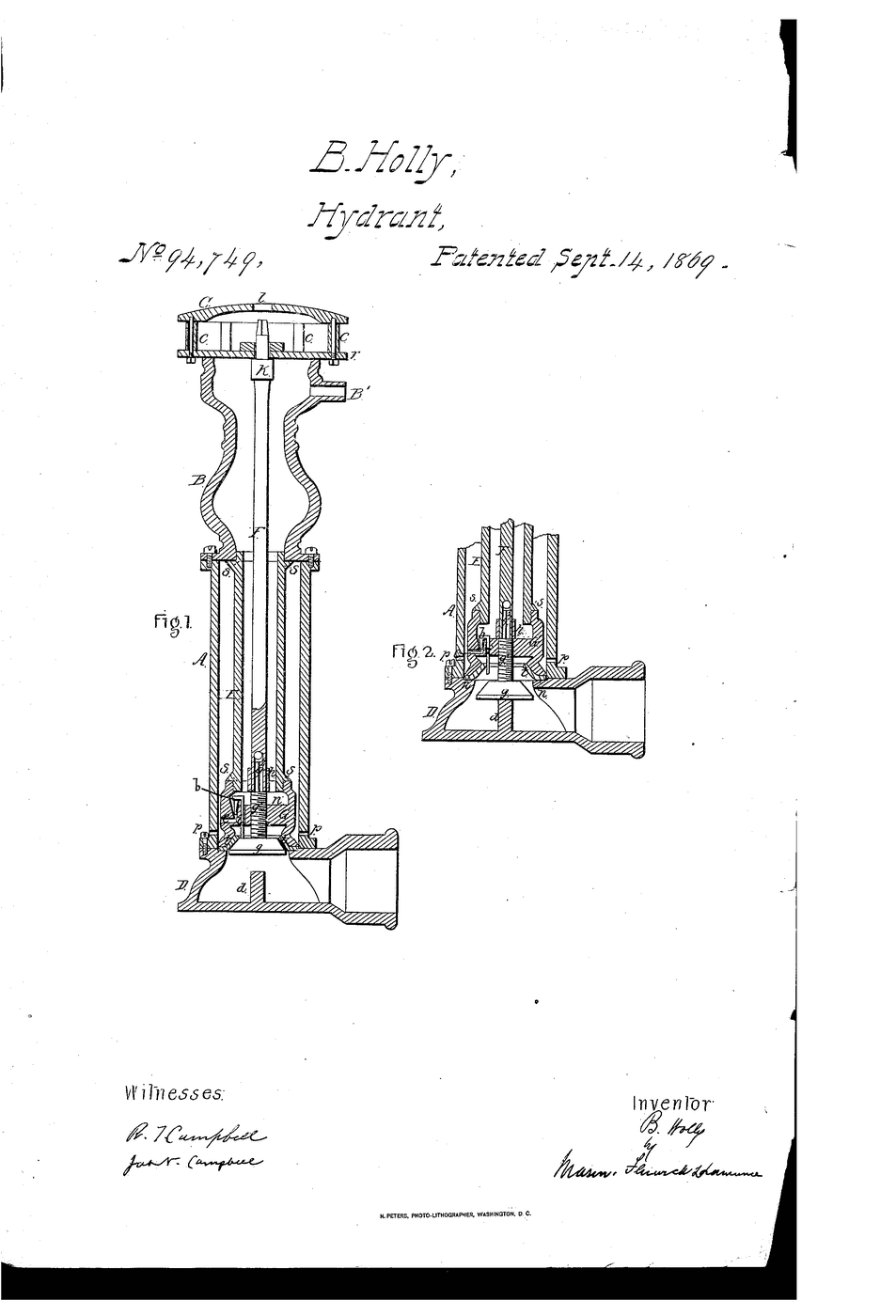
The Holly hydrant, and every dry-barrel hydrant since, solves a problem that only exists where water freezes. Its main valve is at the BOTTOM, below the frost line, and the barrel standing in the street is empty between uses — a small drain port lets it empty itself the moment the valve shuts. Water expands about 9 percent on freezing and cast iron does not stretch, so a barrel left full in a hard frost splits, and the fault is discovered on the day of the fire. The dry barrel makes that impossible.
That safety costs a great deal. The operating stem is long, running the full depth from the nut on top to the valve at the bottom, and it is buried and inaccessible. Opening the hydrant means turning that stem many times. The valve seat is at the bottom of a pit and cannot be inspected without excavation. And critically, ONE valve controls all the outlets, so you cannot connect a second hose while the first is charged without shutting everything down.
A wet-barrel hydrant does none of this. The barrel is permanently full at main pressure, and each outlet has its OWN valve immediately behind its own cap. To use it, take a cap off and open that outlet's valve — perhaps a quarter turn. There is no long stem, nothing below ground but the pipe, every valve is at eye level where it can be inspected and repacked, and each outlet is independent, so a second engine can connect and charge while the first is already flowing.
In San Francisco or Los Angeles that is straightforwardly the better hydrant. In Chicago it would burst every winter.
The honest comparison is not which design is superior but what each is buying and what it costs. The dry barrel buys freeze immunity with complexity, depth, slower operation and a valve nobody can see. The wet barrel buys speed, simplicity and independent outlets by assuming the water will never freeze — and by accepting that any damage to the standing barrel, from a vehicle strike, releases the full main immediately rather than nothing at all.
중급
7 hours
안내
1
1
Build a wet barrel with independent outlet valves
Build a wet barrel with independent outlet valves
The whole point is that there is no valve at the bottom, so build it and notice how much is missing compared with the dry-barrel version.
THE BARREL. A 100 millimetre pipe standing 600 millimetres tall on a flanged base, with a 50 millimetre supply entering the base from the side. That is the entire below-ground content: a pipe and a bend. Compare that with the dry-barrel hydrant, where the main valve, its seat, its stem and its drain port all live down there.
THE OUTLETS. Two or three, at 400 millimetres up, threaded into the barrel wall and pointing outward. Each carries its own valve.
THE OUTLET VALVE is the component to make properly, and a compression gate is the traditional and correct choice here. A short brass or bronze stem, threaded, carrying a disc with a resilient face — leather in the period design, EPDM today — closing onto a flat seat machined in the outlet boss. A gland nut with graphite or PTFE packing seals around the stem where it emerges. Above that, a square operating nut for the hydrant key.
Cut the seat square and flat. The disc must land parallel to it, and at 6 bar main pressure a seat that is even slightly out of true will pass water past the packing and weep continuously from a hydrant nobody is using.
USE THE SAME PACKING GLAND ARRANGEMENT the Holly blueprint uses on its key rod, because the requirement is identical: a rotating stem passing through a pressure boundary. The difference is that here it is above ground and can be tightened with a spanner in thirty seconds, where the dry barrel's is buried.
NO DRAIN PORT. Do not fit one. This is the design decision that defines the type, and fitting a drain to a wet barrel would simply mean it discharged continuously at main pressure. The barrel stays full, permanently, by intention.
THE BREAKAWAY, which is the wet barrel's own safety feature and answers the obvious objection. A hydrant standing in a street will eventually be hit by a vehicle, and a permanently charged barrel struck hard would release the full main into the road. So the barrel is designed to fail at a chosen place: a flanged joint just above ground level with deliberately weak bolts, or a cast groove, so an impact snaps the barrel off cleanly at a plane above a valve that stays intact. Model it with a flange joined by four M4 nylon screws chosen to shear before anything else yields.
TEST IT WET. Pressurise, and check every joint at rest. Then open one outlet and note the two things that differ most from the dry barrel: it flows almost immediately, because the water is already there and only a short valve has to open; and while it is flowing you can open the SECOND outlet and charge a second line without touching the first.
이 단계의 재료:
 황동 봉1 metre
 투명 PVC 파이프3 metre
 PVC 배관 부속 모음1 세트
 PTFE 나사 밀봉 테이프2 metre
 실리콘 고무 시트1 개
 육각 홈붙이 원통 머리 볼트12 개
 육각 너트12 개
 나일론 나사(M4)8 개
필요한 도구:
 금속 선반
금속 선반 육각 렌치 세트
 멍키스패너
멍키스패너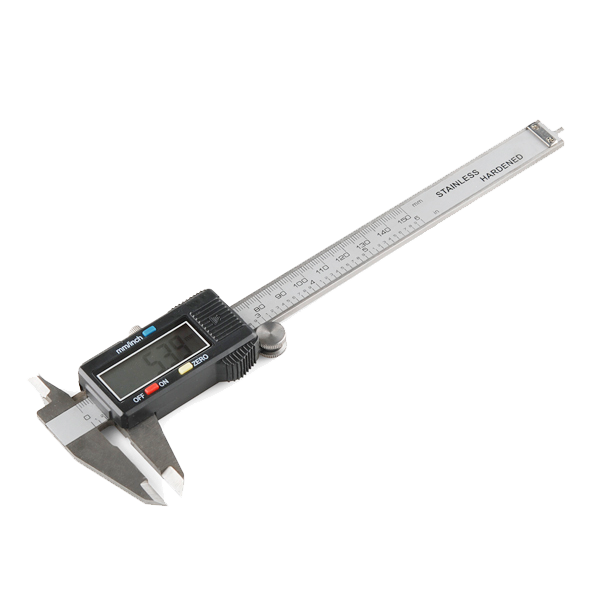 Digital Calipers - 152.4 mm
 유압 압력 시험 키트
 스톱워치
스톱워치2
2
Race them, then freeze them
Race them, then freeze them
Two tests decide between these hydrants, and each one is won decisively by a different design. Run both, in that order, because the second is the one that kills.
TEST ONE: TIME TO WATER. Set both hydrants up on the same supply and time from first touching the operating nut to full flow at the outlet.
The wet barrel: remove one cap, put the key on, and open. A compression outlet valve is typically three to six turns. Water is already at the valve, so flow begins almost at once.
The dry barrel: remove the cap, put the key on the top nut, and turn. A full-size hydrant takes ten to fifteen turns of a long stem to lift the main valve at the bottom, and then the barrel — which is empty — has to FILL before anything comes out of the outlet.
Measure both several times and average. Then compute the volume the dry barrel must fill: a 150 millimetre barrel 1.2 metres deep holds about 21 litres, and every litre of that is delay.
Seconds matter in this application in a way they do not in most engineering, and this is a real and quantified advantage of the wet barrel. It is not the whole story.
TEST TWO: THE FREEZE, and this is where it reverses completely. Charge both hydrants, then shut the supply and operate each one as a crew would — the dry barrel closed properly so its drain works, the wet barrel simply capped.
Put both outside overnight below freezing, or in a freezer.
The dry barrel's drain port opens as the main valve seats, and the barrel empties into the surrounding gravel. In the morning it is empty and undamaged, and it works.
The wet barrel is full of water and it stays full. Ice occupies about 9 percent more volume than the water it came from, and that expansion happens inside a closed rigid vessel. The pressure generated is enormous — well beyond what any pipe or casting will take — so something splits. In your model it will be the weakest joint or the barrel wall. In the street it is a cast-iron barrel, and the split is not discovered until the day someone needs it.
DO THIS TEST WITH A CHEAP SACRIFICIAL BARREL and expect to destroy it. Use plastic rather than metal, keep it outdoors or in a bag inside the freezer, wear eye protection when handling it afterwards, and do not stand over it while it thaws.
That is the entire case, and it is not a matter of degree. The wet barrel does not perform worse in a frost; it is destroyed by one. There is no operating procedure that fixes it, no maintenance that prevents it, and it fails silently. Which is exactly why one design is standard in California and the other is standard everywhere it snows, and why nobody argues about which is better.
이 단계의 재료:
투명 PVC 파이프3 metrePVC 배관 부속 모음1 세트 굵은 자갈20 kilogram
필요한 도구:
스톱워치 양동이
양동이 실험용 온도계
 실험실 보안경멍키스패너
3
3
Flow, freeze pressure, and the map that decides it
Flow, freeze pressure, and the map that decides it
Jupyter 노트북 불러오는 중…
필요한 도구:
 데스크톱 컴퓨터
재료
9- 1 metre플레이스홀더
- 3 metre플레이스홀더
- 1 세트플레이스홀더
- 2 metre플레이스홀더
- 1 개플레이스홀더
- 12 개플레이스홀더
- 12 개플레이스홀더
- 8 개플레이스홀더
- 20 kilogram플레이스홀더
관련 블루프린트
이 블루프린트들은 지식을 공유합니다 — 기술, 재료 또는 원리

CC0 퍼블릭 도메인
이 블루프린트는 CC0로 공개되었습니다. 어떤 목적으로든 자유롭게 복사, 수정, 배포 및 사용할 수 있습니다.
제품 구매를 통해 메이커를 지원하세요. 판매자가 설정한 메이커 커미션 을 받거나, 이 블루프린트의 새로운 반복을 만들어 연결로 포함시킬 수 있습니다.