ศิลปะ
ความงามและสุขภาพ
งานฝีมือ
วัฒนธรรมและประวัติศาสตร์
ความบันเทิง
สิ่งแวดล้อม
อาหารและเครื่องดื่ม
วิศวกรรมย้อนรอย
วิทยาศาสตร์
กีฬา
เทคโนโลยี
อุปกรณ์สวมใส่


Abaca Twine: Two-Ply Reverse Wrap from Manila Hemp
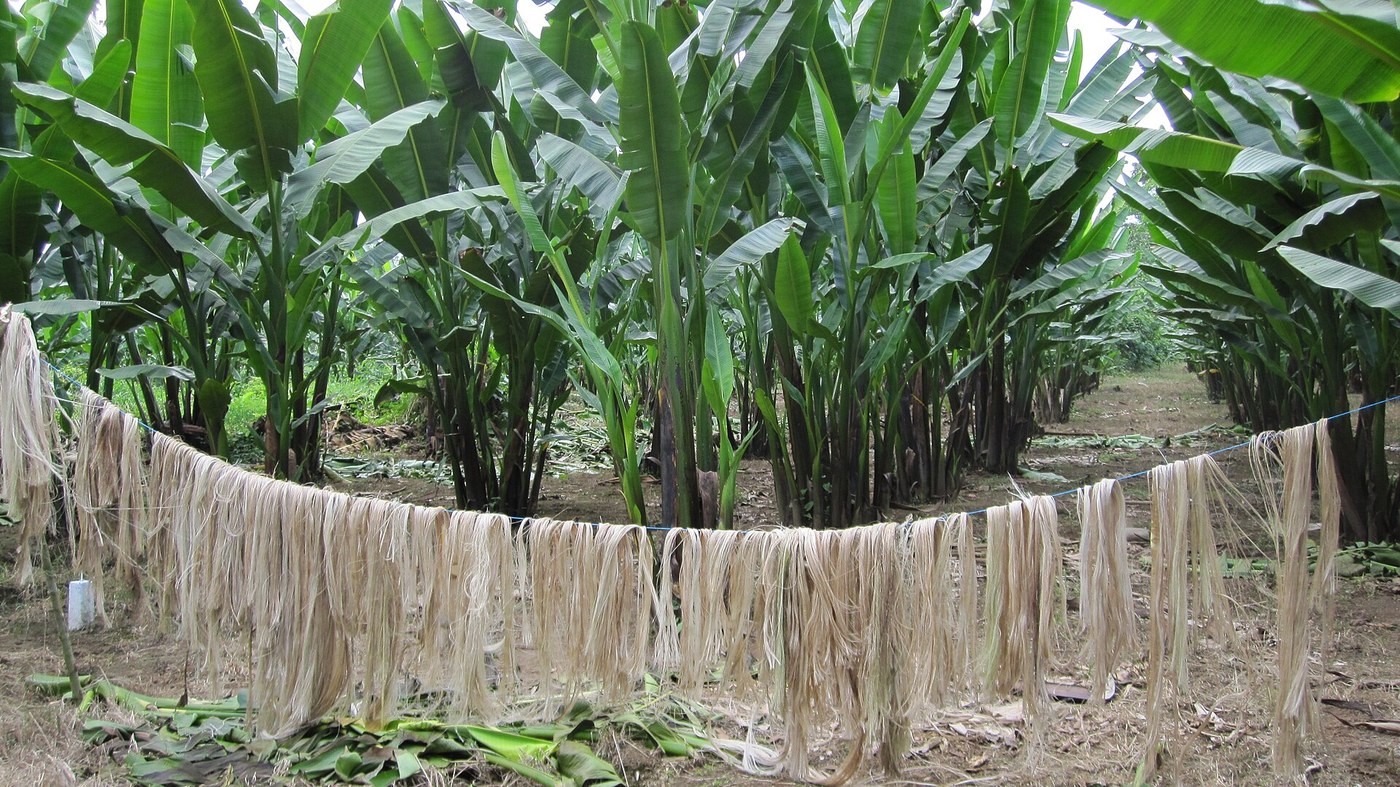
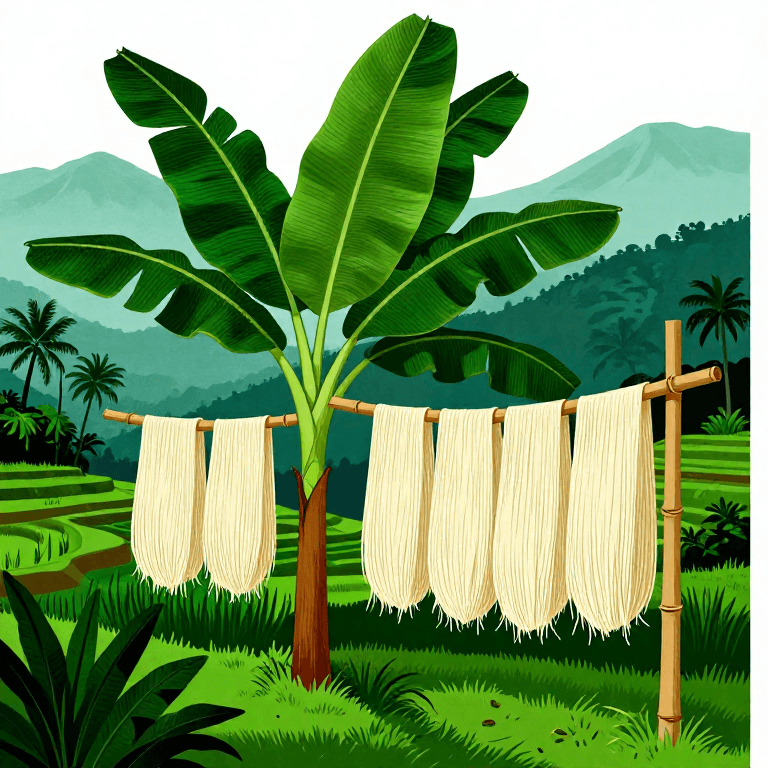
Abaca, Manila hemp, is a banana plant whose leaf-sheath fibre is stronger than hemp and stands up to salt water, which is why ships' ropes were made of it. Its fibres are 1.8 to 3.7 metres long, so a twine twisted from them needs few splices. This twine is made by the same two-ply reverse wrap as our bark rope.
The picture: abaca fibre drying on a line among the plants, Costa Rica.
เริ่มต้น
An hour for a few metres
คำแนะนำ
1
1
Dampen and split the fibre
Dampen and split the fibre
Dip a hank of abaca fibre in water so it twists without springing back, and split off thin strands, a few fibres each.
วัสดุสำหรับขั้นตอนนี้:
 เส้นใยป่านมะนิลา50 ก.
 น้ำ1 as required
เครื่องมือที่ต้องใช้:
 ชาม
2
2
Reverse-wrap it into two-ply twine
Reverse-wrap it into two-ply twine
Fold a strand bundle at its middle and reverse-wrap it as the bark rope is made: twist one ply away from you until it kinks, wrap it back over the other, and repeat. Splice in new fibre with 5 to 8 cm of overlap, never on both plies at the same point.
3
3
Finish and trim
Finish and trim
Tie an overhand knot at the end, trim the loose fibre ends close and wind the twine into a ball.
เครื่องมือที่ต้องใช้:
 มีดคัตเตอร์อเนกประสงค์
พิมพ์เขียวนี้สร้าง
บลูพริ้นท์ที่เกี่ยวข้อง
บลูพริ้นท์เหล่านี้แบ่งปันความรู้ — เทคนิค วัสดุ หรือหลักการ


CC0 สาธารณสมบัติ
พิมพ์เขียวนี้เผยแพร่ภายใต้ CC0 คุณสามารถคัดลอก แก้ไข แจกจ่าย และใช้งานผลงานนี้เพื่อวัตถุประสงค์ใดก็ได้ โดยไม่ต้องขออนุญาต
สนับสนุนเมกเกอร์โดยซื้อสินค้าผ่านพิมพ์เขียวของพวกเขา ซึ่งพวกเขาจะได้รับ ค่าคอมมิชชันเมกเกอร์ ที่ผู้ขายกำหนด หรือสร้างเวอร์ชันใหม่ของพิมพ์เขียวนี้และรวมเป็นการเชื่อมต่อในพิมพ์เขียวของคุณเพื่อแบ่งรายได้