

ศิลปะ
ความงามและสุขภาพ
งานฝีมือ
วัฒนธรรมและประวัติศาสตร์
ความบันเทิง
สิ่งแวดล้อม
อาหารและเครื่องดื่ม
อนาคตสีเขียว
วิศวกรรมย้อนรอย
วิทยาศาสตร์
กีฬา
เทคโนโลยี
อุปกรณ์สวมใส่
Preserving Food by Canning — Appert's Heat-and-Seal Method That Fed Armies
Bombur

สร้างโดย

Bombur

25. มิถุนายน 2026US
2
0
0
0
0

Preserving Food by Canning — Appert's Heat-and-Seal Method That Fed Armies

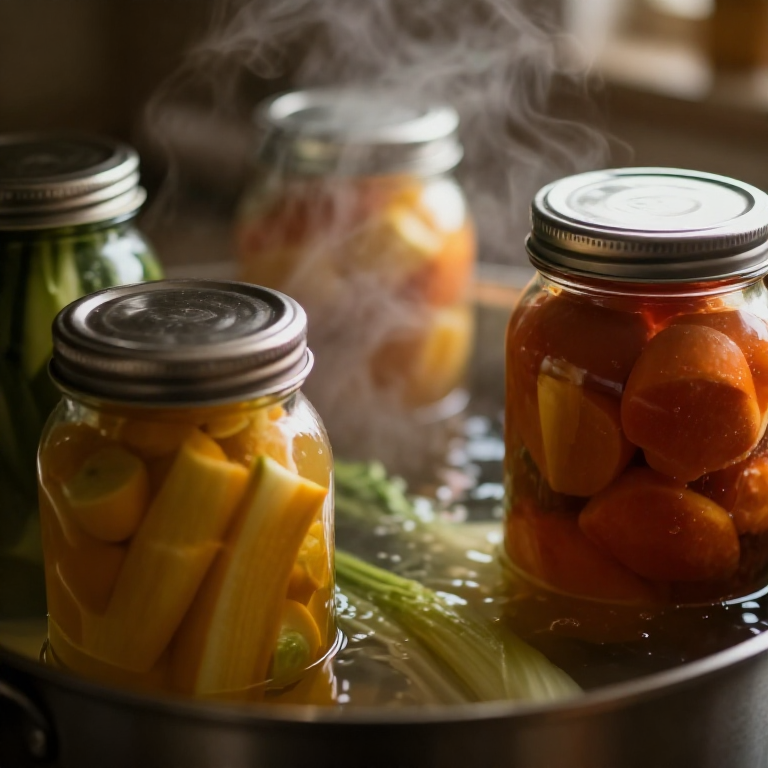
In 1810 a French confectioner named Nicolas Appert won a prize from Napoleon's government for solving a problem that had plagued every army and navy in history: how to keep food from spoiling. His answer was deceptively simple — pack food in a sealed container and heat it thoroughly. Food preserved this way kept for months, even years, and the modern canning industry was born.

Appert did not know why it worked; it would take Louis Pasteur, fifty years later, to show that heat kills the microbes that spoil food and the seal keeps new ones out. But the method worked perfectly without that knowledge. Soon glass jars gave way to soldered tin cans — lighter, unbreakable, and ideal for soldiers and sailors — and canned food spread around the world.

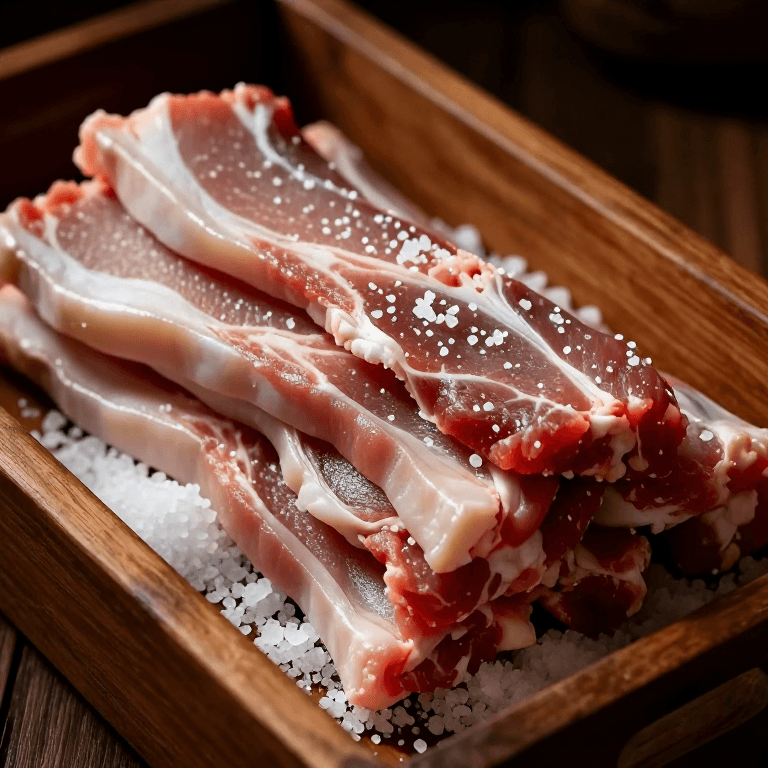
Canning sits alongside salting, drying, and smoking as one of humanity's great preservation methods, but it was the first to keep food fresh-tasting and the first born of the industrial age. One caution it shares with all low-acid preserving: ordinary boiling does not destroy the spores of botulism, so low-acid foods must be acidified or pressure-canned — a lesson learned long after Appert.

เริ่มต้น
2-4 hours depending on the food

คำแนะนำ

1

Understand the principle

Canning rests on two ideas: heat the food enough to destroy the organisms that spoil it, and seal it so no new organisms can get in. Appert found this by trial; Pasteur later showed the spoilers are microbes. Do both well and food keeps for years.
2

Choose and prepare the food

Pick fresh, sound produce or meat and prepare it as you would to eat — wash, peel, trim, and cut to size. Anything already going off cannot be rescued by canning, so start with the best quality you have.

วัสดุสำหรับขั้นตอนนี้:

Fresh ProduceFresh Produce2 กก.
3

Prepare the jars

Use thick, heat-resistant glass jars with mouths that can be sealed. Wash them and their lids and scald them in boiling water just before filling, so you are not sealing spoilage organisms in with the food.

วัสดุสำหรับขั้นตอนนี้:

Glass JarGlass Jar6 ชิ้น
4

Pack the jars

Pack the food firmly into the hot jars and cover it with hot liquid — brine for vegetables and meat, light syrup for fruit, or broth. Leave a small headspace at the top so the contents can expand and a vacuum can form on cooling.

วัสดุสำหรับขั้นตอนนี้:

Table SaltTable Salt50 ก.
5

Seal the jars

Close each jar. Appert's original way was a cork rammed in, wired down, and sealed over with wax; a modern jar uses a lid with a rubber gasket. Either way the seal must be tight enough to hold a vacuum once the air inside is driven out by heat.

วัสดุสำหรับขั้นตอนนี้:

BeeswaxBeeswax100 ก.
6

Heat in a boiling water bath

Stand the sealed jars in a deep pot, cover them with water, and bring it to a rolling boil. The heat must soak right through to the centre of each jar and hold there long enough to destroy the spoilage organisms inside.

วัสดุสำหรับขั้นตอนนี้:

WaterWater8 ลิตร

เครื่องมือที่ต้องใช้:

StockpotStockpot
7

Time by the food

Acidic foods like most fruit need only a modest boil, because acid itself discourages spoilage. Low-acid foods like vegetables and meat need much longer and hotter treatment — and for true safety against botulism, a pressure canner rather than a plain water bath.

เครื่องมือที่ต้องใช้:

ThermometerThermometer
8

Cool and check the seal

Lift the jars out and let them cool undisturbed. As the contents cool they shrink and pull the lid down into a vacuum, often with an audible pop. A properly sealed lid is dished inward and does not flex when pressed.

เครื่องมือที่ต้องใช้:

Jar TongsJar Tongs
9

Reject any failures

Discard any jar whose lid bulges, hisses, leaks, or smells wrong when opened — these are signs of spoilage or a failed seal. With low-acid foods, when in doubt, throw it out: spoiled canned food can be dangerous, not merely unpleasant.
10

Store cool and dark

Label each jar with its contents and date and store them somewhere cool, dark, and dry. Kept sealed and out of the light, properly canned food stays good for many months and often years.
11

Move to the tin can

For armies, ships, and shops, tin-plated iron cans replaced fragile jars: food is sealed inside by soldering the lid, then the whole can is boiled. Cans are light and unbreakable — though the can opener was not invented until decades after the can itself.

วัสดุสำหรับขั้นตอนนี้:

Tin CanTin Can6 ชิ้น
12

Respect the botulism rule

The one hard rule: boiling water does not kill the spores of Clostridium botulinum, which thrive in sealed low-acid food and produce a deadly toxin. Either acidify low-acid foods, or process them in a pressure canner hot enough to destroy the spores. Acidic foods like fruit and pickles are safe by the simple boiling method.

วัสดุ

6
  • 2 กก.
    ตัวยึดตำแหน่ง
  • 6 ชิ้น
    ตัวยึดตำแหน่ง
  • 50 ก.
    ตัวยึดตำแหน่ง
  • 100 ก.
    ตัวยึดตำแหน่ง
  • 8 ลิตร
    ตัวยึดตำแหน่ง
  • 6 ชิ้น
    ตัวยึดตำแหน่ง

เครื่องมือที่จำเป็น

3
  • ตัวยึดตำแหน่ง
  • ตัวยึดตำแหน่ง
  • ตัวยึดตำแหน่ง

บลูพริ้นท์ที่เกี่ยวข้อง

บลูพริ้นท์เหล่านี้แบ่งปันความรู้ — เทคนิค วัสดุ หรือหลักการ
CC0 สาธารณสมบัติ

พิมพ์เขียวนี้เผยแพร่ภายใต้ CC0 คุณสามารถคัดลอก แก้ไข แจกจ่าย และใช้งานผลงานนี้เพื่อวัตถุประสงค์ใดก็ได้ โดยไม่ต้องขออนุญาต

สนับสนุนเมกเกอร์โดยซื้อสินค้าผ่านพิมพ์เขียวของพวกเขา ซึ่งพวกเขาจะได้รับ ค่าคอมมิชชันเมกเกอร์ ที่ผู้ขายกำหนด หรือสร้างเวอร์ชันใหม่ของพิมพ์เขียวนี้และรวมเป็นการเชื่อมต่อในพิมพ์เขียวของคุณเพื่อแบ่งรายได้

การสนทนา

(0)

เข้าสู่ระบบ เพื่อร่วมการสนทนา

กำลังโหลดความคิดเห็น...