ศิลปะ
ความงามและสุขภาพ
งานฝีมือ
วัฒนธรรมและประวัติศาสตร์
ความบันเทิง
สิ่งแวดล้อม
อาหารและเครื่องดื่ม
วิศวกรรมย้อนรอย
วิทยาศาสตร์
กีฬา
เทคโนโลยี
อุปกรณ์สวมใส่
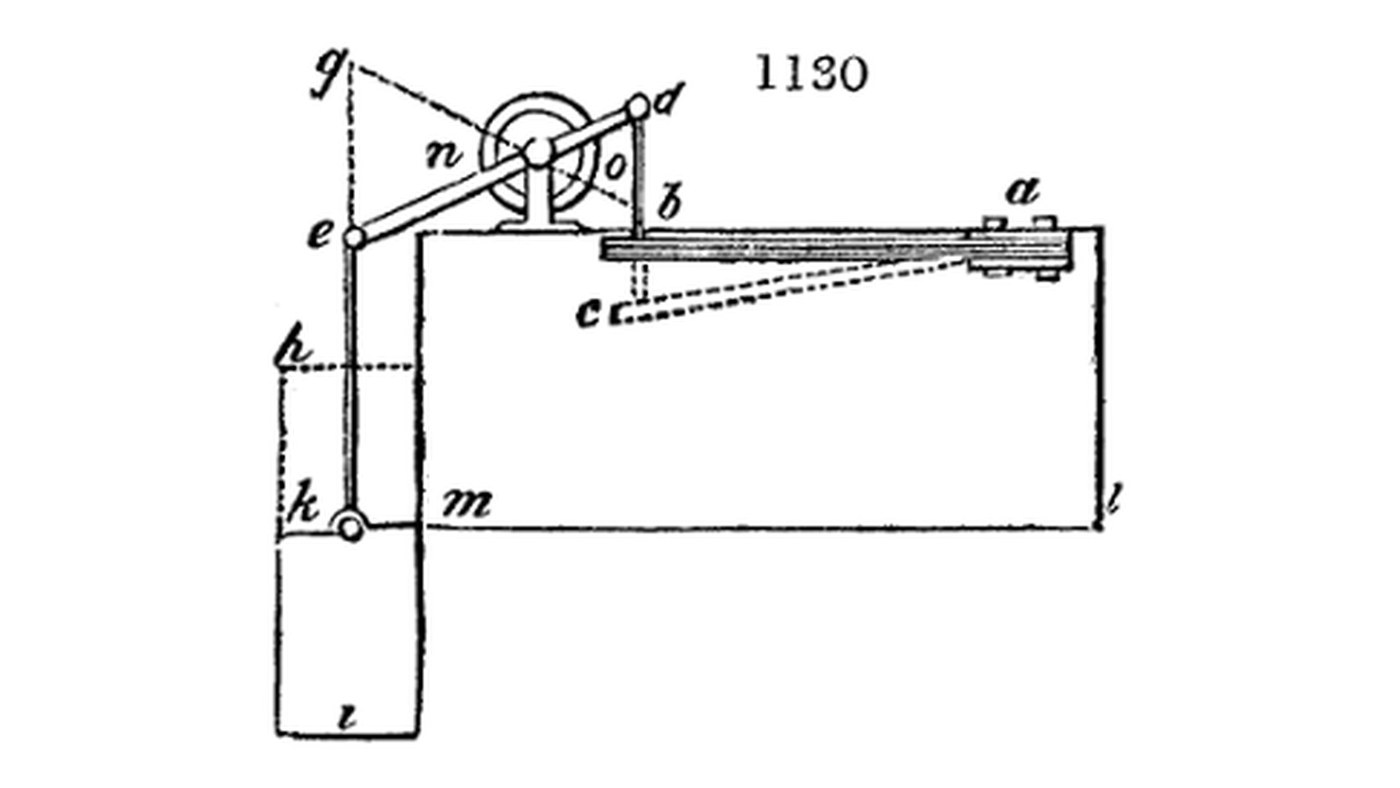


Bimetallic Strip: Ure's Thermostatic Bar of Steel and Brass (1839)
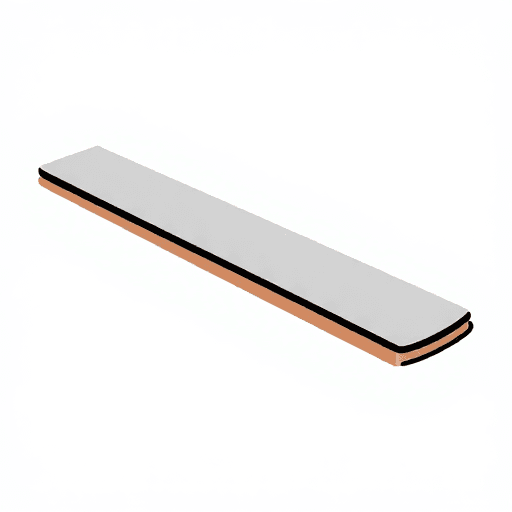
The compound bar of Andrew Ure's 1831 thermostat: a thin steel ruler and a ruler of hard-hammered brass riveted face to face. Brass expands more than steel, so when the bar warms it bends, and the free end can work a valve, damper or cock.
Bolt one end fast and leave the other free to move.
Source: A. Ure, Dictionary of Arts, Manufactures and Mines (1839), 'Thermostat'. Picture: the book's Fig. 1130.
เริ่มต้น
Unknown
คำแนะนำ
1
1
Prepare the two rulers
Prepare the two rulers
Take two long thin rulers, one of steel and one of brass. Hammer the brass hard.
วัสดุสำหรับขั้นตอนนี้:
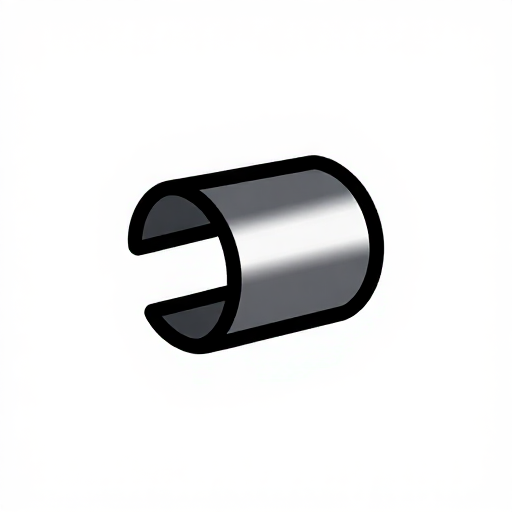 แถบเหล็กกล้าคาร์บอน1 thin ruler
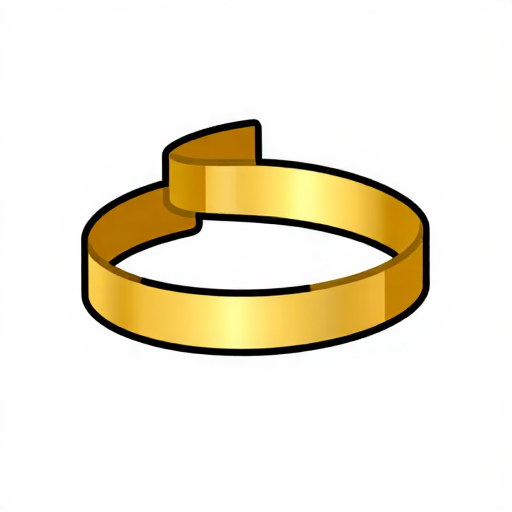 แถบทองเหลือง1 thin ruler
เครื่องมือที่ต้องใช้:
 ค้อน
 ทั่ง
2
2
Rivet them face to face
Rivet them face to face
Lay the rulers face to face and rivet them firmly together along their length.
วัสดุสำหรับขั้นตอนนี้:
 หมุดย้ำทองแดง1 ชิ้น
เครื่องมือที่ต้องใช้:
 สว่านมือ
 ชุดย้ำหมุดค้อน
3
3
Mount and use
Mount and use
Fix one end of the compound bar by bolts and leave the other free: when heated the free end moves by flexure, and through links and levers it can open or close a valve, cock, register or ventilator. In the still's heat-governor two such bars stand with their edges up and down.
เครื่องมือที่ต้องใช้:
ค้อนวัสดุ
3- 1 thin rulerตัวยึดตำแหน่ง
- 1 thin rulerตัวยึดตำแหน่ง
- 1 ชิ้นตัวยึดตำแหน่ง
พิมพ์เขียวนี้สร้าง
CC0 สาธารณสมบัติ
พิมพ์เขียวนี้เผยแพร่ภายใต้ CC0 คุณสามารถคัดลอก แก้ไข แจกจ่าย และใช้งานผลงานนี้เพื่อวัตถุประสงค์ใดก็ได้ โดยไม่ต้องขออนุญาต
สนับสนุนเมกเกอร์โดยซื้อสินค้าผ่านพิมพ์เขียวของพวกเขา ซึ่งพวกเขาจะได้รับ ค่าคอมมิชชันเมกเกอร์ ที่ผู้ขายกำหนด หรือสร้างเวอร์ชันใหม่ของพิมพ์เขียวนี้และรวมเป็นการเชื่อมต่อในพิมพ์เขียวของคุณเพื่อแบ่งรายได้