ศิลปะ
ความงามและสุขภาพ
งานฝีมือ
วัฒนธรรมและประวัติศาสตร์
ความบันเทิง
สิ่งแวดล้อม
อาหารและเครื่องดื่ม
วิศวกรรมย้อนรอย
วิทยาศาสตร์
กีฬา
เทคโนโลยี
อุปกรณ์สวมใส่
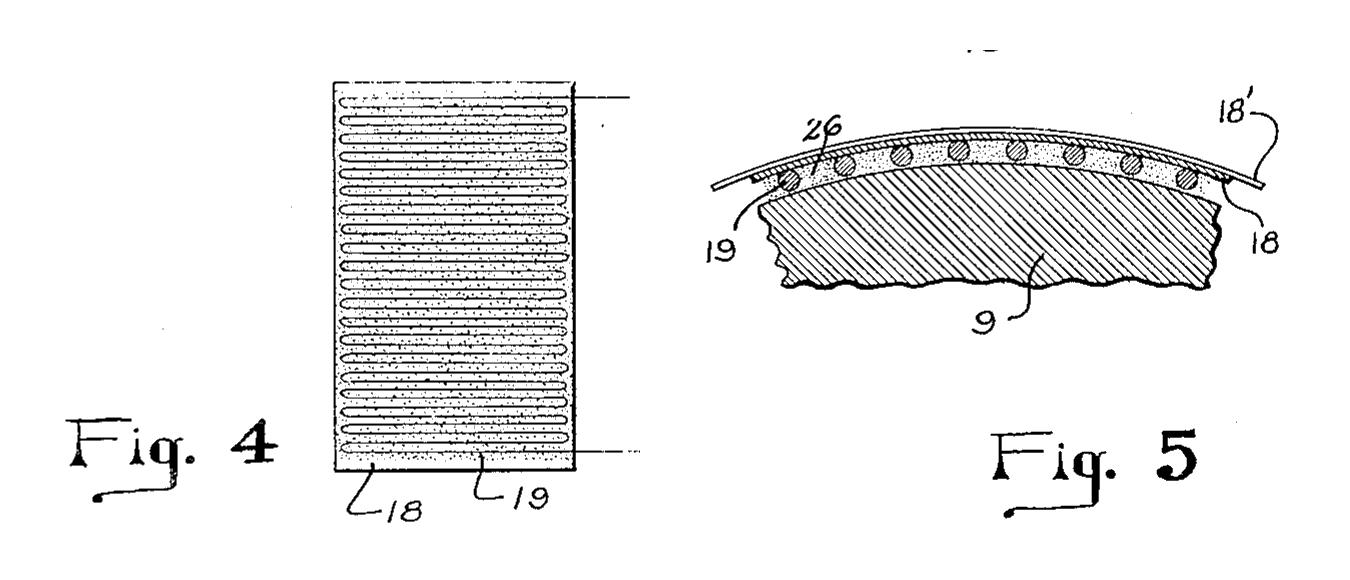


Bonded Wire Strain Gauge on Paper: Simmons, 1942
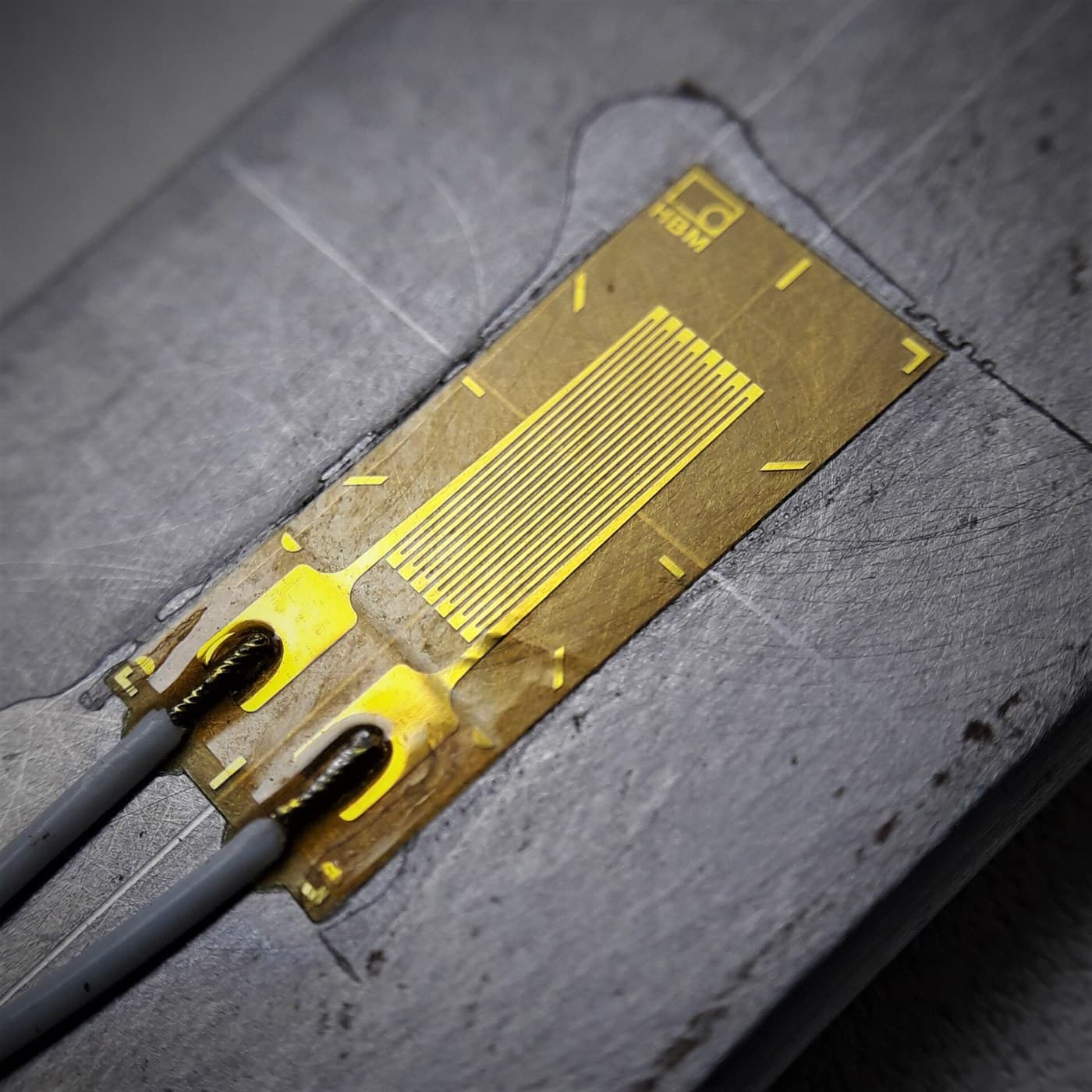
Edward E. Simmons, Jr. of Pasadena patented the bonded wire strain gauge in 1942, US 2,292,549 (filed 1940). A very fine resistance wire is cemented to a member along its entire length, so it stretches and shortens exactly with the surface and its electrical resistance follows the strain. His preferred form: Constantan or Advance wire, about 0.003 inch, wound back and forth on a thin paper, set in Glyptal, then cemented to the member and calibrated.
ขั้นสูง
Workshop process
คำแนะนำ
1
1
Wind the filament on thin paper
Wind the filament on thin paper
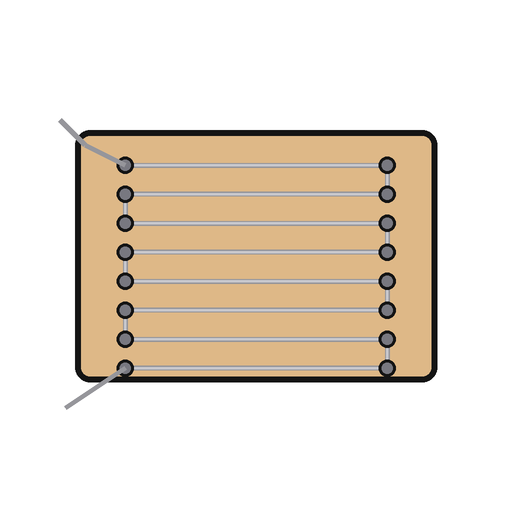
Use a fine resistance wire such as Constantan or Advance (a copper-nickel alloy, about 45 % nickel and 55 % copper); Simmons used No. 40 gauge, about 0.0031 inch. Wind it back and forth across a thin paper in parallel lengths whose alternate ends are joined, the strands very close together but not touching. A winding jig keeps the filament slightly taut.
วัสดุสำหรับขั้นตอนนี้:
 ลวดคอนสแตนแตน1 as required
 กระดาษ1 แผ่น
เครื่องมือที่ต้องใช้:
 จิกพันลวด
 กรรไกร
2
2
Set it in Glyptal
Set it in Glyptal
Cover the wound filament with Glyptal and let it dry and harden thoroughly. Filament and paper now form one gauge unit, the filament lying in the plane of the paper surface.
วัสดุสำหรับขั้นตอนนี้:
 เรซินอัลคิดกลิปทัล1 as required
เครื่องมือที่ต้องใช้:
 พู่กันเส้นเล็ก
 เตาอบตาก
3
3
Cement it to the member
Cement it to the member
Put Glyptal on the surface of the member and wrap the gauge unit on with the strands running in the direction of the strain to be measured, the paper outside. The small amount of Glyptal on the surface insulates the filament from the member. Hold filament and paper in place by wrapping them with thread, then dry and harden the Glyptal thoroughly.
วัสดุสำหรับขั้นตอนนี้:
เรซินอัลคิดกลิปทัล1 as required ด้ายฝ้าย1 as required
เครื่องมือที่ต้องใช้:
พู่กันเส้นเล็กเตาอบตากกรรไกร4
4
Calibrate it
Calibrate it
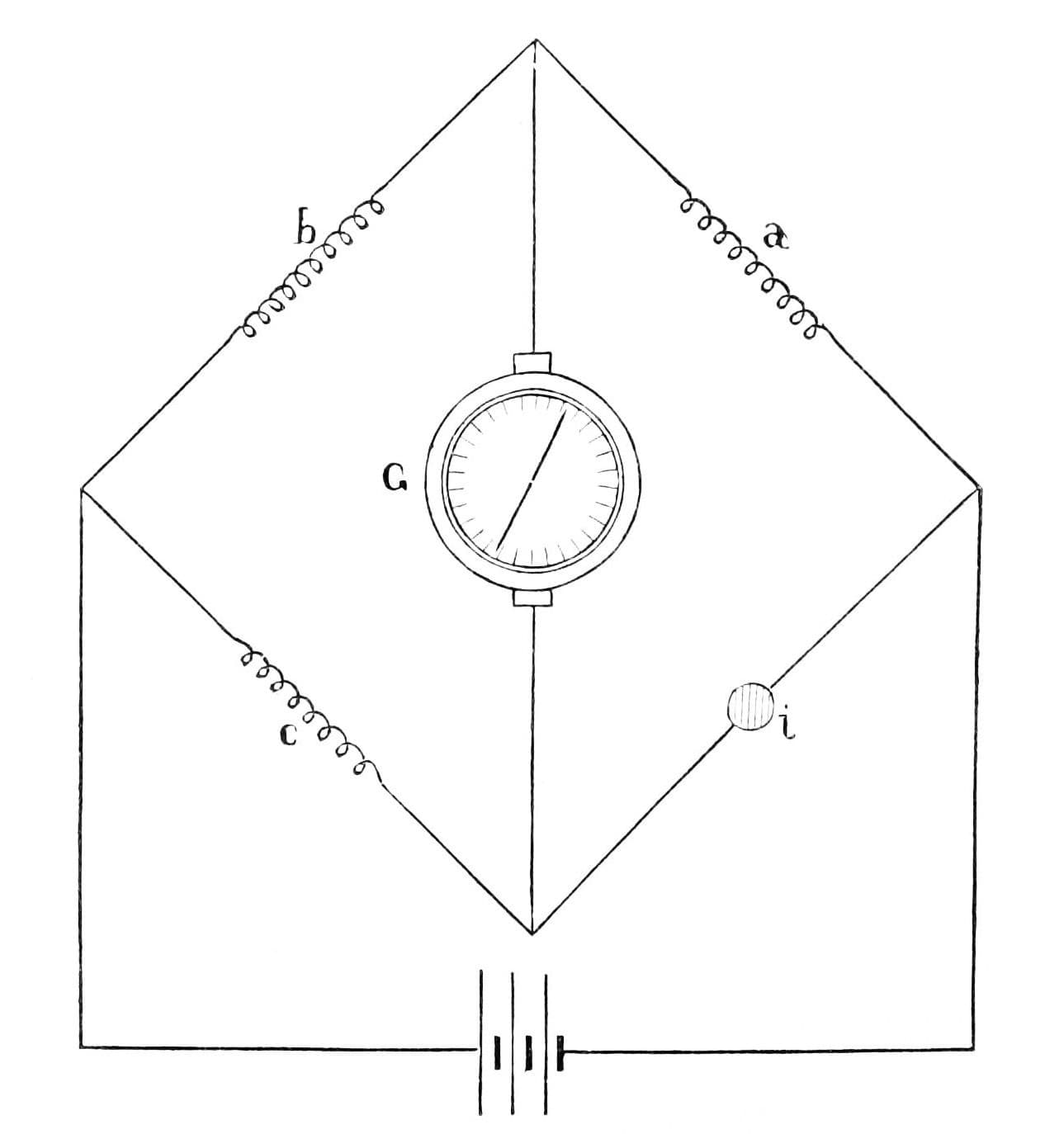
Load the member progressively in a materials testing machine and note the change in the filament's resistance at each load, measured on a Wheatstone bridge in which the filament is one arm. For very fast loads, as in impact tests, an oscillograph takes the place of the galvanometer.
เครื่องมือที่ต้องใช้:
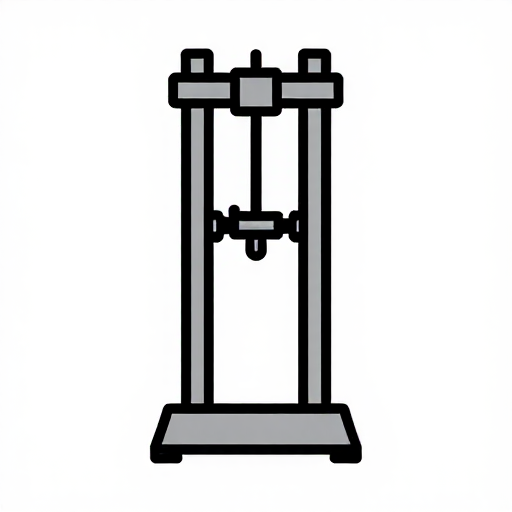 เครื่องทดสอบวัสดุ
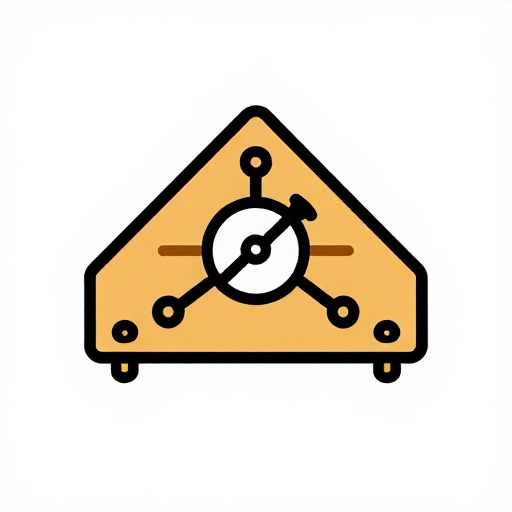 วงจรบริดจ์วีตสโตน
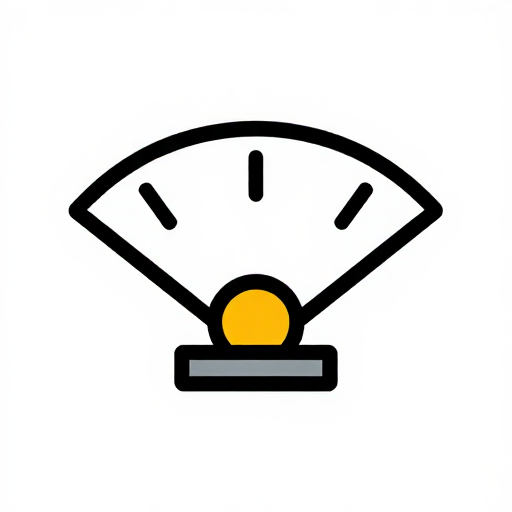 กัลวานอมิเตอร์แบบแอนะล็อก
5
5
Bonding area and signal size
Bonding area and signal size
กำลังโหลดสมุด Jupyter…
วัสดุ
4- 1 as requiredตัวยึดตำแหน่ง
- 1 แผ่นตัวยึดตำแหน่ง
- 1 as requiredตัวยึดตำแหน่ง
- 1 as requiredตัวยึดตำแหน่ง
พิมพ์เขียวนี้สร้าง
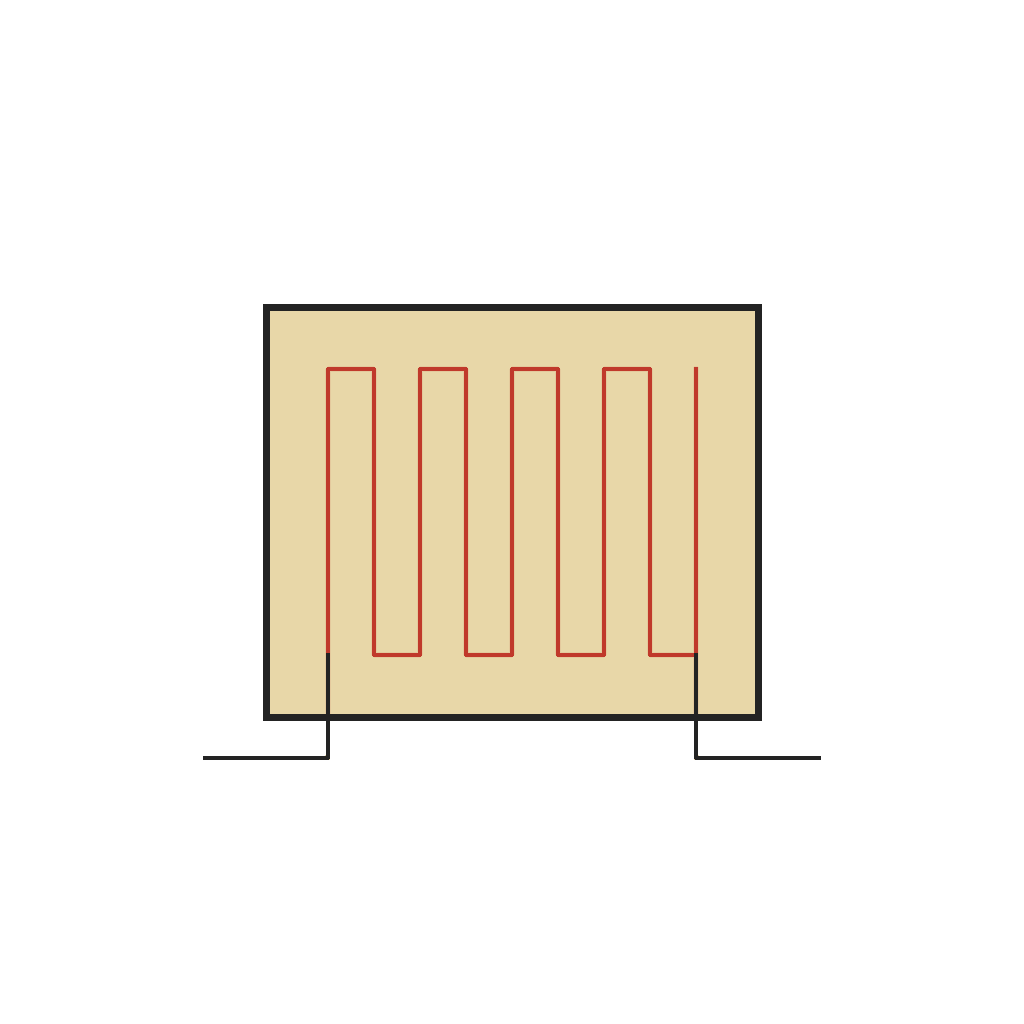
บลูพริ้นท์ที่เกี่ยวข้อง
บลูพริ้นท์เหล่านี้แบ่งปันความรู้ — เทคนิค วัสดุ หรือหลักการ

CC0 สาธารณสมบัติ
พิมพ์เขียวนี้เผยแพร่ภายใต้ CC0 คุณสามารถคัดลอก แก้ไข แจกจ่าย และใช้งานผลงานนี้เพื่อวัตถุประสงค์ใดก็ได้ โดยไม่ต้องขออนุญาต
สนับสนุนเมกเกอร์โดยซื้อสินค้าผ่านพิมพ์เขียวของพวกเขา ซึ่งพวกเขาจะได้รับ ค่าคอมมิชชันเมกเกอร์ ที่ผู้ขายกำหนด หรือสร้างเวอร์ชันใหม่ของพิมพ์เขียวนี้และรวมเป็นการเชื่อมต่อในพิมพ์เขียวของคุณเพื่อแบ่งรายได้