ศิลปะ
ความงามและสุขภาพ
งานฝีมือ
วัฒนธรรมและประวัติศาสตร์
ความบันเทิง
สิ่งแวดล้อม
อาหารและเครื่องดื่ม
วิศวกรรมย้อนรอย
วิทยาศาสตร์
กีฬา
เทคโนโลยี
อุปกรณ์สวมใส่
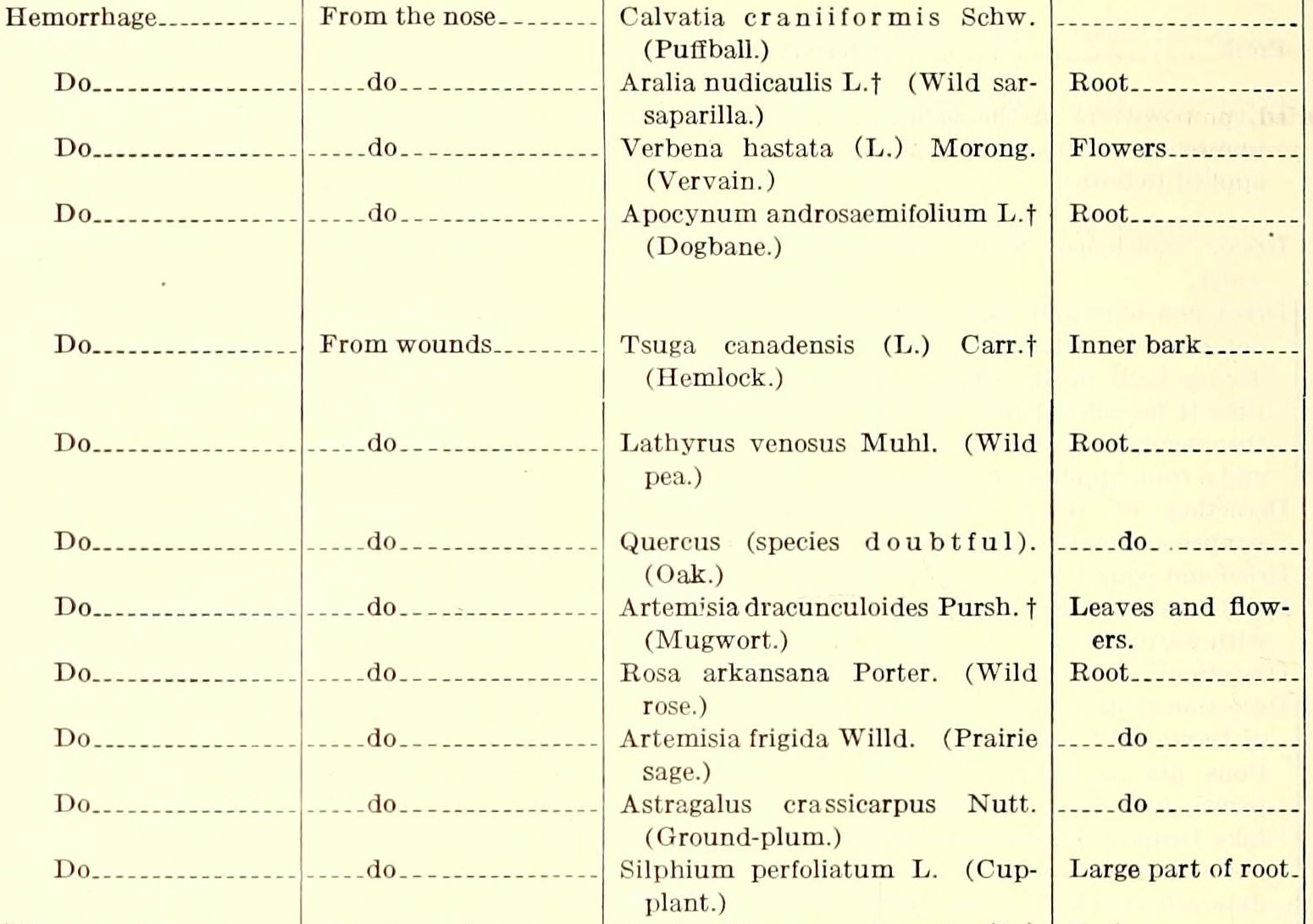


Chippewa Remedies to Stop Bleeding from the Nose and from Wounds: Puffball, Sarsaparilla, Vervain, Hemlock Bark, Wild Pea, Oak, Mugwort, Cup Plant (Densmore, 1928)
Chippewa (Ojibwe) remedies for bleeding recorded by Frances Densmore: the soft inside of a puffball or chewed sarsaparilla root in the nostril, snuffed vervain flowers, dry hemlock bark powder on a wound, wild pea root poultice, chewed oak root after letting a fresh wound bleed a little, chewed mugwort, a four-root decoction with Seneca snakeroot, and a cup plant compress. Recorded use, not medical advice.
เริ่มต้น
Fifteen minutes, plus drying
คำแนะนำ
1
1
Read Densmore
Read Densmore
Rows under Hemorrhage, "From the nose" and "From wounds". Recorded use, not medical advice.
2
2
Nosebleed
Nosebleed
"Use soft inner part [of a puffball] to plug the nostril, or apply it externally." Or insert dried, powdered wild sarsaparilla root, or fresh root chewed. Or snuff dried vervain flowers.
วัสดุสำหรับขั้นตอนนี้:
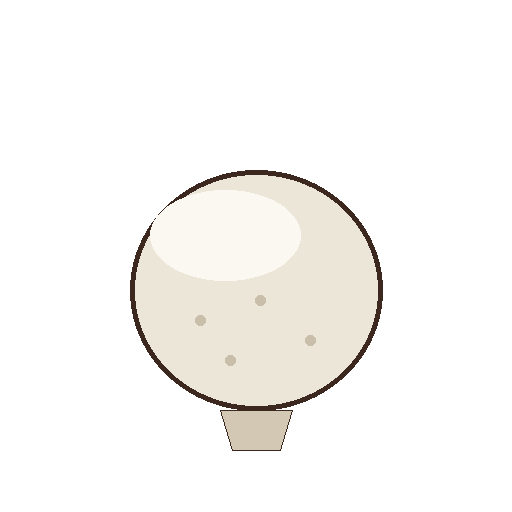 เห็ดลูกฝุ่น1 ชิ้น
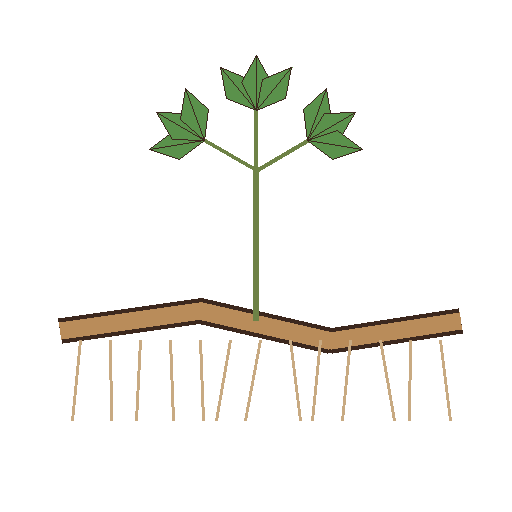 รากซาร์ซาพาริลลาป่า1 ชิ้น
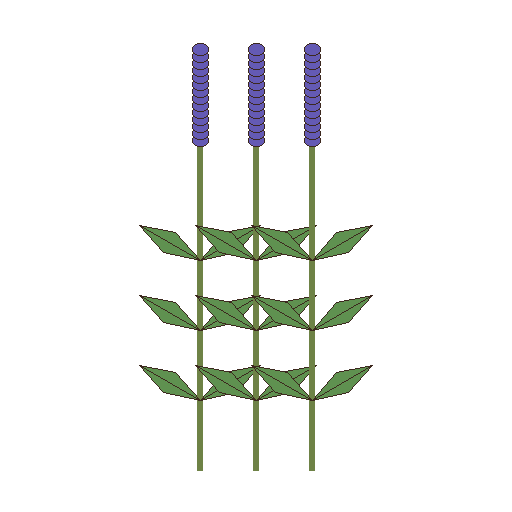 ดอกเวอร์บีนาน้ำเงิน1 ชิ้น
เครื่องมือที่ต้องใช้:
 ไม้ขุด
 มีด
 ชั้นตากแห้ง
 ครกและสากหิน
3
3
Hemlock bark powder
Hemlock bark powder
"Pulverized and applied dry" on the wound. It was also used in many combinations.
วัสดุสำหรับขั้นตอนนี้:
 เปลือกชั้นในเฮมล็อกตะวันออก1 ชิ้น
เครื่องมือที่ต้องใช้:
 ขวานเล็กมีดชั้นตากแห้งครกและสากหิน
4
4
Wild pea and oak root
Wild pea and oak root
Boil wild pea root and use it as a poultice; a decoction was also drunk, said to act as an emetic "if blood from a wound had accumulated inside patient." Oak root: fresh root chewed, or a poultice of dried root. "For a fresh wound, let it bleed a little before applying poultice."
วัสดุสำหรับขั้นตอนนี้:
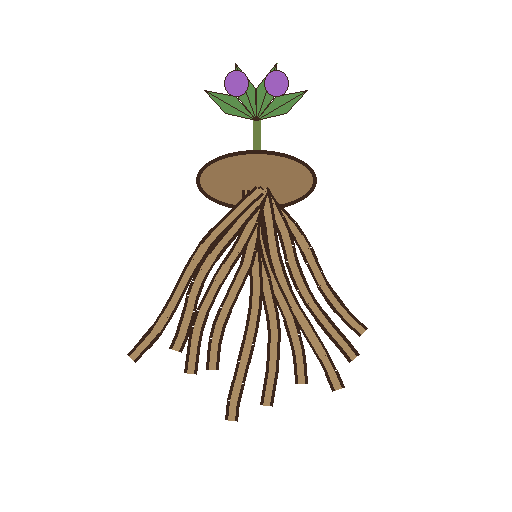 รากถั่วป่าเส้นใบ1 ชิ้น
 รากโอ๊ก1 ชิ้น
 น้ำ1 ชิ้น
 ผ้ากอซฝ้าย1 ชิ้น
เครื่องมือที่ต้องใช้:
ไม้ขุดขวานเล็ก หม้อดิน
 หลุมไฟชั้นตากแห้งครกและสากหิน
5
5
Mugwort and the four roots
Mugwort and the four roots
Chew mugwort leaves and flowers, fresh or dried, and use as a poultice. Or boil wild rose, prairie sage and ground-plum roots with Seneca snakeroot and use the decoction on the wound.
วัสดุสำหรับขั้นตอนนี้:
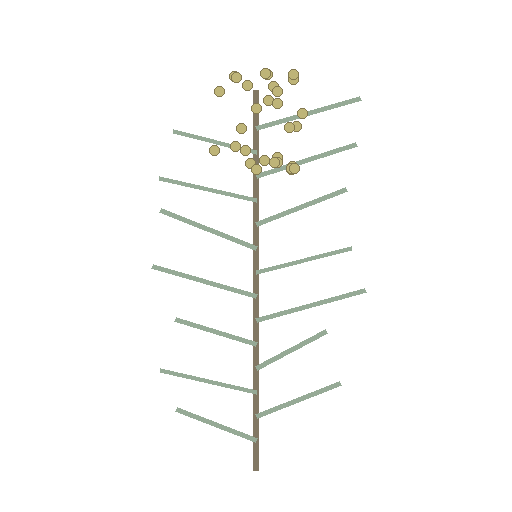 ใบและยอดโกฐ1 ชิ้น
 รากกุหลาบทุ่งหญ้า1 ชิ้น
 รากเสจทุ่งหญ้า1 ชิ้น
 รากกราวนด์พลัม1 ชิ้น
 รากเซเนกา1 ชิ้นน้ำ1 ชิ้น
เครื่องมือที่ต้องใช้:
ไม้ขุดหม้อดินหลุมไฟ ผ้าขาวบาง
6
6
Cup plant compress
Cup plant compress
Dry a large part of the root; cut up and pound it; use as a moist compress.
วัสดุสำหรับขั้นตอนนี้:
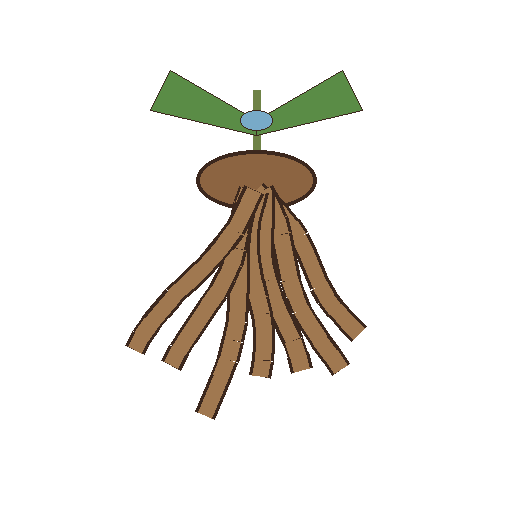 รากคัพแพลนต์1 ชิ้นน้ำ1 ชิ้นผ้ากอซฝ้าย1 ชิ้น
เครื่องมือที่ต้องใช้:
ไม้ขุดมีดชั้นตากแห้ง หินทุบ
7
7
Troubleshooting
Troubleshooting
Bleeding safety.
Flow
Loading...
8
8
History and honest limits
History and honest limits
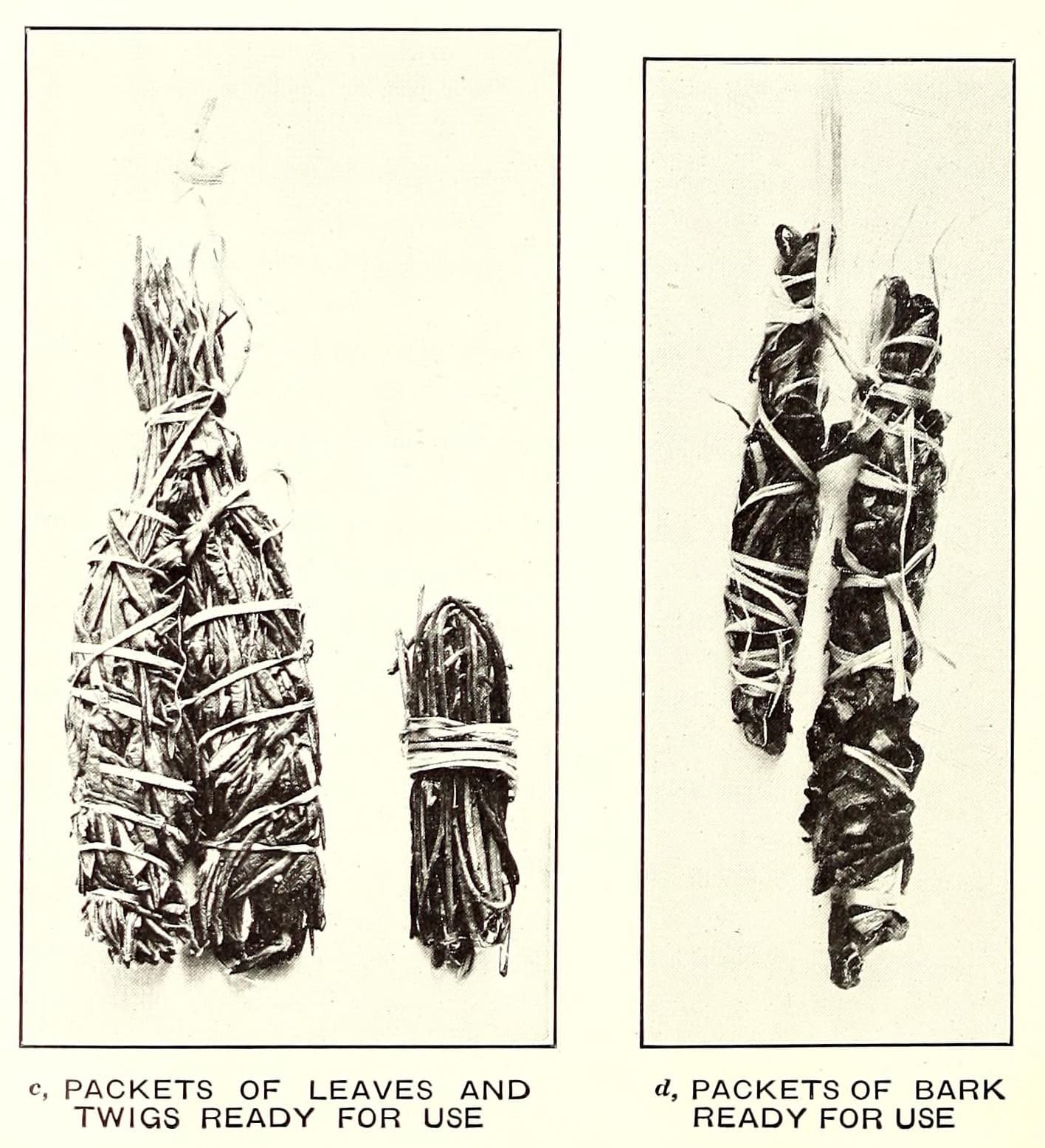
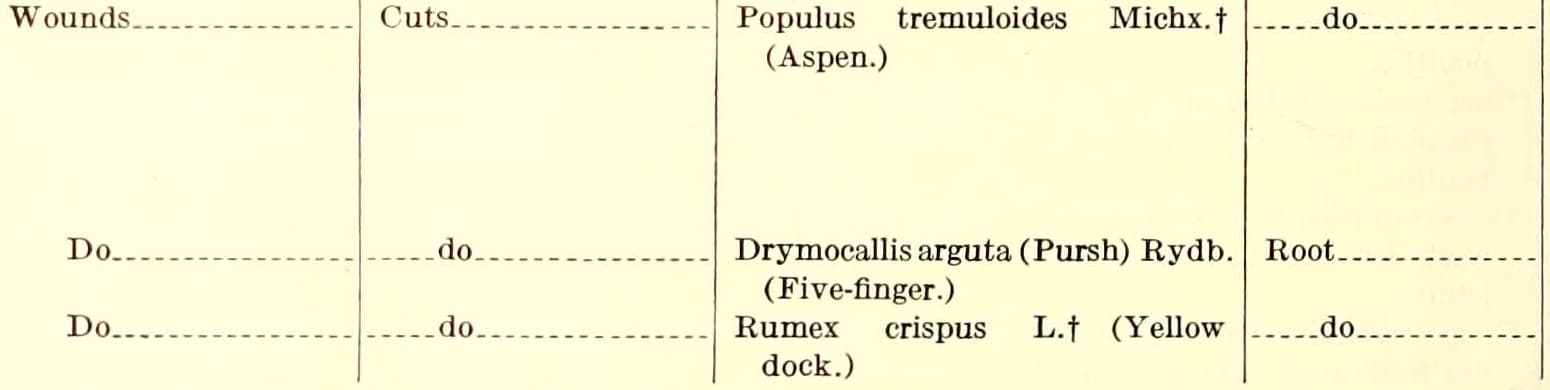
From Frances Densmore, *Uses of Plants by the Chippewa Indians*, **44th Annual Report of the Bureau of American Ethnology** (1928), pp. 356-357 (checked on the archive.org scan usesofplantsbych00dens). Chippewa remedies were mostly Midewiwin knowledge, shared so a record would survive. Left out: a dogbane root plug for the nose (poisonous plant). Safety lines are ours. Recorded use, not medical advice.
วัสดุ
14- 1 ชิ้นตัวยึดตำแหน่ง
- 1 ชิ้นตัวยึดตำแหน่ง
- 1 ชิ้นตัวยึดตำแหน่ง
- ตัวยึดตำแหน่ง
- 1 ชิ้นตัวยึดตำแหน่ง
- 1 ชิ้นตัวยึดตำแหน่ง
- 3 ชิ้นตัวยึดตำแหน่ง
- 2 ชิ้นตัวยึดตำแหน่ง
- 1 ชิ้นตัวยึดตำแหน่ง
- 1 ชิ้นตัวยึดตำแหน่ง
- 1 ชิ้นตัวยึดตำแหน่ง
- 1 ชิ้นตัวยึดตำแหน่ง
- 1 ชิ้นตัวยึดตำแหน่ง
- 1 ชิ้นตัวยึดตำแหน่ง
พิมพ์เขียวนี้สร้าง
บลูพริ้นท์ที่เกี่ยวข้อง
บลูพริ้นท์เหล่านี้แบ่งปันความรู้ — เทคนิค วัสดุ หรือหลักการ
CC0 สาธารณสมบัติ
พิมพ์เขียวนี้เผยแพร่ภายใต้ CC0 คุณสามารถคัดลอก แก้ไข แจกจ่าย และใช้งานผลงานนี้เพื่อวัตถุประสงค์ใดก็ได้ โดยไม่ต้องขออนุญาต
สนับสนุนเมกเกอร์โดยซื้อสินค้าผ่านพิมพ์เขียวของพวกเขา ซึ่งพวกเขาจะได้รับ ค่าคอมมิชชันเมกเกอร์ ที่ผู้ขายกำหนด หรือสร้างเวอร์ชันใหม่ของพิมพ์เขียวนี้และรวมเป็นการเชื่อมต่อในพิมพ์เขียวของคุณเพื่อแบ่งรายได้