ศิลปะ
ความงามและสุขภาพ
งานฝีมือ
วัฒนธรรมและประวัติศาสตร์
ความบันเทิง
สิ่งแวดล้อม
อาหารและเครื่องดื่ม
วิศวกรรมย้อนรอย
วิทยาศาสตร์
กีฬา
เทคโนโลยี
อุปกรณ์สวมใส่
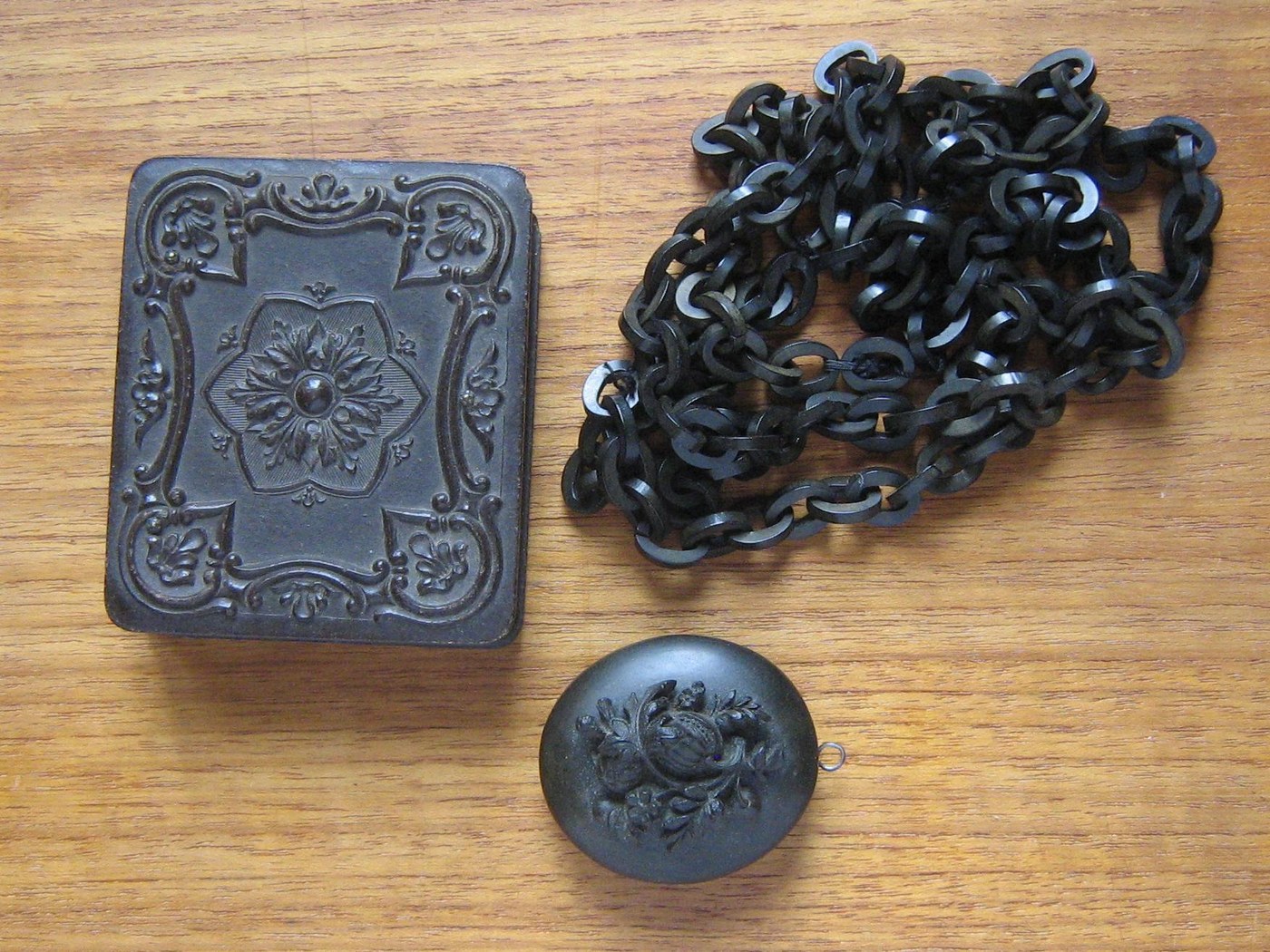


Ebonite Rod: Rubber and an Equal Weight of Sulphur, Cured Hours in the Heat, Goodyear 1851
Ebonite is rubber with a great deal of sulphur. Nelson Goodyear's patent (1851) uses about equal weights of the two, far more than for soft rubber, moulded and then cured at 260–275 °F for three to six hours or longer. It comes out hard and stiff.
The picture: ebonite objects (photo by FBQ, Wikimedia Commons, CC BY-SA 3.0).
ระดับกลาง
1 day
คำแนะนำ
1
1
Weigh equal parts
Weigh equal parts
Weigh the rubber and the sulphur, about equal parts by weight. Much less sulphur will not make it hard.
วัสดุสำหรับขั้นตอนนี้:
 ยางแผ่นรมควัน500 ก.
 ผงกำมะถัน500 ก.
เครื่องมือที่ต้องใช้:
 ตราชั่งสองแขน
2
2
Work the sulphur in
Work the sulphur in
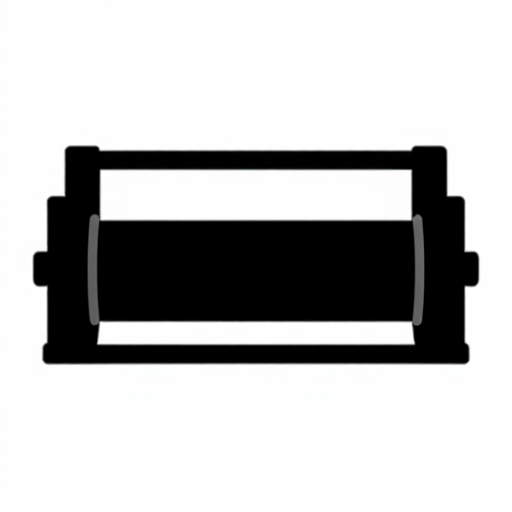
Mix the sulphur into the rubber the usual way rubber is compounded: on the rubber mill, until the sulphur is spread evenly through.
เครื่องมือที่ต้องใช้:
 เครื่องบดผสมยางสองลูกกลิ้ง
3
3
Mould the rod
Mould the rod
Press the compound firmly into a tube to shape it as a rod.
เครื่องมือที่ต้องใช้:
 ท่อเหล็ก 12 มม.
4
4
Cure it
Cure it
Heat it to 260–275 °F (about 127–135 °C) and hold it there three to six hours, or longer. Let it cool and push out the hard rod.
เครื่องมือที่ต้องใช้:
 เตาอบ
 เทอร์โมมิเตอร์
เครื่องมือที่จำเป็น
5- ตัวยึดตำแหน่ง
- ตัวยึดตำแหน่ง
- ตัวยึดตำแหน่ง
- ตัวยึดตำแหน่ง
- ตัวยึดตำแหน่ง
พิมพ์เขียวนี้สร้าง
CC0 สาธารณสมบัติ
พิมพ์เขียวนี้เผยแพร่ภายใต้ CC0 คุณสามารถคัดลอก แก้ไข แจกจ่าย และใช้งานผลงานนี้เพื่อวัตถุประสงค์ใดก็ได้ โดยไม่ต้องขออนุญาต
สนับสนุนเมกเกอร์โดยซื้อสินค้าผ่านพิมพ์เขียวของพวกเขา ซึ่งพวกเขาจะได้รับ ค่าคอมมิชชันเมกเกอร์ ที่ผู้ขายกำหนด หรือสร้างเวอร์ชันใหม่ของพิมพ์เขียวนี้และรวมเป็นการเชื่อมต่อในพิมพ์เขียวของคุณเพื่อแบ่งรายได้