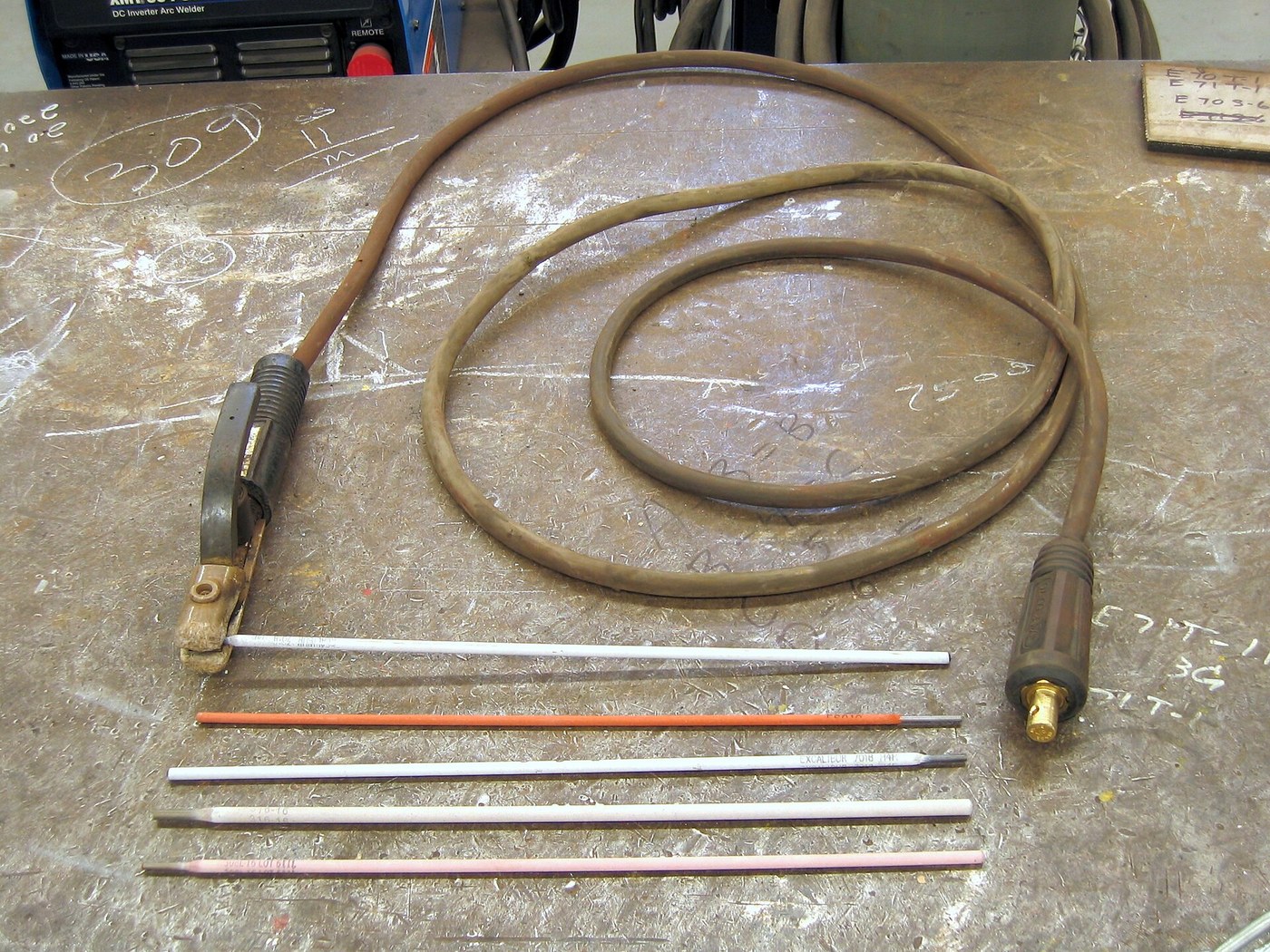
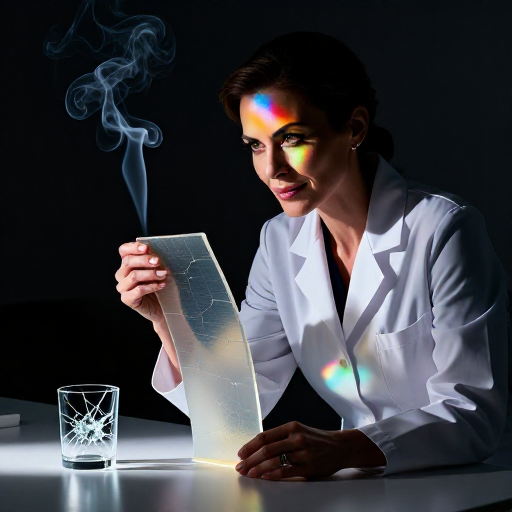

Coated Electrode
By 1907 arc welding worked and nobody trusted it. A bare-wire weld looked acceptable and then failed: the pool sat open to the atmosphere while it was liquid, dissolving oxygen and nitrogen, and froze into a porous, brittle joint with a fraction of the parent metal's ductility. Ships were not going to be built this way.
Oscar Kjellberg's answer was to wrap the electrode in the fix. He dipped bare iron wire in a thick paste of carbonates and silicates and let it dry. Now, as the arc consumes the wire, the coating burns and decomposes just ahead of it — releasing a shroud of gas that pushes the air away, and leaving behind a molten slag that floats on the pool and caps it while it solidifies. The protection is manufactured into the consumable and travels with the arc automatically.
Swedish patent SE 27,152, dated 29 June 1907. Kjellberg had founded Elektriska Svetsnings-Aktiebolaget — ESAB — in Gothenburg in 1904, and the coated electrode is what turned the company and the process into an industry. Swedish patents of this period are not digitised on the public patent databases, so the number and date come from the documentary record rather than from a scanned sheet, and this blueprint says so plainly.
Below you make a coating, apply it, and measure what it does — using oxidation of heated steel as the stand-in for the weld pool, which is the same chemistry at a temperature you can reach safely.
คำแนะนำ
State the problem the coating solves
State the problem the coating solves
Write it down: molten steel dissolves oxygen and nitrogen from the air, and a solidified weld cannot spit them back out. The coating's job is to keep air away.
Cut and weigh three identical coupons
Cut and weigh three identical coupons
Cut three 40 mm coupons from the steel flat bar. Sand all three bright with 220 grit and weigh each to 0.01 g.
วัสดุสำหรับขั้นตอนนี้:
 เหล็กแบนกล้าละมุน3 ชิ้น
เครื่องมือที่ต้องใช้:
 เครื่องชั่งดิจิทัล
 ไม้บรรทัด
 กระดาษทราย
Mix a borax flux paste
Mix a borax flux paste
Mix 10 g borax powder with water, a few drops at a time, to a thick cream. It should coat a rod without running off.
วัสดุสำหรับขั้นตอนนี้:
 ผงบอแรกซ์10 ก.
เครื่องมือที่ต้องใช้:
เครื่องชั่งดิจิทัลCoat one coupon and leave one bare
Coat one coupon and leave one bare
Paint coupon A with the paste and let it dry fully. Leave coupon B bare. Coupon C is the untouched control — it is never heated.
วัสดุสำหรับขั้นตอนนี้:
ผงบอแรกซ์5 ก.เหล็กแบนกล้าละมุน2 ชิ้นเครื่องมือที่ต้องใช้:
 ปากกาเมจิกถาวร
Heat the bare coupon to dull red
Heat the bare coupon to dull red
Heat coupon B with the propane torch until it glows dull red. Hold for 60 seconds. Let it cool on the firebrick.
วัสดุสำหรับขั้นตอนนี้:
เหล็กแบนกล้าละมุน1 ชิ้น อิฐทนไฟ2 ชิ้น
เครื่องมือที่ต้องใช้:
 หัวพ่นไฟโพรเพน
 ถุงมือหนัง
 เทอร์โมมิเตอร์อินฟราเรด
Heat the coated coupon identically
Heat the coated coupon identically
Repeat exactly with coupon A: same flame, same colour, same 60 seconds. Only the coating differs.
วัสดุสำหรับขั้นตอนนี้:
เหล็กแบนกล้าละมุน1 ชิ้นเครื่องมือที่ต้องใช้:
หัวพ่นไฟโพรเพนถุงมือหนังเทอร์โมมิเตอร์อินฟราเรดCompare the two surfaces before touching them
Compare the two surfaces before touching them
Look at both. The bare coupon carries loose grey-black scale; the coated one is covered by a glassy layer that has excluded the air.
เครื่องมือที่ต้องใช้:
 แว่นขยาย
Knock off the scale and re-weigh
Knock off the scale and re-weigh
Wire-brush or tap the loose scale off both coupons and weigh each again. Record the change.
เครื่องมือที่ต้องใช้:
เครื่องชั่งดิจิทัล ชุดตะไบ
Calculate the metal loss
Calculate the metal loss
Subtract each final mass from its start mass. The bare coupon has lost measurably more steel to oxidation than the coated one.
วัสดุสำหรับขั้นตอนนี้:
 กระดาษกราฟ1 แผ่น
Watch the slag lift on its own
Watch the slag lift on its own
Once fully cold, tap the coated coupon's glassy layer. It detaches cleanly — the same self-releasing behaviour a welder relies on when chipping slag.
เครื่องมือที่ต้องใช้:
แว่นขยาย แว่นตานิรภัยใส
List the four jobs a real coating does
List the four jobs a real coating does
Record them: shield with gas, cap with slag, stabilise the arc with easily ionised salts, and alloy the weld with powdered additions. Borax does only the first two.
Record the limitation of your model
Record the limitation of your model
Write down honestly what this experiment does not reproduce: a real electrode's coating burns with the arc at 3000 °C. Yours is a static oxidation test.
Safety awareness — torch, hot steel and electrode storage
Safety awareness — torch, hot steel and electrode storage
Steel stops glowing long before it stops burning you. A dull-red coupon is around 600 °C; at 400 °C it looks like cold steel and will still cause an immediate full-thickness burn. Move hot coupons with tools, never fingers, and check with the infrared thermometer before handling.
Borax is a flux, not a food. Sodium borate is classified in the EU as toxic for reproduction and is restricted in consumer products. Handling small quantities of the powder with clean dry hands and washing afterwards is the standard precaution; do not create dust, and keep it away from food preparation areas and young children.
A real point about real electrodes. Welding electrode coatings absorb moisture from the air, and that moisture becomes hydrogen in the weld, which causes delayed cracking days after the job. Low-hydrogen electrodes are stored in heated ovens for exactly this reason. It is the clearest example in welding of a defect that appears long after the welder has gone home.
เครื่องมือที่ต้องใช้:
ถุงมือหนังแว่นตานิรภัยใสHistory & Context
History & Context
Swedish patent SE 27,152, dated 29 June 1907, Oscar Kjellberg. Swedish patents of this era are not carried by the public patent-image databases, so unlike the contemporary American patents there is no scanned sheet to check the claim text against. The number and date are consistent across the documentary record, and that is stated rather than dressed up as a primary source.
Kjellberg was a shipyard man, which is why he cared. He worked at a Gothenburg shipyard where arc-welded repairs kept failing, founded ESAB in 1904, and spent three years on the coating. The first electrodes were dipped by hand and dried on racks.
What the coating actually does, in order. As the arc approaches, the coating decomposes and releases carbon dioxide and other gases that physically displace the air from around the pool. The mineral remainder melts to a slag less dense than steel, so it floats to the top and caps the solidifying weld against oxidation and against cooling too fast. Add potassium or sodium salts and the arc becomes easier to strike and far more stable; add iron powder and the deposition rate rises; add chromium and nickel and the weld metal can be made stainless. One consumable, four jobs.
The consequence was the welded ship. Riveted hulls needed overlapping plates and hundreds of thousands of rivets, each a hole in the plate. Welded hulls are butt joints: lighter, cheaper, faster and watertight without caulking. The first fully welded seagoing vessels appeared in the 1920s, and by the Second World War the Liberty ship programme was building 2,700 welded hulls. Those ships also taught the industry about brittle fracture the hard way — a welded hull is one continuous piece of metal, so a crack has nothing to stop it, which riveted seams had quietly been doing all along.
วัสดุ
4- 7 ชิ้นตัวยึดตำแหน่ง
- 15 ก.ตัวยึดตำแหน่ง
- 2 ชิ้นตัวยึดตำแหน่ง
- 1 แผ่นตัวยึดตำแหน่ง
เครื่องมือที่จำเป็น
10- ตัวยึดตำแหน่ง
- ตัวยึดตำแหน่ง
- ตัวยึดตำแหน่ง
- ตัวยึดตำแหน่ง
- ตัวยึดตำแหน่ง
- ตัวยึดตำแหน่ง
- ตัวยึดตำแหน่ง
- ตัวยึดตำแหน่ง
- ตัวยึดตำแหน่ง
- ตัวยึดตำแหน่ง
วัสดุจากพิมพ์เขียวที่เชื่อมต่อ
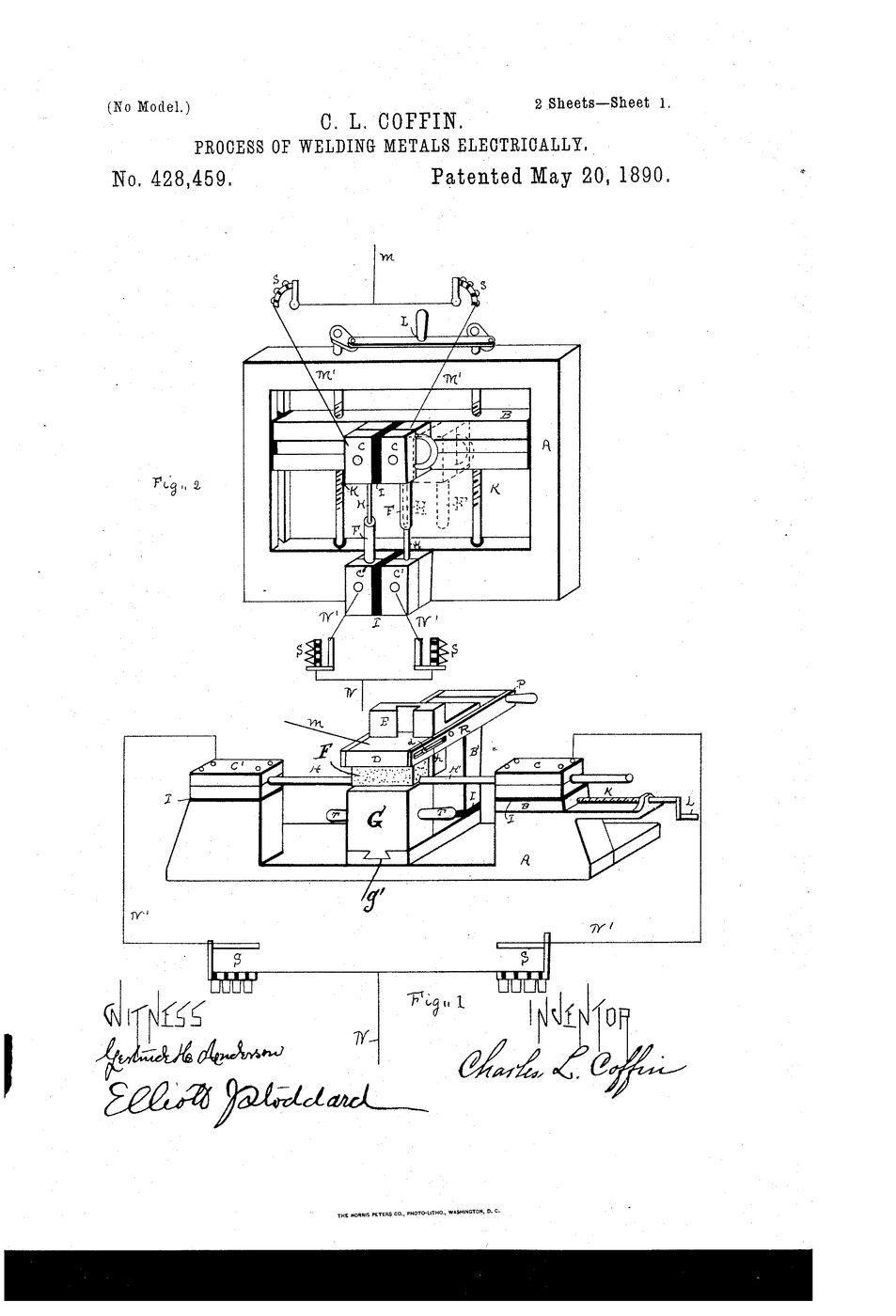

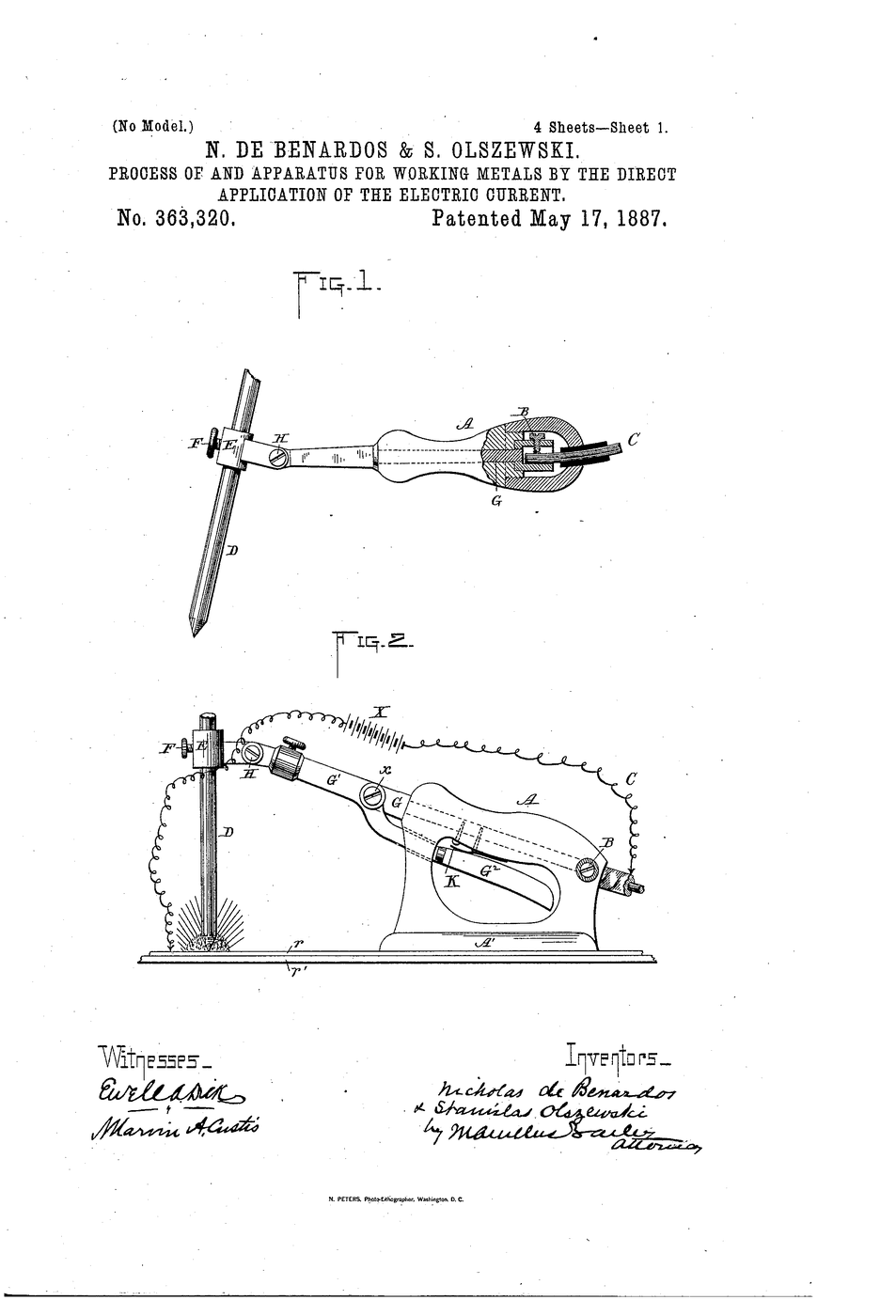
บลูพริ้นท์ที่เกี่ยวข้อง
บลูพริ้นท์เหล่านี้แบ่งปันความรู้ — เทคนิค วัสดุ หรือหลักการ

CC0 สาธารณสมบัติ
พิมพ์เขียวนี้เผยแพร่ภายใต้ CC0 คุณสามารถคัดลอก แก้ไข แจกจ่าย และใช้งานผลงานนี้เพื่อวัตถุประสงค์ใดก็ได้ โดยไม่ต้องขออนุญาต
สนับสนุนเมกเกอร์โดยซื้อสินค้าผ่านพิมพ์เขียวของพวกเขา ซึ่งพวกเขาจะได้รับ ค่าคอมมิชชันเมกเกอร์ ที่ผู้ขายกำหนด หรือสร้างเวอร์ชันใหม่ของพิมพ์เขียวนี้และรวมเป็นการเชื่อมต่อในพิมพ์เขียวของคุณเพื่อแบ่งรายได้