ศิลปะ
ความงามและสุขภาพ
งานฝีมือ
วัฒนธรรมและประวัติศาสตร์
ความบันเทิง
สิ่งแวดล้อม
อาหารและเครื่องดื่ม
วิศวกรรมย้อนรอย
วิทยาศาสตร์
กีฬา
เทคโนโลยี
อุปกรณ์สวมใส่
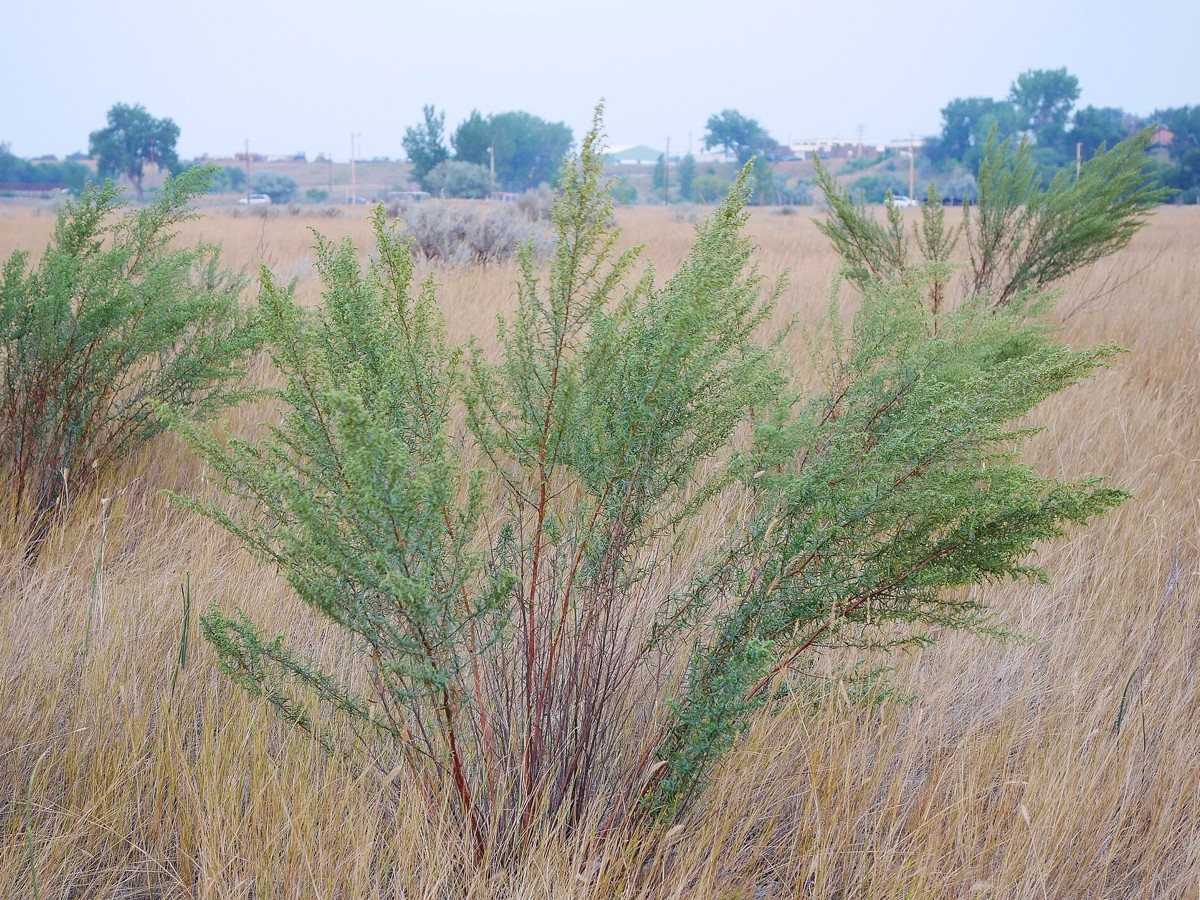


Mugwort Leaves and Tops: Wild Tarragon Cut in Flower, Hung Top Downward to Dry (Densmore, 1928; Britton & Brown, 1913)
The leaves and flowering tops of the plant Densmore called mugwort, Artemisia dracunculoides (today included in tarragon, Artemisia dracunculus), as the Chippewa kept them: cut in flower, hung top downward to dry, kept clean and wrapped. Densmore records them dried and steeped for chronic dysentery.
เริ่มต้น
An hour to cut, one to two weeks to dry
คำแนะนำ
1
1
Tarragon
Tarragon
Garden tarragon, the same species, here grown and cut (Grow Plants).
2
2
Know the plant
Know the plant
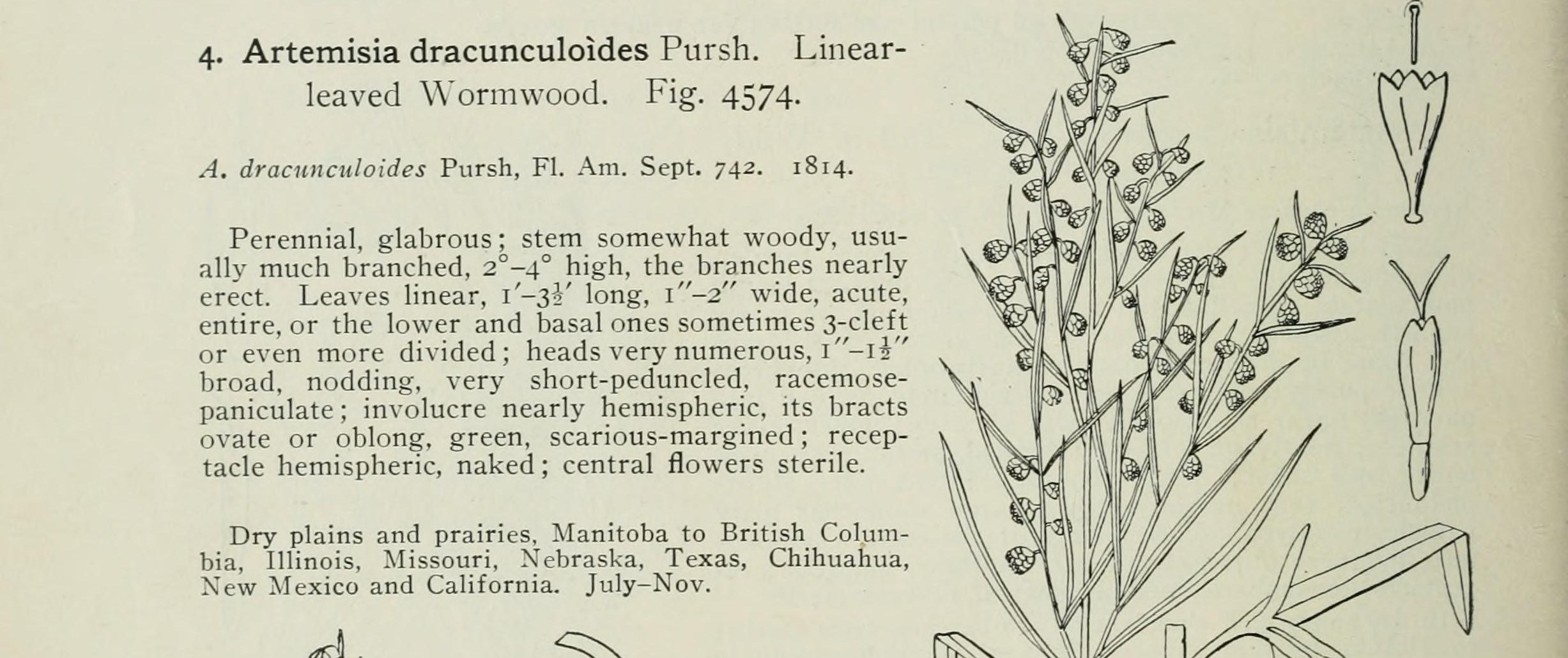
Britton and Brown (1913, vol. III, p. 524), Artemisia dracunculoides, Linear-leaved Wormwood: perennial, smooth, the stem somewhat woody and much branched, 2 to 4 feet; leaves linear, 1 to 3½ inches long, entire, the lower ones sometimes three-cleft; very many small nodding flower heads in a long branched cluster; dry plains and prairies, July-November. Kew's Plants of the World Online treats the name as a synonym of tarragon, Artemisia dracunculus.
3
3
What the tops are for
What the tops are for
Densmore (1928, pp. 344-345), for dysentery: mugwort, "(flowering plant)", part used "Leaves and top", "Dried and steeped", taken internally. "This was used for chronic dysentery."

4
4
Cut the tops
Cut the tops
Densmore's remedy uses the flowering plant: cut the leafy tops when the heads are in flower, from July on (Britton and Brown), leaving the woody base (ours).
เครื่องมือที่ต้องใช้:
 มีด
5
5
Hang top downward to dry
Hang top downward to dry
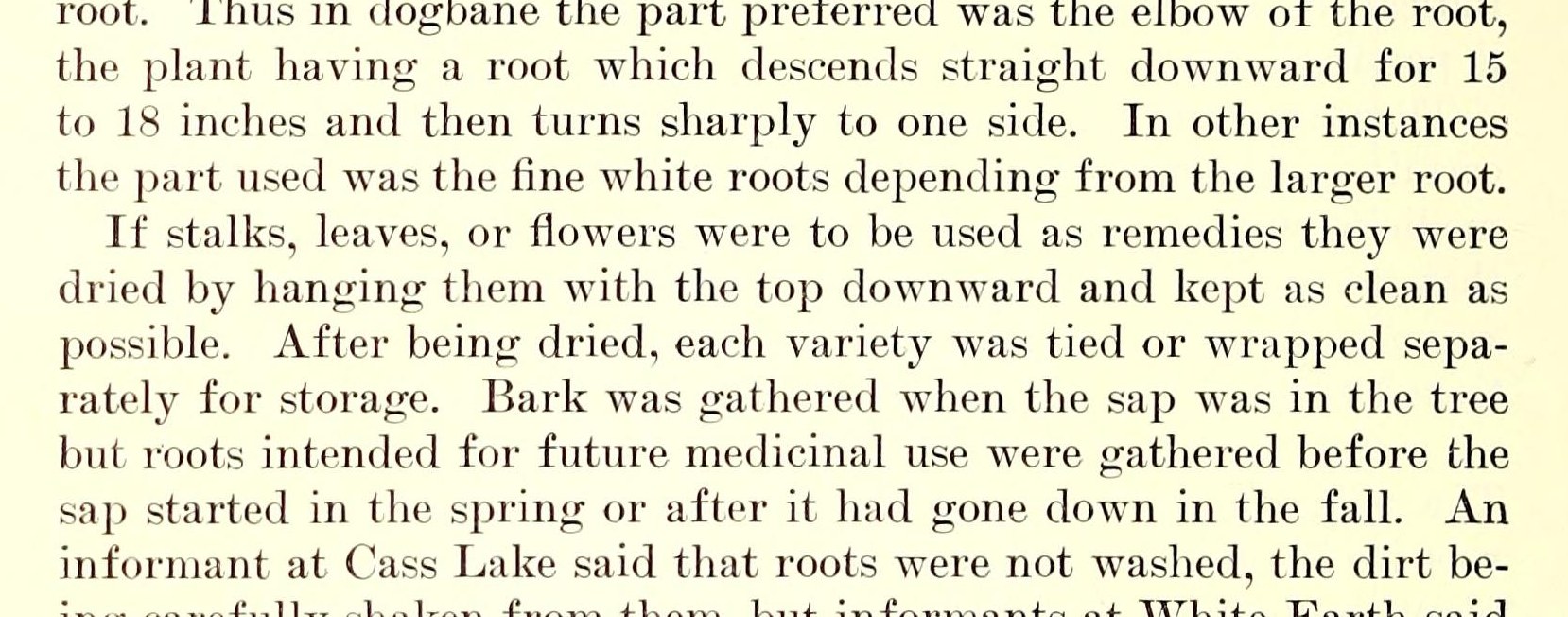
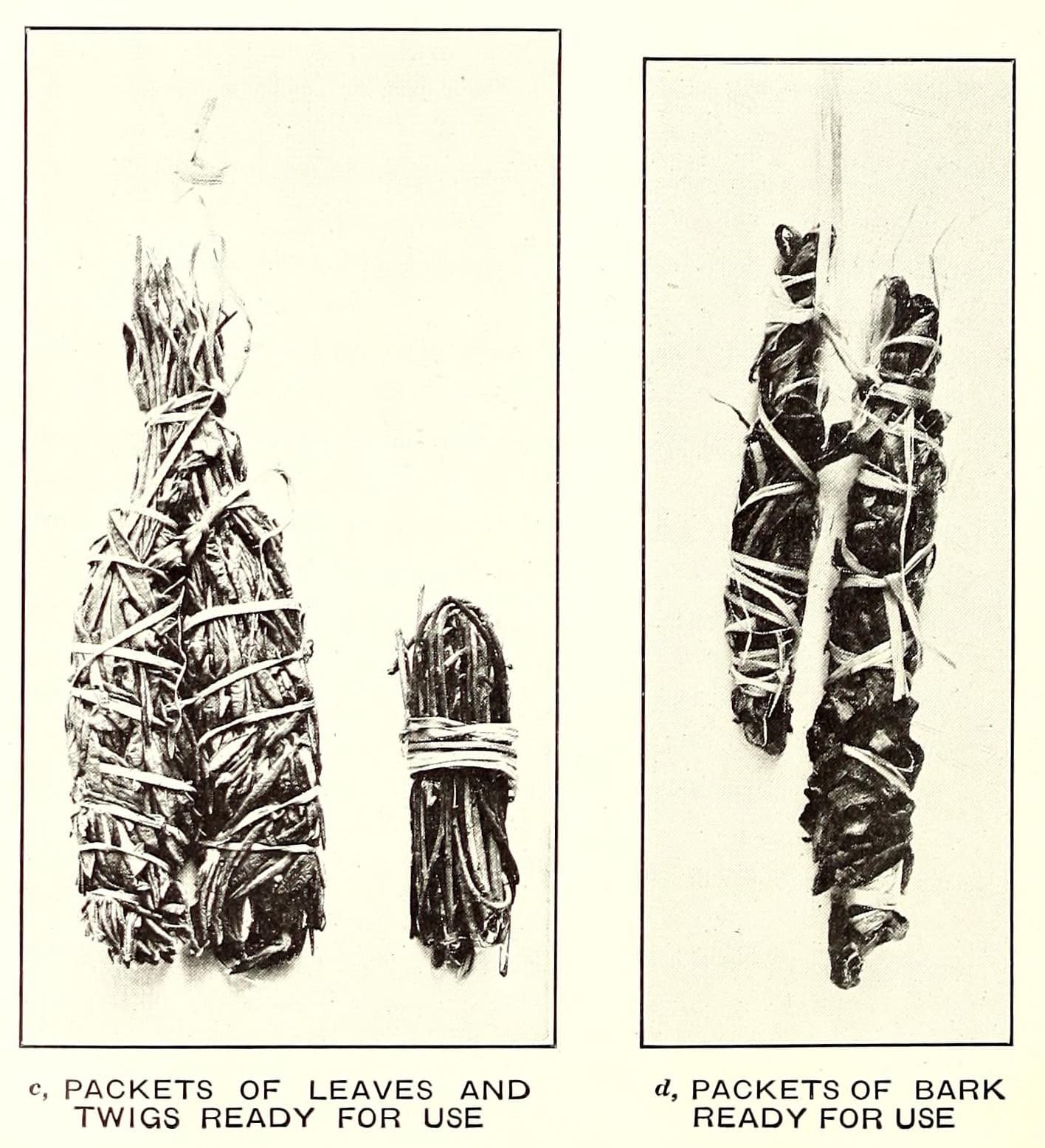
Densmore (p. 326): stalks, leaves and flowers "were dried by hanging them with the top downward and kept as clean as possible." Tie small bunches and hang them in a dry, airy place (ours).
เครื่องมือที่ต้องใช้:
 เชือกฝ้าย
6
6
Wrap separately and bag
Wrap separately and bag
"After being dried, each variety was tied or wrapped separately for storage" (p. 326). Keep the bundles in a bag.
เครื่องมือที่ต้องใช้:
เชือกฝ้าย ถุงผ้าลินิน
7
7
Prepare for use
Prepare for use
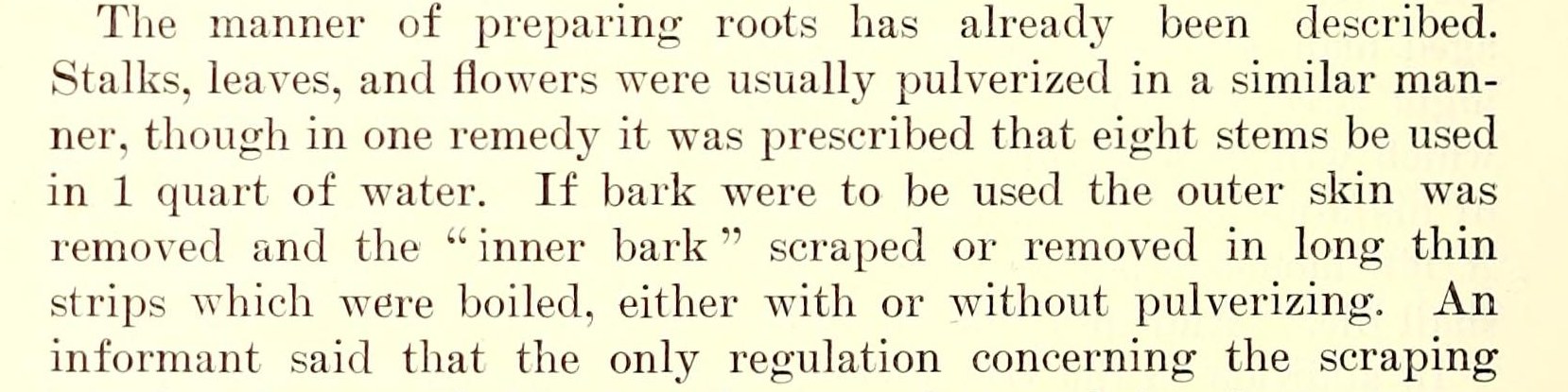
Densmore (p. 328): "Stalks, leaves, and flowers were usually pulverized" like roots; a mortar works too (ours).
เครื่องมือที่ต้องใช้:
 ครกและสาก
8
8
Troubleshooting
Troubleshooting
Problems and fixes.
Flow
Loading...
9
9
Sources and honest limits
Sources and honest limits
Frances Densmore, Uses of Plants by the Chippewa Indians (1928), pp. 326, 328 and 344-345; N. L. Britton and A. Brown, An Illustrated Flora of the Northern United States, vol. III (1913), p. 524; Plants of the World Online (Kew), Artemisia dracunculoides Pursh. The knife, drying screen, twine and mortar are ours. Be sure of the plant before cutting, and take only where it is plentiful and allowed. The cover shows wild tarragon on the prairie in north-east Montana (Thayne Tuason, CC BY-SA 4.0, Wikimedia Commons). Not made by us yet.
วัสดุจากพิมพ์เขียวที่เชื่อมต่อ
พิมพ์เขียวนี้สร้าง
CC0 สาธารณสมบัติ
พิมพ์เขียวนี้เผยแพร่ภายใต้ CC0 คุณสามารถคัดลอก แก้ไข แจกจ่าย และใช้งานผลงานนี้เพื่อวัตถุประสงค์ใดก็ได้ โดยไม่ต้องขออนุญาต
สนับสนุนเมกเกอร์โดยซื้อสินค้าผ่านพิมพ์เขียวของพวกเขา ซึ่งพวกเขาจะได้รับ ค่าคอมมิชชันเมกเกอร์ ที่ผู้ขายกำหนด หรือสร้างเวอร์ชันใหม่ของพิมพ์เขียวนี้และรวมเป็นการเชื่อมต่อในพิมพ์เขียวของคุณเพื่อแบ่งรายได้