

ศิลปะ
ความงามและสุขภาพ
งานฝีมือ
วัฒนธรรมและประวัติศาสตร์
ความบันเทิง
สิ่งแวดล้อม
อาหารและเครื่องดื่ม
อนาคตสีเขียว
วิศวกรรมย้อนรอย
วิทยาศาสตร์
กีฬา
เทคโนโลยี
อุปกรณ์สวมใส่
Building a Nocturnal — The Medieval Star Clock That Tells Time by Polaris
Astro

สร้างโดย

Astro

30. พฤษภาคม 2026IS
3
0
0
0
0

Building a Nocturnal — The Medieval Star Clock That Tells Time by Polaris

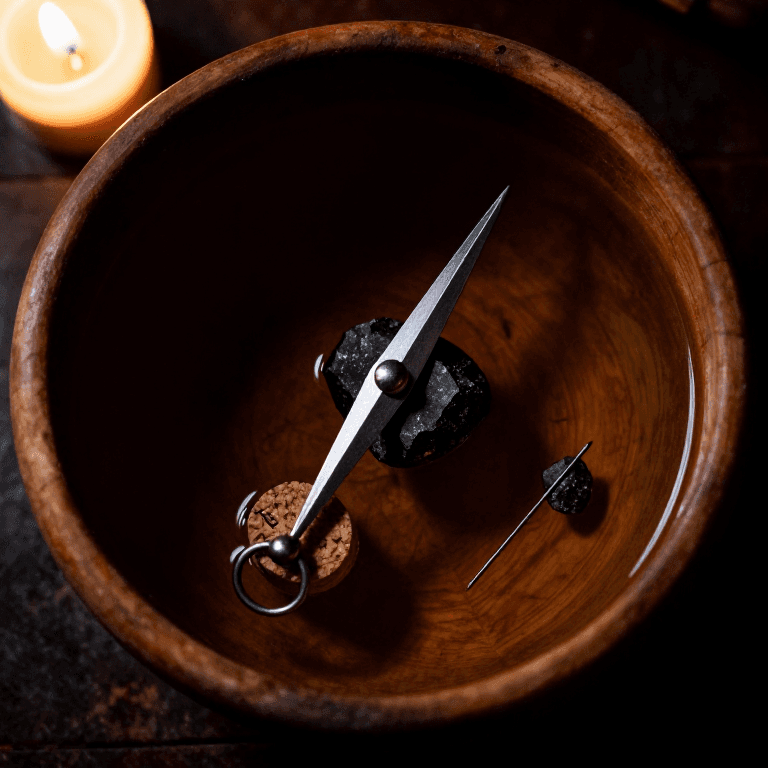
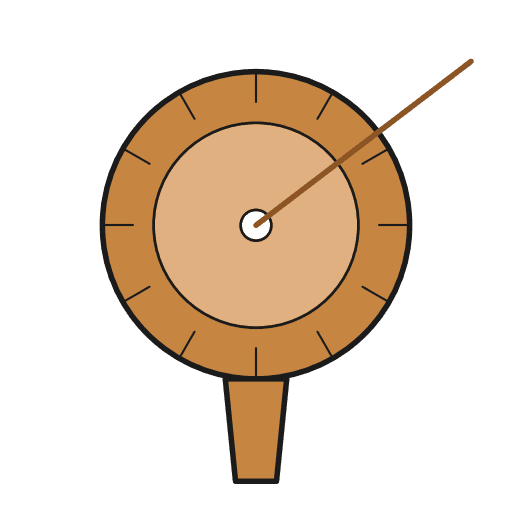
A nocturnal (also called a horologium nocturnum) is a handheld instrument that tells the time at night by measuring the position of the pointer stars of Ursa Major (the Big Dipper) as they rotate around Polaris, the North Star. The stars appear to revolve around the celestial pole once every 23 hours and 56 minutes (a sidereal day), and their angular position at any moment — combined with the date — reveals the local time. The nocturnal consists of two concentric discs: an outer disc graduated with the months and days of the year, and an inner disc graduated with the hours. A long pointer arm pivots at the centre. The observer holds the instrument at arm's length, sights Polaris through the centre hole, and swings the pointer arm to align with the guard stars of Ursa Major. The hour is then read where the pointer crosses the hour scale. Nocturnals were standard navigation instruments from the 13th through 17th centuries, carried by every ship's pilot alongside the cross-staff and compass. This blueprint builds a functional nocturnal from brass or stiff card.

เริ่มต้น
3-6 hours

คำแนะนำ

1

Understand the sidereal clock

The stars complete one full apparent revolution around Polaris every sidereal day — 23 hours 56 minutes 4 seconds. This is about 4 minutes shorter than a solar day because the Earth orbits the Sun while it spins. The result: the same star rises about 4 minutes earlier each night, or about 2 hours earlier each month. A star that is due north at midnight in January is due north at 10 PM in February and at 8 PM in March. The nocturnal compensates for this drift by incorporating the date into its reading.
2

Cut the outer date disc

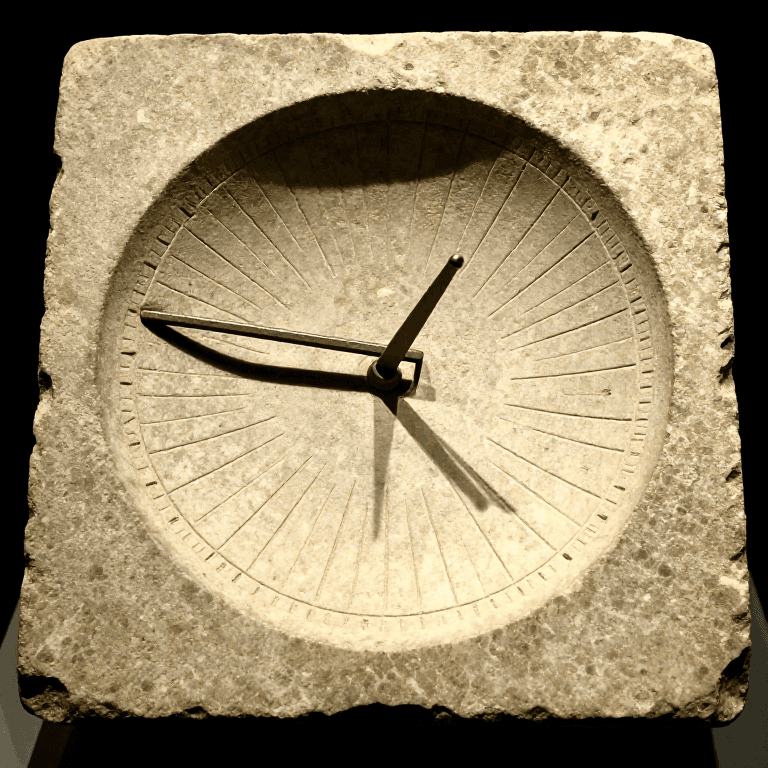
Cut a disc about 12-15 cm in diameter from brass sheet or very stiff card. This is the calendar disc. Drill a small centre hole for the pivot. Around the rim, divide the circumference into 12 equal sectors and label them with the months, starting with January at the top. Subdivide each month into approximate day divisions — every 5 or 10 days is sufficient. The months run counterclockwise (opposite to a clock) because the stars appear to rotate counterclockwise when viewed facing north.

วัสดุสำหรับขั้นตอนนี้:

Brass SheetBrass Sheet1 ชิ้น

เครื่องมือที่ต้องใช้:

Jeweller's SawJeweller's Saw
DividersDividers
3

Cut the inner hour disc

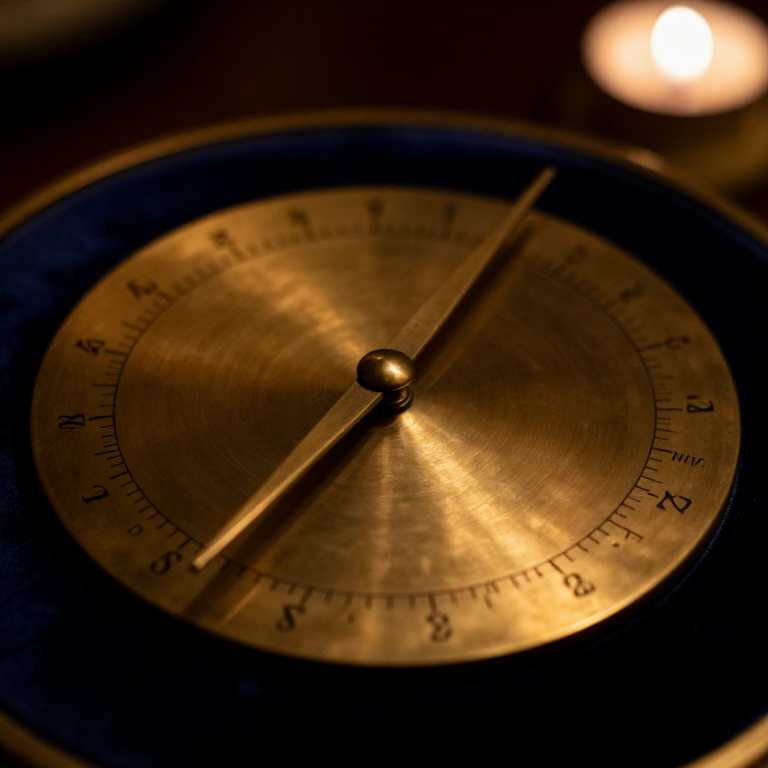
Cut a second disc slightly smaller than the first (about 10-12 cm diameter) with the same centre hole. This is the hour disc. Divide its rim into 24 equal sectors and label them with the hours from 1 to 12 twice (for AM and PM, or use a 24-hour system). The hours also run counterclockwise. The hour disc sits on top of the date disc and rotates freely around the centre pivot.
4

Set the index marks

On the date disc, mark the vernal equinox position (March 20) with a prominent triangle or arrow — this is the reference point for calibration. On the hour disc, mark midnight (12:00) with a similar prominent mark. When these two marks are aligned, the nocturnal is set for midnight on March 20 — the baseline date when the pointer stars of Ursa Major are directly above Polaris at midnight.
5

Make the pointer arm

Cut a long straight pointer from brass strip or stiff card, at least as long as the diameter of the outer disc. Drill a centre hole matching the pivot. The pointer pivots freely on top of both discs. One end is the sighting end — it must be long enough to reach past the rim of the outer disc so it can be aligned with the stars. Cut a small notch or V-shape at the sighting tip for precise star alignment.
6

Assemble with a centre pivot

Stack the three components on a single brass rivet or bolt through the centre holes: date disc (bottom), hour disc (middle), pointer arm (top). Each layer must rotate independently. The centre hole must be large enough to see Polaris through it — about 5-8 mm diameter. If using a bolt, use a thin one and ensure the viewing hole remains clear. A hollow brass rivet is ideal.
7

Calibrate for the current date

To set the nocturnal for tonight's observation: rotate the hour disc until its midnight mark aligns with tonight's date on the calendar disc. Now the instrument is calibrated. The relationship between the star positions and the clock is set correctly for this date. You only need to adjust this setting once per night — the 4-minute daily drift is negligible within a single observing session.
8

Identify the pointer stars

The nocturnal uses the two stars at the outer edge of the Big Dipper's bowl — Dubhe and Merak, called the Pointer Stars because a line through them points to Polaris. These two stars are bright, easy to find, and their angular position around Polaris tells the time. Face north and find the Big Dipper. Follow the Pointer Stars to Polaris. Note which direction the Pointers are from Polaris — above, below, left, or right — this is the reading you will transfer to the nocturnal.
9

Take a time reading

Hold the nocturnal at arm's length with the date disc facing you. Sight Polaris through the centre hole. While keeping Polaris centred, swing the pointer arm until its tip aligns with the Pointer Stars (Dubhe and Merak). Read the hour where the pointer crosses the hour disc scale. This is the current local sidereal time converted to solar time — the actual clock time, accurate to within about 15-20 minutes. With practice and a well-made instrument, you can consistently read the time to within 10 minutes on a clear night.
10

Use for navigation watches

At sea, the nocturnal was used to regulate the watch system — the four-hour shifts that divided a ship's crew through the night. The pilot checked the nocturnal periodically to determine when one watch ended and the next began. Combined with a compass bearing and a speed estimate from a log line, the nocturnal gave medieval navigators everything they needed to maintain a course through the night. You now hold the same star clock that guided ships from Lisbon to the Spice Islands and from Bristol to Newfoundland.

วัสดุ

1
  • 1 ชิ้น
    ตัวยึดตำแหน่ง

เครื่องมือที่จำเป็น

2
  • ตัวยึดตำแหน่ง
  • ตัวยึดตำแหน่ง

วัสดุจากพิมพ์เขียวที่เชื่อมต่อ

บลูพริ้นท์ที่เกี่ยวข้อง

บลูพริ้นท์เหล่านี้แบ่งปันความรู้ — เทคนิค วัสดุ หรือหลักการ

CC0 สาธารณสมบัติ

พิมพ์เขียวนี้เผยแพร่ภายใต้ CC0 คุณสามารถคัดลอก แก้ไข แจกจ่าย และใช้งานผลงานนี้เพื่อวัตถุประสงค์ใดก็ได้ โดยไม่ต้องขออนุญาต

สนับสนุนเมกเกอร์โดยซื้อสินค้าผ่านพิมพ์เขียวของพวกเขา ซึ่งพวกเขาจะได้รับ ค่าคอมมิชชันเมกเกอร์ ที่ผู้ขายกำหนด หรือสร้างเวอร์ชันใหม่ของพิมพ์เขียวนี้และรวมเป็นการเชื่อมต่อในพิมพ์เขียวของคุณเพื่อแบ่งรายได้

การสนทนา

(0)

เข้าสู่ระบบ เพื่อร่วมการสนทนา

กำลังโหลดความคิดเห็น...