ศิลปะ
ความงามและสุขภาพ
งานฝีมือ
วัฒนธรรมและประวัติศาสตร์
ความบันเทิง
สิ่งแวดล้อม
อาหารและเครื่องดื่ม
วิศวกรรมย้อนรอย
วิทยาศาสตร์
กีฬา
เทคโนโลยี
อุปกรณ์สวมใส่
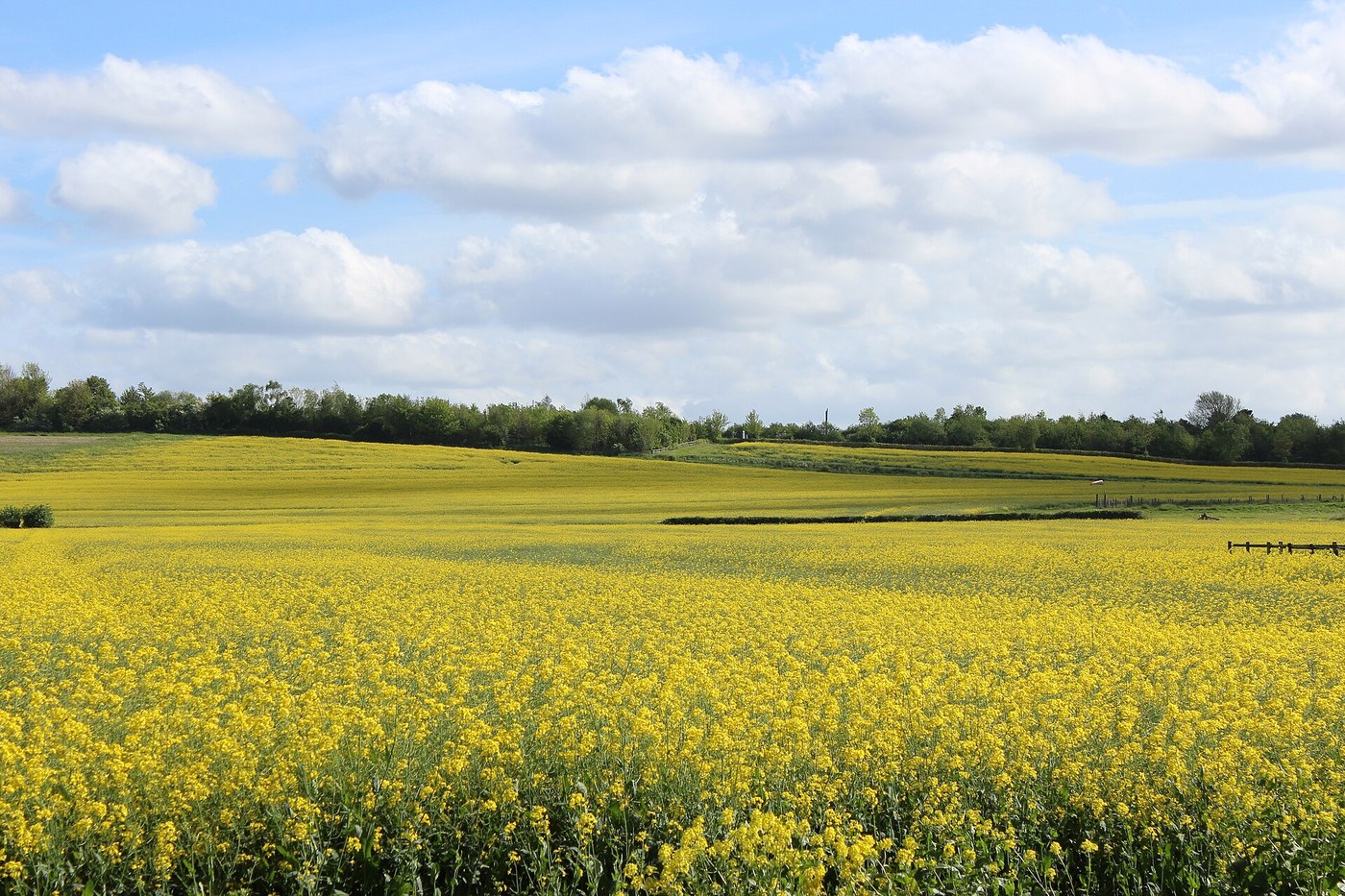


Rapeseed (Colza) Oil: Ripened, Threshed and Pressed
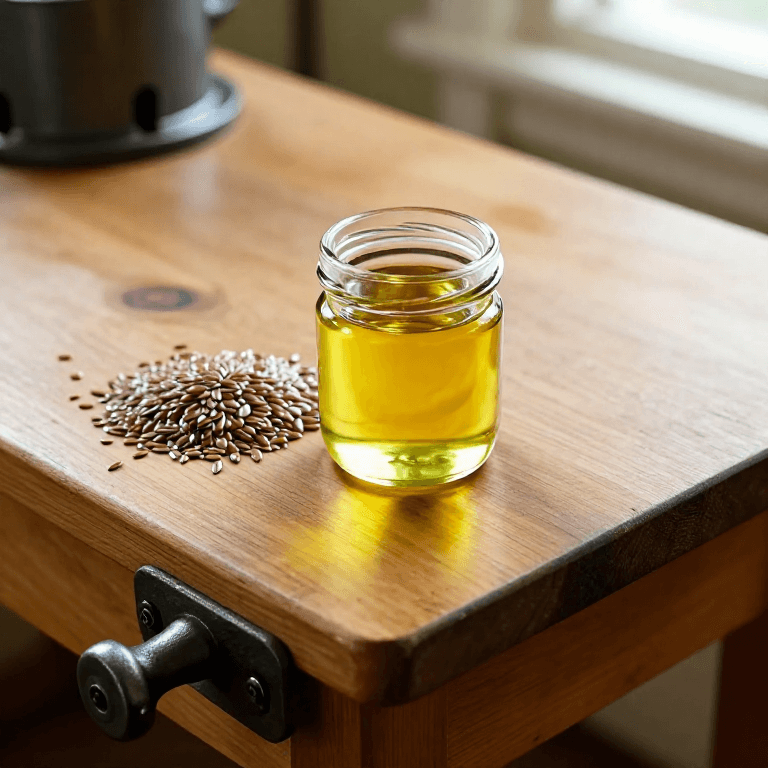
Colza, or rape, is a cabbage relative whose small seeds give an oil that lit the lamps of France and Belgium. Andrew Ure (1839) notes the seed yields oil only in proportion to its ripeness, so the plants are cut a little early, before the pods shed, and left to finish ripening in heaps before threshing. The pressing is the same as for linseed oil.
The picture: a rapeseed (colza) field in flower.
เริ่มต้น
A day of pressing
คำแนะนำ
1
1
Ripen, thresh and winnow
Ripen, thresh and winnow
Let the cut plants finish ripening in an airy heap, thresh out the seed, winnow off the chaff and sift it.
วัสดุสำหรับขั้นตอนนี้:
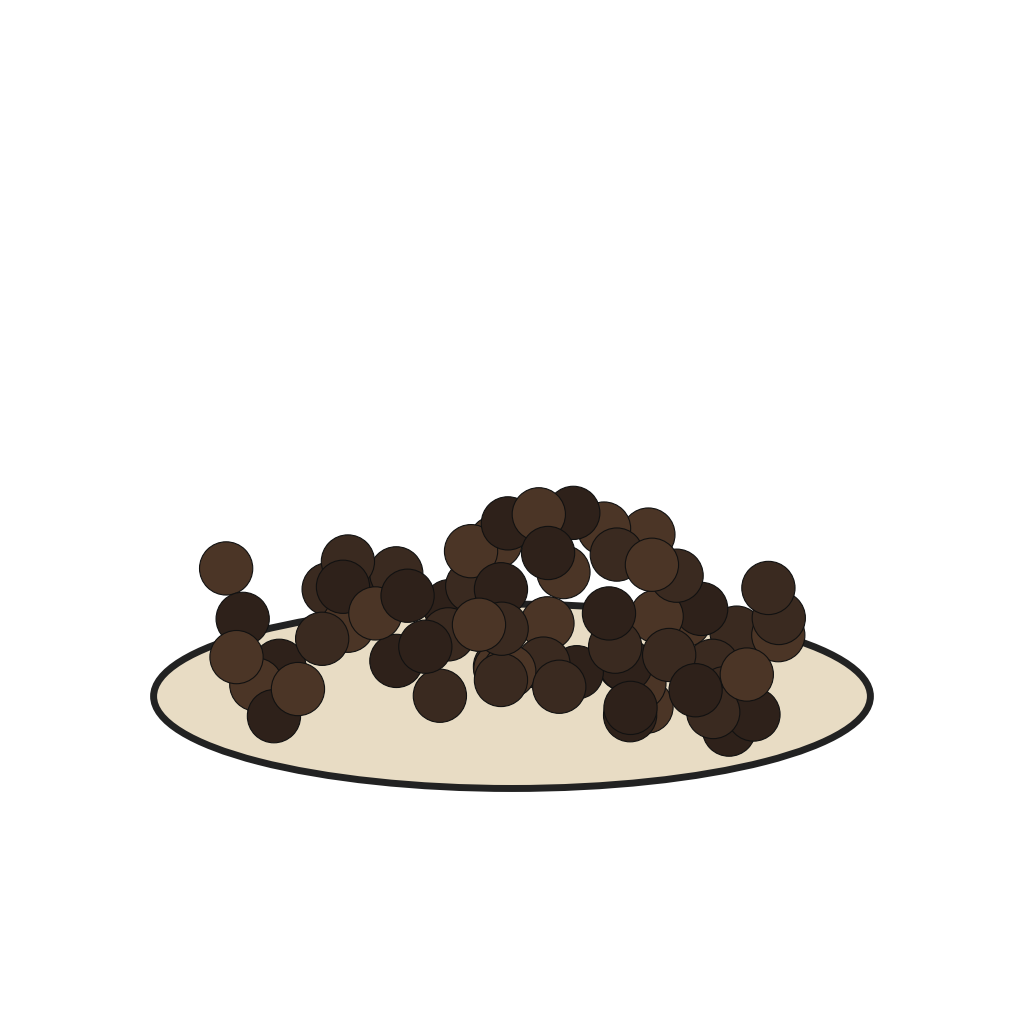 เมล็ดเรปซีด3 กก.
เครื่องมือที่ต้องใช้:
 กระด้งฝัด
 ตะแกรงร่อน
2
2
Dry the seed
Dry the seed
Spread the seed thinly in the air to dry before pressing (Ure).
เครื่องมือที่ต้องใช้:
 เสื่อตาก
3
3
Press, settle and decant
Press, settle and decant
Press the dry seed in the screw press, let the oil settle and decant it clear, exactly as for linseed oil. Keep the pressed cake: Ure notes it fattens cattle.
4
4
Filter and bottle
Filter and bottle
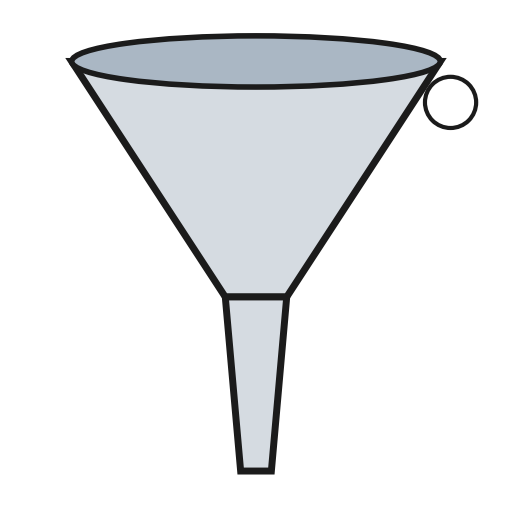
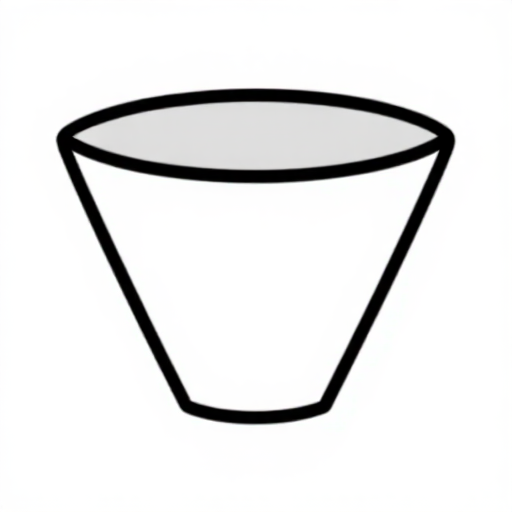
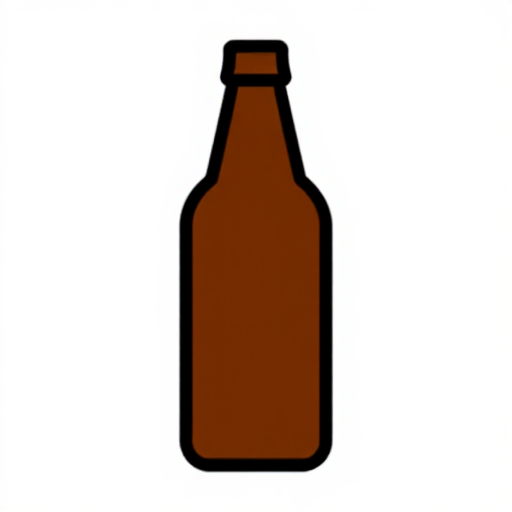
Pour the settled oil through a paper filter in a funnel into clean bottles, and keep it cool and dark.
เครื่องมือที่ต้องใช้:
 กรวยครัว
 กระดาษกรองกาแฟ / กระดาษกรอง
 ขวดแก้วสีชา
วัสดุ
1- 3 กก.ตัวยึดตำแหน่ง
พิมพ์เขียวนี้สร้าง

บลูพริ้นท์ที่เกี่ยวข้อง
บลูพริ้นท์เหล่านี้แบ่งปันความรู้ — เทคนิค วัสดุ หรือหลักการ
CC0 สาธารณสมบัติ
พิมพ์เขียวนี้เผยแพร่ภายใต้ CC0 คุณสามารถคัดลอก แก้ไข แจกจ่าย และใช้งานผลงานนี้เพื่อวัตถุประสงค์ใดก็ได้ โดยไม่ต้องขออนุญาต
สนับสนุนเมกเกอร์โดยซื้อสินค้าผ่านพิมพ์เขียวของพวกเขา ซึ่งพวกเขาจะได้รับ ค่าคอมมิชชันเมกเกอร์ ที่ผู้ขายกำหนด หรือสร้างเวอร์ชันใหม่ของพิมพ์เขียวนี้และรวมเป็นการเชื่อมต่อในพิมพ์เขียวของคุณเพื่อแบ่งรายได้