ศิลปะ
ความงามและสุขภาพ
งานฝีมือ
วัฒนธรรมและประวัติศาสตร์
ความบันเทิง
สิ่งแวดล้อม
อาหารและเครื่องดื่ม
วิศวกรรมย้อนรอย
วิทยาศาสตร์
กีฬา
เทคโนโลยี
อุปกรณ์สวมใส่
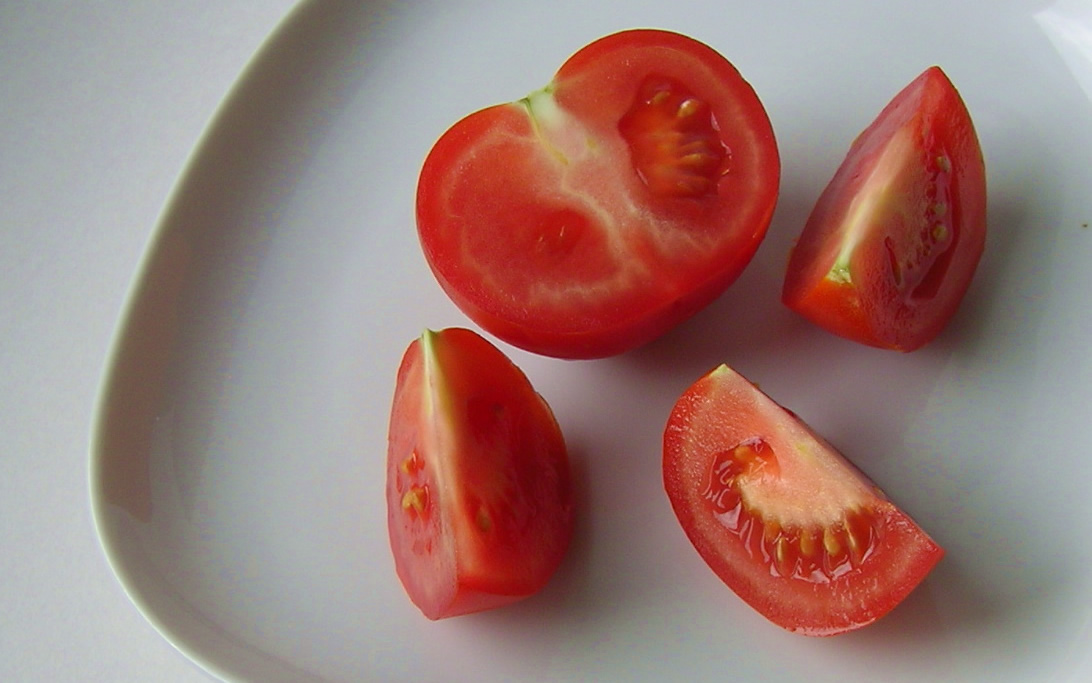
Robert Wetzlmayr · CC BY-SA 3.0


Saving Tomato Seeds — The Fermentation Method
Save tomato seed the proper way — by fermenting it. Each tomato seed is wrapped in a slippery gel that stops it germinating inside the fruit, so you let the scooped seeds ferment in a jar for a few days to dissolve that coat (and kill seed-borne disease), then rinse, dry and store. A buildable school project in the wet seed and why rotting helps.
เริ่มต้น
About a week (a few days fermenting)
คำแนะนำ
1
1
The seed in a jacket of jelly
The seed in a jacket of jelly
Cut a tomato open and each seed sits in a slippery gel. That gel is a natural germination inhibitor — it stops the seeds sprouting inside a warm, wet fruit. To save the seed we must remove that jacket, and the cleanest way is to let it ferment, just as a fruit rotting on the ground would.
2
2
Choose a fully ripe fruit
Choose a fully ripe fruit
Pick a dead-ripe (even slightly overripe) tomato from a healthy, true-to-type, OPEN-POLLINATED plant — never an F1 hybrid. Riper fruit means fully finished seed.
วัสดุสำหรับขั้นตอนนี้:
 เมล็ดมะเขือเทศ1 packet
3
3
Scoop seeds and gel into a jar
Scoop seeds and gel into a jar
Squeeze or scoop the seeds and their jelly into a jar and add a splash of water. Label the jar. Leave it uncovered (or loosely covered) somewhere warm, out of direct sun.
เครื่องมือที่ต้องใช้:
 บีกเกอร์โบโรซิลิเกต
4
4
Ferment for 2-4 days
Ferment for 2-4 days
Stir once a day. Over 2-4 days a layer of mould and scum forms on top — this is the fermentation dissolving the gel coat and, as a bonus, killing several seed-borne diseases. Stop at 3-4 days; ferment too long and the good seeds start to sprout or spoil.
5
5
Rinse — keep the sinkers
Rinse — keep the sinkers
Add plenty of water and stir. The good, heavy seeds SINK; the dead seeds and pulp float — pour the floaters off. Tip the sinkers into a fine sieve and rinse under the tap until they are perfectly clean.
เครื่องมือที่ต้องใช้:
 ตะแกรงร่อน 60 เมช
6
6
Dry flat and store
Dry flat and store
Spread the seeds thinly on a plate or fine screen (NOT paper towel — they glue themselves to it) and dry out of the sun, stirring daily, until they no longer stick together. Store cool, dark and airtight, labelled. Tomato seed lasts 4-6 years.
วัสดุสำหรับขั้นตอนนี้:
 ขวดแก้วมีฝา1 ชิ้น
 ป้ายกาวในตัว1 แผ่น
7
7
Compendium — the wet seed and fruit's clock
Compendium — the wet seed and fruit's clock
Seeds fall into two camps for the saver. DRY seeds (beans, lettuce, carrots) ripen in a pod or head that dries on the plant, so you just wait, thresh and store. WET seeds are born inside a juicy fruit — tomato, cucumber, squash, melon — and the fruit's job is to keep those seeds moist, fed and, crucially, DORMANT until it is eaten or rots away, so they don't sprout in the wet dark of the fruit. The tomato enforces that dormancy with a gel around each seed loaded with germination inhibitors. In nature the fruit drops, rots, and microbes eat away the gel, freeing the clean seed to germinate in spring — fermentation in a jar is simply that rotting, sped up and controlled. It does three useful things at once: it digests the inhibitor gel so the seed will germinate crisply, it destroys a number of bacterial and fungal diseases that ride on the seed coat, and the float-test at the end sorts the living heavy seed from the dead light chaff. The tomato is a self-pollinator like the bean, so its seed comes true with little isolation — but the wet-seed handling is what's new here, and the same ferment-or-wash principle carries over to cucumbers and, with a simpler rinse, to squash and melon. A New World fruit that only reached Europe in the 1500s, the tomato is now the most-saved seed in the home garden — and it all turns on cooperating with the fruit's own clever clock.
วัสดุ
3- 1 packetตัวยึดตำแหน่ง
- 1 ชิ้นตัวยึดตำแหน่ง
- 1 แผ่นตัวยึดตำแหน่ง
เครื่องมือที่จำเป็น
2- ตัวยึดตำแหน่ง
- ตัวยึดตำแหน่ง
พิมพ์เขียวนี้สร้าง

บลูพริ้นท์ที่เกี่ยวข้อง
บลูพริ้นท์เหล่านี้แบ่งปันความรู้ — เทคนิค วัสดุ หรือหลักการ
CC0 สาธารณสมบัติ
พิมพ์เขียวนี้เผยแพร่ภายใต้ CC0 คุณสามารถคัดลอก แก้ไข แจกจ่าย และใช้งานผลงานนี้เพื่อวัตถุประสงค์ใดก็ได้ โดยไม่ต้องขออนุญาต
สนับสนุนเมกเกอร์โดยซื้อสินค้าผ่านพิมพ์เขียวของพวกเขา ซึ่งพวกเขาจะได้รับ ค่าคอมมิชชันเมกเกอร์ ที่ผู้ขายกำหนด หรือสร้างเวอร์ชันใหม่ของพิมพ์เขียวนี้และรวมเป็นการเชื่อมต่อในพิมพ์เขียวของคุณเพื่อแบ่งรายได้