

ศิลปะ
ความงามและสุขภาพ
งานฝีมือ
วัฒนธรรมและประวัติศาสตร์
ความบันเทิง
สิ่งแวดล้อม
อาหารและเครื่องดื่ม
อนาคตสีเขียว
วิศวกรรมย้อนรอย
วิทยาศาสตร์
กีฬา
เทคโนโลยี
อุปกรณ์สวมใส่
Building a Screw-Cutting Lathe — The Machine That Makes Other Machines
Gimli

สร้างโดย

Gimli

25. มิถุนายน 2026US
0
0
0
0
0

Building a Screw-Cutting Lathe — The Machine That Makes Other Machines

Almost every precise machine ever built was, in the end, made by a lathe. Around 1800 the English engineer Henry Maudslay turned the lathe from a craftsman's tool into a precision instrument, and in doing so created the machine tool that made the age of interchangeable parts possible.

Before him, screws were filed by hand and no two matched. Maudslay added three things that changed everything: a rigid iron bed with truly flat ways, a sliding tool holder — the slide rest — that carried the cutting tool steadily instead of a shaking human hand, and a lead screw geared to the spindle so the tool advanced automatically at an exact rate. Choose the gear ratio and the lathe cuts a screw thread of any pitch you like, perfectly and repeatably.

From that came standard screws, accurate cylinders, and parts so consistent they were interchangeable. A screw-cutting lathe can even make the parts for another lathe, which is why it is called the mother machine — the root of the whole tree of industrial manufacturing.

ขั้นสูง
A long precision build

คำแนะนำ

1

Understand why it matters

A screw-cutting lathe turns metal to precise round shapes and cuts accurate, repeatable screw threads. Before it, threads were filed by hand and every screw was unique. This machine makes identical parts — the foundation of interchangeable manufacturing.
2

Cast a rigid iron bed

Make a heavy cast-iron bed with long, straight, accurately planed ways. Rigidity and straightness are the whole secret of precision: a wooden lathe flexes and chatters, but a massive true iron bed holds the tool exactly where you set it.

วัสดุสำหรับขั้นตอนนี้:

Cast Iron BarCast Iron Bar60 กก.

เครื่องมือที่ต้องใช้:

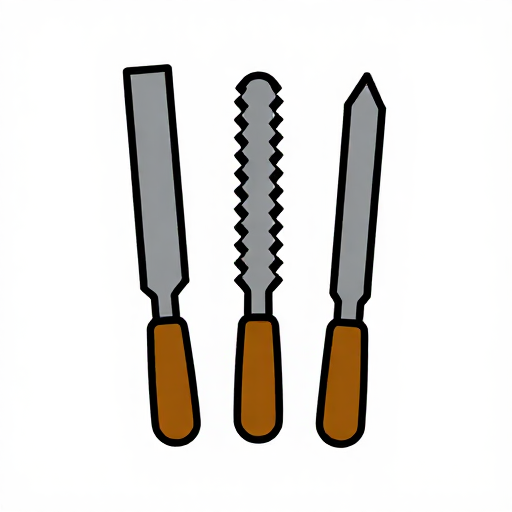
FileFile
3

Mount the headstock and spindle

Fit a headstock at one end carrying a spindle that rotates on bearings. The work is gripped in the spindle and spun by a belt from a treadle, water wheel, or steam engine. The spindle must run true, with no wobble, for accurate work.

วัสดุสำหรับขั้นตอนนี้:

Steel BarSteel Bar10 กก.
BrassBrass2 กก.
4

Fit the tailstock

Set a tailstock that slides along the bed and clamps in place, carrying a centre that supports the far end of long work. Aligning the tailstock centre exactly with the spindle axis is essential, or the work turns tapered instead of straight.
5

Build the slide rest

Build the slide rest: a tool holder mounted on a carriage that moves along the bed and on a cross-slide that moves across it, both driven by accurate screws. Holding the tool in this rigid slide instead of by hand is what gives steady, repeatable cuts.

วัสดุสำหรับขั้นตอนนี้:

Cast Iron BarCast Iron Bar8 กก.
6

Fit the lead screw

Run a long, accurately threaded lead screw the length of the bed and connect it to drive the carriage. As the lead screw turns it pulls the tool along at a fixed rate. The accuracy of every thread you cut can only be as good as this master screw.

วัสดุสำหรับขั้นตอนนี้:

Steel BarSteel Bar12 กก.
7

Set up change gears

Link the spindle to the lead screw through a train of change gears. The ratio of those gears sets how far the tool advances for each turn of the work — which is exactly the pitch of the thread being cut. Swapping gears changes the pitch.

วัสดุสำหรับขั้นตอนนี้:

Change Gear SetChange Gear Set1 ชุด
8

Mount the work and tool

Grip the metal blank in the chuck or between centres and clamp a hardened steel cutting tool in the slide rest at centre height. A tool set too high or too low cuts poorly and digs in, so set it carefully against the spindle centre.

วัสดุสำหรับขั้นตอนนี้:

Lathe Cutting ToolLathe Cutting Tool1 ชิ้น
9

Turn a true cylinder

Engage the carriage feed and let the slide rest carry the tool steadily along the spinning work. The result is a perfectly straight, round cylinder, cut far more accurately and quickly than any hand could manage. This alone transformed metalwork.

เครื่องมือที่ต้องใช้:

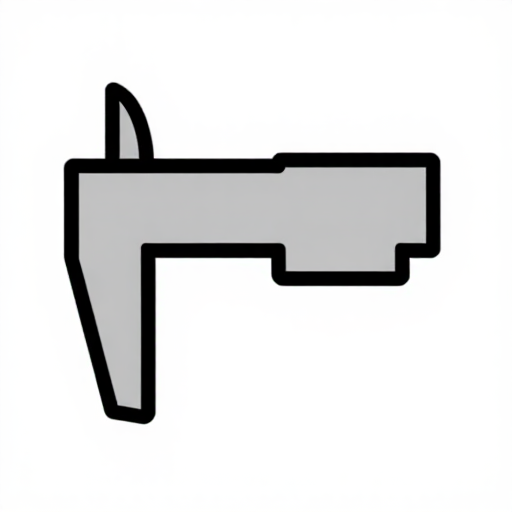
CalipersCalipers
10

Cut a screw thread

Choose change gears for the pitch you want, engage the lead screw, and let the tool trace a continuous helix along the work. Take several light passes, deepening the groove each time, and a precise screw thread emerges — identical every time you repeat the setup.

เครื่องมือที่ต้องใช้:

Thread GaugeThread Gauge
11

Measure and standardise

Check the finished threads and diameters with gauges and calipers. Because the lead screw and gears are fixed, every screw of a given setting comes out the same — the basis on which Whitworth later standardised thread angles and pitches for the whole of industry.

เครื่องมือที่ต้องใช้:

MicrometerMicrometer
12

Appreciate the mother machine

A screw-cutting lathe can machine the beds, screws, and gears of another lathe, and the parts of engines, guns, clocks, and instruments. It reproduces and improves precision itself, which is why it stands at the root of all machine manufacturing.

วัสดุ

5

เครื่องมือที่จำเป็น

4

บลูพริ้นท์ที่เกี่ยวข้อง

บลูพริ้นท์เหล่านี้แบ่งปันความรู้ — เทคนิค วัสดุ หรือหลักการ
CC0 สาธารณสมบัติ

พิมพ์เขียวนี้เผยแพร่ภายใต้ CC0 คุณสามารถคัดลอก แก้ไข แจกจ่าย และใช้งานผลงานนี้เพื่อวัตถุประสงค์ใดก็ได้ โดยไม่ต้องขออนุญาต

สนับสนุนเมกเกอร์โดยซื้อสินค้าผ่านพิมพ์เขียวของพวกเขา ซึ่งพวกเขาจะได้รับ ค่าคอมมิชชันเมกเกอร์ ที่ผู้ขายกำหนด หรือสร้างเวอร์ชันใหม่ของพิมพ์เขียวนี้และรวมเป็นการเชื่อมต่อในพิมพ์เขียวของคุณเพื่อแบ่งรายได้

การสนทนา

(0)

เข้าสู่ระบบ เพื่อร่วมการสนทนา

กำลังโหลดความคิดเห็น...